


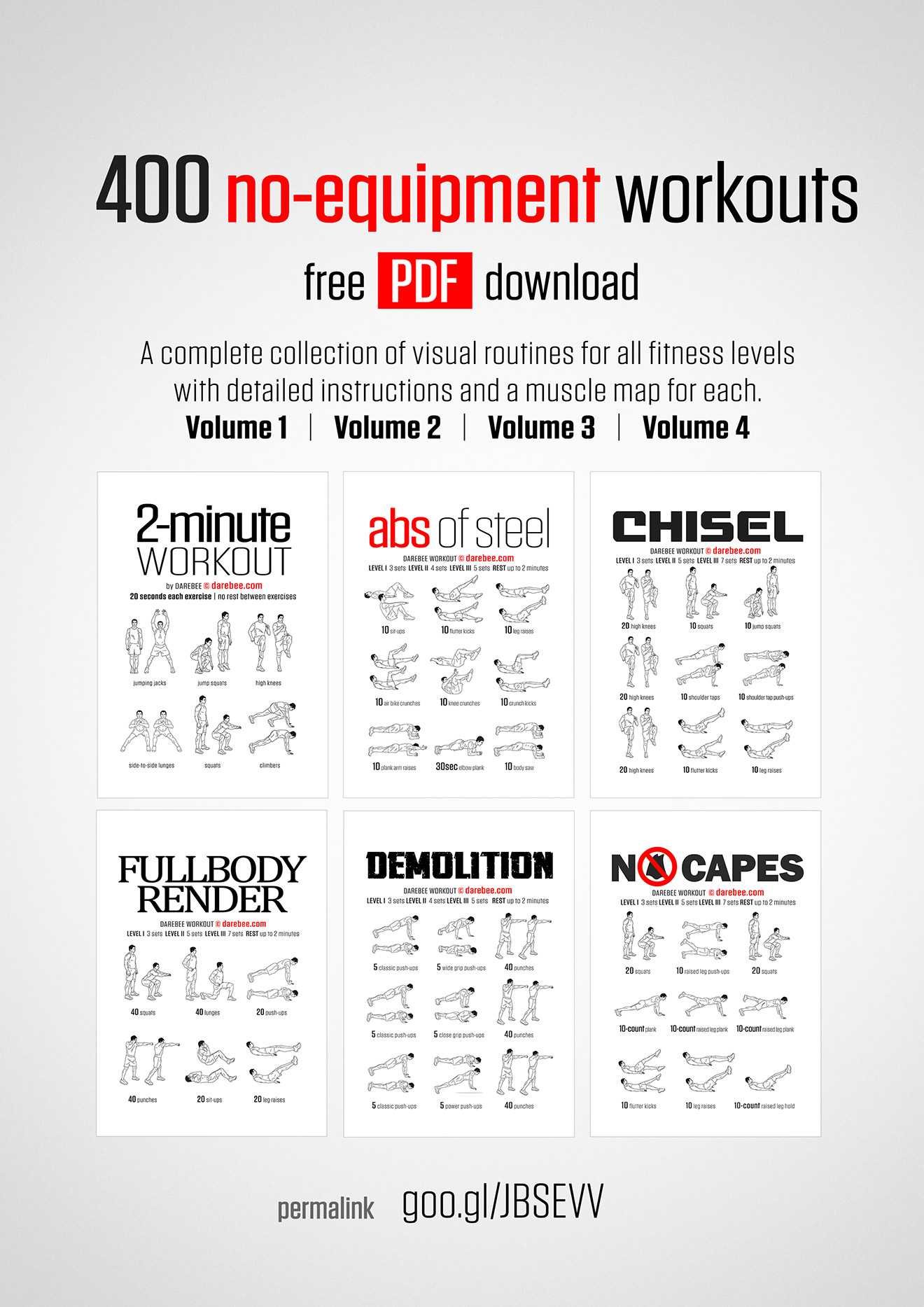
Looking to get fit without spending a dime on gym memberships or fancy gear? The best workouts without equipment are not only effective but also incredibly convenient—you can do them anywhere, anytime. Whether you’re traveling, busy with your daily routine, or just prefer working out at home, there are plenty of bodyweight exercises that can help you build strength, improve flexibility, and boost your endurance. No need for weights or machines—your own body is your best tool! In this article, you’ll discover the top no-equipment exercises that cater to all fitness levels, making it easier than ever to stay active and achieve your health goals. Ready to transform your workout routine with simple, equipment-free moves? Let’s dive in!

Best Workouts Without Equipment: Your Guide to Effective Home Exercises
Introduction to Equipment-Free Workouts
Exercising without equipment is an excellent way to stay active anytime and anywhere. These workouts require no gym memberships or special gear, making them accessible for everyone. They focus on using your own body weight to build strength, improve flexibility, and boost cardiovascular health.
Benefits of No-Equipment Workouts
Choosing workouts without equipment offers several advantages. They are cost-effective, convenient, and easy to modify for different fitness levels. Additionally, bodyweight exercises help improve balance, coordination, and core stability.
Getting Started with No-Equipment Exercises
Before jumping into routines, ensure you have enough space to move freely and wear comfortable clothing. Warm-up with light activities like jogging in place or arm circles to prepare your muscles. Consistency is key, so aim for at least three sessions per week.
Top Types of Equipment-Free Exercises
There are many effective exercises that require no equipment. Some of the popular types include:
- Bodyweight strength moves
- Cardio routines
- Flexibility and stretching exercises
- Balance and stability workouts
Each category targets different fitness components, providing a well-rounded workout.
Effective Bodyweight Strength Exercises
Building muscle strength can be easily achieved through various bodyweight moves. Some of the best include:
Push-Ups
Push-ups target your chest, shoulders, and triceps. Keep your body in a straight line, bend your elbows, and lower your chest toward the floor. Push back up to the starting position.
Squats
Stand with feet shoulder-width apart, bend your knees, and lower your hips as if sitting in a chair. Keep your back straight and knees behind your toes. Stand back up to complete one rep.
Planks
Hold your body in a straight line, supported by your forearms and toes. Engage your core and keep your hips level. Start with 20-30 seconds and increase as you build strength.
Lunges
Step forward with one leg, lowering your hips until both knees are bent at about 90 degrees. Push through your front heel to return to starting position. Alternate legs with each repetition.
Dips (using a sturdy surface)
Sit on the edge of a bench or chair, place hands next to hips, and slide your body off. Bend elbows and lower your body, then push back up.
Cardio Exercises Without Equipment
Cardio workouts help improve heart health and burn calories. Here are some effective options:
Jumping Jacks
Stand upright, jump with feet spreading apart and arms overhead. Jump back to the starting position. Do several sets for a quick cardio burst.
High Knees
Jog in place, lifting your knees as high as possible with each step. Pump your arms for more intensity. This exercise boosts endurance and burns calories quickly.
Burpees
Start standing, drop into a squat, place hands on the ground, jump your feet back into a plank. Jump your feet forward and stand up. Repeat for a full-body cardio challenge.
Mountain Climbers
In a plank position, bring knees toward your chest alternately at a fast pace. This move combines cardio with core strengthening.
Jump Squats
Perform a regular squat, then explosively jump upward. Land softly and move into the next rep. This exercise adds plyometric power to your workout.
Flexibility and Stretching Routines
Flexibility exercises help prevent injury and improve overall mobility. Incorporate these stretches after your workouts:
Hamstring Stretch
Sit with one leg extended, reach toward your toes, and hold the stretch. Switch legs after 20-30 seconds.
Quad Stretch
Stand on one leg, hold your ankle behind you, and gently pull your heel toward your glutes. Switch sides.
Chest Stretch
Stand with arms extended, clasp your hands behind your back, and lift your arms slightly while opening your chest.
Shoulder Roll
Lift your shoulders toward your ears, roll them back and down. Repeat for 10-15 repetitions to release tension.
Cat-Cow Stretch
Get on hands and knees, alternate arching your back toward the ceiling and dipping it toward the floor. This sequence enhances spinal flexibility.
Balancing and Core Stability Exercises
Improving balance and core strength enhances overall fitness. Try these simple exercises:
Single-Leg Deadlifts
Stand on one foot, hinge forward at the hips, and extend the other leg behind you. Return to standing and switch sides.
Bird Dogs
On hands and knees, extend opposite arm and leg simultaneously. Keep your back flat and hold briefly before switching.
Side Planks
Lie on your side, support your body with one forearm, and lift your hips. Maintain a straight line from head to feet.
Russian Twists
Sit on the ground, lean back slightly, lift your feet, and twist your torso side to side. This targets oblique muscles.
Leg Raises
Lie on your back, lift your legs toward the ceiling, then lower without touching the ground. This strengthens your lower abs.
Designing an Effective No-Equipment Workout Routine
Create routines combining strength, cardio, and flexibility exercises. For example, start with a warm-up, then alternate between push-ups, jumping jacks, and stretches. Adjust the duration and repetitions based on your fitness level.
Sample Weekly Workout Plan
| Day | Workout Focus | Sample Exercises |
|---|---|---|
| Monday | Strength + Cardio | Push-ups, squats, jumping jacks, mountain climbers |
| Wednesday | Flexibility + Core | Stretching, planks, bird dogs, leg raises |
| Friday | Full Body Circuit | Burpees, lunges, side planks, high knees |
Tips for Staying Motivated
Set achievable goals and track your progress. Vary your routines to keep things interesting. Find a workout buddy or join online challenges for added motivation.
Safety Tips for No-Equipment Workouts
Always warm up before exercising and cool down afterward. Perform movements with proper form to prevent injury. Stop if you feel pain or discomfort and consult a healthcare professional if needed.
Exercising without equipment is an accessible and effective way to improve your health. By incorporating strength, cardio, flexibility, and balance routines, you can achieve comprehensive fitness. Keep consistent, listen to your body, and enjoy the convenience of working out anywhere, anytime.
Full Body Workout Without Equipment
Frequently Asked Questions
What are some effective bodyweight exercises to include in a no-equipment workout routine?
Bodyweight exercises like push-ups, squats, lunges, burpees, and planks are highly effective for building strength and endurance. These exercises target multiple muscle groups, improve flexibility, and can be easily modified to match your fitness level. Incorporating variations such as wide-arm push-ups or jump squats keeps your routine challenging and engaging.
How can I create a balanced workout without using any equipment?
Focus on including exercises that cover all major muscle groups: upper body, lower body, core, and cardiovascular system. Combine movements like push-ups and dips for your upper body, lunges and step-ups for the lower body, planks and leg raises for your core, and high knees or jumping jacks for cardio. Planning workouts that alternate muscle groups ensures balanced development and prevents overtraining.
What are some tips to stay motivated during bodyweight-only workouts?
Set clear goals and track your progress to stay focused. Create a varied routine to prevent boredom, mixing different exercises and increasing intensity gradually. Playing motivating music, working out with a friend, or setting milestones can boost your enthusiasm. Remember to listen to your body and celebrate small achievements along the way.
Can no-equipment workouts help improve flexibility and mobility?
Yes, incorporating dynamic stretching, yoga poses, and mobility drills into your routine enhances flexibility and joint range of motion. Movements like lunges with torso twists, downward dog, and leg swings loosen muscles and improve overall mobility. Regularly including these exercises helps prevent injuries and supports better movement in daily activities.
How often should I perform no-equipment workouts for optimal results?
For most individuals, engaging in bodyweight workouts three to five times a week provides significant benefits. Ensure you include rest days to allow muscles to recover. Vary the intensity and focus areas in each session to promote balanced strength, endurance, and flexibility. Consistency over time is key to seeing sustained improvements.
Final Thoughts
The best workouts without equipment offer flexibility and convenience for everyone. They focus on bodyweight exercises like push-ups, squats, and planks that can be done anywhere. These routines improve strength, endurance, and overall fitness without the need for gym gear. Incorporating these workouts keeps your fitness journey simple, effective, and adaptable to any schedule or location.
As an Amazon Associate, We earn from qualifying purchases. When you purchase a product through Amazon links on pulsefitguide.com, we may earn a small commission at no extra cost to you. This helps support the site and keep our content free.
