


If you’re wondering about the difference between zone 1 vs zone 2 cardio, the answer is simple: zone 1 uses very light activity, while zone 2 pushes a bit harder for better endurance. **Choosing the right zone depends on your goals and fitness level.** Zone 1 is ideal for recovery and warm-up, while zone 2 builds stamina without overexertion. Understanding these zones helps you optimize your training without unnecessary fatigue. Knowing when to stay in each zone makes your workouts more effective and enjoyable.

Zone 1 vs Zone 2 Cardio: Understanding the Differences and Benefits
When it comes to improving your fitness through cardio workouts, understanding the differences between Zone 1 and Zone 2 cardio can help you make better choices and achieve your goals more effectively. These zones refer to different levels of exercise intensity, each offering unique benefits for your body.
In this article, we will explore what Zone 1 and Zone 2 cardio are, how to identify them, their specific benefits, and how to incorporate them into your fitness routine. Whether you’re a beginner or trying to improve your endurance, knowing these zones will help you train smarter and get the most out of your workouts.
What Are Heart Rate Zones?
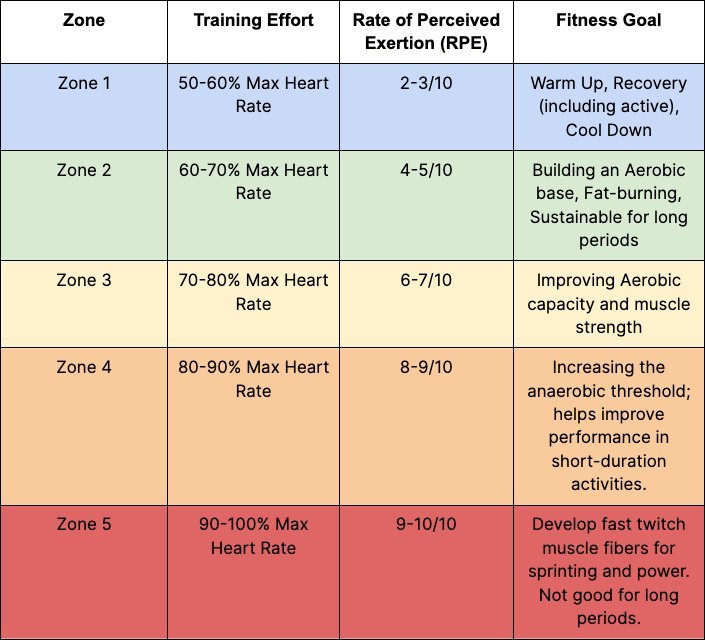
Before diving into Zone 1 and Zone 2, it’s important to understand what heart rate zones are. Your heart rate zone indicates how hard your heart is working during exercise. These zones are typically calculated as percentages of your maximum heart rate (MHR).
– Maximum Heart Rate (MHR): The highest number of times your heart can beat per minute during maximum effort. You can estimate your MHR with the simple formula: 220 minus your age.
– Heart Rate Zones: Range of heartbeats per minute that correspond to different levels of exercise intensity.
The five commonly recognized zones are:
- Zone 1: Very light effort – 50% to 60% of MHR
- Zone 2: Light effort – 60% to 70% of MHR
- Zone 3: Moderate effort – 70% to 80% of MHR
- Zone 4: Hard effort – 80% to 90% of MHR
- Zone 5: Maximum effort – 90% to 100% of MHR
This article focuses on the differences between Zone 1 and Zone 2, which fall into the lower end of the effort spectrum, making them ideal for building base endurance and enhancing recovery.
Understanding Zone 1 Cardio
What Is Zone 1?
Zone 1 cardio is the lightest level of exercise, often described as a gentle walk or slow bike ride. At this level, your breathing is easy, and you can carry on a conversation comfortably. It’s sometimes called the “super light” zone because your body feels relaxed.
How to Identify Zone 1
You can determine if you’re working in Zone 1 by:
- Checking your heart rate: It should be between 50% and 60% of your MHR.
- Feeling your effort: You should feel like you’re doing very little work.
- Breathing: Light and easy, with no noticeable breathlessness.
A simple method is to measure your pulse during activity or use a heart rate monitor.
Benefits of Zone 1 Cardio
Zone 1 offers several benefits that can help your overall fitness:
- Supports Recovery: Ideal for active recovery days after harder workouts, helping muscles heal without adding stress.
- Builds Endurance: Lays the groundwork for longer workouts by increasing your body’s efficiency at burning fat.
- Reduces Stress: Keeps exercise light and enjoyable, making it easier to stick to a routine.
- Prevents Injury: Low-impact activity minimizes the risk of strains or overuse injuries.
This zone is perfect for beginners or those looking to maintain a low-impact movement routine.
Understanding Zone 2 Cardio
What Is Zone 2?
Zone 2 is still considered a light effort but slightly more strenuous than Zone 1. It’s often associated with a brisk walk, easy jog, or steady bike ride. Your breathing becomes a bit deeper, but you can still hold a conversation.
How to Identify Zone 2
You can determine if you’re in Zone 2 by:
- Monitoring your heart rate: Between 60% and 70% of your MHR.
- Assessing exertion: Breathing feels deeper but manageable.
- Talking: Able to speak in full sentences, but without feeling out of breath.
Wearing a heart rate monitor or fitness tracker can help keep you within the correct target.
Benefits of Zone 2 Cardio
Zone 2 provides a range of important health benefits:
- Enhances Fat Burning: Your body becomes more efficient at using fat as fuel, aiding weight management.
- Builds Aerobic Capacity: Increases your cardiovascular endurance, enabling you to exercise longer without fatigue.
- Improves Mitochondrial Health: Boosts the efficiency of your cells to produce energy, leading to better stamina.
- Prepares for Higher Intensity: Serves as a foundation for more vigorous workouts by strengthening your heart and lungs.
Incorporating Zone 2 into your routine can help you sustain longer workouts and improve overall fitness levels without overexerting yourself.
Comparing Zone 1 and Zone 2 Cardio
Intensity Levels
The primary difference between Zone 1 and Zone 2 lies in exercise intensity:
| Feature | Zone 1 | Zone 2 |
|---|---|---|
| Effort | Very light | Light |
| Heart Rate | 50-60% of MHR | 60-70% of MHR |
| Breathing | Easy and relaxed | Deep but manageable |
| Talking | Fully comfortable | Full sentences possible |
Goals and Usage
Both zones serve different goals:
- Zone 1: Focuses on recovery, maintaining general health, and warming up or cooling down.
- Zone 2: Builds endurance, improves fat metabolism, and enhances overall cardiovascular health.
Incorporating Both Zones in Your Routine
For balanced fitness, it’s wise to include both zones in your weekly plan:
- Use Zone 1 for active recovery days or light activity days.
- Use Zone 2 for longer, steady-state workouts aimed at building endurance.
- Alternate between zones based on your goals and fatigue levels.
Practical Tips for Training in Zone 1 and Zone 2
Tracking Your Heart Rate
Maintaining the right exercise zone starts with accurate monitoring:
- Use a heart rate monitor or fitness tracker for real-time data.
- Check your pulse manually if needed—place your fingers on your wrist or neck, count beats for 15 seconds, then multiply by four.
- Pay attention to how you feel; if you’re gasping or unable to speak, you might be in a higher zone.
Choosing the Right Activities
Both zones are suitable for various types of exercises:
- Walking or slow jogging are perfect for Zone 1 and Zone 2.
- Cycling, swimming, or elliptical machines can also be great options.
- Keep intensity steady, especially when targeting Zone 2, for sustained periods like 30 minutes or more.
Balancing Your Cardio Workouts
A well-rounded cardio routine balances different zones:
- Schedule recovery and Zone 1 activities on rest days or after intense workouts.
- Allocate specific sessions for Zone 2 to enhance endurance and fat burning.
- Mix in higher zones occasionally for interval training and improving overall fitness.
Understanding the differences between Zone 1 and Zone 2 cardio helps you plan workouts that align with your fitness goals. Whether you want a gentle way to recover, improve endurance, or burn fat more efficiently, both zones play important roles in a balanced exercise routine. By paying attention to your heart rate and choosing the right activities, you can make your workouts more effective, enjoyable, and safe. Remember to listen to your body and gradually build your effort levels over time, creating sustainable habits that support your health journey.
Frequently Asked Questions
How does exercising in zone 1 benefit overall recovery?
Exercising in zone 1 promotes active recovery by increasing blood flow without causing significant fatigue. It helps remove metabolic waste from muscles and supplies essential nutrients, which accelerates the recovery process after intense workouts. Incorporating zone 1 sessions can also reduce muscle soreness and prepare your body for more demanding training sessions.
What are the typical duration and intensity of workouts in zone 2?
Workouts in zone 2 usually last between 30 to 60 minutes, depending on your fitness level and goals. The intensity is moderate, allowing you to maintain a conversation comfortably. This level of effort improves endurance and aerobic capacity while minimizing fatigue, making it ideal for building a solid aerobic base.
Can combining zone 1 and zone 2 training improve athletic performance?
Yes, integrating both zone 1 and zone 2 workouts enhances overall endurance, recovery, and aerobic efficiency. Zone 1 helps with recovery and low-intensity endurance, while zone 2 builds a strong aerobic foundation. Alternating between these zones ensures balanced training, reduces injury risk, and supports sustained performance over time.
How do the energy systems differ between zone 1 and zone 2?
Zone 1 primarily utilizes fat as the main fuel source, relying on the aerobic system for energy production. It emphasizes low-intensity activity that supports recovery and fat burning. In contrast, zone 2 still depends on aerobic metabolism but engages a higher proportion of carbohydrate utilization, enabling longer sustained efforts with increased metabolic efficiency.
What are signs that I am training at the correct intensity in each zone?
When training in zone 1, you should feel relaxed, with easy breathing and the ability to hold a conversation comfortably. During zone 2, breathing becomes more noticeable but still manageable, and you should be able to speak in sentences without gasping. Monitoring your heart rate with a device can help ensure you’re maintaining the appropriate intensity for each zone.
Final Thoughts
In conclusion, understanding the differences between zone 1 vs zone 2 cardio helps tailor your workout to your goals. Zone 1 offers gentle activity ideal for recovery, while zone 2 enhances endurance through moderate effort. Both zones play a vital role in a balanced fitness routine. Choosing the right zone depends on your specific needs and training objectives.
As an Amazon Associate, We earn from qualifying purchases. When you purchase a product through Amazon links on pulsefitguide.com, we may earn a small commission at no extra cost to you. This helps support the site and keep our content free.
