


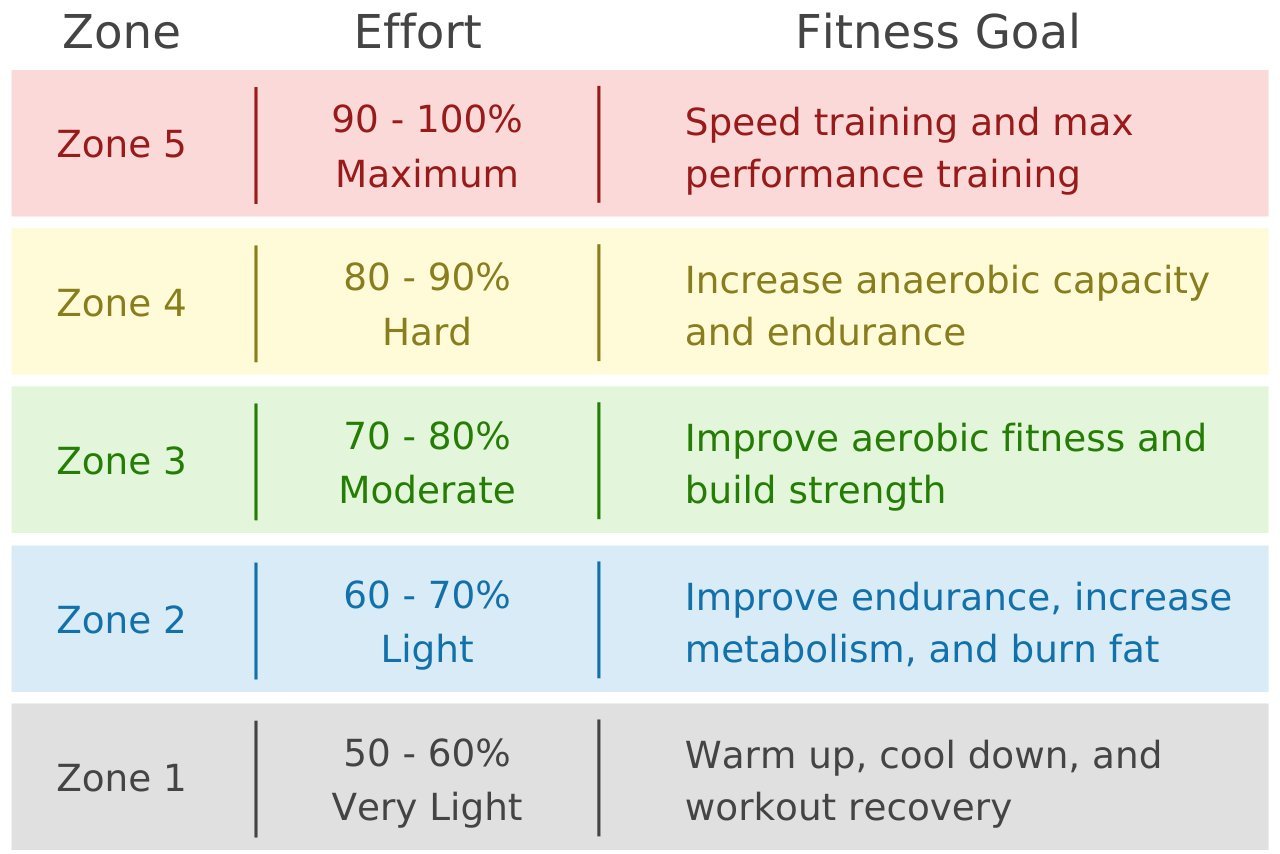
A zone 2 cardio calculator helps you find your ideal training zone for optimal fat burning and endurance building. **It determines your heart rate range based on age and fitness level.** Using this tool ensures your workouts stay effective without overexertion. With a clear understanding of your zone 2 heart rate, you can focus on consistent, sustainable progress. This makes training more enjoyable and tailored to your personal goals.

Understanding the Zone 2 Cardio Calculator and Its Benefits
When you want to improve your health through exercise, it’s important to know how hard your body is working. The zone 2 cardio calculator helps you do just that by showing the ideal heart rate range for light to moderate exercise. This tool makes it simple to stay in a safe and effective heart rate zone, especially if you’re new to fitness or aiming for specific health goals.
In this section, we’ll explore what a zone 2 cardio calculator is, how it works, and why it’s a valuable tool for your workout sessions. Understanding this can help you make the most of your exercise routine, whether you’re walking, cycling, or doing any cardio activity.
What Is a Zone 2 Cardio Calculator?
A zone 2 cardio calculator is a tool that estimates your target heart rate range for zone 2 training. Zone 2 refers to a level of exercise intensity where your heart beats faster than resting but is still comfortable enough to hold a conversation. This is often called the “fat-burning zone” because your body efficiently uses fat for energy during this level of effort.
This calculator considers factors like your age, maximum heart rate, and resting heart rate to determine your personal heart rate zones. Once you input your details, it gives you a range of beats per minute (bpm) to aim for during your workout. Staying within this zone helps you get the benefits of improved endurance and cardiovascular health without overexerting yourself.
How Does the Calculating Process Work?
The calculation is based on a simple formula, often the Heart Rate Reserve (HRR) method. Here’s how it works:
- First, determine your maximum heart rate (HRmax). This can be calculated by subtracting your age from 220.
- Next, find your resting heart rate (RHR). This is the number of beats per minute when you are completely at rest.
- Subtract your RHR from your HRmax to find your Heart Rate Reserve (HRR).
- Use the following formula to determine your zone 2 target range:
- Lower limit: (HRR x 0.50) + RHR
- Upper limit: (HRR x 0.70) + RHR
This calculation ensures that you exercise at a level that is challenging but sustainable, promoting fat burning and endurance building.
Why Use a Zone 2 Cardio Calculator?
Using a zone 2 cardio calculator offers multiple benefits for your fitness journey:
- Personalized Workout Intensity: It helps you tailor your workouts to your age and fitness level, making sure you’re exercising at the right intensity.
- Safety: Staying within your heart rate zone reduces the risk of overexertion and injury.
- Efficiency: Exercising at the correct intensity maximizes fat burning and improves cardiovascular health.
- Progress Monitoring: It makes it easier to track your improvements over time, as you might notice your heart rate responses change with increased fitness.
By sticking to your zone 2 target range, you can build endurance steadily without feeling overly exhausted after each workout.
Factors That Affect Your Heart Rate Zones
While the calculator provides a good baseline, several factors can influence your actual heart rate zones. Understanding these can help you adjust your efforts appropriately.
Age
Your age is the most common factor used in calculations, but it’s also important to remember that aerobic capacity can vary between individuals of the same age.
Fitness Level
More fit individuals tend to have a lower resting heart rate and might require adjustments to their target zones for optimal training.
Medication
Some medications, especially those affecting the heart like beta-blockers, can lower your maximum heart rate and alter your typical heart rate zones.
Environmental Conditions
Hot or humid weather can cause your heart rate to increase even at lower levels of effort, so consider these factors when training outdoors.
How to Use the Zone 2 Cardio Calculator Effectively
To make the most out of your zone 2 training, follow these steps:
- Calculate your personal heart rate zone: Use your age and resting heart rate to find your zone 2 range with the calculator.
- Warm up properly: Spend 5-10 minutes performing light activity to prepare your body for exercise.
- Monitor your heart rate: Use a heart rate monitor or smartwatch to stay within your target zone during workouts.
- Adjust intensity as needed: If your heart rate is too high or too low, modify your pace or resistance to stay in zone 2.
- Consistency is key: Regular workouts in zone 2 will steadily improve your endurance and overall health.
Over time, you may notice your heart rate at a given pace decreases, indicating improved fitness.
Tools and Devices to Help Track Heart Rate
Modern technology makes tracking your heart rate easier than ever:
- Heart rate monitors: Chest straps provide the most accurate readings, suitable for serious training.
- Smartwatches and fitness bands: Many wearable devices include heart rate sensors that allow continuous monitoring during workouts.
- Mobile apps: Couple these devices with apps to record and analyze your heart rate data over time.
Choosing the right tool depends on your fitness level and how precise you want your measurements to be.
Common Mistakes to Avoid with Heart Rate Zones
Even with a good calculator, some common mistakes can limit your results:
- Ignoring your resting heart rate: Not measuring this regularly can lead to inaccurate zone calculations.
- Pushing too hard: Exercising above your zone 2 during long workouts can cause fatigue and reduce fat-burning efficiency.
- Not warming up: Skipping warm-up can lead to inaccurate heart rate readings and increase injury risk.
- Not listening to your body: If you feel dizziness or chest pain, stop exercising immediately and consult a healthcare professional.
Remember, consistency and listening to your body are the secrets to successful cardio training.
Summary
A zone 2 cardio calculator is an easy-to-use tool that helps you identify the perfect heart rate range for moderate exercise. By calculating your personal target zone based on your age and resting heart rate, you can improve endurance, burn fat efficiently, and stay safe during workouts. Using a heart rate monitor or smartwatch makes it simple to stay within your zone, ensuring each session brings you closer to your fitness goals.
Whether you’re just starting out or already active, integrating zone 2 training into your routine can make a big difference. Keep track of your progress, stay consistent, and always listen to your body. With these steps, reaching your health and fitness goals becomes a much more enjoyable and sustainable journey.
Frequently Asked Questions
How can I determine my ideal heart rate range for zone 2 cardio?
To find your ideal heart rate for zone 2 cardio, start by calculating your maximum heart rate, typically by subtracting your age from 220. Then, multiply that number by 0.60 and 0.70 to find the lower and upper limits of your zone 2 heart rate. Maintaining your heart rate within this range ensures you engage in effective fat-burning and endurance-building exercise without overexertion.
What are the benefits of training specifically in zone 2?
Training in zone 2 enhances cardiovascular efficiency, improves fat metabolism, and increases muscular endurance. This zone allows you to perform longer workouts with less fatigue, helping build a strong aerobic base. It also promotes recovery and reduces the risk of injury by avoiding excessive strain during exercise sessions.
Can I customize the zone 2 cardio calculator for different fitness levels?
Yes, many zone 2 calculators allow adjustments based on your fitness level, age, and training goals. By inputting personal data, you can receive tailored heart rate ranges that suit beginners, intermediate athletes, or seasoned competitors. Customization helps optimize your workout intensity and ensures consistent progress over time.
How often should I use a zone 2 cardio calculator to monitor my progress?
Using the calculator every few weeks helps track your training adaptation and ensure you remain within your target heart rate zone. Regular monitoring allows you to make necessary adjustments to your workout intensity, especially as your fitness improves or if your goals change.
What equipment do I need to accurately measure my heart rate during zone 2 workouts?
You can measure your heart rate using a dedicated heart rate monitor, fitness tracker, or a smartwatch equipped with heart rate sensors. Alternatively, manual methods like taking your pulse at the wrist or neck work, but electronic devices provide real-time feedback and greater accuracy during workouts, making it easier to stay in zone 2.
Final Thoughts
A zone 2 cardio calculator helps you find the ideal heart rate zone for effective, sustainable exercise. By tracking this zone, you can improve your endurance and overall fitness levels. Using such a calculator ensures your workouts stay targeted and efficient. Incorporating zone 2 cardio into your routine boosts long-term health benefits and keeps training enjoyable.
As an Amazon Associate, We earn from qualifying purchases. When you purchase a product through Amazon links on pulsefitguide.com, we may earn a small commission at no extra cost to you. This helps support the site and keep our content free.
