


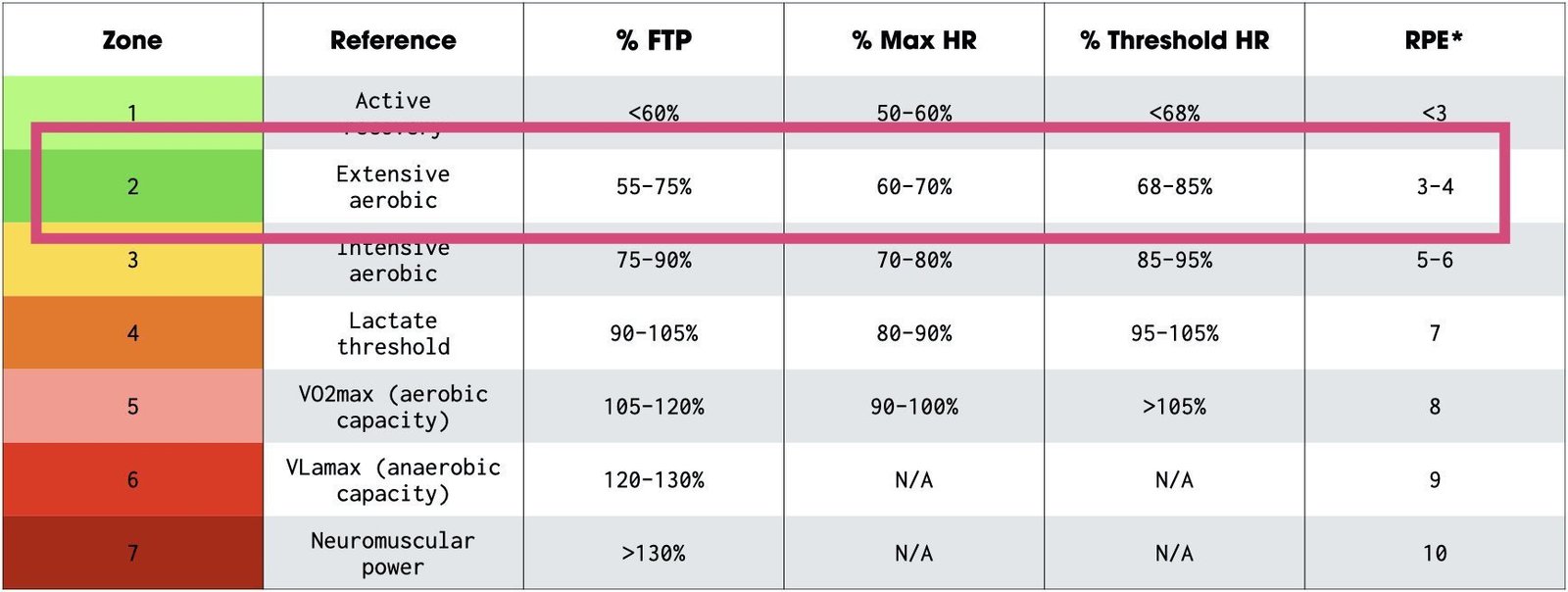
Zone 2 cardio training offers an ideal way to improve endurance and burn fat efficiently. **It involves maintaining a moderate intensity level where your heart rate stays within a specific range.** This method keeps you moving comfortably while maximizing cardiovascular benefits. Whether you’re new to exercise or aiming to enhance your stamina, incorporating zone 2 into your routine provides a sustainable and effective approach. With consistent effort, you’ll notice increased energy levels and better overall fitness. Focus on steady, rhythmic activity, and enjoy the gradual improvements that come with zone 2 cardio training.

In-depth Exploration of Zone 2 Cardio Training
When it comes to improving your overall fitness, cardiovascular health, and endurance, zone 2 cardio training plays a vital role. Many athletes and fitness enthusiasts focus on high-intensity workouts, but zone 2 training offers its unique benefits. It is a gentle yet powerful way to build a solid aerobic base, burn fat efficiently, and enhance recovery. Understanding the nuances of zone 2 cardio can help you craft an effective workout plan tailored to your goals and fitness level.
What Is Zone 2 Cardio Training?
Before jumping into the specifics, it’s essential to know what zone 2 cardio really means. Your heart rate zones categorize exercise intensity based on how hard your heart works during activity. These zones are usually calculated as a percentage of your maximum heart rate.
- Zone 2: This is a moderate-intensity level, generally around 60-70% of your maximum heart rate. It is often called the “fat-burning zone” because of the body’s increased reliance on fat as an energy source during this activity.
- Why it matters: Exercising in zone 2 allows your body to improve its efficiency in using oxygen, which is essential for endurance and overall cardiovascular health.
To determine your zone 2 heart rate, you can use simple formulas or heart rate monitors. Most people can also estimate their maximum heart rate by subtracting their age from 220. For example, a 30-year-old would have an estimated maximum heart rate of 190 beats per minute (bpm). Applying this, zone 2 would be approximately 114 to 133 bpm.
The Benefits of Zone 2 Cardio Cardio Training
Spending time exercising within zone 2 offers a wide array of health and fitness benefits. Here’s a detailed look at some of the most significant advantages:
Enhanced Fat Burning and Weight Management
When you exercise in zone 2, your body prefers using fat as its primary fuel source. This process makes zone 2 ideal for those aiming to reduce body fat or maintain a healthy weight. Over time, consistent zone 2 training can help your body become better at tapping into fat stores, leading to more efficient energy use during both workouts and daily activities.
Improved Cardiovascular Health
Regularly working out in this zone strengthens your heart muscle, improves blood circulation, and boosts your lung capacity. These enhancements reduce the risk of heart disease, stroke, and other cardiovascular issues. Plus, it helps lower blood pressure and improves overall circulation.
Building Aerobic Endurance
Zone 2 workouts help develop your aerobic capacity, allowing you to perform longer with less fatigue. This foundation is vital for athletes or anyone wanting to engage in sustained physical activity, like hiking, cycling, or long-distance running.
Faster Recovery and Reduced Injury Risk
Since zone 2 training is not overly intense, it puts less stress on your joints, muscles, and nervous system. This makes it a perfect recovery workout after high-intensity sessions, reducing the risk of injury and overtraining.
Boosted Metabolism and Mental Well-being
Prolonged moderate exercise increases your metabolic rate, helping you burn more calories even after your workout ends. Additionally, zone 2 training can improve mental health by reducing stress, increasing endorphin levels, and providing a mindful, calming experience.
How to Incorporate Zone 2 Cardio into Your Routine
Getting started with zone 2 cardio involves understanding your target heart rate and choosing suitable activities. Here are practical steps to integrate zone 2 sessions effectively:
Determine Your Heart Rate Zones
Use a heart rate monitor or fitness tracker to keep track of your heart rate during exercise. Calculate your maximum heart rate and then determine your zone 2 range:
| Age | Estimated Max Heart Rate | Zone 2 Range (60-70%) |
|---|---|---|
| 25 | 195 bpm | 117-137 bpm |
| 35 | 185 bpm | 111-130 bpm |
| 45 | 175 bpm | 105-123 bpm |
| 55 | 165 bpm | 99-115 bpm |
| 65 | 155 bpm | 93-109 bpm |
Choose Suitable Activities
Zone 2 training can be performed with various exercises that keep your heart rate within the target zone. Some options include:
- Walking briskly
- Jogging or light running
- Cycling at a steady pace
- Swimming laps at a moderate speed
- Rowing at an easy to moderate intensity
Structuring Your Workouts
For beginners, start with sessions lasting 30 minutes, and gradually increase to 45-60 minutes as your endurance builds. You can incorporate zone 2 workouts into your routine 3-5 times a week for balanced training.
Monitoring and Adjusting Intensity
Keep a close eye on your heart rate during workouts. If it drops below or rises above your target zone, adjust your pace. The goal is to maintain a steady effort that feels sustainable and comfortable.
Creating a Balanced Cardio Program
While zone 2 provides numerous benefits, it should be part of a diversified training plan. Combining different intensity levels can optimize overall fitness:
- High-Intensity Intervals: Short bursts of maximum effort followed by recovery periods boost speed and power.
- Zone 2 Cardio: Focused on building endurance, fat burning, and recovery.
- Strength Training: Adds muscle mass, enhances metabolism, and improves functional strength.
Alternating between these types ensures a balanced approach, preventing boredom and promoting well-rounded fitness gains.
Common Challenges and How to Overcome Them
Many people face hurdles when incorporating zone 2 exercises, like maintaining a consistent pace or finding the right motivation. Here are some tips to stay on track:
Set Realistic Goals
Start with manageable workout durations and gradually increase as you build endurance. Celebrate small achievements to stay motivated.
Use Technology
Heart rate monitors, fitness apps, and wearable devices help you stay within your target zone and make workouts more engaging and measurable.
Make It Enjoyable
Choose activities you genuinely enjoy. Listening to music, exercising outdoors, or exercising with friends can make zone 2 sessions more fun and sustainable.
Tracking Progress and Adjustments
To see how well your training works, keep a workout journal or track your metrics digitally. Notice improvements in endurance, recovery, and overall well-being. Adjust your workout frequency, duration, or intensity based on your progress and goals.
In conclusion, zone 2 cardio training offers a simple yet effective way to stay healthy and fit. By understanding its benefits and learning how to incorporate it into your routine, you can build a strong foundation for a lifelong healthy lifestyle. Remember, consistency is key, and even moderate efforts bring meaningful results over time. Keep moving, stay motivated, and enjoy the journey toward better health through zone 2 exercises.
Frequently Asked Questions
How can I tell if I am exercising within my zone 2 heart rate range?
To determine if you’re exercising within your zone 2 heart rate, first calculate your maximum heart rate by subtracting your age from 220. Then, aim to maintain your heart rate at about 60-70% of this maximum during your workout. Wearing a heart rate monitor can help you stay within this range, ensuring you’re training effectively without overexertion.
What are the typical benefits of incorporating zone 2 cardio into my routine?
Including zone 2 cardio in your workout can improve your cardiovascular efficiency and endurance. It promotes fat burning, supports muscle recovery, and helps build a strong aerobic base. Over time, this type of training can enhance overall stamina and make higher-intensity activities feel easier.
What types of exercises are most effective for zone 2 training?
Activities like brisk walking, cycling at a moderate pace, swimming, or using an elliptical trainer work well for zone 2 training. The key is to choose exercises that you can maintain steadily for an extended period, keeping your heart rate within the targeted zone without feeling overly exhausted.
How long should a typical zone 2 cardio session last?
A standard session for zone 2 cardio usually lasts between 30 and 60 minutes. Starting with shorter durations and gradually increasing as your fitness improves allows your body to adapt and maximizes endurance benefits without causing fatigue or injury.
Can I combine zone 2 cardio with other workout intensities in my training plan?
Yes, mixing zone 2 cardio with higher-intensity workouts creates a well-rounded fitness plan. Incorporating intervals, strength training, and rest days complements your aerobic base, improves overall performance, and reduces the risk of overtraining by providing variety and appropriate recovery periods.
Final Thoughts
Zone 2 cardio training offers an effective way to improve endurance and burn fat efficiently. It keeps your heart rate in a moderate range, making workouts sustainable and less taxing. Incorporating this type of cardio into your routine enhances overall fitness without overexertion. Consistent zone 2 training builds a strong foundation for more intense exercise and long-term health benefits.
As an Amazon Associate, We earn from qualifying purchases. When you purchase a product through Amazon links on pulsefitguide.com, we may earn a small commission at no extra cost to you. This helps support the site and keep our content free.
