


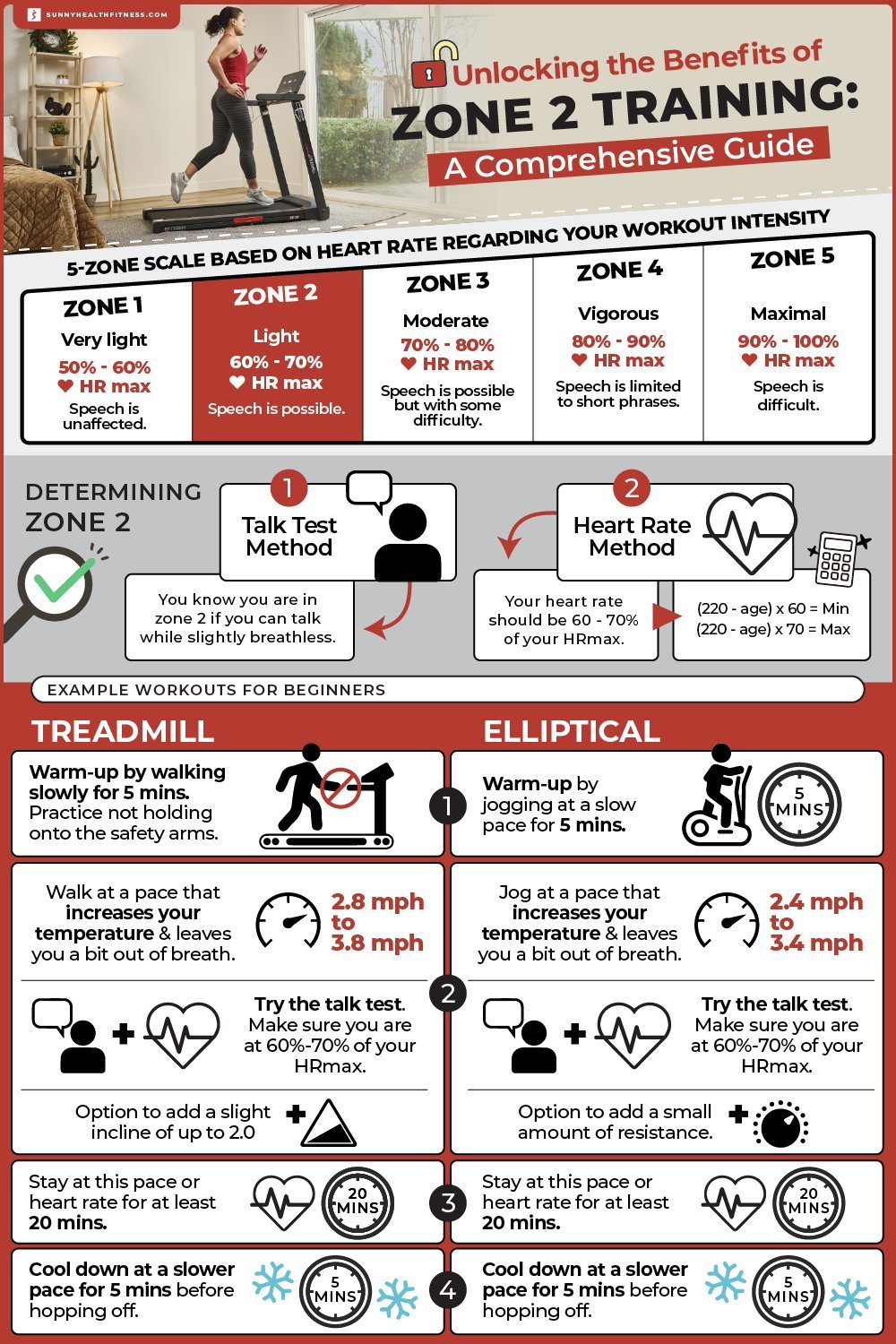
A zone 2 cardio workout is an excellent way to boost endurance and burn fat efficiently. **It involves maintaining your heart rate at about 60-70% of your maximum, ensuring a sustainable pace.** This type of training keeps you in a comfortable zone, making cardio sessions feel less exhausting but highly beneficial. Engaging in regular zone 2 workouts can improve your overall stamina without risking burnout. If you’re seeking a practical, effective way to enhance long-term fitness, zone 2 cardio workout provides the perfect solution.

Understanding the Zone 2 Cardio Workout
When you think of exercise, you might picture running fast or lifting heavy weights. But there’s a special kind of workout called the Zone 2 cardio workout that can be just as powerful for your health. This type of workout focuses on a moderate level of effort that keeps your heart rate in a specific range. In this article, we will explore everything you need to know about Zone 2 cardio workouts, including what they are, how to do them, and the many benefits they offer. Whether you’re new to exercise or looking to add variety to your routine, understanding Zone 2 cardio can help you reach your fitness goals in a gentle yet effective way.
What Is Zone 2 Cardio?
Zone 2 cardio refers to exercising at a pace where your heart beats at about 60 to 70 percent of its maximum. This is considered a moderate level of effort, meaning you can still carry on a conversation while exercising. Think of it as a comfortably brisk walk or a slow jog. When you are in Zone 2, you are working hard enough to get your heart pumping but not so hard that you’re out of breath or exhausted.
Imagine your heart is a car engine. Zone 2 is like driving at a steady, moderate speed — not idling, but not racing either. This level of effort helps your body burn fat more efficiently and improves your overall endurance. It’s gentle enough to do for a long time but effective enough to make a difference in your health.
Why Is Zone 2 Cardio Important?
Many people focus on high-intensity workouts, but Zone 2 cardio offers unique benefits that shouldn’t be overlooked. Here are some reasons why including Zone 2 workouts in your routine can be beneficial:
- Enhances fat burning: Because your body uses fat as its main fuel source in Zone 2, it helps with weight management and fat loss.
- Builds endurance: Regular moderate exercise increases your stamina, so you can do physical activities for longer periods.
- Improves heart health: Keeping your heart in a healthy zone reduces the risk of cardiovascular problems.
- Reduces stress: Low to moderate exercise can boost your mood and help you feel calmer.
- Increases workout consistency: Because Zone 2 workouts are not too tiring, it’s easier to stick with them regularly.
Including Zone 2 cardio in your weekly fitness plan can make a big difference over time. It helps your body become more efficient at using oxygen and fuels your workouts without burning out too quickly.
How to Find Your Heart Rate Zone
Before you start, it’s important to know your heart rate zones. Your heart beats faster during exercise, and different exercises target different zones. To find your Zone 2, follow these steps:
Calculate Your Maximum Heart Rate
The simplest way to estimate your maximum heart rate (HRmax) is to subtract your age from 220. For example, if you are 35 years old:
- 220 – 35 = 185 beats per minute (bpm)
Determine Your Zone 2 Range
Once you have your HRmax, calculate 60 to 70 percent of that number:
- If HRmax is 185 bpm:
- 60% of 185 = 111 bpm
- 70% of 185 = 130 bpm
> So, your Zone 2 target heart rate range is roughly 111 to 130 bpm.
Using a Heart Rate Monitor
A heart rate monitor, fitness tracker, or smartwatch can make staying in Zone 2 easier. These devices provide real-time feedback, so you can adjust your effort to stay within the target heart rate zone during your workout.
Examples of Zone 2 Cardio Exercises
You don’t need fancy equipment or intense routines to get into Zone 2. Here are some simple and effective exercises:
Walking
Walking at a brisk pace, especially on hills or uneven terrain, can easily keep your heart in Zone 2. It’s accessible, low-impact, and good for all fitness levels.
Jogging or Light Running
If you’re comfortable with running, a slow jog is perfect for hitting Zone 2. Keep your pace steady and comfortable so you can talk without gasping for air.
Cycling
Riding a bike at a moderate pace, whether outdoors or on a stationary bike, is a great way to reach Zone 2. Adjust your resistance or speed to maintain your target heart rate.
Swimming
Swim laps at a steady, manageable pace in the pool. Swimming is joint-friendly and perfect for people with joint pain or arthritis.
Rowing or Elliptical
Using a rowing machine or elliptical trainer allows you to control your intensity easily. Keep your effort consistent to stay in Zone 2.
How Long Should You Stay in Zone 2?
The ideal duration for Zone 2 workouts depends on your fitness level and goals. For beginners, starting with 20 to 30 minutes per session is a good idea. More experienced exercisers might aim for 45 minutes to an hour.
A general recommendation is to aim for at least three to five sessions per week. Consistency is key to building endurance and reaping health benefits. Remember, it’s better to exercise at a moderate pace for longer than to push too hard for a short period.
Tips for Effective Zone 2 Cardio Workouts
To get the most out of your Zone 2 workouts, consider these helpful tips:
- Warm up and cool down: Spend 5 to 10 minutes warming up before starting and cooling down afterward. This reduces injury risk and prepares your body for exercise.
- Stay hydrated: Drink water before, during, and after exercise.
- Listen to your body: If you feel dizzy, overly tired, or out of breath, slow down or stop. It’s important to exercise within your limits.
- Mix it up: Incorporate different exercises to prevent boredom and ensure balanced fitness.
- Use proper gear: Wear comfortable shoes and clothing suitable for your chosen activity.
Combining Zone 2 Cardio with Other Workouts
While Zone 2 cardio offers many benefits, it works best when combined with other types of exercise, like strength training and flexibility exercises. A balanced fitness routine includes:
- Strength training to build muscle and support joint health
- Flexibility exercises like stretching or yoga to improve mobility
- High-intensity workouts for improved speed and power
Balancing these different workout types can lead to overall better fitness and health.
Common Mistakes to Avoid
Even with good intentions, some people fall into traps that can hinder their progress. Watch out for these common mistakes:
- Not finding the right effort level: Exercising too hard or too easy can prevent you from staying in Zone 2. Use a heart rate monitor to stay accurate.
- Skipping warm-up or cool-down: Jumping into high effort without warming up can cause injuries.
- Overdoing it: Exercising every day without rest can lead to fatigue and burnout. Allow your body to recover.
- Ignoring hydration and nutrition: Proper fueling supports longer and more effective workouts.
This awareness helps you stay safe and get the best results from your Zone 2 efforts.
Adding Zone 2 cardio workouts to your routine can boost your health in a sustainable and enjoyable way. It’s accessible to most people, even beginners, and provides important benefits like better fat burning, increased endurance, and improved heart health. Remember to monitor your heart rate, choose exercises you enjoy, and keep your effort moderate. Consistency is key — the more you practice, the healthier you’ll become. Whether you prefer walking, cycling, or swimming, Zone 2 workouts fit easily into everyday life. Make them a regular part of your routine, and over time, you will notice positive changes in your energy levels, mood, and overall fitness.
Frequently Asked Questions
What are the benefits of incorporating zone 2 cardio into my workout routine?
Including zone 2 cardio helps improve your aerobic capacity, increases fat-burning efficiency, and enhances endurance. It also promotes better cardiovascular health without putting excessive strain on your joints or muscles, making it suitable for various fitness levels.
How can I accurately determine if I am exercising in zone 2?
You can measure your heart rate and ensure it remains between 60% and 70% of your maximum heart rate. Using a heart rate monitor or fitness tracker makes tracking easier. Alternatively, you should be able to carry on a conversation comfortably while maintaining this intensity.
What types of activities are most effective for zone 2 cardio workouts?
Activities like brisk walking, easy jogging, cycling, swimming, or rowing work well for zone 2 cardio. The key is to engage in these exercises at a steady, moderate pace that elevates your heart rate into the target zone without pushing into higher intensities.
How often should I include zone 2 cardio sessions in my weekly plan?
For optimal benefits, aim for 3 to 5 sessions per week, each lasting between 30 to 60 minutes. Consistency is key to building endurance and improving overall cardiovascular health through sustained moderate-intensity exercise.
Can beginners safely perform zone 2 cardio workouts?
Yes, beginners can safely perform zone 2 cardio by starting with shorter sessions and gradually increasing duration and intensity. It’s important to listen to your body and avoid pushing to fatigue, ensuring a comfortable and sustainable exercise routine.
Final Thoughts
A zone 2 cardio workout effectively improves cardiovascular health and builds endurance. It keeps you within a comfortable effort level, allowing sustained activity without fatigue. Incorporating this workout into your routine boosts recovery and enhances overall fitness. Focusing on zone 2 ensures consistent progress and long-term health benefits.
As an Amazon Associate, We earn from qualifying purchases. When you purchase a product through Amazon links on pulsefitguide.com, we may earn a small commission at no extra cost to you. This helps support the site and keep our content free.
