


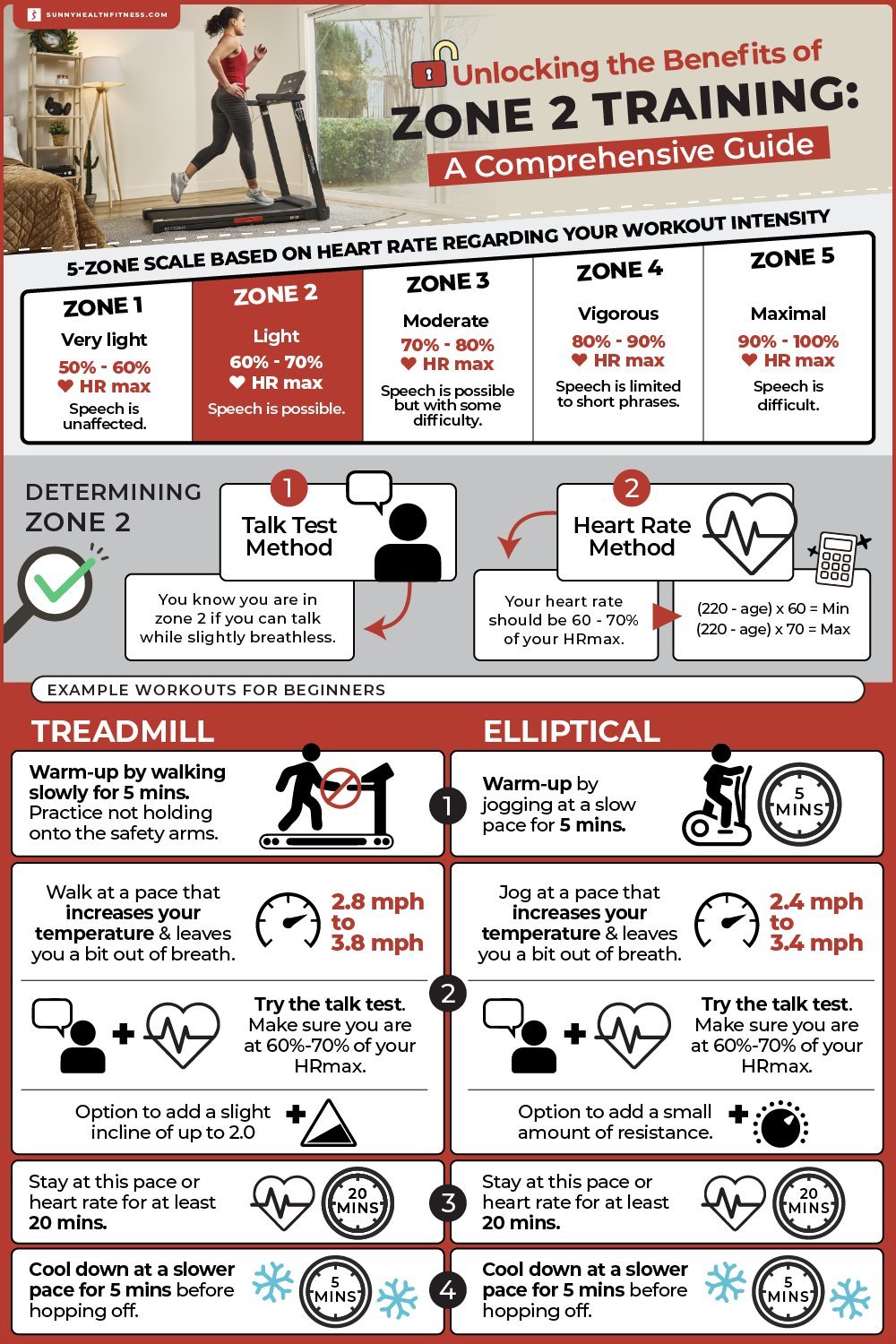
If you’re seeking a sustainable way to improve stamina and burn fat, zone 2 cardio workouts are an excellent choice. **This involves exercising at a moderate intensity where your heart rate stays between 60-70% of its maximum.** These workouts are perfect for building endurance and enhancing overall fitness without overexertion.
Getting started is simple—just maintain a pace where you can hold a conversation comfortably. Incorporate zone 2 cardio into your routine, and you’ll notice steady progress in your fitness level and energy.

All About Zone 2 Cardio Workouts
Many people talk about different ways to get fit and stay healthy, and one popular method is doing zone 2 cardio workouts. But what exactly are these workouts, and why are they so important? This part of exercise focuses on keeping your heart rate in a specific range, which offers many benefits. Whether you’re just starting out or are a seasoned athlete, understanding zone 2 cardio can help you improve your fitness and enjoy your workouts more.
What Is Zone 2 Cardio?
Zone 2 cardio is a way of exercising where your heart beats at a particular intensity. To understand this better, think about your heart rate zones, which are ranges indicating how hard your heart is working during exercise. Typically, five heart rate zones exist, from very light activity to maximum effort. Zone 2 is considered a light to moderate effort, where your breathing is steady, and you can carry on a conversation without too much trouble.
In terms of heart rate percentages, zone 2 usually falls between 60% and 70% of your maximum heart rate. For example, if your maximum heart rate is 180 beats per minute, your zone 2 would be roughly between 108 and 126 beats per minute. This range is ideal for building endurance, burning fat, and improving overall health.
Why Is Zone 2 Cardio Important?
This type of cardio exercise offers several benefits, making it a favorite among fitness enthusiasts and health experts alike. Here are some key reasons why zone 2 cardio matters:
- Enhances Fat Burning: When you exercise in zone 2, your body becomes efficient at using fat for energy. This helps with weight management and reduces body fat over time.
- Builds Endurance: Regular zone 2 workouts strengthen your heart and lungs, allowing you to exercise longer without getting tired.
- Improves Cardiovascular Health: Keeping your heart rate in this range supports heart health by increasing circulation and boosting the strength of your heart muscle.
- Low Impact and Enjoyable: Because the effort level is moderate, zone 2 workouts are easier on your joints and less tiring, making them accessible for people of all fitness levels.
- Supports Recovery: Zone 2 exercise can be part of your recovery routine, helping to flush out lactic acid and reduce soreness after intense workouts.
How to Find and Maintain Your Zone 2 Heart Rate
Knowing how to measure your heart rate during exercise will help you stay within zone 2. Here are some simple steps:
- Calculate Your Max Heart Rate: The most common way is to subtract your age from 220. For example, a 30-year-old’s max heart rate is roughly 190 beats per minute.
- Determine Your Zone 2 Range: Multiply your max heart rate by 0.6 and 0.7 to find the lower and upper limits. For the 30-year-old example: between 114 and 133 beats per minute.
- Use a Heart Rate Monitor or Fitness Tracker: Wear a device that continuously tracks your heart rate during workouts. Many smartwatches and fitness bands have this feature.
- Monitor Your Breathing and Talk Test: If you’re able to hold a conversation without gasping, you’re likely in zone 2.
Popular Zone 2 Cardio Activities
There are numerous ways to engage in zone 2 cardio, and you can choose activities you enjoy. Here are some excellent options:
| Activity | Description | Example |
|---|---|---|
| Walking | A gentle, steady pace that maintains your heart rate in zone 2. | Brisk walking in the park or on a treadmill |
| Jogging | A light run that keeps your heart rate moderate and sustainable. | Jogging around your neighborhood or at a track |
| Cycling | Riding a bike at an easy to moderate pace. | Leisurely cycling on flat terrain |
| Swimming | Maintaining a steady swimming pace in the pool or open water. | Freestyle laps at a consistent speed |
| Rowing | Using a rowing machine or rowing in water at a moderate pace. | Long, steady rowing sessions |
| Elliptical Training | Using an elliptical trainer at a low to moderate resistance setting. | 30 to 60 minutes of continuous movement |
Designing a Zone 2 Cardio Workout Plan
To get the most out of zone 2 cardio, it helps to plan your workouts. Here are some tips for creating an effective routine:
- Frequency: Aim for at least three to five sessions per week for consistent health benefits.
- Duration: Each session should last between 30 to 60 minutes, depending on your fitness level and goals.
- Progression: Start with shorter sessions and gradually increase duration or intensity as your endurance improves.
- Variety: Mix different activities to prevent boredom and work different muscle groups.
- Warm-Up and Cool Down: Always start with 5-10 minutes of light activity to warm up and finish with cooldown stretches to prevent injury.
Common Mistakes to Avoid in Zone 2 Cardio
While zone 2 is relatively easy to do, some people make mistakes that can reduce effectiveness or cause discomfort. Watch out for:
- Undertaking or Overdoing It: Exercising too lightly might not give you the benefits, while pushing into higher heart rate zones can lead to fatigue or injury.
- Incorrect Heart Rate Monitoring: Relying solely on perceived effort without monitoring your heart rate can lead to inconsistent workouts.
- Not Staying Consistent: Sporadic workouts won’t build the endurance or health benefits you seek. Consistency is key.
- Ignoring Rest Days: Recovery is part of the process. Make sure to include rest days to allow your body to repair and strengthen.
Tracking Progress and Staying Motivated
Keeping track of your workouts helps you see your improvements over time. Here are some ways to stay motivated:
- Use Fitness Apps: Many apps allow you to log heart rate, duration, and activity type.
- Set Goals: Whether it’s running a certain distance or maintaining a heart rate in zone 2 for a set time, clear goals keep you focused.
- Celebrate Small Wins: Recognize improvements like longer workout durations or easier conversations during exercise.
- Join a Community: Exercising with friends or in groups can boost motivation and make workouts more enjoyable.
Integrating Zone 2 Cardio with Your Overall Fitness Routine
Zone 2 workouts can complement other forms of exercise, including strength training, high-intensity interval training (HIIT), and flexibility routines. The key is balance. Here are some ideas:
- Combine with Strength Training: Do zone 2 cardio on some days and weight lifting on others for a well-rounded routine.
- Alternate with High-Intensity Sessions: Use higher intensity workouts to build strength and power, with zone 2 sessions for recovery and endurance.
- Include Flexibility and Mobility Exercises: Incorporate stretching or yoga to improve flexibility and reduce injury risk.
Adding zone 2 cardio into your week can lead to better energy levels, improved mood, and a healthier heart. The steady, manageable effort makes it easy to stick with over the long term, ultimately helping you maintain a healthy lifestyle while enjoying the process of becoming fitter and stronger.
Frequently Asked Questions
How can I tell if I’m exercising within my Zone 2 range?
To ensure you’re working within Zone 2, monitor your heart rate and aim for about 60-70% of your maximum heart rate. You can calculate your maximum heart rate by subtracting your age from 220. Using a heart rate monitor or fitness tracker helps keep your effort consistent. During Zone 2 workouts, you should still be able to hold a conversation comfortably, indicating you’re not pushing too hard.
What are the benefits of performing Zone 2 cardio regularly?
Regular Zone 2 cardio improves your cardiovascular efficiency and increases your stamina. It promotes fat burning, which helps with weight management, and enhances your overall endurance. This type of training also reduces stress on your joints and minimizes fatigue, making it easier to maintain consistent exercise routines over time.
What types of activities are most effective for Zone 2 workouts?
Activities such as brisk walking, cycling at a moderate pace, swimming, or jogging at a comfortable pace work well for Zone 2 training. The key is maintaining a steady effort that keeps your heart rate within the target zone. Choose activities you enjoy to help you stay consistent and motivated in your routine.
How long should a typical Zone 2 workout last for optimal benefits?
Most effective Zone 2 workouts last between 30 to 60 minutes. This duration allows your body to efficiently burn fat and improve endurance. For those new to this training, starting with shorter sessions and gradually increasing duration helps prevent overexertion and promotes steady progress.
Can I combine Zone 2 cardio with other training intensities?
Yes, integrating Zone 2 sessions with higher-intensity workouts creates a well-rounded fitness program. Alternating between moderate and vigorous efforts enhances different aspects of your fitness, such as endurance and speed, while also allowing your body to recover between intense sessions. This approach helps prevent burnout and reduces injury risk.
Final Thoughts
Zone 2 cardio workouts improve endurance and promote fat burning. They involve maintaining a steady pace where your heart rate stays within a moderate range. Regular sessions boost overall cardiovascular health without causing excessive fatigue. Incorporate these workouts into your routine for sustainable fitness gains.
As an Amazon Associate, We earn from qualifying purchases. When you purchase a product through Amazon links on pulsefitguide.com, we may earn a small commission at no extra cost to you. This helps support the site and keep our content free.
