


**Zone cardio** is all about targeting your heart rate for optimal fitness. Staying within this zone boosts endurance and burns fat efficiently. By monitoring your pulse, you can ensure you’re exercising at the right intensity. This focus not only improves your health but makes every workout more effective.

Understanding the Concept of Zone Cardio
When it comes to improving fitness and staying healthy, many people focus on their exercise routines, but not everyone understands the importance of training in different heart rate zones. Zone cardio, also called heart rate zone training, is a method that helps you target specific fitness goals by working within certain heart rate ranges. This technique ensures your workout is effective, safe, and tailored to your personal needs.
In this section, we will explore what zone cardio really means, how it works, and why it matters for anyone committed to getting fitter and healthier. Whether you’re a beginner or a seasoned athlete, understanding your heart rate zones can make your workouts smarter and more enjoyable.
What Is Heart Rate and Why Is It Important?
Your heart rate is the number of times your heart beats each minute. It varies depending on activity level, emotions, and overall health. Knowing your heart rate helps you gauge how hard you’re working during exercise. Exercising at different intensities impacts your body differently, so tracking your heart rate ensures you stay within the desired zone.
Why should you care about your heart rate? Here are some key reasons:
- It helps you exercise safely without overexertion.
- It allows you to target specific fitness goals, like burning fat or building endurance.
- It provides feedback on your fitness progress over time.
What Are Heart Rate Zones?
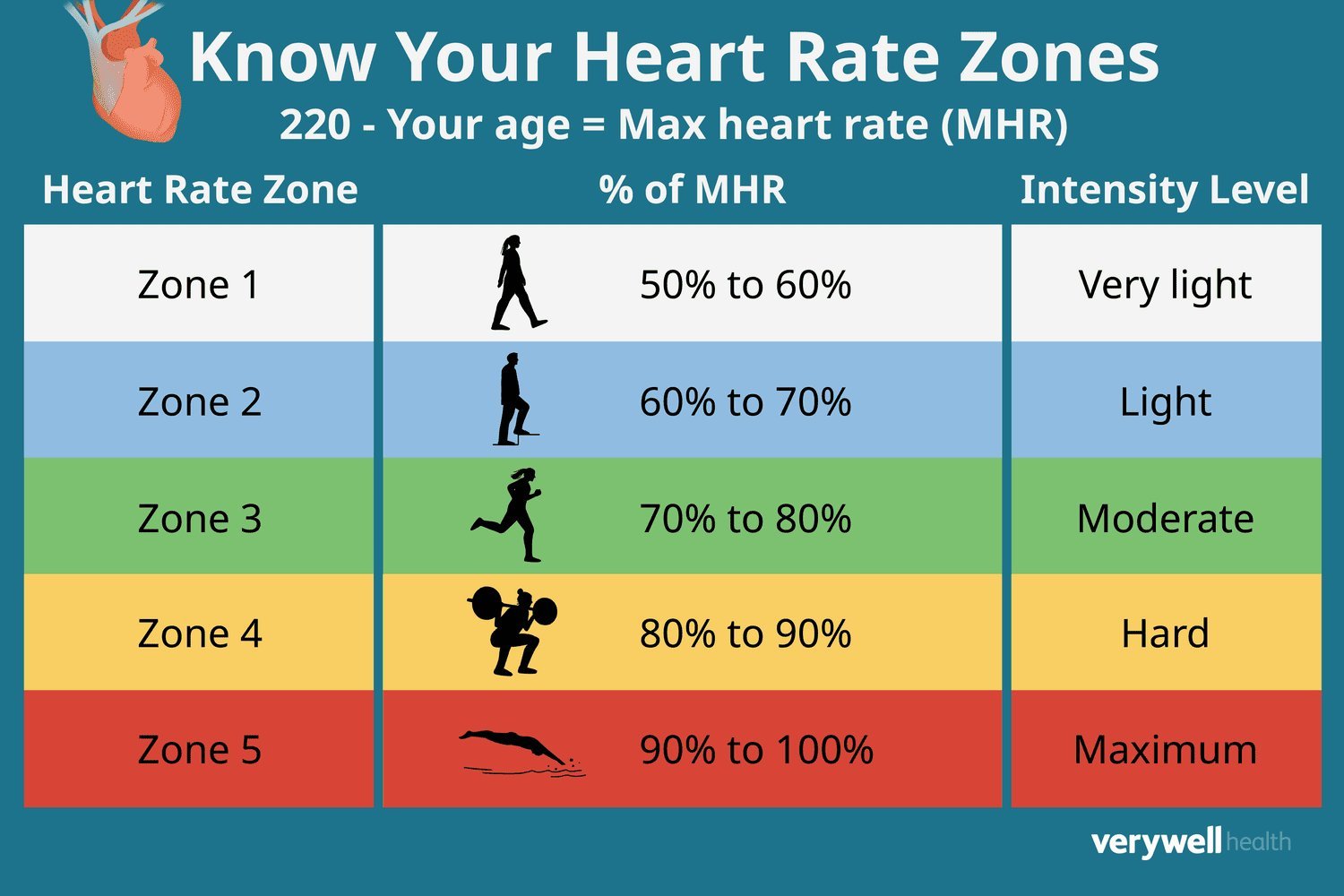
Heart rate zones are ranges expressed as percentages of your maximum heart rate (MHR). Your MHR is roughly calculated as 220 minus your age. For example, if you’re 30 years old, your estimated maximum heart rate is 190 beats per minute (bpm).
Based on this, your heart rate zones typically fall into five categories:
| Zone Name | Percentage of MHR | Intensity Level | Benefits |
|---|---|---|---|
| Resting Zone | Below 50% | Very Light | Recovery and general health |
| Fat-Burning Zone | 50-60% | Light | Burns fat efficiently, ideal for weight loss |
| Cardio Zone | 60-70% | Moderate | Improves cardiovascular health and endurance |
| Hard Zone | 70-80% | High | Builds strength, boosts stamina |
| Maximum Effort Zone | Above 80% | Very High | Enhances speed and power, for short bursts |
Understanding the Cardio Heart Rate Zone
The cardio zone, often called the aerobic zone, usually falls between 60% and 70% of your MHR. Exercising in this zone raises your heart rate enough to boost your cardiovascular system while still allowing you to carry on a conversation. It’s a sweet spot for many people because it combines efficiency with sustainability.
Working in the cardio zone helps your heart become stronger and more efficient. Over time, exercising in this zone can improve your overall stamina, making daily activities easier and helping you perform better in sports or other physical pursuits.
What Happens During Cardio Zone Workouts?
When you exercise in the cardio zone, your body uses oxygen to produce energy. This process is called aerobic metabolism. Here’s what typically occurs:
- Your breathing speeds up, bringing more oxygen into your lungs.
- Your muscles get a steady supply of oxygen, helping you sustain activity longer.
- Body fat becomes a primary fuel source, aiding in weight management.
- You experience manageable breathing and can usually hold a conversation.
This sort of workout is sustainable and gives you health benefits like lower blood pressure, better cholesterol levels, and improved heart function.
The Science Behind Heart Rate Zones
Knowing the science behind heart rate zones helps you understand why training in different zones matters. Your heart works harder as your exercise intensity increases, but there’s a point where it becomes too intense or too light to be beneficial for your goals.
When working in the cardio zone, you stay within a range that maximizes fat burning and enhances cardiovascular health without risking overexertion. This zone is considered optimal for most people wanting to improve their fitness with sustained, moderate effort.
**How to Calculate Your Heart Rate Zones**
While the basic formula uses your age, more precise methods involve fitness tests. However, the simplest way for most beginners is:
- Calculate your maximum heart rate: 220 minus your age.
- Multiply your MHR by the percentage range for the desired zone (for cardio: 0.60 to 0.70).
- Use a heart rate monitor or fitness tracker to stay within this range during workouts.
**For example:**
– Age: 30
– MHR: 190 bpm
– Target zone for cardio: 60-70%
–
- Lower limit: 190 x 0.60 = 114 bpm
- Upper limit: 190 x 0.70 = 133 bpm
Your goal during cardio workouts is to keep your heart rate between 114 and 133 bpm.
Benefits of Training in the Cardio Zone
Engaging regularly in cardio zone workouts comes with many health and fitness advantages:
- Strengthens the heart muscle, making it pump blood more efficiently
- Increases lung capacity and breathing efficiency
- Promotes healthy weight loss and fat burning
- Improves overall stamina and endurance
- Reduces risk of cardiovascular diseases
- Enhances mood through the release of endorphins
Consistency is key. Incorporating cardio workouts into your weekly routine can lead to noticeable improvements in both your mental and physical health.
Tips for Effective Cardio Zone Training
To maximize the benefits of your cardio zone workouts, keep these tips in mind:
- Start slow, especially if you’re new to exercise. Gradually increase intensity and duration.
- Use a heart rate monitor to stay within your target zone; many fitness trackers offer real-time feedback.
- Mix up your activities—try brisk walking, cycling, swimming, or jogging to keep things interesting.
- Maintain proper hydration and wear comfortable, breathable clothing.
- Include warm-up and cool-down periods to prevent injury and promote recovery.
- Listen to your body. If you feel dizzy, excessively tired, or unwell, lower your intensity or stop.
Sample Cardio Workout Plan
Here’s an example of a typical cardio workout for beginners aiming to stay in the cardio zone:
- Warm-up: 5 minutes of gentle walking or slow cycling
- Main session: 20-30 minutes of brisk walking, jogging, cycling, or swimming, keeping heart rate within 60-70% of max
- Cool-down: 5 minutes of slow walking or stretching
Adjust the duration and intensity based on your fitness level. Over time, you can increase the duration or intensity to continue challenging yourself.
Common Mistakes to Avoid in Zone Cardio Training
Even with good intentions, some common pitfalls can hinder your progress:
- Not monitoring your heart rate—guessing your effort can lead to over- or under-training
- Ignoring warm-up and cool-down phases
- Exercising at too high intensity constantly, leading to burnout or injury
- Skipping rest days, which can cause fatigue and reduce performance
- Not staying consistent—short, frequent workouts are often more effective than rare, long sessions
By avoiding these mistakes, you keep your workouts safe and effective, ensuring you stay motivated and see results.
Training in your heart’s cardio zone offers a practical and effective way to improve your health and build endurance without pushing your limits too far. By understanding your heart rate, accurately calculating your zones, and maintaining a consistent workout routine, you set yourself up for success. Remember that patience and persistence matter. As you get accustomed to working within your cardio zone, you’ll notice better stamina, a healthier heart, and a more enjoyable exercise experience. Keep tracking your progress, listen to your body, and enjoy the journey toward a stronger, healthier you.
Frequently Asked Questions
How can I determine if I am in the right intensity zone during cardio workouts?
To ensure you’re training within the appropriate zone, monitor your heart rate using a fitness tracker or monitor. You can also perform a simple test by checking if you can carry on a conversation without getting too breathless; if speaking is difficult, you might be working above your optimal zone. Adjust your effort to stay within a level where your heart rate falls into the desired range for your fitness goals.
What are the typical benefits of engaging in cardio exercises within this zone?
Exercising within this specific heart rate zone improves cardiovascular efficiency, helps burn calories effectively, and boosts overall endurance. It also enhances the body’s ability to utilize oxygen and promotes better recovery after workouts. Consistent training in this zone supports long-term health and fitness progress.
How does training in this zone differ from high-intensity workouts?
Cardio training in this zone focuses on moderate effort, maintaining a steady pace that can be sustained for longer periods. In contrast, high-intensity workouts involve short bursts of maximum effort, pushing your limits. While high-intensity exercises improve speed and power, zone-specific cardio emphasizes endurance and cardiovascular health through sustained effort.
What types of exercises are most effective for staying in this cardio zone?
Activities such as brisk walking, steady cycling, swimming laps, and jogging typically help maintain your heart rate within the desired zone. It’s best to choose exercises you enjoy, enabling you to sustain consistent effort over time. Incorporating interval training can also help you stay within this zone by alternating periods of moderate effort with brief recovery phases.
Can I adjust my workout intensity to reach this zone as I improve?
Yes, as your fitness level increases, you will likely need to increase your effort to stay within the target zone. You can do this by adding resistance, increasing speed, or extending the duration of your workout. Regularly reassessing your heart rate helps ensure you continue training effectively while avoiding overexertion.
Final Thoughts
The zone cardio is essential for improving cardiovascular health and endurance. Staying within this zone helps you burn fat more efficiently and enhances overall fitness.
Consistently training in zone cardio ensures better stamina and promotes healthier heart function. It is a practical approach to achieving fitness goals without overexertion.
Focusing on the zone cardio ensures a balanced workout, making your fitness journey effective and sustainable.
As an Amazon Associate, We earn from qualifying purchases. When you purchase a product through Amazon links on pulsefitguide.com, we may earn a small commission at no extra cost to you. This helps support the site and keep our content free.
