


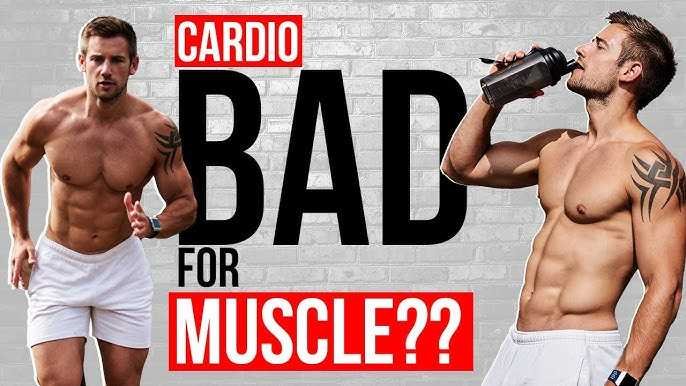
Yes, cardio can contribute to muscle development, but it’s not the most efficient way to build significant muscle mass. Cardio helps improve muscle endurance and tone, especially when combined with strength training. While it burns calories and enhances cardiovascular health, building substantial muscle usually requires targeted resistance exercises.
Engaging in cardio might not lead to the bulky muscles you’d get from lifting weights, but it plays a vital role in overall fitness. Many people wonder if they can build muscle through aerobic activities like running, cycling, or swimming. The truth is, cardio alone isn’t enough to develop large muscles, but it can support muscle growth by improving blood flow, aiding recovery, and increasing stamina. Balancing cardio with strength training is the best way to achieve a lean, muscular physique and maintain a healthy, active lifestyle.

Can Cardio Build Muscle?
Many people wonder if doing cardio can help them build muscle. It’s a common question, especially for those who want to stay fit and strong but don’t want to bulk up. The answer depends on how you do cardio and what your goals are. Let’s explore how cardio can affect muscle growth and what you need to do to see results.
Understanding How Muscles Grow
Before diving into whether cardio can build muscle, it’s important to know how muscles grow in the first place. Muscle growth happens when muscle fibers get damaged and then rebuild stronger through a process called hypertrophy. This mainly occurs during strength training or resistance exercises.
When you lift weights or do resistance work, you create tiny tears in your muscle fibers. Your body repairs these tears by adding more protein to the muscles, making them thicker and stronger. Cardio alone usually doesn’t cause this kind of muscle damage necessary for growth.
Different Types of Cardio and Their Impact
Steady-State Cardio
This type includes activities like jogging, cycling, or swimming at a consistent pace. Steady-state cardio is excellent for improving endurance and burning calories. It typically does not promote significant muscle gain because it doesn’t create enough muscle fiber damage.
High-Intensity Interval Training
HIIT mixes short bursts of intense activity with rest periods. It can help improve both cardiovascular health and muscle endurance. While HIIT can stimulate some muscle fibers, it usually isn’t enough to cause notable muscle growth unless combined with resistance training.
Low-Intensity Cardio
Walking or light cycling falls into this category. It’s gentle on muscles and primarily burns fat. It has little impact on building muscle but can support recovery and overall health.
Can Cardio Alone Lead to Muscle Gain?
Generally, doing cardio by itself won’t result in muscle growth. It can help maintain existing muscle and improve muscle endurance but isn’t enough to develop new, larger muscles. If muscle building is your goal, you need to include resistance exercises alongside cardio.
However, some people can see muscle definition improve with cardio if they maintain a good diet and combine it with strength training. This process is called body recomposition, where fat is lost, and muscle is preserved or slightly increased.
Benefits of Combining Cardio With Resistance Training
Enhanced Muscle Endurance
Adding cardio to your routine helps muscles become more resistant to fatigue. This is especially useful for athletes or anyone who wants to perform better in physical activities.
Fat Loss and Muscle Definition
Cardio burns calories, which helps reduce body fat. When combined with strength training, you can get a leaner, more toned physique. Lower body fat allows your muscles to become more visible, giving you a muscular appearance.
Improved Recovery and Circulation
Light cardio increases blood flow, delivering nutrients to muscles and aiding in recovery. It also helps clear lactic acid, reducing soreness after workouts.
How to Incorporate Cardio for Muscle Building
Balance and Timing
It’s essential to balance cardio with resistance training. Doing too much cardio can interfere with muscle growth, so limit cardio sessions to 2-3 times per week if muscle gain is your focus.
Schedule your resistance training first, then add light to moderate cardio afterward. This allows your muscles to have enough energy for strength work.
Intensity and Duration
Keep cardio sessions moderate to high in intensity but not so long that they drain your energy. Aim for 20-30 minutes per session, focusing on quality over quantity.
Sample Weekly Routine
| Day | Workout | Details |
|---|---|---|
| Monday | Resistance Training | Full-body strength workout |
| Tuesday | Light Cardio | 30-minute brisk walk or cycling |
| Wednesday | Resistance Training | Split workout focusing on upper body |
| Thursday | Rest or Light Activity | |
| Friday | Resistance Training | Lower body focus |
| Saturday | HIIT Session | 20-minute interval workout |
| Sunday | Active Recovery | Stretching or yoga |
Nutrition and Rest for Muscle Development
Eating enough protein helps muscles repair and grow after workouts. Incorporate lean meats, eggs, dairy, beans, and nuts into your diet. Also, ensure sufficient rest so your muscles can recover and strengthen.
Getting quality sleep each night allows your body to produce hormones that support muscle growth and overall recovery. Combine good nutrition with proper rest and smart training for best results.
Common Myths About Cardio and Muscle Gain
Myth 1: Cardio Makes You Lose Muscle
While excessive cardio can lead to muscle loss if you’re not eating enough, moderate cardio combined with resistance training does not harm muscle growth. It can actually help you stay lean and improve muscle definition.
Myth 2: You Cannot Build Muscle With Cardio
Cardio alone isn’t enough to build new muscle, but it can support muscle growth when paired with resistance exercises. It helps improve blood flow, endurance, and overall fitness, which benefits muscle development.
Myth 3: More Cardio Means Less Muscle
Doing too much cardio without proper nutrition and resistance training may hinder muscle gains. Finding the right balance is key to achieving both muscle and cardiovascular benefits.
Related Topics for Further Reading
- Body recomposition techniques
- Best resistance exercises for muscle gain
- Nutrition tips for muscle growth
- Designing an efficient workout routine
In summary, cardio mainly boosts cardiovascular health and endurance, but it doesn’t directly cause muscle growth. Integrating resistance training and maintaining a proper diet can help you build muscle while enjoying the benefits of cardio exercises. Striking a good balance is the key to achieving a fit, strong, and healthy body.
How To Do Cardio (Without Losing Muscle)
Frequently Asked Questions
Can cardio exercises help increase muscle mass in the legs?
While cardio activities like running and cycling primarily improve cardiovascular health, they can also help strengthen leg muscles to some extent. Consistent cardio can lead to increased endurance and muscle tone in the legs, but it is unlikely to result in significant muscle size growth. Combining cardio with targeted resistance training provides better results for building larger, stronger leg muscles.
Is it possible to build muscle while doing high-intensity cardio sessions?
High-intensity cardio workouts can stimulate muscle fibers, especially in the lower body, and improve muscular endurance. However, if the goal is to significantly increase muscle size, relying solely on high-intensity cardio may not be effective. Incorporating resistance training alongside high-intensity cardio supports muscle growth more efficiently.
How does cardio impact muscle recovery and growth?
Engaging in cardio can promote blood circulation, which helps deliver nutrients to muscles and remove waste products, aiding recovery. However, excessive cardio can interfere with muscle growth if it leads to overtraining or fatigue. Balancing cardio with proper rest and strength training ensures optimal recovery and supports muscle development.
Final Thoughts
Cardio primarily improves cardiovascular health and endurance, not muscle growth. While it helps burn fat and enhances stamina, building muscle typically requires resistance training.
However, combining cardio with strength exercises can support muscle development and fat loss, creating a more defined physique.
Can cardio build muscle? The answer is generally no, but when paired with appropriate strength training, it plays a supportive role in achieving your fitness goals.
As an Amazon Associate, We earn from qualifying purchases. When you purchase a product through Amazon links on pulsefitguide.com, we may earn a small commission at no extra cost to you. This helps support the site and keep our content free.
