


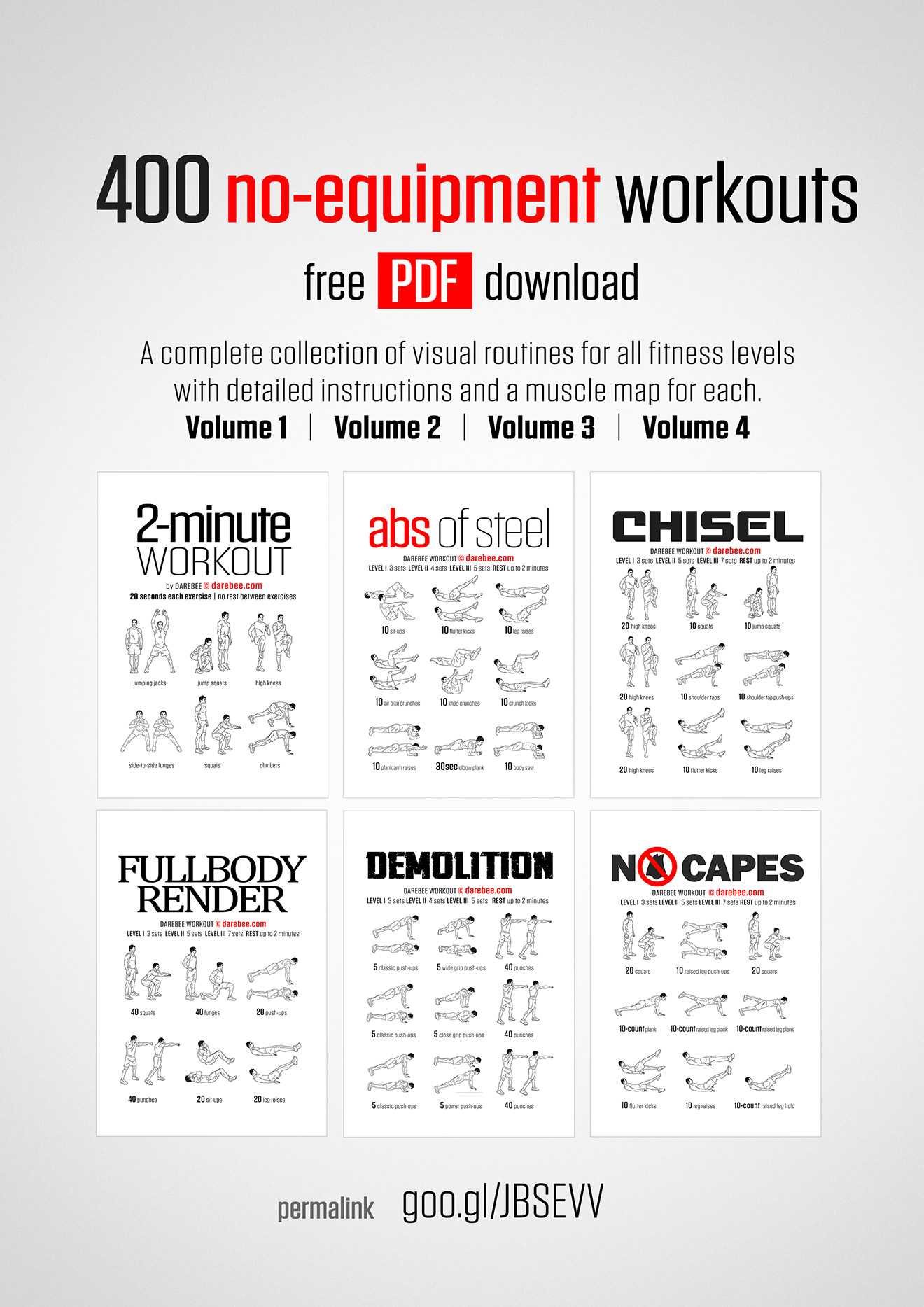
Looking to stay fit without stepping into a gym or using any equipment? The good news is, you can get a full-body workout right from the comfort of your home, no gadgets needed! A no equipment home workout routine is perfect for busy schedules, small spaces, or simply avoiding the gym environment. These routines focus on leveraging your body weight to build strength, improve flexibility, and boost endurance. With a bit of motivation and consistency, you can achieve great results without any fancy gear. Whether you’re a beginner or a seasoned fitness enthusiast, these workouts are flexible, accessible, and highly effective for staying healthy and active. So, forget the excuses—your fitness journey can start today with just your own body!

No Equipment Home Workout Routine: Your Ultimate Guide to Staying Active at Home
Staying fit without any equipment is easier than you think. A no equipment home workout routine can help you stay healthy, boost your energy, and build strength all within the comfort of your home. Whether you’re short on space or simply want to save time, these routines are flexible and effective.
Understanding the Benefits of No Equipment Workouts
No equipment workouts are perfect for busy schedules. They require minimal setup and can be done anywhere. These routines also improve your coordination and balance since you rely on your body weight. Plus, they are easy on your wallet since you don’t need to buy gym gear or memberships.
Core Principles of an Effective No Equipment Workout
A successful no equipment workout should include variety, progression, and proper form. Mix different exercises to target various muscle groups. Increase difficulty as you get stronger, either by adding repetitions or reducing rest time. Good form prevents injuries and maximizes results.
Designing Your No Equipment Home Workout Routine
Start with a plan that fits your fitness level and goals. Beginners might want shorter routines with basic moves, while advanced exercisers can increase intensity. Keep sessions around 20 to 30 minutes for optimal results without overexertion.
Warm-Up Techniques
Begin every workout with a warm-up to increase blood flow and loosen muscles. Simple warm-up moves include jumping jacks, arm circles, and gentle stretching. Warming up reduces the risk of injury and prepares your body for exercise.
Sample Warm-Up Routine
- Jumping jacks: 1 minute
- Arm circles: 30 seconds forward and backward
- Marching in place: 1 minute
- Leg swings: 30 seconds on each leg
Effective No Equipment Exercises for Full-Body Fitness
Complete your workout with exercises that target all major muscle groups. These moves build strength, endurance, and flexibility without any equipment.
Upper Body Exercises
- Push-Ups: Classic move that works the chest, shoulders, and triceps. Keep your body straight and lower yourself until your chest nearly touches the ground. Modify by doing knee push-ups if needed.
- Tricep Dips: Use a sturdy chair or low table. Sit on the edge, grip the edge with your hands, and lower your body by bending your elbows. Push back up to work the back of your arms.
- Arm Circles: Stand straight and extend your arms to the sides. Make small circles forward for 30 seconds, then backward for 30 seconds.
Core Exercises
- Plank: Hold your body in a straight line on your forearms and toes. Engage your core muscles and hold for 20 to 60 seconds.
- Crunches: Lie on your back with knees bent. Lift your shoulders off the ground using your abdominal muscles, then lower back down.
- Bicycle Crunches: Lie on your back and bring opposite elbow to opposite knee. Alternate sides for a full-core workout.
Lower Body Exercises
- Squats: Stand with feet hip-width apart, push your hips back, bend your knees, and lower into a sitting position. Keep your chest up and knees behind toes.
- Lunges: Step forward with one leg, lower your hips until both knees are bent at a 90-degree angle. Switch legs and repeat.
- Glute Bridges: Lie on your back with knees bent and feet flat. Lift your hips towards the ceiling, squeeze your glutes, then lower down.
Workout Variations to Keep Things Fresh
To prevent plateaus and keep your workouts engaging, vary your exercises. Change the number of repetitions, add new moves, or increase the duration of each exercise. You can also combine exercises into circuits for a high-intensity workout.
Sample Circuit Routine
- Jumping jacks: 30 seconds
- Push-ups: 12 repetitions
- Bodyweight squats: 15 repetitions
- Plank: 30 seconds
- Rest for 30 seconds
- Repeat the circuit 3 to 4 times
Combining Cardio with Strength Moves
Adding cardio moves boosts fat burning and improves heart health. Combine jumping jacks, mountain climbers, or burpees with strength exercises for a balanced routine. Short bursts of cardio elevate your heart rate and make your workout more dynamic.
Sample Cardio-Strength Circuit
- Burpees: 10 repetitions
- Push-ups: 12 repetitions
- High knees: 30 seconds
- Squats: 15 repetitions
- Rest for 30 seconds
- Repeat 3 times
Stretching and Cool-Down
Finish workouts with stretching to improve flexibility and reduce soreness. Focus on all major muscle groups, holding each stretch for about 20 seconds. Incorporate deep breathing to relax your muscles and bring your heart rate back to normal.
Cool-Down Stretching Tips
- Hamstring stretch: Sit and reach for your toes
- Quadriceps stretch: Hold your ankle behind you while standing
- Chest stretch: Clasp your hands behind your back and lift
- Shoulder stretch: Pull one arm across your chest and hold
Creating Your Weekly Workout Schedule
Consistency is key. Aim for at least three to four workouts each week. Alternate between full-body routines and targeted muscle group workouts. Rest days are vital for recovery, so include them in your schedule.
Sample Weekly Plan
| Day | Workout Focus |
|---|---|
| Monday | Full-body circuit |
| Wednesday | Core and lower body exercises |
| Friday | Cardio and upper body moves |
| Sunday | Stretching and active recovery |
Tips for Staying Motivated and Consistent
Set realistic goals and track your progress. Find a workout buddy or join online communities for encouragement. Remember to celebrate small wins to stay motivated on your fitness journey.
Adapting Your Routine as You Progress
As your strength and endurance improve, increase repetitions or add more challenging variations of exercises. Incorporating new moves prevents boredom and ensures continuous improvement. Always listen to your body and avoid overtraining.
Building a no equipment home workout routine provides an accessible, effective way to stay active. With the right plan, variety, and consistency, you can achieve your fitness goals without leaving home or spending a dime. Keep moving, stay motivated, and enjoy the benefits of a healthier lifestyle.
Full Body Workout Without Equipment
Frequently Asked Questions
What are some effective bodyweight exercises I can do at home without equipment?
You can perform a variety of bodyweight exercises such as push-ups, squats, lunges, planks, burpees, and mountain climbers. These exercises target different muscle groups and help improve strength and cardiovascular health without any equipment. Incorporate these into your routine for a full-body workout that can be done in a small space.
How can I ensure my no-equipment workout stays challenging over time?
To keep your workouts challenging, increase the number of repetitions or sets. You can also modify exercises to make them more difficult, such as doing decline push-ups or jump squats. Adding isometric holds, reducing rest time between sets, or incorporating explosive movements can further boost intensity and help you continue progressing.
Are there specific warm-up and cool-down routines suitable for no equipment workouts?
Yes, a simple warm-up can include light jogging in place, arm circles, and leg swings to prepare your muscles. For cool-downs, perform gentle stretching focusing on major muscle groups like hamstrings, quadriceps, shoulders, and back. These routines help prevent injury and promote recovery after your workout.
How can I stay motivated to keep up with my no-equipment exercise routine?
Set clear, achievable goals and track your progress to stay motivated. Mix different exercises to keep workouts interesting, and schedule your sessions at consistent times. Joining online fitness communities or partnering with a friend can also provide accountability and encouragement.
What safety tips should I follow during a no-equipment home workout?
Make sure to perform exercises with proper form to avoid injury. Warm up before working out and cool down afterward. Listen to your body and avoid pushing through pain. Use a non-slip surface and ensure your space is clear of obstacles to create a safe workout environment.
Final Thoughts
A no equipment home workout routine offers a convenient way to stay active. It requires minimal space and can fit into any schedule. Consistency is key to seeing results and maintaining motivation. This approach makes regular exercise accessible and sustainable.
As an Amazon Associate, We earn from qualifying purchases. When you purchase a product through Amazon links on pulsefitguide.com, we may earn a small commission at no extra cost to you. This helps support the site and keep our content free.
