



Quick Summary: For weight loss, neither wine nor beer is a magic bullet. Focus on moderation and overall calorie intake. Both can fit into a healthy lifestyle if you’re mindful of your choices and portion sizes. Let’s break it down!
Cheers to a Lighter You? Wine vs. Beer for Weight Loss
Feeling a bit sluggish lately? Or maybe you’re just looking for ways to shed a few pounds and feel more energetic? It’s totally normal to feel that way! Sometimes, the hardest part is just knowing where to start. You’ve probably heard a million different tips, and it can feel overwhelming. But what if I told you that getting fitter and healthier can be simpler than you think? It’s all about making smart, easy changes that add up. We’re going to explore a common question: is wine better than beer for weight loss? Get ready, because we’re about to uncover the truth and get you feeling amazing!
Let’s Talk Calories: The Real Weight Loss Factor
When we talk about weight loss, calories are key. Think of them like fuel for your body. If you take in more fuel than you use, your body stores it, often as fat. So, understanding the calorie count in your favorite drinks is super important. It’s not about demonizing any particular food or drink, but about being aware. Knowing the numbers helps you make choices that support your goals.
Wine: What’s the Scoop?
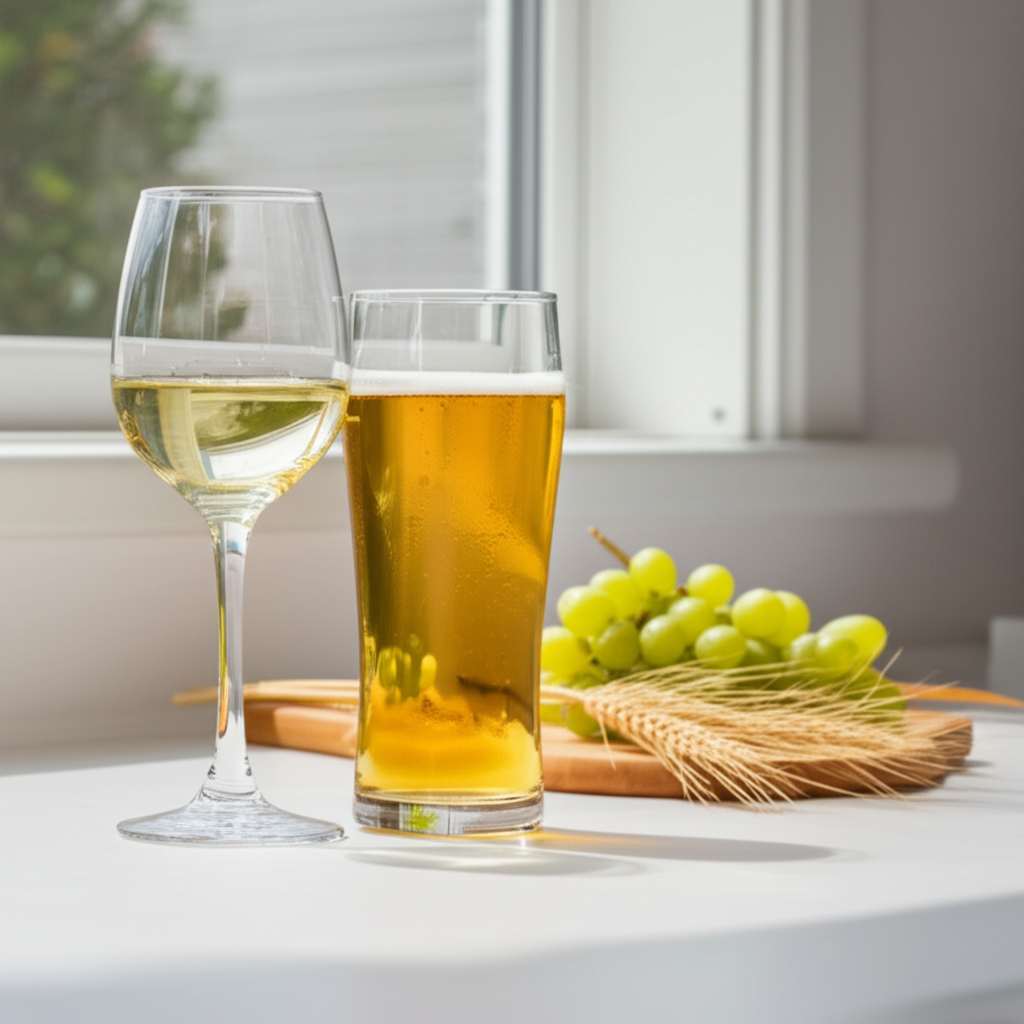
Wine can be a lovely part of unwinding. But like anything, it has calories. A standard 5-ounce glass of dry red or white wine usually has around 125 calories. Sweeter wines or larger glasses can pack more of a punch, calorie-wise. It’s less about the color and more about the sugar and alcohol content.
Beer: What’s Brewing?
Beer is another popular choice. A 12-ounce serving of light beer might have about 100-120 calories. Regular beers can range from 150 calories all the way up to 200 calories or even more for craft brews. The alcohol itself has calories, and so does the carbohydrate content in beer.
The Verdict on Calories
So, is one clearly better than the other? Not really. It depends on the specific drink and how much you have. A light beer might have fewer calories than a large glass of wine, but a small glass of wine might have fewer than a big craft beer. The real win for weight loss comes from being mindful of your total calorie intake for the day.
Beyond Calories: Other Things to Consider
Calories aren’t the only story when we look at wine and beer. There are other little details that can play a role in how they affect your body and your weight loss journey.
Alcohol and Your Metabolism
Your body actually sees alcohol as a toxin. This means it prioritizes processing the alcohol before it processes fats or carbs from your food. When your body is busy with alcohol, fat burning can slow down. This is true for both wine and beer.
Sugar Content Matters
Some drinks have more added sugar than others. Sweeter wines and certain types of beer can contribute extra sugar to your diet. Too much sugar can make it harder for your body to manage weight and can lead to energy crashes.
Portion Sizes are Powerful
This is a huge one! A tiny sip of wine is very different from chugging a big glass. Similarly, a small bottle of beer is different from a large pint. Being aware of your serving size is one of the easiest ways to control calories and alcohol intake.
How Your Body Reacts
Everyone’s body is different. Some people might feel more bloated or experience more cravings after drinking wine, while others might feel that way with beer. Paying attention to how you feel after you drink can give you clues about what works best for you.
Making Smart Choices for Your Goals
If you enjoy a drink now and then, that’s perfectly okay! The goal isn’t to cut out everything you love, but to enjoy it in a way that supports your health and fitness. Here’s how you can make smarter choices:
1. Know Your Numbers
Before you order or pour, get a general idea of the calories and carbs in your drink. There are tons of apps and websites that can help with this!
2. Stick to Standard Servings
A standard wine pour is 5 ounces. A standard beer is 12 ounces. Try to stick to these amounts. If you’re at a restaurant, be mindful of how they pour.
3. Choose Wisely
Opt for dry wines or light beers if you’re watching calories. These generally have fewer calories and less sugar.
4. Hydrate!
Drink plenty of water alongside your alcoholic beverage. This helps you stay hydrated and can also help you feel fuller, potentially reducing how much you drink.
5. Don’t Drink on an Empty Stomach
Having some food before or while you drink can help slow down alcohol absorption and prevent you from overdoing it.
Tips for Enjoying Drinks While Staying on Track
It’s all about balance! Here are some fun ways to enjoy your favorite beverages without derailing your weight loss progress.
Savor Slowly: Don’t rush through your drink. Sip it, enjoy the taste, and let it be a mindful experience.
Make it a Treat: Instead of having a drink every night, save it for special occasions or a weekend treat.
Alternate with Water: For every alcoholic drink you have, have a glass of water. This is a great strategy!
Try Lower-Calorie Options: Sparkling water with a splash of juice or a twist of lime can be refreshing and low in calories.
Mix Smart: If you’re having spirits, mix them with club soda or diet tonic water instead of sugary mixers.
When Wine and Beer Get in the Way of Fat Loss
Sometimes, drinks can sneakily become a roadblock to your weight loss goals. It’s helpful to know what to watch out for.
The “Empty Calories” Trap
Alcoholic drinks often provide calories but very few nutrients. These are called “empty calories.” Your body gets the calories, but not the vitamins or minerals it needs to thrive.
Increased Appetite
Alcohol can sometimes lower your inhibitions and make you feel hungrier. This can lead to reaching for less healthy snacks or overeating, especially late at night.
Disrupted Sleep
While alcohol might make you feel sleepy, it can actually disrupt your sleep quality. Poor sleep is linked to weight gain and can make it harder to lose fat.
The “Weekend Warrior” Effect
If you’re really good during the week but then overindulge on the weekends, those extra calories can cancel out your progress. Consistency is key!
Let’s Get Moving: Exercises That Help Burn Fat
Remember, weight loss isn’t just about what you eat or drink; it’s also about how much you move! Exercise is a fantastic way to boost your metabolism and burn calories. Here are a few types of workouts that are great for fat loss.
High-Intensity Interval Training (HIIT)
HIIT involves short bursts of intense exercise followed by brief recovery periods. It’s super effective for burning calories in a short amount of time and can even boost your metabolism for hours after your workout!
Example: Sprint for 30 seconds, walk for 60 seconds. Repeat 8-10 times.
Benefits: Time-efficient, great for calorie burn, improves cardiovascular health.
Cardiovascular Exercise (Cardio)
This is your classic fat-burning workout! Activities like running, swimming, cycling, or even brisk walking get your heart rate up and burn a good amount of calories.
Example: Go for a 30-minute brisk walk or a 20-minute jog.
Benefits: Burns calories, strengthens heart and lungs, improves mood.
Strength Training
Building muscle is crucial for weight loss! Muscle burns more calories at rest than fat does. So, the more muscle you have, the higher your resting metabolism.
Example: Do squats, push-ups, lunges, and planks.
Benefits: Builds muscle, boosts metabolism, improves body composition.
Here’s a quick look at how different activities compare:
| Activity | Calories Burned (Approx. per 30 min) | Focus |
|---|---|---|
| Brisk Walking | 150-200 | Cardio, lower impact |
| Running | 300-400 | Cardio, high impact |
| Cycling | 250-350 | Cardio, lower impact |
| Bodyweight Strength Training | 150-250 | Muscle Building, Metabolism Boost |
| HIIT Workout | 250-400+ | High Calorie Burn, Time Efficient |
Note: Calorie burn varies greatly based on individual weight, intensity, and metabolism.
Fueling Your Body Right: Simple Meal Ideas
What you eat alongside your drinks and workouts makes a big difference. Focusing on whole, unprocessed foods is key. These meals will keep you full and energized.
Breakfast Power-Ups
Oatmeal with Berries and Nuts: Fiber-rich oats keep you full, berries add antioxidants, and nuts provide healthy fats.
Scrambled Eggs with Spinach and Whole-Wheat Toast: Protein from eggs and fiber from toast will keep you going.
Greek Yogurt with Fruit: High in protein and can be a great base for healthy additions.
Lunchtime Wins
Large Salad with Lean Protein: Load up on veggies and add grilled chicken, fish, or beans for protein. Use a light vinaigrette.
Lentil Soup with a Side Salad: Hearty, filling, and packed with fiber and protein.
Turkey or Chicken Breast Wrap: Use a whole-wheat tortilla and fill with lean protein, lots of veggies, and a light spread.
Dinner Delights
Baked Salmon with Roasted Broccoli and Quinoa: Healthy fats, fiber, and complex carbs make this a winner.
Chicken Stir-fry with Brown Rice: Lots of colorful veggies and lean chicken. Go easy on the sauce.
Lean Ground Turkey Chili: Packed with protein and fiber from beans.
Your Daily Wins: Simple Habits for Success
Building healthy habits doesn’t have to be complicated. Small, consistent actions can lead to amazing results.
Start Your Day with Water: Drink a big glass of water as soon as you wake up.
Move for 10 Minutes: Even a short walk or a quick stretching session counts!
Plan Your Meals: Take a few minutes each day to think about what you’ll eat.
Get Enough Sleep: Aim for 7-9 hours of quality sleep each night.
Practice Mindful Eating: Pay attention to your hunger cues and enjoy your food.
Common Pitfalls to Avoid
It’s easy to stumble when you’re starting out. Here are some common mistakes to watch out for so you can stay on track!
Trying to Do Too Much Too Soon: Don’t overdo it with intense workouts or super strict diets right away.
Skipping Meals: This can lead to overeating later and can slow down your metabolism.
Comparing Yourself to Others: Everyone’s journey is unique. Focus on your own progress.
Thinking One Slip-Up Ruins Everything: It doesn’t! Just get back on track with your next meal or workout.
Not Drinking Enough Water: Hydration is crucial for everything, including weight loss.
Frequently Asked Questions (FAQs)
Got questions? I’ve got answers! Here are some common ones beginners ask.
How long does it take to burn fat?
It varies for everyone! With consistent healthy eating and exercise, you can start seeing changes in a few weeks, but real, lasting fat loss is a journey that takes months and a commitment to healthy habits.
What’s the best time to work out?
The best time is whenever you can consistently do it! Some people love morning workouts to kickstart their day, while others prefer evenings to de-stress. Listen to your body and find what fits your schedule best.
Do I need a gym to lose weight?
Nope! You can absolutely lose weight and get fit without a gym. Bodyweight exercises, outdoor activities, and home workouts can be incredibly effective. A gym can offer more equipment, but it’s not a requirement.
How can I stay motivated every day?
Find an accountability buddy, set small, achievable goals, track your progress, and remind yourself why you started. Celebrate your wins, no matter how small!
What should I eat before or after exercise?
Before: A light snack with carbs and a little protein, like a banana or a small handful of almonds, about 30-60 minutes prior. After: Focus on a meal or snack with protein and carbs within an hour or two to help your muscles recover.
How much water should I drink daily?
A good general guideline is about 8 cups (64 ounces) a day, but it can vary. Drink more if you’re exercising a lot or it’s hot. Your urine color is a good indicator – aim for pale yellow.
How many rest days should I take?
Rest days are super important for muscle repair and preventing burnout. Aim for 1-2 rest days per week, especially when you’re starting out. Listen to your body – if you’re feeling sore or exhausted, take an extra rest day.
Your Journey Starts Now!
So, when it comes to wine versus beer for weight loss, the big takeaway is this: focus on moderation and overall calorie balance. Neither drink is inherently “good” or “bad” for weight loss; it’s all about how you incorporate them into your lifestyle.
Remember, fitness is a journey, not a race. Every small step you take, whether it’s choosing water over a sugary drink, going for a walk, or simply making a healthier meal choice, is a victory. You’re building a stronger, healthier you, one day at a time. Keep that positive energy going, celebrate your progress, and trust the process. You’ve got this – one step, one day at a time!
As an Amazon Associate, We earn from qualifying purchases. When you purchase a product through Amazon links on pulsefitguide.com, we may earn a small commission at no extra cost to you. This helps support the site and keep our content free.
