



Quick Summary: Kielbasa isn’t typically your weight-loss best friend. It’s often high in calories and fat. Focus on lean proteins and veggies for the best weight loss results!
Hey there, fitness friends! Feeling a bit lost when it comes to starting your weight loss journey? You’re not alone! So many of us want to shed a few pounds, get stronger, and feel amazing, but figuring out where to begin can feel overwhelming. We’ve all been there, staring at confusing diet plans or complicated workout routines. But guess what? It doesn’t have to be that hard! I’m here to break it all down for you in simple, easy steps. We’ll make fitness fun and achievable, no matter where you’re starting from. Ready to discover how to make real progress without feeling stressed? Let’s get moving!
Kielbasa and Weight Loss: What’s the Deal?
Let’s talk about kielbasa. It’s a tasty sausage, right? Many people love it in their meals. But when you’re trying to lose weight, every food choice matters. So, is kielbasa a good option for your weight loss goals? The short answer is usually no, but let’s dive deeper!
Kielbasa is often made with pork, beef, or a mix. It’s usually smoked and seasoned. While it’s delicious, it can pack a lot of calories and fat. This can make it tricky to fit into a weight loss plan.
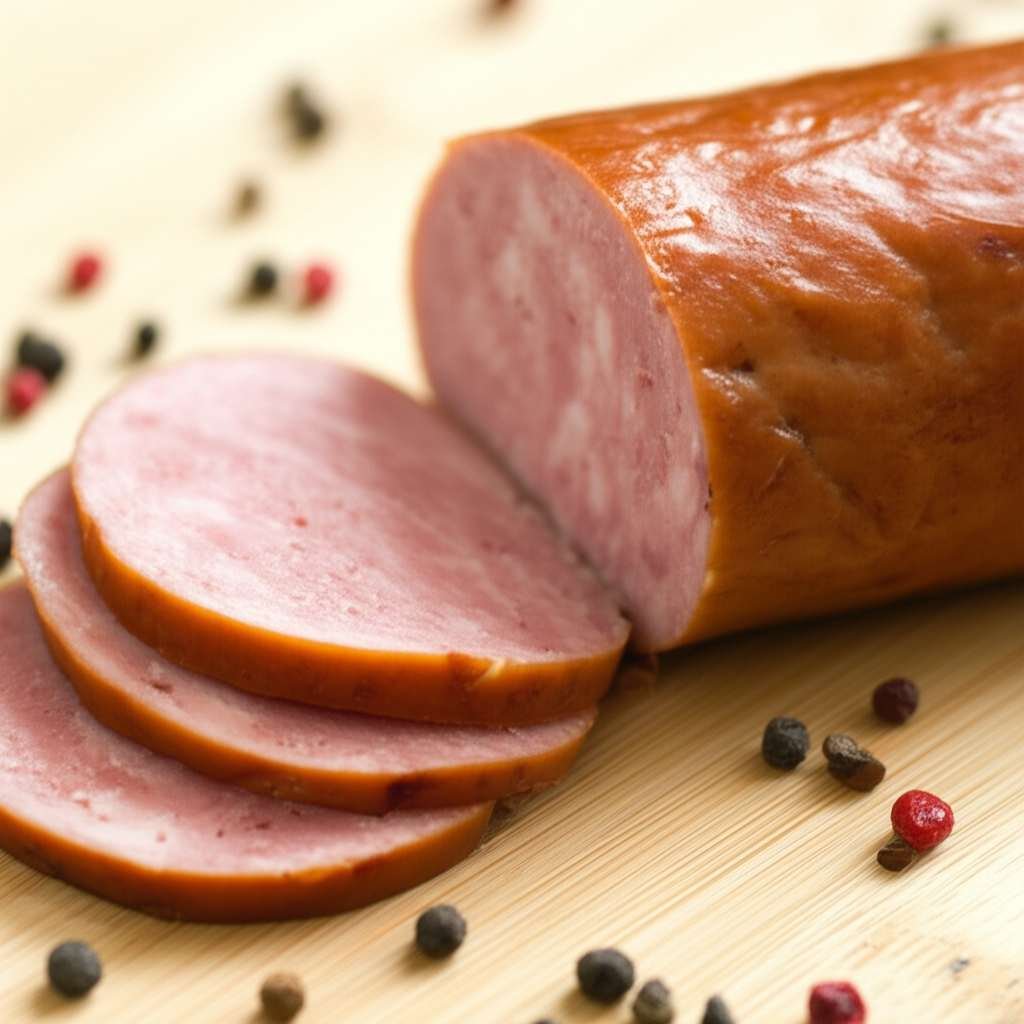
Why Kielbasa Can Be Tricky for Weight Loss
Think of your body like a car. To run efficiently, it needs good fuel. High-calorie, high-fat foods can be like putting the wrong fuel in. They might taste good, but they don’t help you go further or faster towards your weight loss goals.
Calories and Fat Content
Most kielbasa varieties are quite high in calories and saturated fat. This means a small serving can add a lot of energy (calories) to your day. When you’re trying to lose weight, you need to create a calorie deficit, meaning you burn more calories than you consume. High-fat foods make this harder.
Sodium Levels
Sausages like kielbasa are often loaded with sodium. Too much sodium can lead to water retention, which can make you feel bloated and can even affect your blood pressure. For overall health and weight management, it’s good to keep sodium intake in check.
Portion Control Woes
Because kielbasa is so flavorful, it’s easy to eat more than you planned. A small bite can turn into a whole serving, and before you know it, you’ve consumed a lot of extra calories and fat.
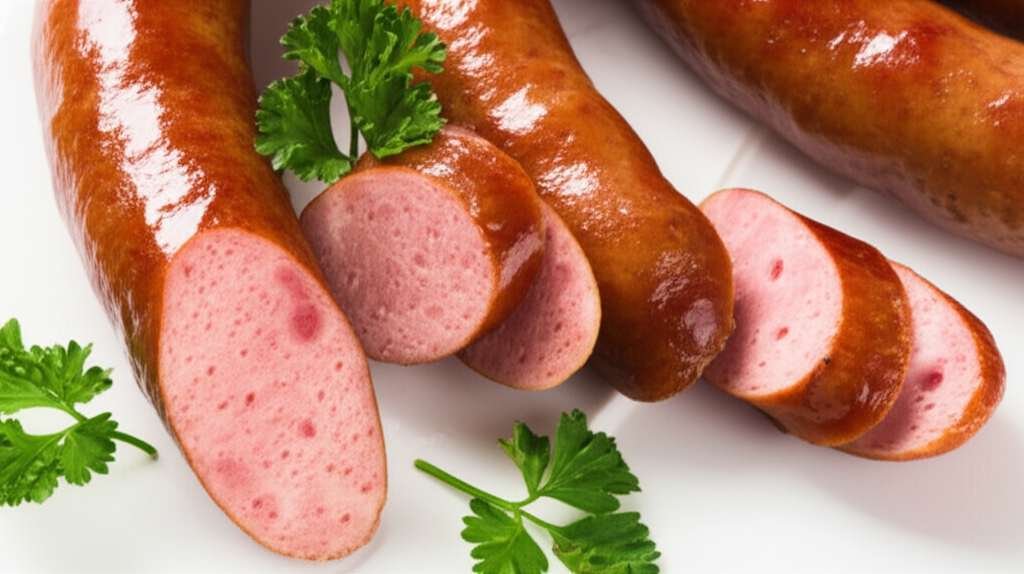
Better Protein Choices for Weight Loss
The good news is there are tons of amazing, healthy protein options that are perfect for weight loss! Protein is super important because it helps you feel full longer and supports muscle building. Muscles help burn more calories, even when you’re resting!
Lean Meats
Think chicken breast, turkey breast, lean beef cuts (like sirloin), and pork loin. These give you that satisfying protein punch without all the extra fat.
Fish and Seafood
Fish like salmon, tuna, cod, and shrimp are fantastic choices. They are packed with protein and healthy omega-3 fats (especially fatty fish like salmon), which are great for your heart and brain.
Plant-Based Proteins
Don’t forget about plant power! Beans, lentils, tofu, tempeh, and edamame are excellent sources of protein and fiber. Fiber also helps you feel full and keeps your digestive system happy.
Eggs and Dairy
Eggs are a complete protein and very versatile. Greek yogurt, cottage cheese, and low-fat milk are also great protein sources that can be part of a healthy weight loss diet.
Simple Swaps for Your Favorite Meals
You don’t have to give up all your favorite flavors to lose weight! It’s all about making smart swaps. Instead of kielbasa, try these ideas:
- For Sausage & Peppers: Use lean ground turkey or chicken sausage instead of kielbasa. Or, try sliced chicken breast with your peppers and onions.
- In Pasta Dishes: Swap kielbasa for lean ground chicken, turkey, or even some chopped mushrooms and spinach for extra veggies.
- For Breakfast Casseroles: Use diced chicken breast or lean turkey bacon instead of kielbasa.
- As a Snack: Instead of a kielbasa bite, try a hard-boiled egg, a small handful of almonds, or some Greek yogurt.
The Power of Whole Foods
When we talk about weight loss, whole foods are your best friends. These are foods that are as close to their natural state as possible. They are packed with nutrients, fiber, and water, which help you feel full and satisfied.
What are Whole Foods?
- Fruits: Apples, bananas, berries, oranges.
- Vegetables: Broccoli, spinach, carrots, bell peppers, sweet potatoes.
- Whole Grains: Oats, brown rice, quinoa, whole wheat bread.
- Lean Proteins: As mentioned above – chicken, fish, beans, lentils.
- Healthy Fats: Avocados, nuts, seeds, olive oil.
These foods provide sustained energy and essential vitamins and minerals your body needs to function at its best. They are naturally lower in calories and higher in nutrients compared to processed foods like most kielbasa.
Your Fat-Burning Workout Toolkit
Nutrition is a huge part of weight loss, but moving your body is just as important! Exercise helps burn calories, build muscle, boost your mood, and improve your overall health. You don’t need fancy equipment or hours at the gym to get started.
Cardio for Calorie Burn
Cardio exercises get your heart pumping and burn a lot of calories. Aim for at least 150 minutes of moderate-intensity cardio per week.
- Brisk Walking: Easy to do anywhere, anytime!
- Jogging/Running: A great way to increase calorie burn.
- Cycling: Indoors or outdoors, a fantastic full-body workout.
- Swimming: Low impact and great for your whole body.
- Dancing: Fun and a fantastic way to get your heart rate up!
Strength Training for Metabolism Boost
Building muscle is key for long-term weight loss. Muscle tissue burns more calories at rest than fat tissue does. Aim for strength training 2-3 times per week.
- Bodyweight Exercises: Squats, lunges, push-ups (on your knees if needed!), planks.
- Resistance Bands: Affordable and versatile for a full-body workout.
- Dumbbells/Kettlebells: Great for adding resistance to exercises.
High-Intensity Interval Training (HIIT)
HIIT involves short bursts of intense exercise followed by brief recovery periods. It’s super effective for burning calories in a short amount of time and can boost your metabolism for hours after your workout!
Example HIIT Workout:
- Jumping Jacks (30 seconds)
- Rest (15 seconds)
- High Knees (30 seconds)
- Rest (15 seconds)
- Butt Kicks (30 seconds)
- Rest (15 seconds)
- Mountain Climbers (30 seconds)
- Rest (15 seconds)
Repeat this circuit 3-5 times. Remember to warm up before and cool down after!
Sample Beginner Workout Plan
Here’s a simple plan to get you started. Listen to your body and adjust as needed!
| Day | Focus | Activity Example |
|---|---|---|
| Monday | Cardio | 30-minute brisk walk or cycling |
| Tuesday | Strength Training (Full Body) | Bodyweight squats, lunges, push-ups, planks (3 sets of 10-12 reps) |
| Wednesday | Rest or Light Activity | Stretching, gentle yoga, or a short walk |
| Thursday | Cardio | 20-minute jog or dance workout |
| Friday | Strength Training (Full Body) | Dumbbell rows, bicep curls, tricep dips, glute bridges (3 sets of 10-12 reps) |
| Saturday | Active Fun | Hike, play a sport, or go for a long walk with friends |
| Sunday | Rest | Relax and recharge! |
Tips for Staying Motivated
Staying motivated is key to sticking with your weight loss goals. It’s totally normal to have days where you don’t feel like it!
- Set Realistic Goals: Don’t aim for drastic changes overnight. Small, achievable goals build confidence.
- Find Your “Why”: Why do you want to lose weight? Focus on that reason when motivation dips.
- Track Your Progress: Seeing how far you’ve come can be incredibly motivating.
- Find a Buddy: Workout with a friend or join a supportive online community.
- Reward Yourself: Celebrate milestones with non-food rewards, like a new workout outfit or a massage.
- Mix It Up: Try new workouts to keep things interesting and prevent boredom.
- Be Kind to Yourself: Everyone has off days. Don’t let one slip-up derail your progress. Just get back on track!
Common Mistakes to Avoid
We all learn as we go, but knowing some common pitfalls can help you avoid them!
- Cutting Out All “Fun” Foods: Deprivation often leads to binging. Enjoy treats in moderation.
- Over-Exercising: Pushing yourself too hard too soon can lead to injury and burnout.
- Comparing Yourself to Others: Your journey is unique. Focus on your own progress.
- Skipping Meals: This can slow your metabolism and lead to overeating later.
- Not Drinking Enough Water: Hydration is crucial for energy, metabolism, and overall health.
- Relying on Fad Diets: Sustainable lifestyle changes are more effective than quick fixes.
Hydration: Your Secret Weapon
Water is so important! It helps your body function, boosts your metabolism, and can even help you feel fuller. Aim to drink plenty of water throughout the day.
A good starting point is around 8 glasses (64 ounces) per day, but this can vary. Listen to your body’s thirst cues!
FAQs About Weight Loss and Fitness
Got questions? I’ve got answers! Let’s clear up some common beginner concerns.
How long does it take to burn fat?
Fat burning is a process! You’ll start seeing results within a few weeks with consistent healthy eating and exercise, but sustainable fat loss takes time and dedication. Focus on making healthy habits your new lifestyle!
What’s the best time to work out?
The best time is whenever you can consistently do it! Some people love morning workouts to start the day energized, while others prefer evenings to de-stress. Experiment and see what fits your schedule and energy levels best.
Do I need a gym to lose weight?
Absolutely not! You can get a fantastic workout at home with just your bodyweight, resistance bands, or simple equipment like dumbbells. Outdoor activities like walking, running, and cycling are also great options.
How can I stay motivated every day?
Motivation can be tricky! Try setting small daily goals, tracking your wins (no matter how small!), listening to upbeat music, or working out with a friend. Remind yourself of your “why” when you need an extra boost.
What should I eat before or after exercise?
Before a workout, a small snack with carbs and a little protein can give you energy (like a banana or a small yogurt). After, focus on a meal or snack with protein and carbs to help your muscles recover (like chicken and rice or Greek yogurt with berries).
How much water should I drink daily?
A good general guideline is about 8 glasses (64 ounces) per day. However, you might need more if you’re exercising a lot, it’s hot, or you have certain health conditions. Drink when you’re thirsty!
How many rest days should I take?
Rest days are crucial for muscle repair and preventing burnout. For beginners, aiming for 1-2 rest days per week is usually a good idea. Listen to your body – if you feel sore or tired, take an extra rest day!
Your Journey Starts Now!
So, is kielbasa good for weight loss? Generally, it’s best to limit it and focus on lean proteins and whole foods. But remember, fitness is a journey, not a race!
Making small, consistent changes is the secret sauce. Focus on moving your body more, nourishing it with good food, and staying positive. Every healthy choice you make is a victory. You’re building a stronger, healthier you, one step at a time. Keep up the amazing work, and embrace the progress!
You’ve got this — one step, one day at a time!
As an Amazon Associate, We earn from qualifying purchases. When you purchase a product through Amazon links on pulsefitguide.com, we may earn a small commission at no extra cost to you. This helps support the site and keep our content free.
