


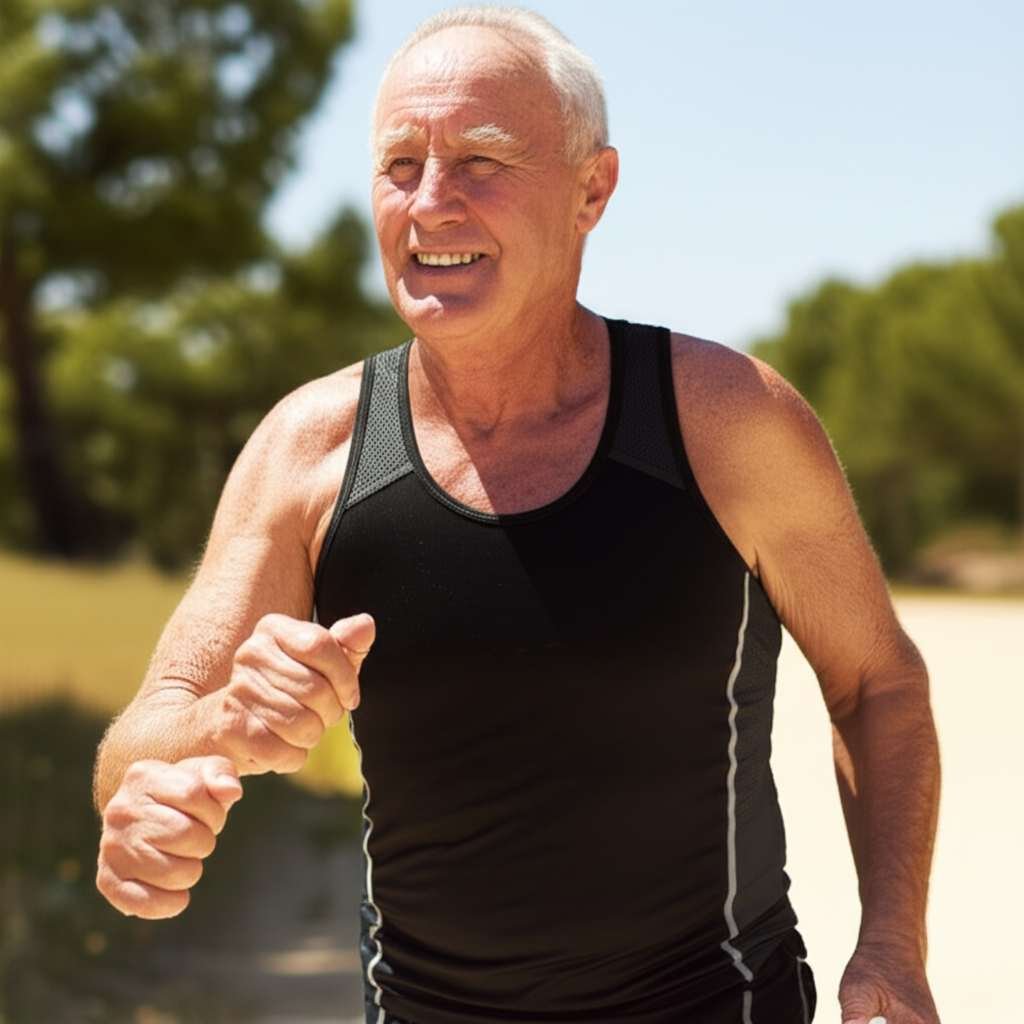
Don’t worry, it’s not about aging! Older adults often lose fat because their bodies become more efficient at using energy, and they naturally move less. You can boost your fat loss too, no matter your age, with simple diet and exercise changes!
Hey there! Feeling a little tired lately? Or maybe just not sure where to begin with getting healthier? It’s totally normal to feel that way. Lots of people think getting fit is super complicated, but I’m here to tell you it doesn’t have to be!
We’re going to break down why some older folks seem to shed fat more easily. And guess what? The “shocking truth” is actually really simple and something you can use for yourself! Get ready to feel motivated and ready to take on your fitness journey, step by step.
Why Do Older Bodies Sometimes Burn Fat Easier?
You might notice that sometimes, as people get older, their bodies start to change. One of the biggest changes can be how they manage fat. It’s not magic, and it’s definitely not a bad thing! It’s all about how our bodies work.

Think of your body like a car. As cars get older, they might need different fuel or maintenance. Our bodies are the same way. Let’s look at the main reasons this happens.
1. Metabolism Slows Down (But Not Always!)
This is a big one people talk about. Your metabolism is like your body’s engine. It burns calories to keep you alive and moving. As we age, this engine can sometimes run a little slower.
When your metabolism slows, your body needs fewer calories. If you eat the same amount of food, your body might start using stored fat for energy. This can lead to fat loss. It’s like your engine is getting super efficient!
2. Less Muscle Mass
Muscle is a powerhouse for burning calories. Even when you’re resting, muscle burns more calories than fat. As we get older, we can naturally lose some muscle if we’re not using it.
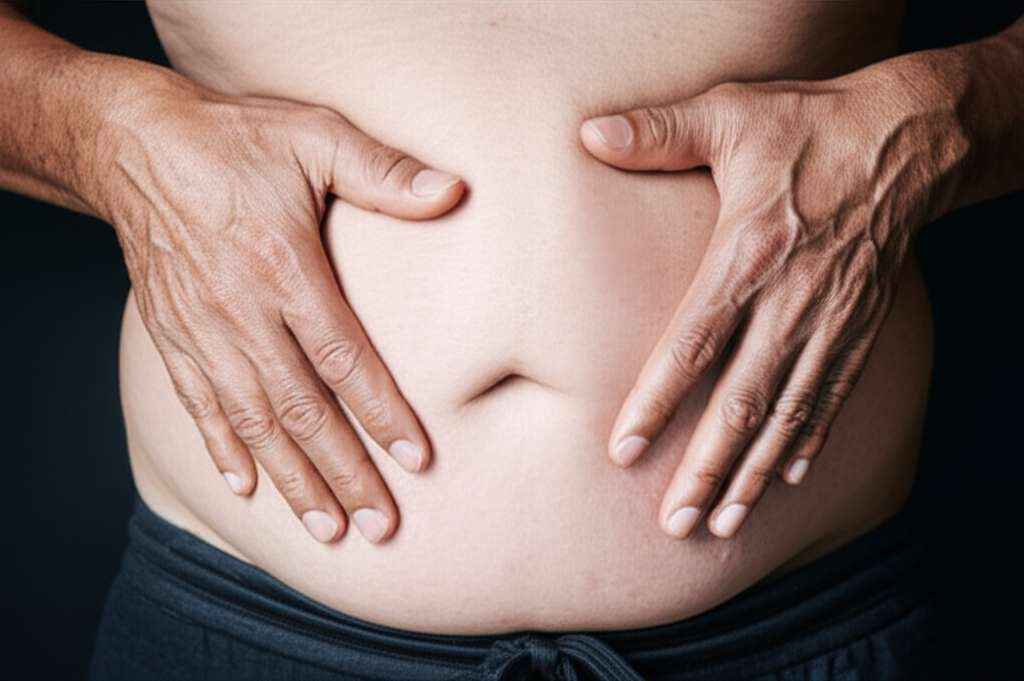
Less muscle means your body burns fewer calories throughout the day. This can contribute to fat loss if your calorie intake stays the same. It’s a gentle reminder that moving our muscles is important!
3. Hormonal Changes
Hormones are like messengers in your body. They control a lot of things, including how your body stores and uses fat. As people age, these hormones can change.
These shifts can sometimes make it easier for the body to tap into fat stores for energy. It’s just another way our bodies adapt over time. It’s not a sign of weakness, but a natural part of life’s journey.
4. Changes in Activity Levels
This is a super common reason! Life changes. Maybe work is less demanding, or kids have grown up. This can mean people are naturally moving less throughout the day. Even small activities add up!
When you move less, your body needs less energy. If your eating habits don’t change, your body might start using stored fat. It’s not that they are trying to lose fat, it’s just a side effect of a less active lifestyle.
The “Shocking Truth”: It’s About Efficiency!
So, what’s the big secret? It’s not really a secret! The “shocking truth” is that older bodies often become more efficient at using the energy they have. They might need less fuel, and if they get less fuel (food), they look to stored fat.
But here’s the really exciting part for YOU: You don’t have to wait until you’re older to become more fat-burning efficient! We can make your body more efficient right now, no matter your age.
How YOU Can Become a Fat-Burning Machine (Starting Today!)
You don’t need to be “old” to benefit from these principles. We can use the same ideas to help you lose fat and feel amazing. It’s all about making smart, simple choices.
Step 1: Fuel Your Body Right
Eating well is key! It’s not about strict diets; it’s about nourishing yourself. Focus on foods that give you energy and help your body work its best.
- Lean Proteins: Chicken, fish, beans, tofu. These help build muscle and keep you full.
- Veggies and Fruits: Load up on colorful produce! They’re packed with vitamins and fiber.
- Healthy Fats: Avocados, nuts, olive oil. Good fats are super important for your body.
- Whole Grains: Brown rice, oats, whole wheat bread. These give you sustained energy.
Step 2: Move More, Feel Better
You don’t need to run a marathon! Just moving your body more helps. Think about adding little bursts of activity throughout your day.
- Walking: Aim for a brisk walk most days. Even 10-15 minutes helps!
- Stretching: Keep your body flexible and reduce stiffness.
- Dancing: Put on your favorite music and just move!
- Household Chores: Gardening, cleaning – these all count as movement!
Step 3: Strength Training is Your Friend
Remember how muscle burns calories? Building muscle is a fantastic way to boost your metabolism. You don’t need heavy weights to start.
Try bodyweight exercises like squats, push-ups (even on your knees!), and lunges. These are simple moves you can do anywhere.
Here’s a quick look at different types of workouts and how they help:
| Workout Type | How it Helps Burn Fat | Beginner Tip |
|---|---|---|
| Cardio (e.g., Walking, Jogging, Cycling) | Burns calories during the activity. Great for heart health. | Start with 20-30 minutes, 3 times a week. Gradually increase duration. |
| Strength Training (e.g., Bodyweight, Weights) | Builds muscle, which boosts metabolism even at rest. | Focus on major muscle groups. 2-3 times a week, with rest days. |
| HIIT (High-Intensity Interval Training) | Burns a lot of calories in a short time. Can boost metabolism post-workout. | Short bursts of intense exercise followed by brief rest. Start with 10-15 minutes. |
Step 4: Hydration is Key!
Drinking enough water is super important. It helps your body function properly, including burning fat. Sometimes, thirst can feel like hunger, so staying hydrated helps too!
Aim for at least 8 glasses (about 2 liters) of water a day. Carry a water bottle with you to sip throughout the day.
Step 5: Get Enough Sleep
Seriously, sleep is a fat-burning superpower! When you don’t sleep enough, your body can struggle to regulate hormones that control appetite. This can lead to cravings for unhealthy foods.
Try to get 7-9 hours of quality sleep each night. Create a relaxing bedtime routine to help you wind down.
Simple Steps for Daily Fat Loss
Let’s put it all together into a daily routine that’s easy to follow.
- Morning: Start with a big glass of water. Do some light stretching or a short walk.
- Breakfast: Have a protein-rich meal like eggs or oatmeal with fruit.
- Mid-day: Take a short walk during your lunch break.
- Lunch: Focus on lean protein, lots of veggies, and a small portion of whole grains.
- Afternoon: Have a healthy snack if you’re hungry, like a piece of fruit or a handful of nuts.
- Evening: Enjoy a balanced dinner. Try to finish eating a couple of hours before bed.
- Before Bed: Relax with a book or some quiet music. Aim for a consistent bedtime.
Common Mistakes to Avoid
It’s easy to get tripped up when you’re starting out. Here are a few common things to watch out for:
- Skipping Meals: This can actually slow down your metabolism and make you overeat later.
- Too Much Cardio, Not Enough Strength: While cardio is great, strength training is crucial for long-term metabolism boost.
- Not Drinking Enough Water: Dehydration can really hinder your progress.
- Expecting Overnight Results: Fat loss is a journey, not a race. Be patient with yourself!
- Comparing Yourself to Others: Everyone’s body is different. Focus on your own progress.
FAQs: Your Quick-Start Guide
Got questions? I’ve got simple answers!
Q: How long does it take to burn fat?
A: It varies for everyone! But you can start seeing and feeling changes in as little as a few weeks with consistent effort. Focus on the process, and the results will follow!
Q: What’s the best time to work out?
A: The best time is whenever you can stick to it! Some people love mornings for energy, others prefer evenings to de-stress. Find what works for your schedule and energy levels.
Q: Do I need a gym to lose weight?
A: Nope! You can get amazing results with home workouts, bodyweight exercises, and outdoor activities like walking or running. A gym can be helpful, but it’s not essential.
Q: How can I stay motivated every day?
A: Set small, achievable goals. Track your progress. Find an accountability buddy. And most importantly, celebrate your wins, no matter how small!
Q: What should I eat before or after exercise?
A: Before, a small snack with carbs and protein is good for energy (like a banana or yogurt). After, focus on protein and carbs to help your muscles recover (like chicken and rice, or a protein shake).
Q: How much water should I drink daily?
A: Aim for at least 8 glasses (about 2 liters). If you exercise or it’s hot, you might need more!
Q: How many rest days should I take?
A: Rest is super important for muscle recovery and preventing burnout. Listen to your body! Generally, 1-2 rest days per week are great, especially if you’re doing strength training.
Putting It All Together: Your Action Plan
It’s not about being “old” to lose fat. It’s about understanding how your body works and giving it what it needs to become more efficient. You can absolutely do this!
Focus on simple, sustainable changes. Eat nourishing foods, move your body regularly, build some muscle, stay hydrated, and get good sleep. These are the building blocks for a healthier, stronger you.
Remember, every little step you take counts. Don’t aim for perfection, aim for progress. You’ve got this — one step, one day at a time!
As an Amazon Associate, We earn from qualifying purchases. When you purchase a product through Amazon links on pulsefitguide.com, we may earn a small commission at no extra cost to you. This helps support the site and keep our content free.
