



Don’t worry if fat burning feels slow! It’s often about small tweaks to your energy balance, not huge overhauls. We’ll uncover simple, fun ways to boost your progress and get you feeling great. Let’s get moving!
Hey there, fitness friend! Feeling a bit stuck on your fat-burning journey? Maybe you’re working out and eating well, but the scale isn’t budging like you hoped. It’s totally normal to feel that way sometimes. You’re not alone in this! The good news is, we can figure this out together. We’re going to break down why fat burning might feel like a slow burn and how to turn up the heat. Get ready to unlock some awesome secrets that will make your fitness goals feel totally achievable. Let’s dive in and make some real progress!
Is Your Body Playing Hide-and-Seek With Fat Burn?
It’s frustrating when you put in the effort and don’t see the results you want. You’re hitting the gym, or maybe doing home workouts, and you’re trying to eat healthier. But that stubborn fat just seems to be sticking around. Why is that happening? Let’s uncover some of the biggest reasons you might not be burning fat as fast as you’d like.
The Energy Equation: Eating vs. Moving
Think of your body like a bank account for energy. You put energy in by eating food, and you take energy out by moving and exercising. To burn fat, you need to take out more energy than you put in. This is called a calorie deficit. If you’re eating about as much energy as you’re burning, your body won’t need to tap into its stored fat for fuel. It’s like having enough money in your checking account – you don’t need to dip into your savings!
Are You Sneakily Eating Too Much?
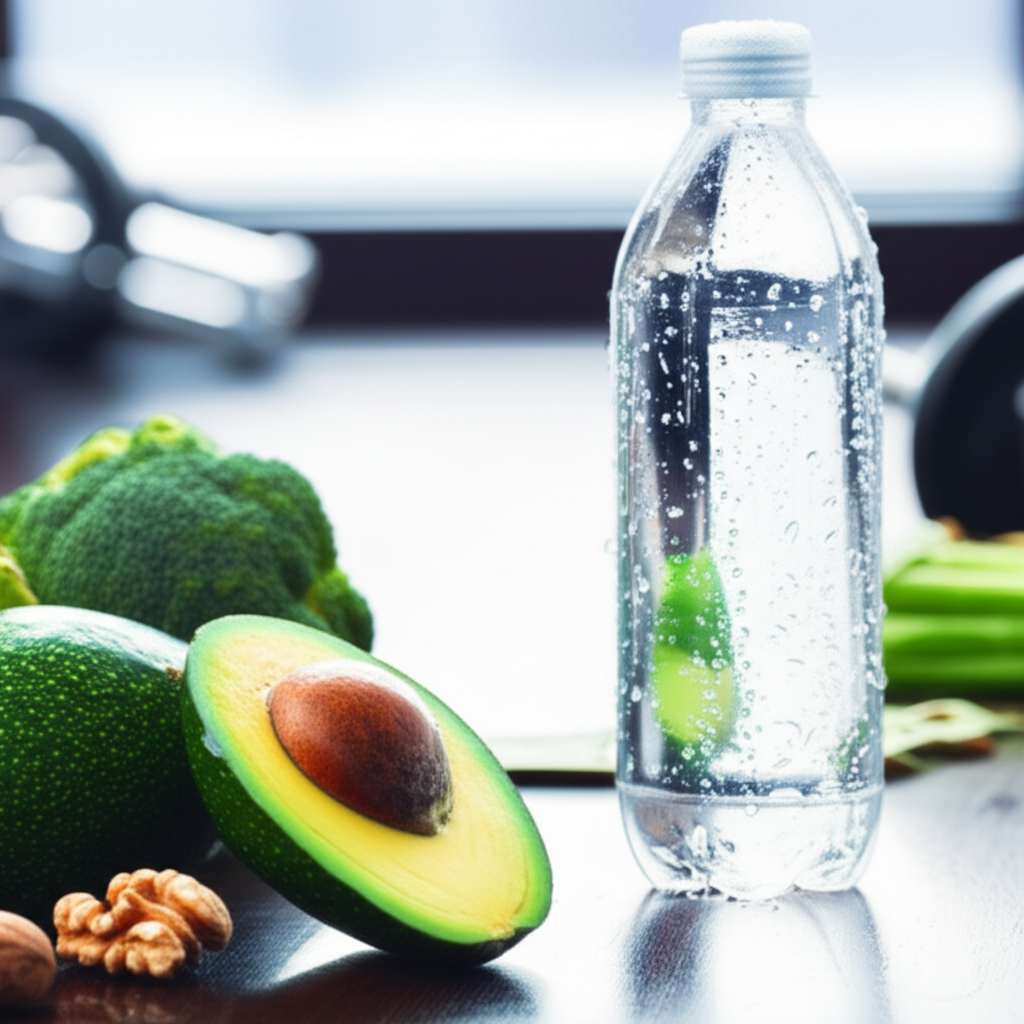
Sometimes, we think we’re eating healthy, but we’re still consuming too many calories. Those “healthy” snacks, extra sauces, or big portions can add up quickly. Even drinks can have a lot of calories! It’s easy to underestimate how much we’re actually eating. Paying attention to portion sizes and what’s in your food is super important.
Are You Not Moving Enough?
On the flip side, maybe you’re not burning enough calories. A short workout here and there is great, but if the rest of your day is spent sitting, your total calorie burn might be lower than you think. We need to move our bodies consistently to create that energy gap for fat burning.
The Role of Your Metabolism
Metabolism is like your body’s engine. It’s the process of converting food and drinks into energy. A faster metabolism burns more calories, even when you’re resting. Some people naturally have a faster metabolism, but you can also boost yours!
Muscle is Your Fat-Burning Friend
Muscle tissue burns more calories than fat tissue, even when you’re just chilling. This means the more muscle you have, the higher your metabolism. If you’re only doing cardio and not building muscle, you might be missing out on a big fat-burning opportunity. Strength training is key here!
How Sleep Affects Fat Burn
Not getting enough sleep can mess with your hormones. Hormones like ghrelin (which makes you hungry) and leptin (which tells you you’re full) can get out of whack. This can lead to increased hunger and cravings, making it harder to stick to your goals. Aim for 7-9 hours of quality sleep each night. Your body repairs and rebuilds while you sleep, which is crucial for fat loss!
Stress Can Be a Fat-Stopper
When you’re stressed, your body releases a hormone called cortisol. High levels of cortisol can encourage your body to store more fat, especially around your belly. It can also increase your cravings for sugary, high-fat foods. Finding ways to manage stress, like deep breathing or a relaxing walk, is really helpful.
Why Cardio Alone Might Not Be Enough
Cardio is fantastic for burning calories during your workout. Think running, swimming, or cycling. It’s great for your heart health too! But if you’re only doing cardio, you might hit a plateau. Your body gets really efficient at it, so you burn fewer calories over time doing the same routine.
The Power of Strength Training
Adding strength training to your routine is a game-changer. Lifting weights or doing bodyweight exercises builds muscle. Remember, more muscle means a higher metabolism, which helps you burn more fat 24/7, even when you’re not exercising. It’s like giving your body a built-in fat-burning furnace!
HIIT: The Quick Fat-Burning Boost
High-Intensity Interval Training (HIIT) involves short bursts of intense exercise followed by brief recovery periods. It’s super effective for burning calories in a short amount of time. Plus, it can keep your metabolism boosted for hours after your workout is done. Talk about an afterburn effect!
| Workout Type | What It Does | Great For |
|---|---|---|
| Cardio (e.g., jogging, cycling) | Burns calories during the workout. | Heart health, endurance, burning calories. |
| Strength Training (e.g., weights, bodyweight) | Builds muscle, which boosts metabolism. | Increasing resting calorie burn, toning the body. |
| HIIT (e.g., burpees, sprints) | Burns lots of calories quickly and boosts metabolism after. | Time-efficient fat burning, improving fitness fast. |
Nutrition: Fueling Your Fat Burn
What you eat plays a HUGE role in fat burning. It’s not about starving yourself; it’s about fueling your body with the right stuff.
Protein Power!
Eating enough protein is super important. Protein helps you feel full longer, which can reduce cravings. It also helps build and repair muscle, which, as we know, boosts your metabolism. Think lean meats, fish, eggs, beans, and tofu.
Don’t Fear Healthy Fats
Healthy fats are essential for your body and can actually help with fat loss. They help you absorb vitamins and keep you feeling satisfied. Good sources include avocados, nuts, seeds, and olive oil. Just remember, they are calorie-dense, so enjoy them in moderation.
Carbs: The Good, The Bad, and The Fuel
Carbohydrates give you energy! The key is choosing the right ones. Opt for complex carbs like whole grains, fruits, and vegetables. These provide sustained energy and are packed with fiber, which helps with fullness and digestion. Limit simple carbs like sugary drinks and white bread, which can cause energy crashes and don’t keep you full.
Hydration Station: Drink Up!
Water is your best friend when it comes to fat burning. It helps your body function properly, boosts metabolism, and can even help you feel fuller. Aim to drink plenty of water throughout the day. Don’t wait until you’re thirsty!
Simple Meal Ideas to Get You Started
- Breakfast: Oatmeal with berries and a sprinkle of nuts, or scrambled eggs with spinach.
- Lunch: A big salad with grilled chicken or chickpeas, loaded with veggies and a light vinaigrette.
- Dinner: Baked salmon with roasted broccoli and quinoa, or lentil soup with a side of whole-grain bread.
- Snacks: An apple with a tablespoon of peanut butter, a handful of almonds, or Greek yogurt.
Common Mistakes That Stall Fat Loss
We all make mistakes, especially when we’re starting out! Here are a few common pitfalls to watch out for:
- Not being consistent: Sporadic workouts and healthy eating won’t bring consistent results. Stick with it!
- Focusing only on the scale: Your weight can fluctuate. Pay attention to how your clothes fit, your energy levels, and how strong you feel.
- Doing too much too soon: Trying to change everything at once can be overwhelming and lead to burnout. Start small!
- Skipping meals: This can slow down your metabolism and lead to overeating later.
- Not tracking your food: It’s easy to lose track of what you’re eating. A little tracking can be very eye-opening.
- Ignoring sleep and stress: These are just as important as diet and exercise for fat loss.
Let’s Build a Simple Fat-Burning Routine
Getting started doesn’t have to be complicated. Here’s a simple way to build a routine that works for you.
Step 1: Move More Every Day
Aim for at least 30 minutes of moderate activity most days of the week. This could be a brisk walk, dancing in your living room, or cycling. Find something you enjoy!
Step 2: Add Strength Training Twice a Week
You don’t need a gym! You can do bodyweight exercises like squats, push-ups (even on your knees!), lunges, and planks. Focus on proper form.
Here’s a quick beginner strength routine:
- Bodyweight Squats: 3 sets of 10-12 reps.
- Push-ups (on knees or toes): 3 sets of as many reps as you can with good form.
- Lunges: 3 sets of 10-12 reps per leg.
- Plank: 3 sets, hold for 20-30 seconds.
- Glute Bridges: 3 sets of 15 reps.
Step 3: Focus on Whole Foods
Fill your plate with colorful fruits and vegetables, lean proteins, and whole grains. Try to limit processed foods and sugary drinks.
Step 4: Prioritize Sleep
Set a regular bedtime and wake-up time, even on weekends. Create a relaxing bedtime routine.
Step 5: Manage Your Stress
Find a few minutes each day to do something calming. This could be deep breathing exercises, meditation, journaling, or listening to music.
| Day | Activity | Duration | Notes |
|---|---|---|---|
| Monday | Brisk Walking | 30 minutes | Focus on speed and incline if possible. |
| Tuesday | Strength Training (Full Body) | 30 minutes | Bodyweight exercises (see list above). |
| Wednesday | Active Rest (light walk, stretching) | 20-30 minutes | Gentle movement to help recovery. |
| Thursday | Cardio (e.g., cycling, dancing) | 30 minutes | Choose something fun! |
| Friday | Strength Training (Full Body) | 30 minutes | Bodyweight exercises. |
| Saturday | Long Walk or Hike | 45-60 minutes | Enjoy being outdoors. |
| Sunday | Rest or Light Activity | Flexible | Listen to your body. |
Frequently Asked Questions
Got more questions? We’ve got simple answers for you!
How long does it take to burn fat?
Fat burning is a journey, not a race! You might start noticing changes in a few weeks, but consistent effort over months will bring the best results. Focus on progress, not perfection!
What’s the best time to work out?
The best time is whenever you can stick with it! Some people feel more energized in the morning, while others prefer evenings. Experiment and see what works for your schedule and energy levels.
Do I need a gym to lose weight?
Absolutely not! You can get amazing results with bodyweight exercises at home, resistance bands, or even just using your environment. The key is consistency and effort, not fancy equipment.
How can I stay motivated every day?
Set realistic goals, find a workout buddy, track your progress, and celebrate small wins! Remind yourself why you started and focus on how good exercise makes you feel.
What should I eat before or after exercise?
Before, a small snack with carbs and protein (like a banana or yogurt) can give you energy. After, a meal or snack with protein and carbs helps with muscle recovery. Hydration is always key!
How much water should I drink daily?
A good general goal is around 8 glasses (64 ounces) a day, but this can vary. Listen to your body and drink more when you’re active or it’s hot. Staying hydrated is crucial!
How many rest days should I take?
Rest days are super important for muscle repair and preventing burnout. Aim for 1-2 rest days per week, depending on your intensity. Your body needs time to recover and get stronger!
You’ve Got This!
Feeling like you’re not burning fat can be discouraging, but it’s usually just a sign that it’s time to make a few smart adjustments. By understanding the energy balance, boosting your metabolism with muscle, managing stress, getting enough sleep, and fueling your body with nutritious foods, you’re setting yourself up for success. Remember, every little step you take counts. Consistency is your superpower!
Don’t aim for perfection; aim for progress. Celebrate every workout completed, every healthy meal chosen, and every good night’s sleep. You are stronger and more capable than you think. Keep moving, keep fueling your body well, and most importantly, keep believing in yourself. You’ve got this — one step, one day at a time!
As an Amazon Associate, We earn from qualifying purchases. When you purchase a product through Amazon links on pulsefitguide.com, we may earn a small commission at no extra cost to you. This helps support the site and keep our content free.
