


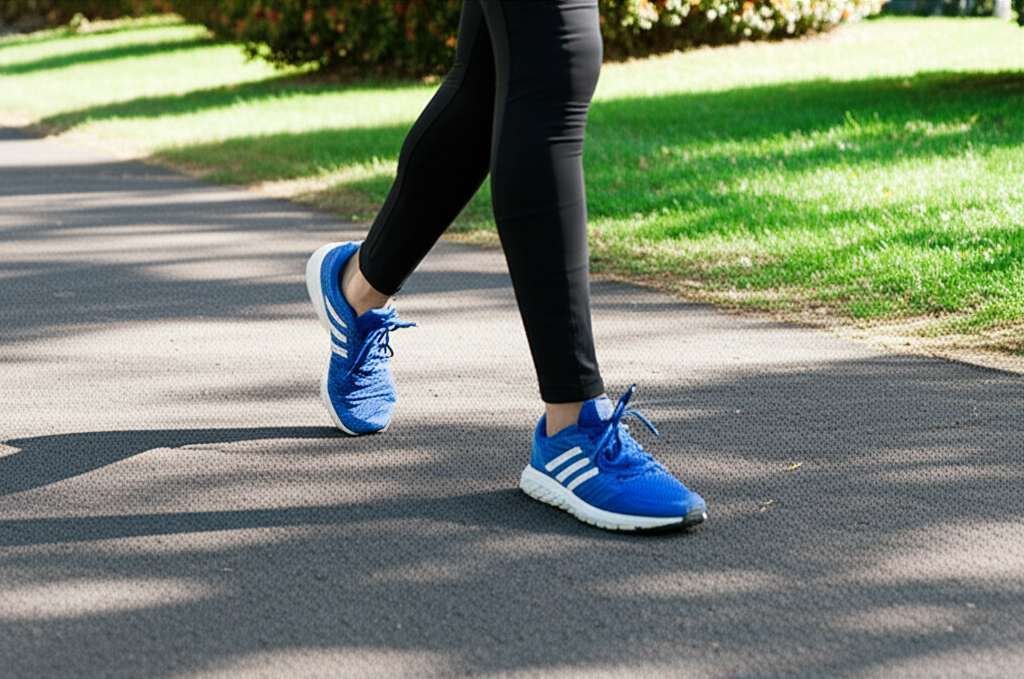
Yes, you absolutely can lose weight by walking 2 hours a day! It’s a fantastic, sustainable way to burn calories, boost your metabolism, and see amazing results with consistent effort. Let’s get moving!
Feeling a bit stuck or unsure where to begin your fitness journey? You’re not alone! Many of us look for simple, effective ways to shed some pounds and feel healthier. The good news is, you don’t need fancy equipment or complicated routines to make a real difference. Getting your body moving is key, and walking is one of the most accessible and enjoyable ways to do it. Ready to discover how a daily walk can transform your health? Let’s dive in and uncover the amazing potential of walking for weight loss!
Can I Lose Weight By Walking 2 Hours a Day? The Big Picture!
So, can you really lose weight by walking for two hours every single day? The short answer is a resounding YES! Think of it this way: every step you take burns calories. When you walk for a significant amount of time like two hours, you’re creating a calorie deficit, which is the magic ingredient for weight loss. Your body will start tapping into its stored fat for energy, and that’s where the amazing results come in. It’s like a gentle, steady push that helps your body become a more efficient fat-burning machine.
Your Walking Power Plan: How to Make It Work
Walking two hours a day might sound like a lot at first, but we can break it down into manageable chunks. The goal is consistency, not perfection!

Step 1: Start Where You Are
Don’t worry if you’re not ready for two hours straight away. That’s totally okay!
- Begin with 30-60 minutes each day.
- Gradually add 10-15 minutes each week.
- Listen to your body and build up slowly.
Step 2: Break It Up!
Two hours can feel long, so splitting it up is a smart move.
- Try a 1-hour walk in the morning.
- Then, fit in another 1-hour walk in the afternoon or evening.
- Even three 40-minute walks work perfectly!
Step 3: Find Your Pace
A brisk walk is what we’re aiming for. You should be able to talk, but not sing.
- Aim for a pace that gets your heart pumping.
- This helps burn more calories and boosts your metabolism.
Step 4: Make it Interesting
Keep your walks fun so you stick with them!

- Explore new routes in your neighborhood.
- Listen to your favorite music or podcasts.
- Walk with a friend for company and motivation.
The Science Bit (Made Simple!)
Your body uses energy (calories) for everything it does, from breathing to thinking to moving. When you walk, you use more energy than when you’re sitting. To lose weight, you need to use more energy than you consume. Walking for two hours a day burns a significant number of calories.
Here’s a simple look at calorie burn. This can vary based on your weight, speed, and the terrain.
| Activity | Calories Burned (Approx. per hour) |
|---|---|
| Brisk Walking (3.5 mph) | 280-330 calories |
| Very Brisk Walking (4.0 mph) | 350-400 calories |
| Walking Uphill/Hilly Terrain | 400-500+ calories |
If you walk for two hours at a brisk pace, you could be burning anywhere from 560 to 660 calories or even more! That’s a big chunk of energy expenditure that adds up quickly.
Amazing Results You Can Expect
When you commit to walking two hours a day, you’re setting yourself up for some fantastic changes.
Fat Burning Power
Walking is a superb fat-burning activity. Your body becomes more efficient at using fat for fuel. Over time, you’ll notice a difference in your body composition. Less fat, more lean muscle – that’s the goal!
Boosted Metabolism
Regular, consistent exercise like walking speeds up your metabolism. This means your body burns more calories even when you’re resting. It’s like giving your internal engine a tune-up!
Improved Heart Health
Walking strengthens your heart and improves circulation. This lowers your risk of heart disease and helps you feel more energetic overall. A happy heart means a happy you!
More Energy and Better Mood
It might seem counterintuitive, but expending energy by walking actually gives you more energy. Plus, walking releases endorphins, those feel-good chemicals that lift your mood and reduce stress.
Weight Loss!
This is the big one! By consistently burning more calories than you consume, you will lose weight. The results can be significant and sustainable when combined with healthy eating.
Fueling Your Walks: Simple Nutrition Tips
Walking is great, but what you eat plays a huge role in weight loss. You don’t need a complicated diet! Focus on nourishing your body.
Pre-Walk Snack Ideas (If Needed)
If you feel you need a little energy boost before your walk, keep it light and easy to digest.
- A small banana
- A handful of berries
- A few whole-wheat crackers
- A small piece of toast
Post-Walk Recovery Bites
Replenish your body after your walk with a balanced snack or meal.
- Greek yogurt with fruit
- A smoothie with protein powder and spinach
- An apple with a tablespoon of peanut butter
- A small chicken breast with a side of veggies
Hydration is Key
Don’t forget to drink plenty of water!
- Sip water throughout the day.
- Drink extra water before, during, and after your walks.
- This helps with energy levels and overall health.
General Healthy Eating Habits
Focus on whole, unprocessed foods.
- Load up on vegetables and fruits.
- Choose lean proteins like chicken, fish, beans, and lentils.
- Opt for whole grains like oats, brown rice, and quinoa.
- Limit sugary drinks and processed snacks.
Making Walking a Lifestyle: Beyond the Two Hours
To truly see amazing results and keep them, integrate walking into your daily life.
Add More Steps Throughout Your Day
Those two hours are fantastic, but every little bit counts!
- Take the stairs instead of the elevator.
- Park further away from your destination.
- Go for short walks during your lunch break.
- Walk around while you’re on the phone.
Incorporate Variety
Keep your body challenged and prevent boredom.
- Try incorporating hills into your walks.
- Walk on different surfaces like trails or sand.
- Add some strength training a couple of times a week.
Listen to Your Body
Rest is just as important as exercise!
- If you’re feeling sore or tired, take a shorter walk or a rest day.
- This prevents injury and allows your body to recover.
Sample Weekly Walking Schedule
Here’s a way to visualize how you can structure your walks. Remember, this is a template – adjust it to fit your life!
| Day | Morning Walk (Approx.) | Afternoon/Evening Walk (Approx.) | Total Daily Walking | Notes |
|---|---|---|---|---|
| Monday | 60 minutes (Brisk) | 60 minutes (Moderate pace, scenic route) | 120 minutes | Focus on enjoying the journey! |
| Tuesday | 75 minutes (Steady pace) | 45 minutes (Incorporate some hills) | 120 minutes | Challenge yourself with inclines. |
| Wednesday | 60 minutes (Moderate) | 60 minutes (Listen to a podcast) | 120 minutes | Mental recharge time. |
| Thursday | 90 minutes (Steady, outdoor) | 30 minutes (Gentle pace, focus on breathing) | 120 minutes | Mindful movement. |
| Friday | 60 minutes (Brisk, interval style – faster bursts) | 60 minutes (Fun exploration walk) | 120 minutes | End the week strong and fun! |
| Saturday | 120 minutes (Leisurely, long walk in nature) | – | 120 minutes | Enjoy a longer, relaxed walk. |
| Sunday | 45 minutes (Gentle recovery walk) | – | 45 minutes | Active recovery day. |
Common Pitfalls to Avoid
It’s easy to get discouraged if things don’t go perfectly. Here are a few things to watch out for:
- Not drinking enough water: Dehydration can make you feel tired and sluggish.
- Eating too much junk food: Walking burns calories, but a poor diet can undo your hard work.
- Doing too much too soon: Pushing yourself too hard can lead to injury or burnout.
- Comparing yourself to others: Everyone’s journey is unique. Focus on your progress!
- Skipping rest days: Your body needs time to recover and rebuild.
Frequently Asked Questions About Walking for Weight Loss
How long does it take to burn fat?
It takes time and consistency! You’ll start burning fat from your first walk, but noticeable changes often show after a few weeks of regular exercise and healthy eating. Keep at it!
What’s the best time to work out?
The best time is whenever you can consistently do it! Some people love morning walks for energy, others prefer evening strolls to unwind. Find what fits your schedule and energy levels.
Do I need a gym to lose weight?
Absolutely not! Walking is a fantastic, free way to lose weight. You can do it anywhere, anytime. You can also add bodyweight exercises at home for a great full-body workout.
How can I stay motivated every day?
Set small goals, track your progress, find a walking buddy, explore new places, and remind yourself why you started. Celebrate your wins, big or small!
What should I eat before or after exercise?
Before, keep it light – a banana or some crackers. After, have a balanced snack or meal with protein and carbs, like yogurt with fruit or a chicken salad. This helps with recovery.
How much water should I drink daily?
A good general guideline is about eight 8-ounce glasses (around 2 liters). Increase this if you’re exercising, especially for long durations like two hours, and on hot days.
How many rest days should I take?
Listen to your body! For a consistent walking routine, you might only need one active recovery day (a gentle walk) per week. If you’re feeling very sore or tired, an extra rest day is a good idea.
Your Journey Starts Now!
Walking two hours a day is a powerful tool for weight loss and overall health. It’s simple, effective, and incredibly rewarding. Remember, progress isn’t about being perfect; it’s about being consistent. Every step you take is a victory. You are capable of amazing things, and this journey is about discovering just how strong and healthy you can become. Lace up those shoes, step outside, and embrace the incredible results waiting for you. You’ve got this – one step, one day at a time!
As an Amazon Associate, We earn from qualifying purchases. When you purchase a product through Amazon links on pulsefitguide.com, we may earn a small commission at no extra cost to you. This helps support the site and keep our content free.
