



Quick Summary: The “fat-burning zone” is about intensity for steady fat release, while the “cardio zone” is about overall heart health and peak performance. Both are great, but knowing the difference helps you smash your fitness goals faster!
Feeling a little lost when it comes to your workout intensity? You’re not alone! So many of us jump into exercise hoping for amazing results, but sometimes the lingo can feel like a whole other language. We hear about “fat-burning zones” and “cardio zones” and wonder if they’re the same thing or if one is secretly better. Let’s clear this up together! We’re going to break down what these zones really mean in a super simple way. Get ready to feel confident and motivated as we discover how to use them to ignite your results. You’ll be crushing your workouts with a smile in no time!
What’s All This Talk About Zones?
Think of your heart rate like a dial. When you exercise, your heart beats faster. This speed is measured in beats per minute (BPM). Fitness trackers and machines often talk about “zones” based on how fast your heart is beating. These zones tell you how hard your body is working. They help you tailor your workouts for specific goals, like burning more fat or improving your endurance. It’s like having a secret map to get the most out of every single sweat session!
The Fat-Burning Zone: Steady Wins the Race
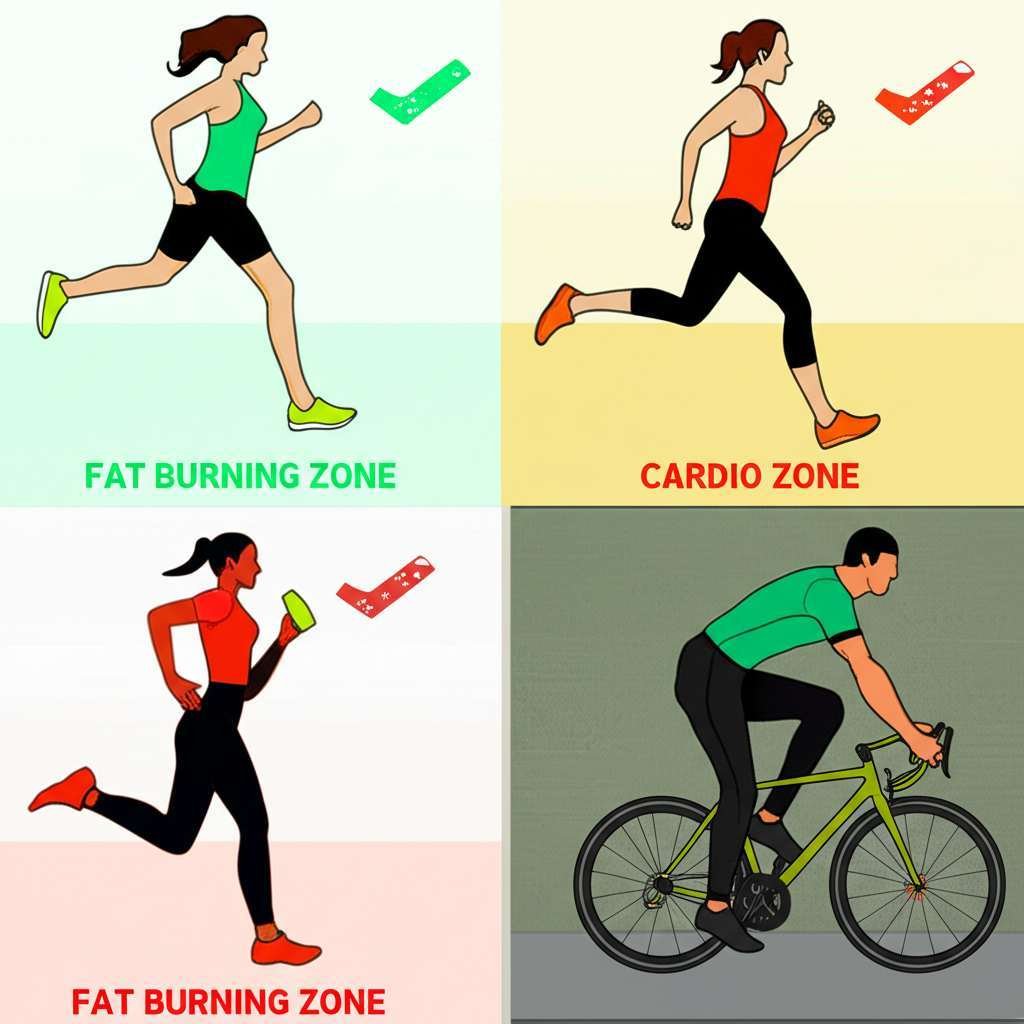
Let’s talk about the “fat-burning zone.” This is the sweet spot where your body uses a higher percentage of fat for fuel. It’s usually at a lower to moderate intensity. Imagine going for a brisk walk or a gentle jog. Your heart rate is elevated, but you can still hold a conversation. This zone is fantastic for building a solid foundation and helping your body become more efficient at burning fat over longer periods. It’s about consistency and letting your body work smart!
How to Find Your Fat-Burning Zone
Your fat-burning zone is typically around 60-70% of your maximum heart rate. To find your maximum heart rate, a simple way is to subtract your age from 220. For example, if you’re 30, your estimated max heart rate is 190 BPM (220 – 30 = 190). So, your fat-burning zone would be roughly between 114 and 133 BPM (190 0.60 = 114, 190 0.70 = 133).
But don’t get too hung up on the exact numbers! The “talk test” is a great beginner-friendly way to gauge it. If you can talk but not sing, you’re likely in this zone. It’s all about finding that comfortable, sustainable effort level.
Why is the Fat-Burning Zone Great?
- Uses More Fat: Your body taps into fat stores for energy.
- Sustainable: You can maintain this intensity for longer periods.
- Builds Endurance: Great for improving your stamina.
- Lower Impact: Often less stressful on your joints.
- Beginner Friendly: Easy to get into and build confidence.
The Cardio Zone: Pushing Your Limits
Now, let’s look at the “cardio zone.” This is where you push your heart rate a bit higher, usually between 70-85% of your maximum heart rate. Think of activities like running, cycling fast, or doing a circuit workout. You’ll notice you can only speak in short sentences. This zone is brilliant for improving your cardiovascular fitness, boosting your metabolism, and burning more calories overall in a shorter amount of time. It’s about challenging yourself for maximum impact!
How to Find Your Cardio Zone
Using our 30-year-old example (max heart rate of 190 BPM), the cardio zone would be approximately between 133 and 161 BPM (190 0.70 = 133, 190 0.85 = 161). Again, the talk test is super helpful here. If you can only manage a few words at a time, you’re probably in the cardio zone. It feels more challenging, and you’ll be breathing harder.
Why is the Cardio Zone Amazing?
- Higher Calorie Burn: You burn more calories in less time.
- Improved Heart Health: Strengthens your heart and lungs significantly.
- Boosts Metabolism: Can lead to a higher metabolism even after your workout.
- Enhanced Performance: Helps you get faster and stronger.
- More Variety: Opens up more intense and exciting workout options.
Fat Burning Zone vs. Cardio Zone: The Big Picture
So, what’s the main difference? It all comes down to intensity and what your body prioritizes for fuel. The fat-burning zone uses a higher percentage of fat for energy, while the cardio zone burns more total calories and provides greater cardiovascular benefits. Neither is inherently “better” – they just serve different, but equally important, purposes!
Here’s a simple way to see it:
| Feature | Fat-Burning Zone | Cardio Zone |
|---|---|---|
| Intensity Level | Low to Moderate (60-70% Max Heart Rate) | Moderate to High (70-85% Max Heart Rate) |
| Primary Fuel Source | Higher percentage of fat | Higher percentage of carbohydrates, more total calories burned |
| Duration | Can be sustained for longer periods | Typically shorter durations due to higher intensity |
| Main Benefit | Efficient fat utilization, endurance building | Cardiovascular improvement, higher calorie burn, metabolism boost |
| Talk Test | Can talk comfortably, but not sing | Can speak only a few words at a time |
Putting It All Together: Creating Your Perfect Workout Mix
The magic happens when you combine both zones! A well-rounded fitness plan includes a mix of intensities. This helps you achieve different goals and prevents boredom. You get the benefits of steady fat burning and the powerful results of higher-intensity training.
Sample Workout Mix for Beginners
Let’s plan a week that gives you a taste of both zones. Remember, listen to your body and adjust as needed!
- Monday: Brisk Walk or Light Cycling (Fat-Burning Zone) – 30-40 minutes. Focus on maintaining a steady pace where you can chat.
- Tuesday: Strength Training (Can be lower intensity) – 20-30 minutes. This builds muscle, which helps burn more calories even at rest.
- Wednesday: Active Recovery or Rest. Light stretching or a very gentle walk.
- Thursday: Interval Training (Mix of Cardio and Recovery) – 20-25 minutes. Try this: 1 minute of faster running/cycling (Cardio Zone), followed by 2 minutes of slower walking (Fat-Burning Zone). Repeat 6-8 times.
- Friday: Full Rest or very light activity like yoga.
- Saturday: Longer Steady-State Cardio (Fat-Burning Zone) – 45-60 minutes. Think hiking, swimming, or a long bike ride at a comfortable pace.
- Sunday: Light activity or Rest.
Simple Tips to Boost Fat Burning
Beyond just your workout zone, here are some easy things you can do to help your body burn fat more effectively:
- Stay Hydrated: Drink plenty of water throughout the day. It helps your metabolism run smoothly.
- Eat Smart: Focus on whole foods like lean proteins, fruits, veggies, and whole grains.
- Prioritize Sleep: Aim for 7-9 hours of quality sleep. Lack of sleep can mess with your hormones and make fat loss harder.
- Move More Daily: Take the stairs, walk during breaks, stand up often. Every little bit counts!
- Be Patient: Fat loss is a journey, not a race. Celebrate small wins along the way.
Common Mistakes to Avoid
Let’s steer clear of these common hiccups so you can keep making progress!
- Only Doing One Type of Workout: Sticking only to low-intensity or only high-intensity can limit your results. Variety is key!
- Ignoring Your Body: Pushing too hard every day can lead to burnout or injury. Rest is just as important as exercise.
- Skipping Warm-ups and Cool-downs: These prepare your body and help it recover, reducing injury risk.
- Focusing Only on the Scale: Your weight can fluctuate. Pay attention to how your clothes fit, your energy levels, and how strong you feel!
- Getting Discouraged by Plateaus: It’s normal for progress to slow down sometimes. Stick with it, and you’ll break through!
Frequently Asked Questions (FAQs)
Got more questions? We’ve got answers!
- How long does it take to burn fat?
- Fat loss is a journey! You’ll start seeing changes in how you feel and look within a few weeks, but significant changes often take months of consistent effort. Be patient with yourself!
- What’s the best time to work out for fat burning?
- The “best” time is whenever you can stick with it consistently! Some people find morning workouts help kickstart their metabolism, while others prefer evenings to de-stress. Experiment and find what fits YOUR schedule best.
- Do I need a gym to lose weight and burn fat?
- Absolutely not! You can get amazing results with bodyweight exercises at home, outdoor activities, or simple equipment like resistance bands. The gym is just one option.
- How can I stay motivated every day?
- Set small, achievable goals, find a workout buddy, try new activities to keep things fun, and celebrate your progress! Remind yourself why you started and focus on how good exercise makes you feel.
- What should I eat before or after exercise?
- Before, a light snack with carbs (like a banana) can give you energy. After, focus on protein and carbs (like chicken and rice, or Greek yogurt with berries) to help your muscles recover and refuel.
- How much water should I drink daily?
- A general guideline is about 8 cups (64 ounces) a day, but you’ll need more if you exercise or it’s hot. Listen to your body – if you’re thirsty, drink up!
- How many rest days should I take?
- Rest days are crucial for muscle repair and preventing burnout. Aim for 1-3 rest days per week, depending on your workout intensity and how your body feels. Active recovery on rest days is also great!
Your Fitness Journey Starts Now!
See? It’s not so complicated! Understanding the difference between the fat-burning zone and the cardio zone is a fantastic tool for your fitness toolkit. By mixing these intensities into your routine, you’re setting yourself up for success. You’re not just working out; you’re working smarter. Remember, every step you take, every workout you complete, is a victory. Embrace the process, be kind to yourself, and enjoy the amazing feeling of getting stronger and healthier.
You’ve got this – one step, one day at a time!
As an Amazon Associate, We earn from qualifying purchases. When you purchase a product through Amazon links on pulsefitguide.com, we may earn a small commission at no extra cost to you. This helps support the site and keep our content free.
