


Quick Summary
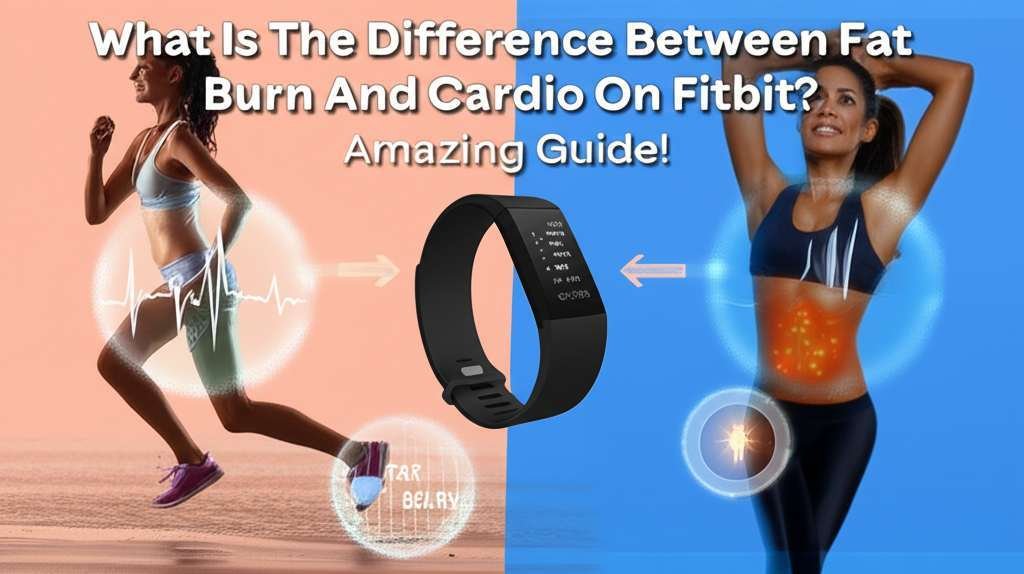
Fitbit’s “Fat Burn” zone means you’re working at a moderate intensity to burn calories efficiently for weight loss. “Cardio” zone means you’re pushing harder, improving your heart health and endurance. Both are great for your health, just used for slightly different goals!
Hey there! Feeling a little lost when you look at your Fitbit stats? You’re not alone! It’s super common to wonder what all those different heart rate zones really mean, especially when you see terms like “Fat Burn” and “Cardio.” It can feel like a puzzle, right?
But guess what? It doesn’t have to be complicated! We’re going to break it down super simply. Think of me as your friendly coach, here to help you understand your Fitbit so you can crush your fitness goals. We’ll make burning fat and getting healthier feel easy and fun. Let’s get started and unlock the secrets to your best workouts!
Understanding Your Fitbit’s Heart Rate Zones
Your Fitbit is like a little fitness buddy on your wrist. It tracks your heart rate during workouts. This heart rate changes depending on how hard you’re working. Fitbit uses these heart rates to show you different “zones.” These zones help you see what your body is doing during exercise.
There are usually a few zones: Peak, Cardio, Fat Burn, and sometimes others. Today, we’re focusing on Fat Burn and Cardio. They are key for reaching different fitness aims.
What’s the “Fat Burn” Zone All About?
So, what exactly is the Fat Burn zone on your Fitbit? This is where the magic happens for weight loss! When you’re in the Fat Burn zone, your heart rate is at a moderate level. This means you’re working hard enough to burn a good amount of calories, and a higher percentage of those calories are coming from fat.
Think of it as your “steady-state” zone. You can usually keep up a conversation, but you’re definitely working. This zone is perfect for longer workouts. It helps your body get really good at using fat for fuel. That’s a big win for shedding those extra pounds!
How to Get Into the Fat Burn Zone
Getting into this zone is simpler than you might think! It’s all about finding that sweet spot of effort.
- Start Slow: If you’re new to exercise, begin with a brisk walk. You want to feel your heart rate go up, but not so much that you’re gasping for air.
- Find Your Pace: Aim for an activity that feels challenging but sustainable. This could be jogging, cycling at a moderate pace, or even dancing!
- Listen to Your Body: You should be able to talk, but not sing. If you can sing, you might need to pick up the pace a little. If you can barely speak, slow down a bit.
- Duration Matters: Spend a good chunk of your workout in this zone. Aim for 30 minutes or more. The longer you stay here, the more fat you’ll burn.
Your Fitbit will usually show you when you enter this zone. It’s like a little badge of honor telling you you’re doing great work for fat loss!
What Does the “Cardio” Zone Mean?
Now, let’s talk about the Cardio zone. This zone is all about pushing your limits a bit more! When you’re in the Cardio zone, your heart rate is higher. This means you’re working at a more intense level. This zone is amazing for improving your heart health and building endurance.
While you still burn calories and fat in this zone, the main benefit here is boosting your cardiovascular fitness. You’ll likely find it harder to hold a conversation. You might only be able to speak a few words at a time. This zone is great for shorter, more intense bursts of activity.
How to Reach the Cardio Zone
Entering the Cardio zone requires a bit more effort. Here’s how you can get there:
- Increase Intensity: This means picking up the pace significantly. Think of running faster, cycling uphill, or doing high-intensity interval training (HIIT).
- Short Bursts: You don’t need to stay in this zone for as long as the Fat Burn zone. Short, intense intervals are very effective.
- Challenge Yourself: You should feel breathless and find it difficult to talk. This is where your body gets stronger and fitter.
- HIIT Workouts: High-Intensity Interval Training is a fantastic way to spend time in the Cardio zone. You’ll do short bursts of maximum effort followed by brief rests.
Remember, pushing into the Cardio zone is fantastic for your heart and lungs. It makes your body more efficient and resilient. Just be sure to warm up properly before and cool down afterward!
Fat Burn vs. Cardio: What’s the Real Difference?
Okay, let’s put it all together. The main difference between the Fat Burn zone and the Cardio zone on your Fitbit comes down to intensity and your primary goal during that workout.
Fat Burn Zone:
- Intensity: Moderate.
- Goal: Maximize calorie burn, with a higher percentage coming from fat. Great for weight loss.
- Feel: Challenging but sustainable. You can talk, but not sing.
- Workout Type: Longer, steady-state activities like brisk walking, jogging, cycling, or swimming.
Cardio Zone:
- Intensity: High.
- Goal: Improve cardiovascular health, increase endurance, and boost metabolism.
- Feel: Difficult to talk. You’re breathing hard.
- Workout Type: Shorter, more intense activities like running, HIIT, intense cycling, or sports.
It’s not about one being “better” than the other. They both serve important purposes in a well-rounded fitness plan!
Why Both Zones Are Important for Your Fitness Journey
You might be thinking, “Which one should I focus on?” The best answer is: both! A balanced fitness routine includes activities that challenge you in different ways.
Benefits of Fat Burn Zone:
- Excellent for beginners.
- Helps build an aerobic base.
- Sustainable for longer workouts.
- Efficiently uses fat for energy.
- Great for recovery days.
Benefits of Cardio Zone:
- Significantly improves heart and lung health.
- Boosts your metabolism for hours after exercise (the “afterburn” effect).
- Increases your stamina and endurance.
- Can lead to faster improvements in fitness.
- Great for breaking through plateaus.
By incorporating both types of workouts, you give your body a complete fitness experience. You’ll burn fat, build a strong heart, and feel more energetic overall.
Your Fitbit’s Zone Settings
Your Fitbit calculates these zones based on your personal heart rate. It uses your age to estimate your maximum heart rate. Then, it figures out the percentage ranges for each zone.
Typical Zone Percentages (may vary slightly by Fitbit model):
- Peak Zone: 80-100% of max heart rate.
- Cardio Zone: 70-80% of max heart rate.
- Fat Burn Zone: 50-70% of max heart rate.
You can often customize these zones in your Fitbit app if you have specific target heart rates or know your actual maximum heart rate. But for most beginners, the default settings are a great starting point!
Sample Workout Plan: Mixing Fat Burn and Cardio
Let’s create a simple weekly plan to show you how to mix these zones. This is just an example, so feel free to adjust it to fit your life!
| Day | Activity | Target Zone(s) | Notes |
|---|---|---|---|
| Monday | Brisk Walk or Light Jog | Fat Burn | 30-45 minutes. Focus on steady pace. |
| Tuesday | Rest or Gentle Yoga | N/A | Allow your body to recover. |
| Wednesday | HIIT Workout (e.g., jumping jacks, high knees, burpees) | Cardio / Peak | 20-30 minutes. Short bursts of intense effort with short rests. |
| Thursday | Cycling or Swimming | Fat Burn | 40-50 minutes. Maintain a moderate effort. |
| Friday | Strength Training | N/A (Heart rate may enter Fat Burn) | Focus on building muscle. Use weights or bodyweight. |
| Saturday | Longer Walk or Hike | Fat Burn | 60+ minutes. Enjoy the outdoors! |
| Sunday | Rest or Light Activity | N/A | Listen to your body. Maybe a leisurely stroll. |
This plan ensures you’re working your heart in different ways throughout the week. You’re burning fat, building endurance, and giving your body time to recover.
Quick Fat-Burning Tips
Besides your workouts, here are some simple tips to boost your fat-burning efforts:
- Stay Hydrated: Drink plenty of water throughout the day. It helps your metabolism run smoothly.
- Eat Smart: Focus on whole foods like fruits, vegetables, lean proteins, and healthy fats.
- Get Enough Sleep: Aim for 7-9 hours. Lack of sleep can affect hormones that control appetite and fat storage.
- Move More Daily: Take the stairs, walk during breaks, and stand up often. Every bit of movement counts!
- Be Consistent: Stick to your plan as much as possible. Consistency is key to seeing results.
Common Mistakes to Avoid
We all make mistakes when starting out, and that’s okay! Here are a few common ones to watch out for:
- Only Doing One Type of Workout: Neglecting either moderate-intensity or high-intensity training can limit your results.
- Not Listening to Your Body: Pushing too hard too soon can lead to injury and burnout.
- Skipping Warm-ups and Cool-downs: These are crucial for preparing your body and aiding recovery.
- Focusing Only on the Scale: Remember that fitness is about more than just weight. Notice how your clothes fit, your energy levels, and your mood!
- Giving Up Too Soon: Progress takes time. Celebrate small wins and keep going!
For more great advice on building healthy habits, check out resources like Healthline’s guide on starting exercise. They have tons of practical tips!
Frequently Asked Questions (FAQs)
Q1: How long does it take to burn fat?
A: Fat burning is a gradual process! You’ll start seeing changes and feeling fitter within a few weeks of consistent effort. Significant results often take a few months. The key is to be patient and stick with it!
Q2: What’s the best time to work out?
A: The best time is whenever you can! Some people love morning workouts to feel energized all day. Others prefer evenings to de-stress. Find a time that works consistently for you.
Q3: Do I need a gym to lose weight?
A: Nope! You can burn fat and get fit with home workouts, outdoor activities, or bodyweight exercises. Your Fitbit is a great tool no matter where you are!
Q4: How can I stay motivated every day?
A: Set realistic goals, track your progress, find a workout buddy, try new activities, and celebrate your achievements! Remind yourself why you started. You’ve got this!
Q5: What should I eat before or after exercise?
A: Before exercise, a light snack with carbs (like a banana) an hour or two ahead can give you energy. After, focus on protein and carbs within an hour or two to help your muscles recover. Water is always a good choice!
Q6: How much water should I drink daily?
A: A good general guideline is around 8 glasses (64 ounces) a day. You’ll need more if you exercise intensely or it’s hot. Listen to your thirst!
Q7: How many rest days should I take?
A: Rest days are super important for muscle repair and preventing burnout. Aim for 1-2 rest days per week, especially when starting out. Listen to your body – if you feel tired, take an extra rest day!
You’re Ready to Go!
See? Understanding your Fitbit’s Fat Burn and Cardio zones isn’t scary at all! It’s all about using that amazing tool on your wrist to guide you towards your goals.
Remember, every step you take, every beat of your heart, is progress. Don’t aim for perfection, aim for consistency. Keep moving, keep learning, and keep celebrating those wins, big or small. You’re doing a fantastic job just by being here and wanting to get healthier. You’ve got this — one step, one day at a time!
As an Amazon Associate, We earn from qualifying purchases. When you purchase a product through Amazon links on pulsefitguide.com, we may earn a small commission at no extra cost to you. This helps support the site and keep our content free.
