


Quick Summary:
Fat burning uses your stored fat for energy during exercise. Ketosis is a metabolic state where your body uses fat as its main fuel source, even at rest. Both help with fat loss, but they work in different ways! Let’s break it down simply!
Hey there, fitness friends! Feeling a little lost when you hear words like “fat burning” and “ketosis”? You’re not alone! Sometimes, fitness can sound super complicated. But I’m here to tell you it doesn’t have to be. My goal is to make getting healthy feel easy and fun, like chatting with your favorite workout buddy. We’ll break down these terms so you know exactly what’s happening in your body and how to reach your goals. Get ready to feel empowered and excited about your fitness journey!
Let’s Clear Things Up: Fat Burning vs. Ketosis!
You’ve probably heard people talk about “burning fat.” It’s the main goal for so many of us, right? We want to feel lighter, stronger, and more energetic. Then there’s “ketosis,” a word that’s become super popular. It sounds a bit more intense, maybe even a little mysterious. But don’t worry! We’re going to dive in and make it all super clear. Think of me as your friendly guide, walking you through everything step-by-step.
What Exactly is Fat Burning?
Fat burning is what your body does when it uses stored fat for energy. This happens all the time, but it really kicks into high gear when you’re active. When you move your body, whether it’s a brisk walk, a dance session, or lifting weights, your muscles need fuel. Your body can get this fuel from carbohydrates (like those yummy fruits and veggies!) or from stored fat. When you’re in a “fat-burning zone,” your body is tapping into those fat reserves.
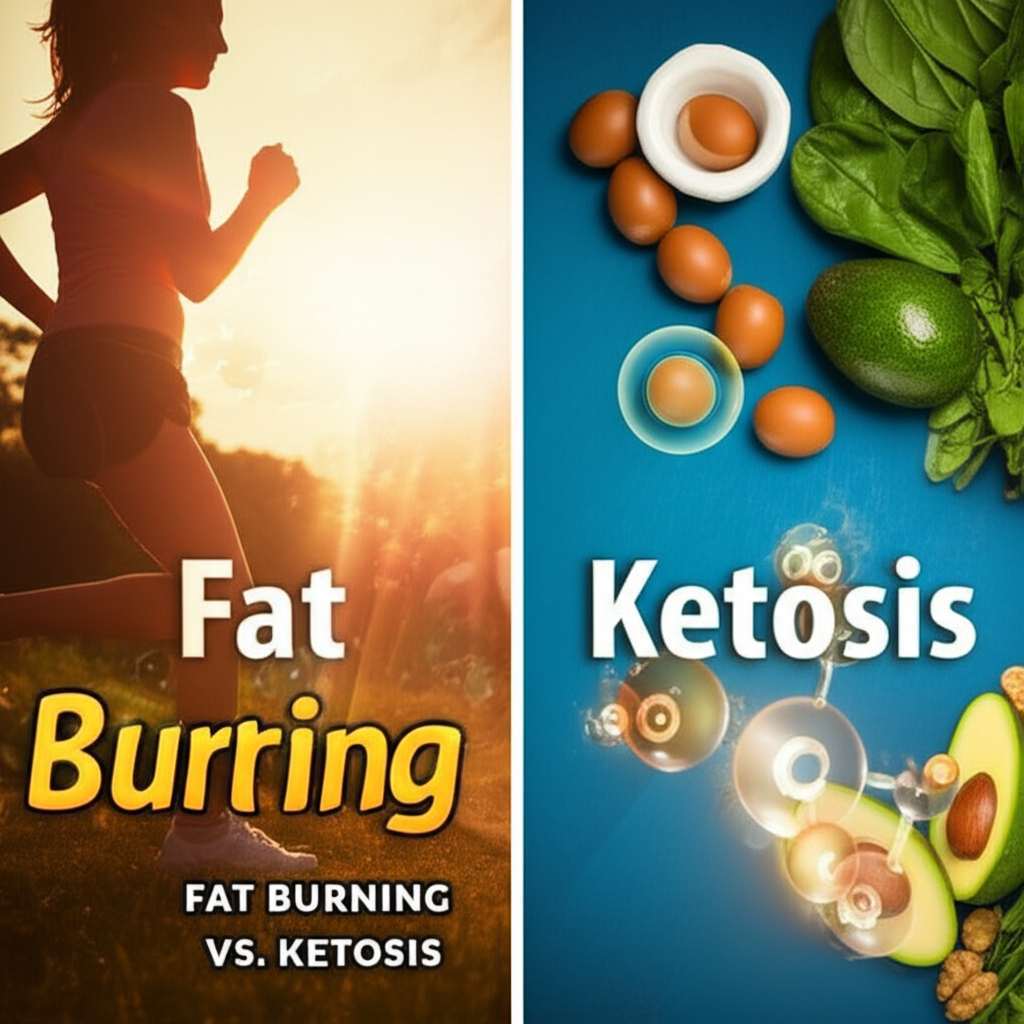
It’s like your body has a fuel tank, and it can use different types of fuel. Carbohydrates are like the quick-burning gas, giving you fast energy. Fat is like the long-lasting reserve fuel. When you exercise, especially at a moderate intensity, your body becomes really good at using that fat reserve for energy.
How Your Body Burns Fat
Here’s the simple breakdown of how your body uses fat for energy:
- Energy Needs: Your body always needs energy to do everything, from breathing to thinking to moving.
- Fuel Sources: It can use carbohydrates (from food) or stored fat.
- During Exercise: When you exercise, your body needs more energy. It starts by using up the carbs you’ve recently eaten.
- Fat Reserves: Once those carbs are used up, or if you’re exercising for a while, your body starts breaking down stored fat for more fuel.
- “Fat-Burning Zone”: This is a heart rate range where your body is using a higher percentage of fat for energy. It’s often at a moderate intensity, not super high intensity.
What is Ketosis?
Now, let’s talk about ketosis. This is a metabolic state. It means your body has changed how it gets its primary energy. Instead of relying mostly on carbohydrates, your body starts using fat as its main fuel source. This happens when you significantly reduce your carbohydrate intake.
When your body doesn’t have enough carbs for energy, it starts breaking down fat into molecules called ketones. These ketones then become your body’s main energy source. It’s a different gear your body shifts into. It’s not just about burning fat during exercise; it’s about your body running on fat all the time.
The Science, Simplified
Think of it like this:
- Low Carbs = Signal: When you eat very few carbs (usually less than 20-50 grams per day), your body gets the message that carbs are scarce.
- Insulin Drops: Your blood sugar and insulin levels drop.
- Fat Breakdown: Your body starts breaking down stored fat much more efficiently.
- Ketone Production: The liver turns this fat into ketones.
- Ketones as Fuel: Your body and brain use these ketones for energy instead of glucose (from carbs).
The Big Difference: How They Work
The main difference lies in when and how your body prioritizes fat for fuel. Fat burning can happen during exercise, while ketosis is a state your body is in most of the time when carbs are very low.
- Fat Burning: This is an activity your body does, especially when you’re exercising. You can burn fat even if you’re eating a balanced diet with carbs.
- Ketosis: This is a state your body enters. It requires a drastic reduction in carbs for an extended period. Your body becomes fat-adapted, meaning it’s super efficient at using fat for energy 24/7.
So, while both involve using fat for energy, ketosis is a deeper, more consistent shift in your body’s fuel source. Fat burning can be a temporary boost during your workouts.
Is One Better Than the Other?
That’s a great question! The “best” approach really depends on you, your goals, and what feels sustainable. Both can be effective for fat loss, but they come with different lifestyles.
Fat Burning Benefits
Focusing on fat burning through exercise and a balanced diet offers:
- Flexibility: You can enjoy a variety of foods, including healthy carbs.
- Sustainability: It’s often easier to stick with for the long term.
- General Health: Promotes cardiovascular health and overall fitness.
- Energy for Workouts: Carbs provide readily available energy for high-intensity exercise.
Ketosis Benefits
The ketogenic diet, which leads to ketosis, can offer:
- Potent Fat Loss: Many people experience significant fat loss because their body is constantly using fat.
- Appetite Control: Ketones and higher fat intake can lead to feeling fuller for longer, reducing cravings.
- Stable Energy: Once fat-adapted, some people report more stable energy levels without the spikes and crashes from carbs.
- Potential Health Benefits: Research is ongoing, but it shows promise for conditions like epilepsy and type 2 diabetes management.
However, ketosis also has challenges:
- Restrictive: It requires strict carb limitation, which can be hard to maintain.
- “Keto Flu”: Many people experience initial side effects like fatigue, headaches, and nausea as their body adjusts.
- Nutrient Concerns: It can be challenging to get enough fiber and certain micronutrients if not planned carefully.
Putting It Into Action: Strategies for Fat Burning
Ready to get your body burning fat? It’s all about smart choices and consistent effort. You don’t need to be a super athlete to make a difference!
Boost Your Metabolism with Movement
Exercise is your best friend for fat burning. Mix it up to keep your body guessing!
Awesome Fat-Burning Workouts
| Workout Type | What It Is | Why It Burns Fat | Example |
|---|---|---|---|
| Cardio | Activities that get your heart rate up and make you breathe harder. | Uses a good amount of fat for fuel during the activity. Burns calories overall. | Brisk walking, jogging, cycling, swimming, dancing. |
| HIIT (High-Intensity Interval Training) | Short bursts of intense exercise followed by brief recovery periods. | Burns a lot of calories in a short time. Creates an “afterburn effect” where your body continues to burn calories post-workout. | 20 seconds of burpees, 10 seconds rest, repeat. |
| Strength Training | Lifting weights or using resistance to build muscle. | Muscle burns more calories than fat, even at rest. Building muscle boosts your metabolism long-term. | Squats, lunges, push-ups, lifting dumbbells. |
Fuel Your Body Smartly
What you eat plays a huge role! Focus on whole, unprocessed foods.
Simple Fat-Burning Meal Ideas
- Breakfast: Oatmeal with berries and nuts, or scrambled eggs with spinach and avocado.
- Lunch: Large salad with grilled chicken or fish, loaded with colorful veggies and a light vinaigrette. Or lentil soup with a side of whole-grain bread.
- Dinner: Baked salmon with roasted broccoli and sweet potato, or lean ground turkey stir-fry with lots of mixed vegetables and brown rice.
- Snacks: Apple slices with peanut butter, a handful of almonds, Greek yogurt with a few berries, or veggie sticks with hummus.
Daily Habits for Success
Small, consistent actions add up to big results!
- Hydrate: Drink plenty of water throughout the day. It helps with metabolism and can keep you feeling full.
- Move More: Take the stairs, park further away, go for short walks during breaks. Every little bit counts!
- Prioritize Sleep: Aim for 7-9 hours of quality sleep. It’s crucial for hormone balance and recovery.
- Manage Stress: Find healthy ways to relax, like deep breathing, meditation, or spending time in nature.
Getting Into Ketosis: A Closer Look
If you’re interested in ketosis, it’s a more specific dietary approach. It requires careful planning.
Key Steps for Ketosis
- Drastically Cut Carbs: Aim for 20-50 grams of net carbs per day. This means focusing on non-starchy vegetables and limiting fruits, grains, and sugars.
- Increase Healthy Fats: Make fats the primary source of your calories. Think avocados, olive oil, nuts, seeds, fatty fish, and coconut oil.
- Moderate Protein: Eat enough protein to maintain muscle mass, but not so much that your body converts it to glucose (gluconeogenesis).
- Stay Hydrated: Drink lots of water.
- Electrolytes are Key: You might need to supplement sodium, potassium, and magnesium, especially at the beginning, to combat the “keto flu.”
- Be Patient: It can take a few days to a week to enter ketosis.
Sample Ketogenic Meal Ideas
- Breakfast: Bacon and eggs cooked in butter or coconut oil, with avocado slices.
- Lunch: Tuna salad (made with mayonnaise) served in lettuce cups or on celery sticks.
- Dinner: Steak or chicken with a large side of buttered green beans or asparagus.
- Snacks: Cheese sticks, a small handful of macadamia nuts, olives.
It’s really important to talk to your doctor or a registered dietitian before starting a ketogenic diet, especially if you have any health conditions.
Common Mistakes to Avoid
Let’s make sure you’re on the right track and avoid common pitfalls!
- For Fat Burning:
- Overtraining: Pushing too hard too soon can lead to burnout.
- Not Enough Protein: Protein helps you feel full and preserves muscle.
- Skipping Strength Training: Cardio is great, but muscle is your metabolic powerhouse!
- Ignoring Sleep: Sleep is when your body repairs and recovers.
- For Ketosis:
- Not Cutting Carbs Enough: Even a few extra carbs can keep you out of ketosis.
- Not Enough Fat: If you don’t eat enough fat, you might feel hungry and low on energy.
- “Dirty Keto”: Eating processed, low-carb foods instead of whole, nutrient-dense ones.
- Forgetting Electrolytes: This is a major cause of the “keto flu.”
FAQ: Your Burning Questions Answered!
Got more questions? I’ve got answers!
Q: How long does it take to burn fat?
A: Fat burning is ongoing! You’ll see results from consistent exercise and healthy eating over weeks and months. Every workout helps! Keep going!
Q: What’s the best time to work out for fat burning?
A: The best time is whenever you can consistently do it! Some people like morning workouts to boost their metabolism, while others prefer evenings. Listen to your body!
Q: Do I need a gym to lose weight and burn fat?
A: Nope! You can burn fat and get fit with bodyweight exercises at home, outdoor activities, or simple equipment. The key is movement!
Q: How can I stay motivated every day?
A: Find activities you enjoy! Set small, achievable goals. Celebrate your wins, big or small! And remember why you started. You’re doing great!
Q: What should I eat before or after exercise?
A: Before, a small, easily digestible carb snack can give you energy (like a banana). After, aim for a mix of protein and carbs to help your muscles recover (like chicken and rice, or Greek yogurt).
Q: How much water should I drink daily?
A: A good starting point is about 8 cups (64 ounces) a day. Drink more if you’re exercising or in a hot climate. Water is your friend!
Q: How many rest days should I take?
A: Rest is super important for recovery and muscle growth! Aim for 1-3 rest days per week, depending on your activity level. Listen to your body – if you’re feeling tired, take an extra rest day!
Conclusion: You’ve Got This!
See? Fat burning and ketosis are different, but both can be pathways to feeling healthier and stronger. Whether you choose to focus on burning fat through balanced eating and exercise, or explore the world of ketosis, the most important thing is finding what works for you and your lifestyle. Progress isn’t about being perfect; it’s about taking consistent, positive steps forward. Keep moving, keep fueling your body with good things, and keep that amazing energy going! You’re doing fantastic, and I’m cheering you on every step of the way. You’ve got this — one step, one day at a time!
As an Amazon Associate, We earn from qualifying purchases. When you purchase a product through Amazon links on pulsefitguide.com, we may earn a small commission at no extra cost to you. This helps support the site and keep our content free.
