


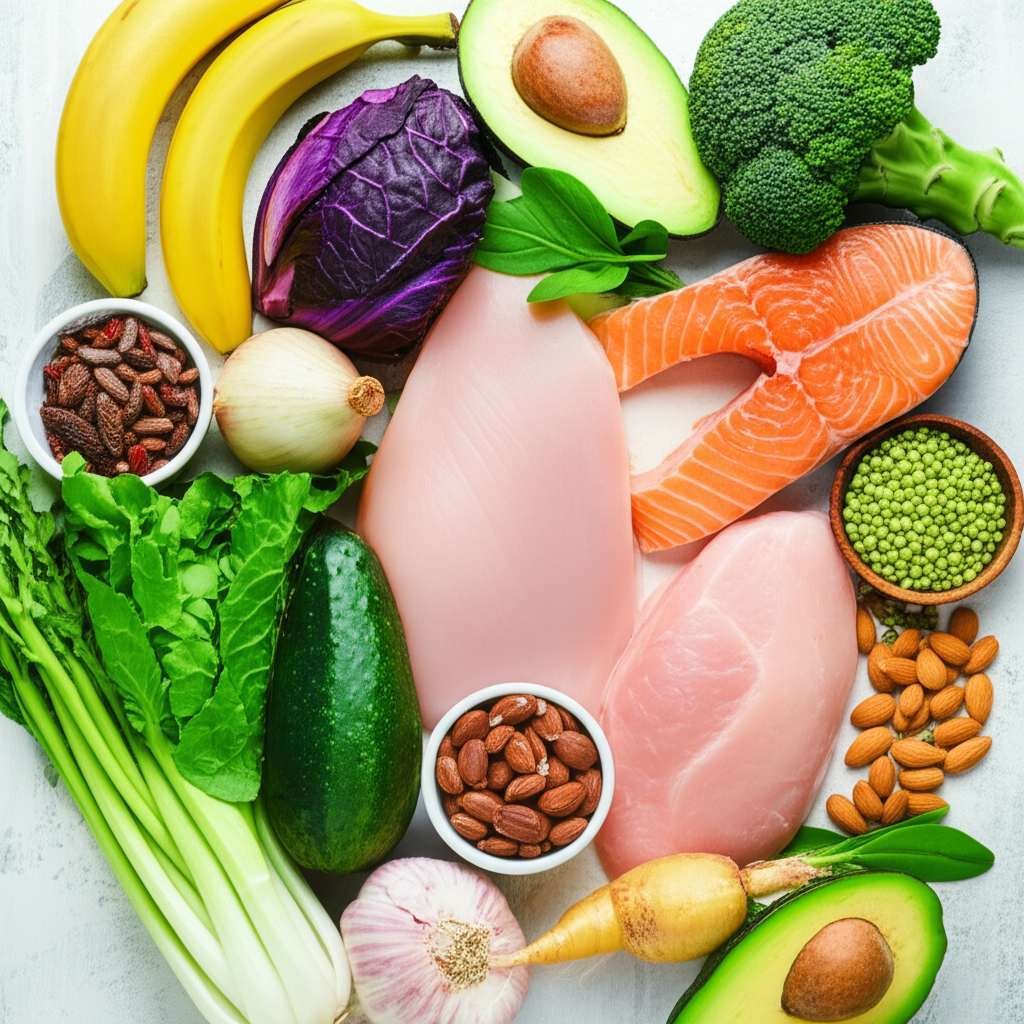
Want to burn fat and build muscle? Eat smart! Focus on lean protein, healthy fats, and complex carbs. Combine this with consistent exercise for awesome results. You can do it!
Hey there, fitness friend! Feeling a bit tired or unsure where to start with your health goals? You’re not alone! So many of us want to feel stronger and healthier, but it can feel confusing. The good news is, it doesn’t have to be complicated. We’re going to break down exactly how to eat to burn fat and build muscle. It’s all about making smart, simple choices that lead to amazing results. Get ready to feel fantastic!
Fuel Your Fire: The Power of Protein
Protein is like your body’s building blocks. It’s super important for building muscle. When you work out, you create tiny tears in your muscles. Protein helps repair those tears and makes your muscles grow back stronger. It also helps you feel full longer, which is great for managing your appetite and burning fat.
Lean Protein Powerhouses
Think of these as your go-to options. They give you the protein you need without a lot of extra stuff.
- Chicken breast
- Turkey breast
- Fish like salmon, tuna, and cod
- Lean beef
- Eggs
- Greek yogurt
- Lentils and beans
- Tofu and tempeh
Try to include a protein source with every meal. It makes a big difference!
Smart Carbs for Energy and Fat Burning
Carbohydrates get a bad rap sometimes, but they are essential! They give you the energy you need to crush your workouts and go about your day. The trick is choosing the right kinds. We want complex carbs that release energy slowly. This helps keep your blood sugar steady and prevents those energy crashes.
Choose Your Carbs Wisely
These are the slow-burning fuels that will keep you going strong.
- Oats
- Brown rice
- Quinoa
- Sweet potatoes
- Whole wheat bread and pasta
- Fruits
- Vegetables
These foods provide fiber too, which is awesome for digestion and keeps you feeling satisfied.
Healthy Fats: Your Body’s Best Friend
Fats are not the enemy! They are crucial for hormone production, nutrient absorption, and keeping your cells healthy. Good fats can also help you feel fuller, which is a win for fat burning. We want to focus on unsaturated fats.
Fats That Feel Good
Add these to your plate for a healthy boost.
- Avocado
- Nuts like almonds, walnuts, and cashews
- Seeds like chia seeds, flax seeds, and sunflower seeds
- Olive oil
- Fatty fish like salmon
Just remember that fats are calorie-dense, so enjoy them in moderation.
Hydration: The Secret Weapon
Drinking enough water is one of the easiest yet most powerful things you can do for your health. Water helps transport nutrients, keeps your energy levels up, and is vital for muscle function. When you’re dehydrated, your workouts suffer, and your body doesn’t burn fat as efficiently.
How Much Water?
A good rule of thumb is to drink at least 8 glasses (about 2 liters) of water per day. You’ll likely need more if you’re exercising or it’s hot out. Listen to your body – thirst is a sign you need to drink!
Putting It All Together: Your Meal Plan Strategy
Now, let’s talk about how to actually build meals that help you burn fat and build muscle. It’s all about balance and making sure you’re getting the right mix of nutrients.
The Plate Method
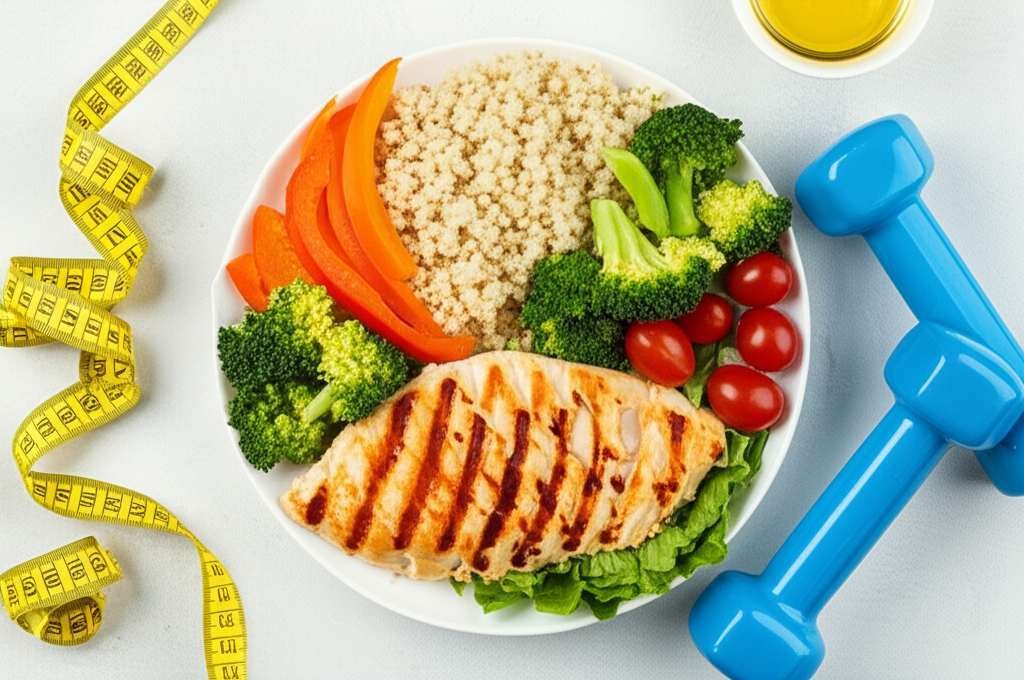
Imagine your plate. This is a super simple way to visualize a balanced meal.
- Half your plate: Non-starchy vegetables. Think broccoli, spinach, bell peppers, and salad greens. They are packed with vitamins, minerals, and fiber, and are low in calories.
- One quarter of your plate: Lean protein. This could be chicken, fish, beans, or tofu.
- One quarter of your plate: Complex carbohydrates. Like sweet potatoes, quinoa, or whole wheat pasta.
- Add a small amount: Healthy fats. A drizzle of olive oil, a few slices of avocado, or a small handful of nuts.
This method ensures you’re getting a good balance of everything your body needs.
Simple Meal Ideas to Get You Started
Here are some quick and easy meal ideas that follow the plate method.
Breakfast
- Greek yogurt with berries and a sprinkle of almonds.
- Oatmeal made with water or unsweetened almond milk, topped with fruit and a tablespoon of chia seeds.
- Scrambled eggs with spinach and a side of whole-wheat toast.
Lunch
- Grilled chicken salad with mixed greens, cucumber, tomatoes, and a light vinaigrette.
- Lentil soup with a side of whole-grain bread.
- Tuna salad (made with Greek yogurt instead of mayo) on whole-wheat crackers with carrot sticks.
Dinner
- Baked salmon with roasted broccoli and a small serving of quinoa.
- Lean ground turkey stir-fry with lots of colorful vegetables and brown rice.
- Chicken breast with a large side salad and a baked sweet potato.
Snacks
- Apple slices with almond butter.
- A handful of mixed nuts.
- Hard-boiled eggs.
- A small container of Greek yogurt.
Timing Your Nutrition for Maximum Impact
While consistency is key, thinking about when you eat can also help.
Pre-Workout Fuel
If you’re working out, you want energy. A small meal or snack about 1-2 hours before your workout is ideal. Focus on easily digestible carbohydrates and a little bit of protein.
- A banana with a tablespoon of peanut butter.
- A small bowl of oatmeal.
- A slice of whole-wheat toast with jam.
Post-Workout Recovery
After your workout, your muscles are ready to repair and grow. Aim to eat a meal or snack within an hour or two that contains both protein and carbohydrates. This helps replenish your energy stores and starts the muscle repair process.
- A protein shake with a banana.
- Chicken breast with sweet potato.
- Greek yogurt with fruit.
Exercise: The Other Half of the Equation
Eating for fat loss and muscle gain works best when you combine it with exercise. You don’t need to spend hours in the gym! A mix of strength training and cardio is fantastic.
Strength Training: Build That Muscle!
Strength training is crucial for building muscle. When you build muscle, your metabolism speeds up, meaning you burn more calories even at rest!
- Focus on compound movements: These work multiple muscle groups at once. Think squats, lunges, push-ups, and rows.
- Lift weights or use resistance bands: Start with weights that challenge you but allow you to maintain good form.
- Aim for 2-3 sessions per week: Allow rest days for your muscles to recover and grow.
Cardio: Burn Fat and Boost Heart Health
Cardio exercises get your heart pumping and help you burn calories, which is great for fat loss.
- Moderate-intensity cardio: Brisk walking, cycling, or swimming for 30-60 minutes most days of the week.
- High-Intensity Interval Training (HIIT): Short bursts of intense exercise followed by brief recovery periods. This is a time-efficient way to burn a lot of calories.
Here’s a quick look at different types of exercise and their benefits:
| Exercise Type | Primary Goal | Key Benefits for Fat Loss & Muscle Gain |
|---|---|---|
| Strength Training | Build Muscle | Increases metabolism, builds lean body mass, improves body composition. |
| HIIT (High-Intensity Interval Training) | Burn Fat | Burns a high number of calories in a short time, boosts EPOC (Excess Post-exercise Oxygen Consumption). |
| Steady-State Cardio (e.g., jogging, cycling) | Burn Fat & Improve Endurance | Burns calories during the activity, improves cardiovascular health. |
Common Mistakes to Avoid
We all make mistakes when we’re starting out, and that’s okay! Knowing what to watch out for can help you get results faster.
- Skipping protein: Not eating enough protein will make it hard to build muscle and feel full.
- Eating too many processed foods: These are often high in sugar, unhealthy fats, and low in nutrients.
- Not drinking enough water: Dehydration can slow down your metabolism and affect your energy.
- Doing too much too soon: Overdoing it with exercise can lead to burnout or injury.
- Expecting overnight results: Building muscle and burning fat takes time and consistency.
Frequently Asked Questions
Let’s tackle some common questions you might have!
How long does it take to burn fat and build muscle?
It varies for everyone! You can start seeing changes in a few weeks, but significant results usually take a few months of consistent effort. Be patient with yourself!
What’s the best time to work out?
The best time is whenever you can consistently do it! Some people love morning workouts for energy, others prefer evenings to de-stress. Find what fits your schedule and energy levels.
Do I need a gym to lose weight and build muscle?
Nope! You can get amazing results at home. Bodyweight exercises, resistance bands, and even household items can be used for strength training. Cardio can be done by walking, running, or dancing.
How can I stay motivated every day?
Set realistic goals, celebrate small wins, find an accountability buddy, and remember why you started. Variety in your workouts also helps keep things interesting!
What should I eat before or after exercise?
Before, focus on easily digestible carbs and a little protein 1-2 hours prior. After, aim for a mix of protein and carbs within a couple of hours to help with recovery.
How much water should I drink daily?
A good starting point is 8 glasses (about 2 liters) per day, but increase this if you exercise or are in a hot climate.
How many rest days should I take?
Rest is crucial for muscle repair and growth! Aim for 1-2 rest days per week, or schedule rest days after intense workouts. Listen to your body.
Your Journey to a Stronger, Healthier You!
You’ve got the knowledge now! Eating to burn fat and build muscle is totally achievable. It’s not about strict diets or extreme workouts. It’s about making smart, consistent choices that fuel your body and make you feel great. Remember, every healthy meal and every workout is a step forward. You are capable of amazing things! Keep moving, keep fueling your body right, and most importantly, enjoy the process. You’ve got this — one step, one day at a time!
As an Amazon Associate, We earn from qualifying purchases. When you purchase a product through Amazon links on pulsefitguide.com, we may earn a small commission at no extra cost to you. This helps support the site and keep our content free.
