


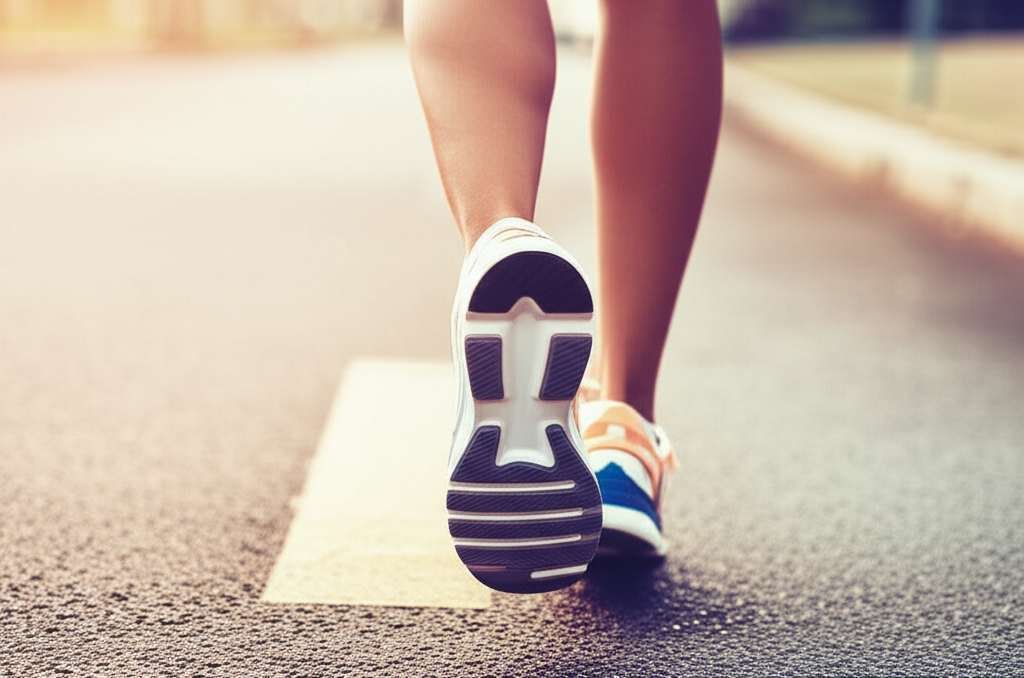
Quick Summary: Running 1km burns around 50-60 calories, which translates to a small but mighty start for fat loss! Consistency is key, so let’s get moving and make every kilometer count!
Hey there, fitness friends! Feeling a little tired lately? Or maybe you’re just not sure where to kick off your fitness journey? It’s totally normal to feel that way. The good news is, getting healthier doesn’t have to be complicated. We’re going to break down exactly how much fat you can burn by running just a kilometer. You’ll see that small steps lead to big wins. Get ready to feel empowered and energized, because we’re about to make fitness fun and totally doable!
How Much Fat Burn in 1km Running? Let’s Find Out!
So, you’re curious about that 1km run and what it does for your fat-burning goals. It’s a great question to ask! Many people wonder if a short run is even worth it. The simple answer is: yes, it totally is!
When you run, your body uses energy. This energy comes from the food you eat, and a good chunk of it is stored as fat. So, by running, you’re tapping into those fat stores for fuel. Pretty cool, right?
The Science (the Easy Version!)
Think of your body like a car. To go, it needs fuel. Your body’s fuel comes from calories. When you exercise, you burn calories. The more you burn, the more your body might turn to stored fat for that extra energy.
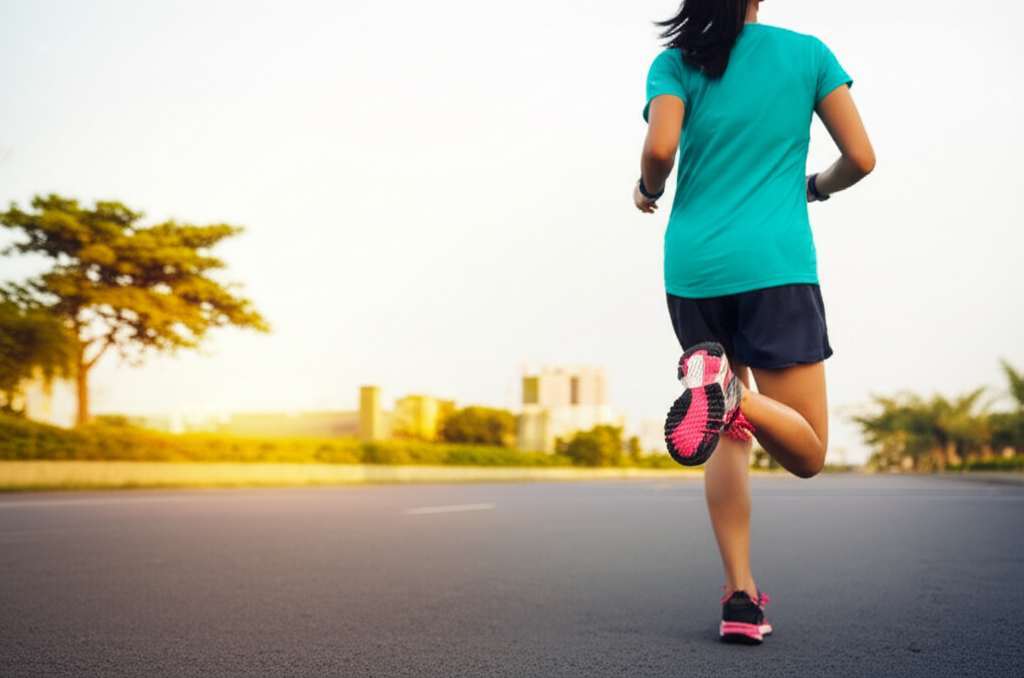
For every 1km you run, your body burns a certain amount of calories. This can vary a bit from person to person. Factors like your weight, speed, and even the terrain can play a role. But as a general guide, running 1km burns roughly 50 to 60 calories.
Now, 50-60 calories might not sound like a lot. But let’s put it into perspective. To lose about half a kilogram (or one pound) of fat, you need to burn approximately 3,500 calories. So, running 1km is like taking a tiny, but important, step on that path!
Your 1km Fat-Burning Journey: What to Expect
Let’s break down what happens when you lace up your shoes and hit that 1km mark.
Step 1: Get Ready to Move!
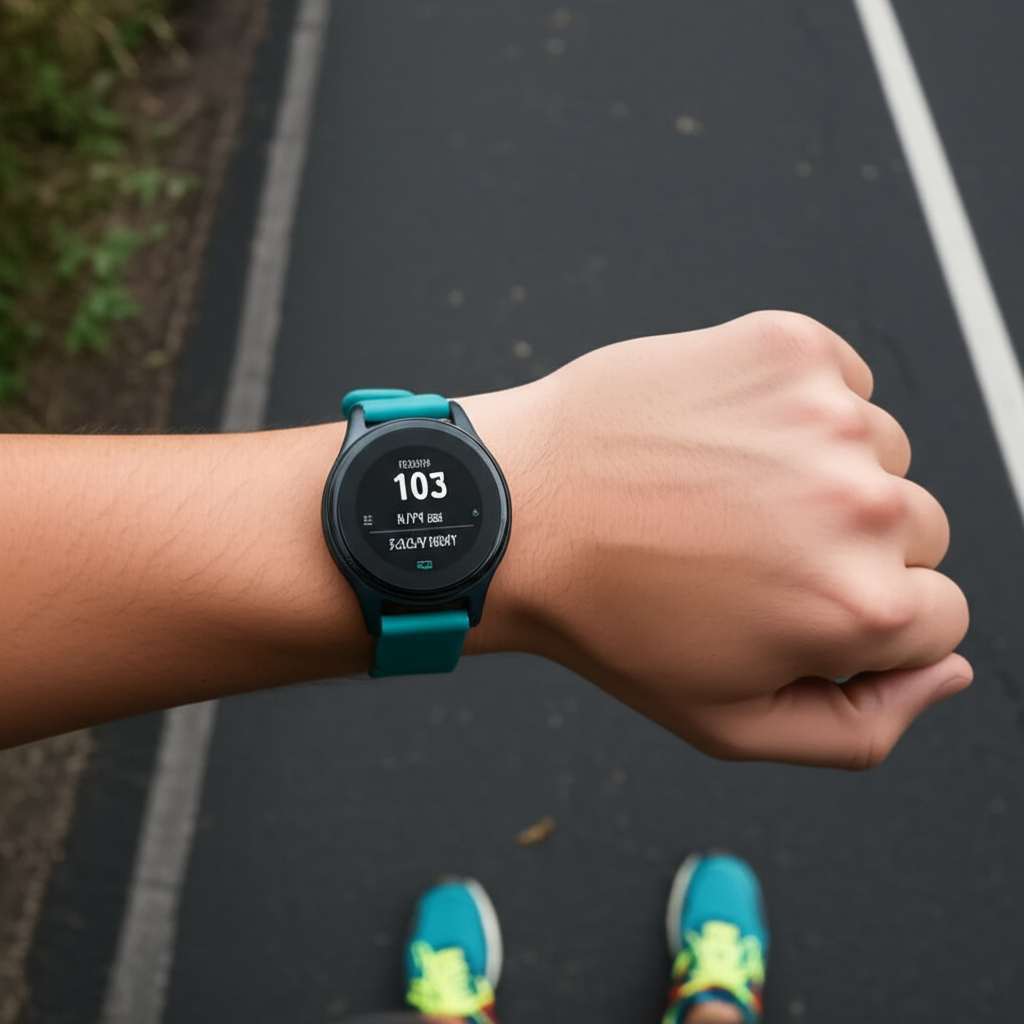
Before you even start running, your body is getting ready. Your heart rate picks up a little, and your muscles prepare for action. This initial phase also uses energy.
Step 2: The Run Itself
As you run, your body works hard. Your lungs take in more air, your heart pumps faster, and your muscles demand fuel. This is where the majority of those 50-60 calories get burned.
Step 3: After the Run
Even after you stop running, your body continues to burn calories as it recovers. This is called the “afterburn effect,” and it’s a nice little bonus!
Making Every Kilometer Count: Boost Your Burn!
Want to get even more out of your 1km runs? Here are some simple tips to help you burn more fat.
- Pick Up the Pace (When You’re Ready!): Running faster burns more calories in the same amount of time. Don’t push too hard too soon, though!
- Add Some Hills: Running uphill is a great way to challenge your muscles and burn extra calories.
- Incorporate Intervals: Try running fast for a short burst, then jogging or walking to recover. Repeat this a few times.
- Warm Up and Cool Down: Properly preparing your body and helping it recover can make your workouts more effective.
- Stay Hydrated: Drinking enough water is crucial for your body to function optimally, including burning fat.
Beyond the Kilometer: Building a Fat-Burning Habit
Running 1km is a fantastic start. But to see real, lasting results, consistency is your best friend. Think of it like building a strong house – you need a solid foundation and regular work.
How Often Should You Run?
For beginners, aiming to run 1km a few times a week is a great goal. Listen to your body! If you’re just starting, maybe begin with walking and gradually introduce running intervals.
As you get fitter, you can increase the frequency or the distance. Maybe you’ll go from 1km to 2km, or run 1km more days per week.
Combining Running with Other Activities
Running is awesome, but mixing it up can be even better for fat loss and overall fitness.
Your Fat-Burning Workout Mix
| Workout Type | What it is | Why it helps burn fat |
|---|---|---|
| Cardio (like Running) | Activities that get your heart pumping, like running, swimming, or cycling. | Burns calories during the workout and improves heart health. |
| Strength Training | Lifting weights or using your body weight to build muscle. | Muscle burns more calories at rest than fat, boosting your metabolism. |
| High-Intensity Interval Training (HIIT) | Short bursts of intense exercise followed by brief rest periods. | Burns a lot of calories in a short time and has a significant afterburn effect. |
Even adding 15-20 minutes of strength training two or three times a week can make a big difference. It helps build muscle, which means your body burns more calories all day long, even when you’re not exercising!
Fueling Your Fat Loss: Simple Nutrition Tips
What you eat plays a huge role in fat loss. You can’t outrun a bad diet, as they say!
Focus on whole, unprocessed foods. Think fruits, vegetables, lean proteins, and healthy fats.
Easy Meal Ideas to Support Your Runs
- Breakfast: Oatmeal with berries and a sprinkle of nuts.
- Lunch: A big salad with grilled chicken or beans, and a light vinaigrette.
- Dinner: Baked salmon with roasted broccoli and a small sweet potato.
- Snacks: An apple with a tablespoon of peanut butter, or a handful of almonds.
These foods give you the energy you need for your runs and help your body recover. They also keep you feeling full and satisfied, which can help prevent overeating.
Tracking Your Progress: Celebrate Every Win!
It’s super important to see how far you’ve come. Tracking your progress helps you stay motivated. You don’t need fancy apps; a simple notebook works great!
Your Progress Tracker Example
| Date | Activity | Duration/Distance | How I Felt | Notes |
|---|---|---|---|---|
| Oct 26 | Run | 1 km | Energized! | Felt good, could have gone a little further. |
| Oct 27 | Walk | 30 min | Relaxed | Enjoyed the fresh air. |
| Oct 28 | Run | 1.2 km | Stronger | Increased distance slightly. |
Each time you tick a box or write down your achievements, you’re building momentum. It shows you that you are making progress, no matter how small it seems.
Common Beginner Mistakes to Avoid
We all make mistakes when we start, and that’s okay! Here are a few things to watch out for so you can keep moving forward smoothly.
- Doing Too Much Too Soon: Trying to run too far, too fast, or too often can lead to injury or burnout.
- Not Listening to Your Body: Pushing through sharp pain is never a good idea. Rest and recovery are just as important as the workout.
- Ignoring Nutrition: Expecting exercise alone to do all the work. What you eat is a massive piece of the puzzle.
- Comparing Yourself to Others: Everyone’s fitness journey is unique. Focus on your own progress and celebrate your personal wins.
- Skipping Warm-ups and Cool-downs: These are vital for preparing your body and preventing injuries.
Frequently Asked Questions (FAQs)
Got more questions? I’ve got answers!
How Long Does It Take to Burn Fat?
Fat loss is a journey, not a race! It takes time and consistency. By burning those 50-60 calories per kilometer and combining it with healthy eating, you’ll start seeing changes over weeks and months. Every little bit counts!
What’s the Best Time to Work Out?
The best time is whenever you can consistently do it! Some people love morning workouts for energy, others prefer evening to de-stress. Find what fits your schedule and your energy levels best. Just aim to move your body!
Do I Need a Gym to Lose Weight?
Absolutely not! You can burn fat and get fit with just your body weight, some running shoes, and maybe some resistance bands. Walking, running outdoors, and bodyweight exercises are super effective.
How Can I Stay Motivated Every Day?
Find a workout buddy, set realistic goals, track your progress, and reward yourself for hitting milestones. Also, remember why you started – to feel better, stronger, and healthier. Celebrate small victories!
What Should I Eat Before or After Exercise?
Before a run, a light snack like a banana or a small piece of toast can give you energy. After, focus on a mix of protein and carbs to help your muscles recover, like chicken and rice or Greek yogurt with fruit.
How Much Water Should I Drink Daily?
A good general guideline is around 8 glasses (about 2 liters or half a gallon) per day. You’ll likely need more if you’re exercising, especially in warm weather. Listen to your body’s thirst signals!
How Many Rest Days Should I Take?
Rest days are crucial for muscle repair and preventing burnout. For beginners, taking 1-2 rest days per week is a good idea. Listen to your body – if you feel sore or tired, take an extra rest day.
Your Next Steps to a Fitter You!
So, there you have it! Running 1km is a powerful first step in your fat-burning adventure. It might seem small, but remember, every kilometer adds up. Those 50-60 calories burned per run, multiplied by consistent effort, lead to significant changes over time.
Don’t get discouraged by big numbers or complex plans. Focus on showing up for yourself, one run, one healthy meal, one positive thought at a time. You have the power to transform your health, and it starts with simple, actionable steps.
Keep moving, keep nourishing your body, and keep that amazing positive attitude. You’ve got this – one step, one day at a time!
As an Amazon Associate, We earn from qualifying purchases. When you purchase a product through Amazon links on pulsefitguide.com, we may earn a small commission at no extra cost to you. This helps support the site and keep our content free.
