
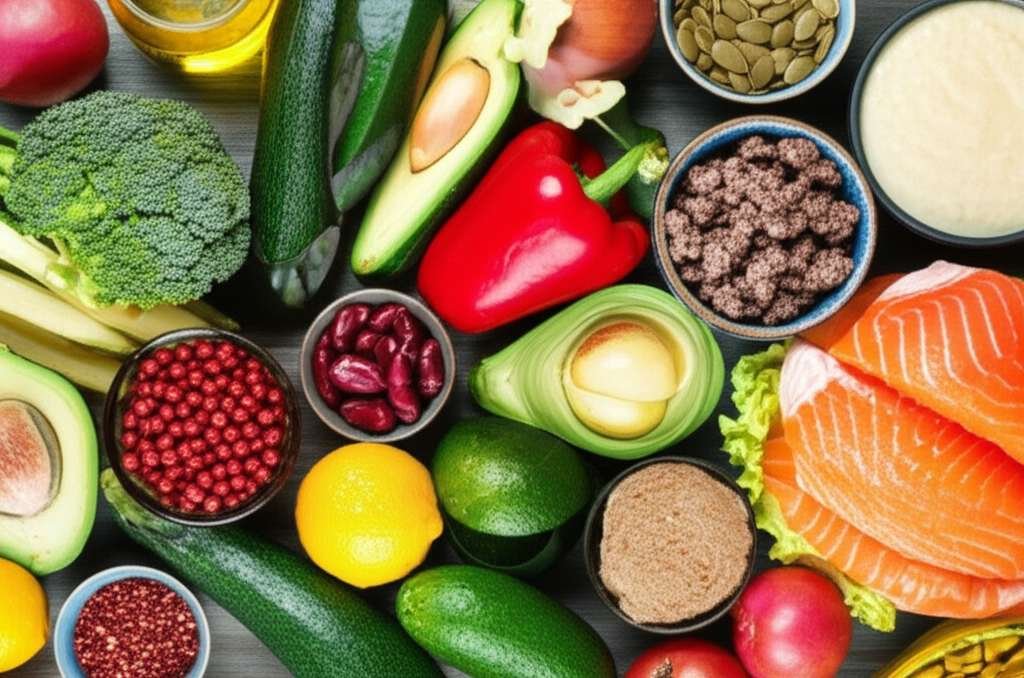
A 7-day vegetarian meal plan for weight loss offers delicious, easy-to-follow recipes focused on whole foods. This guide provides a structured, beginner-friendly approach to shed pounds sustainably while enjoying flavorful plant-based meals.
Feeling a bit lost when it comes to weight loss? You’re not alone. Many of us find it confusing, especially when trying to balance health goals with busy lives and tasty food.
But what if I told you that losing weight could be simpler, tastier, and totally achievable with a clear plan? Especially when you choose the vibrant world of vegetarian eating.
This guide is designed just for you. We’ll break down a 7-day vegetarian meal plan, making it easy to follow, affordable, and packed with all the nutrients you need. Get ready to feel energized and confident!
Frequently Asked Questions
What is the best vegetarian diet for weight loss?
The best vegetarian diet for weight loss focuses on whole, unprocessed foods like vegetables, fruits, legumes, whole grains, nuts, and seeds. It’s about creating balanced meals that are filling and nutrient-dense, rather than relying on processed vegetarian substitutes which can sometimes be high in sodium and unhealthy fats.
How many calories should I eat daily for weight loss as a vegetarian?
Calorie needs vary based on age, sex, activity level, and metabolism. A common starting point for weight loss is a deficit of 500-750 calories per day from your maintenance level, often resulting in around 1200-1800 calories. It’s best to consult a doctor or registered dietitian for personalized advice.
Will I get enough protein on a vegetarian weight loss plan?
Absolutely! There are many excellent vegetarian protein sources like lentils, beans, chickpeas, tofu, tempeh, edamame, Greek yogurt (if lacto-vegetarian), eggs (if ovo-vegetarian), quinoa, nuts, and seeds. Including a protein source in each meal helps you feel full and satisfied.
How can I make vegetarian weight loss meals affordable?
Focus on budget-friendly staples like dried beans and lentils, rice, oats, seasonal vegetables, and frozen fruits/vegetables. Buying in bulk and planning meals to use up ingredients efficiently also helps reduce waste and cost.
Is it okay to snack on a vegetarian weight loss plan?
Yes, healthy snacking can be a great way to manage hunger and prevent overeating at mealtimes. Opt for nutrient-dense snacks like a handful of almonds, an apple with peanut butter, a small bowl of berries, or vegetable sticks with hummus.
How long will it take to see results?
Sustainable weight loss is typically 1-2 pounds per week. You might notice changes in energy levels and how your clothes fit sooner. Consistency with your meal plan and any accompanying exercise is key to seeing long-term results.
What if I don’t like certain vegetables?
It’s perfectly fine to swap! The goal is to eat a variety of nutrient-rich foods. If you dislike a specific vegetable, substitute it with another one you enjoy, ensuring it fits into the meal’s overall nutritional profile. Experiment with different cooking methods like roasting or adding herbs and spices to make them more appealing.
Your 7-Day Vegetarian Weight Loss Meal Plan: A Beginner’s Guide
Embarking on a weight loss journey can feel like navigating a maze, especially when you’re trying to stick to a vegetarian diet. You want to eat healthy, feel good, and see results, but where do you even begin?
The good news is that a well-planned vegetarian diet can be incredibly effective for weight loss. It’s all about choosing the right foods and creating balanced meals that keep you satisfied and nourished.
This guide is here to simplify things. We’ve put together a delicious and easy-to-follow 7-day vegetarian meal plan designed for beginners. Each day is packed with nutrient-rich meals that will help you shed pounds without feeling deprived.
Why a Vegetarian Diet for Weight Loss?

Vegetarian diets are often associated with weight loss for several good reasons. They tend to be lower in calories and saturated fat compared to meat-heavy diets, while being rich in fiber, vitamins, and minerals.
Fiber, found abundantly in fruits, vegetables, and whole grains, is a superhero for weight loss. It helps you feel fuller for longer, reducing the urge to snack on less healthy options. This can naturally lead to eating fewer calories overall.
Furthermore, plant-based foods are often less calorie-dense. This means you can eat larger portions and still consume fewer calories, which is very satisfying. For example, a large bowl of steamed broccoli has fewer calories than a small portion of chicken.
According to the National Institutes of Health (NIH), studies show that vegetarian diets are often associated with lower body mass index (BMI) and reduced risk of obesity.
Key Principles for Your Vegetarian Weight Loss Plan
Before diving into the meal plan, let’s cover some essential principles to make your journey successful. These simple rules will help you get the most out of your vegetarian diet for weight loss.
Focus on Whole Foods
Prioritize unprocessed or minimally processed foods. Think fresh fruits, vibrant vegetables, whole grains (like brown rice, quinoa, oats), legumes (beans, lentils, chickpeas), nuts, and seeds. These foods are packed with nutrients and fiber.
Stay Hydrated
Drinking plenty of water is crucial. It helps with metabolism, keeps you feeling full, and aids in digestion. Aim for at least 8 glasses of water a day, and more if you’re active or in a warm climate.
Control Portion Sizes
Even healthy foods have calories. Be mindful of how much you’re eating. Using smaller plates can help trick your brain into thinking you’re eating more. Pay attention to your body’s hunger and fullness cues.
Balance Your Meals
Each meal should ideally include a source of protein, healthy fats, and complex carbohydrates. This combination helps stabilize blood sugar levels, keeps you full, and provides sustained energy.
Limit Added Sugars and Refined Carbs
Foods high in added sugar and refined carbohydrates (like white bread, pastries, sugary drinks) can lead to energy crashes and cravings. Opt for natural sweetness from fruits and whole grains instead.
Your 7-Day Vegetarian Weight Loss Meal Plan
This meal plan is designed to be simple, delicious, and effective. It focuses on whole foods and balanced nutrition to support your weight loss goals. Feel free to swap meals between days if it suits your schedule better!
Day 1: Fresh Start
- Breakfast: Oatmeal with Berries and Almonds
- 1/2 cup rolled oats cooked with water or unsweetened almond milk.
- Topped with 1/2 cup mixed berries (fresh or frozen) and 1 tablespoon slivered almonds.
- Lunch: Lentil Soup with a Side Salad
- Hearty lentil soup (homemade or low-sodium canned).
- A simple green salad with cucumber, tomatoes, and a light vinaigrette dressing.
- Dinner: Baked Tofu with Roasted Vegetables
- 1/2 block firm tofu, pressed and baked with herbs and spices.
- A generous serving of roasted broccoli, bell peppers, and zucchini tossed with olive oil and garlic.
- Snack (Optional): Apple slices with 1 tablespoon of peanut butter.
Day 2: Colorful Creations
- Breakfast: Greek Yogurt with Granola and Fruit
- 1 cup plain Greek yogurt (if lacto-vegetarian).
- 1/4 cup low-sugar granola and 1/2 cup sliced peaches.
- Lunch: Quinoa Salad with Black Beans and Corn
- 1 cup cooked quinoa mixed with 1/2 cup black beans, 1/2 cup corn, chopped bell peppers, and cilantro.
- Dressed with lime juice and a pinch of cumin.
- Dinner: Spinach and Mushroom Stuffed Bell Peppers
- 2 bell pepper halves filled with a mixture of cooked spinach, mushrooms, onions, garlic, and brown rice.
- Baked until tender.
- Snack (Optional): A small handful of walnuts.
Day 3: Hearty & Filling
- Breakfast: Scrambled Tofu with Veggies
- 1/2 block firm tofu, crumbled and sautéed with turmeric, black salt (for eggy flavor), onions, and spinach.
- Served with a slice of whole-wheat toast.
- Lunch: Chickpea Salad Sandwich
- Mashed chickpeas mixed with vegan mayo or Greek yogurt, celery, onion, and a dash of mustard.
- Served on whole-wheat bread with lettuce and tomato.
- Dinner: Vegetable Curry with Brown Rice
- A mild curry made with coconut milk, mixed vegetables (like cauliflower, carrots, peas), and chickpeas.
- Served with 1/2 cup cooked brown rice.
- Snack (Optional): Carrot sticks with 2 tablespoons of hummus.
Day 4: Simple & Satisfying
- Breakfast: Smoothie
- Blend 1 cup spinach, 1/2 banana, 1/2 cup frozen mango, 1 scoop vegetarian protein powder, and unsweetened almond milk.
- Lunch: Leftover Vegetable Curry with Brown Rice
- Enjoy the delicious leftovers from Day 3.
- Dinner: Veggie Burgers on Whole Wheat Buns
- 2 store-bought or homemade veggie burgers.
- Served on whole-wheat buns with lettuce, tomato, onion, and a side of sweet potato fries (baked, not fried).
- Snack (Optional): A pear.
Day 5: Flavor Fiesta
- Breakfast: Overnight Oats
- Combine 1/2 cup rolled oats, 1 cup unsweetened almond milk, 1 tablespoon chia seeds, and a dash of cinnamon in a jar. Refrigerate overnight.
- Top with 1/4 cup raspberries in the morning.
- Lunch: Mediterranean Quinoa Bowl
- Cooked quinoa topped with chopped cucumber, tomatoes, Kalamata olives, red onion, and a lemon-herb dressing.
- Add a sprinkle of crumbled feta cheese if you are lacto-vegetarian.
- Dinner: Black Bean and Sweet Potato Tacos
- 2 whole-wheat tortillas filled with seasoned black beans, roasted sweet potato cubes, salsa, and avocado.
- Snack (Optional): A small container of plain Greek yogurt.
Day 6: Comfort Food, Healthy Style
- Breakfast: Whole Wheat Pancakes with Fruit
- 2 small whole-wheat pancakes made with a vegetarian recipe.
- Topped with 1/2 cup mixed berries and a drizzle of maple syrup.
- Lunch: Leftover Black Bean and Sweet Potato Tacos
- Enjoy the tasty remnants from Day 5.
- Dinner: Shepherd’s Pie with Lentil Filling
- A hearty base of cooked lentils and mixed vegetables in a savory sauce, topped with mashed sweet potato.
- Snack (Optional): A handful of almonds.
Day 7: Sunday Slowdown
- Breakfast: Veggie Omelet (if ovo-vegetarian) or Chickpea Flour Omelet
- 2 eggs or 1/2 cup chickpea flour batter, whisked with chopped bell peppers, onions, and spinach.
- Cooked with a little olive oil.
- Lunch: Large Mixed Green Salad with Grilled Halloumi or Tofu
- A bed of mixed greens with cherry tomatoes, cucumber, carrots, and grilled halloumi cheese or marinated tofu cubes.
- Dressed with your favorite light dressing.
- Dinner: Roasted Vegetable and Hummus Platter
- A generous platter of roasted vegetables like carrots, Brussels sprouts, and sweet potatoes.
- Served with a large portion of hummus and whole-wheat pita bread.
- Snack (Optional): A small bowl of grapes.
Understanding Macronutrients for Weight Loss
When you’re trying to lose weight, it’s helpful to understand the basics of macronutrients: carbohydrates, proteins, and fats. Getting the right balance is key to feeling full and energized.
Protein: This is vital for muscle repair and keeps you feeling satisfied, which helps curb cravings. Good vegetarian sources include beans, lentils, tofu, tempeh, Greek yogurt, and nuts. Aim to include a protein source in every meal.
Carbohydrates: These are your body’s main energy source. For weight loss, focus on complex carbohydrates found in whole grains, fruits, vegetables, and legumes. They provide sustained energy and fiber. Limit refined carbs like white bread and sugary snacks.
Fats: Healthy fats are essential for hormone production and nutrient absorption. Sources like avocados, nuts, seeds, and olive oil are great choices. They also contribute to satiety. Just be mindful of portion sizes, as fats are calorie-dense.
A balanced vegetarian diet for weight loss will incorporate all three. For example, a meal of quinoa (complex carb), black beans (protein and carb), and avocado (healthy fat) is a fantastic example of balanced nutrition.
Tips for Success and Sustainability
Sticking to a new meal plan can be challenging, but with a few smart strategies, you can make it sustainable and enjoyable.
Meal Prep is Your Friend
Dedicate a few hours on the weekend to wash and chop vegetables, cook grains like quinoa or brown rice, and portion out snacks. This makes assembling meals during the busy week much quicker and prevents last-minute unhealthy choices.
Don’t Forget Flavor
Weight loss doesn’t have to mean bland food! Experiment with herbs, spices, lemon juice, vinegar, and garlic. Roasting vegetables brings out their natural sweetness. Explore different cuisines for inspiration.
Listen to Your Body
Pay attention to your hunger and fullness signals. Eat when you’re hungry and stop when you’re comfortably full. This mindful eating approach is a powerful tool for weight management.
Allow for Flexibility
Life happens! If you have a social event or a craving, don’t beat yourself up. Enjoy it in moderation and get back on track with your next meal. Perfection isn’t the goal; consistency is.
Combine with Movement
While diet is key for weight loss, physical activity boosts your metabolism, improves mood, and enhances overall health. Aim for at least 150 minutes of moderate-intensity exercise per week, such as brisk walking, cycling, or dancing.
Track Your Progress (Optional)
Some people find it helpful to track their food intake using an app or journal. This can increase awareness of eating habits and calorie consumption. However, if tracking causes stress, skip it and focus on the meal plan itself.
Sample Macronutrient Breakdown for a Day
To give you an idea, here’s a rough look at the macronutrient distribution for a sample day from the plan. Remember, these are estimates and can vary based on specific ingredients and portion sizes. The focus is on a good balance of protein, complex carbs, and healthy fats.
| Meal | Carbohydrates (g) | Protein (g) | Fat (g) |
|---|---|---|---|
| Breakfast (Oatmeal with Berries/Almonds) | ~30-40 | ~8-10 | ~8-12 |
| Lunch (Lentil Soup/Salad) | ~35-45 | ~15-20 | ~5-10 |
| Dinner (Tofu with Roasted Veggies) | ~25-35 | ~20-25 | ~15-20 |
| Snack (Apple/PB) | ~15-20 | ~4-6 | ~8-10 |
| Total Daily (Approximate) | ~105-140g | ~47-61g | ~36-52g |
This sample day provides a good foundation. Remember, individual needs vary, so adjust portion sizes based on your hunger and energy levels. The goal is to create a calorie deficit that is sustainable for you. For a more precise understanding of your nutritional needs, consider consulting a registered dietitian who can provide personalized guidance.
Making it Affordable
You don’t need to break the bank to eat healthily! This vegetarian meal plan is designed with affordability in mind. Here’s how to keep costs down:
- Buy in Bulk: Staples like lentils, beans, rice, and oats are much cheaper when bought in larger quantities.
- Embrace Legumes: Dried beans and lentils are incredibly inexpensive protein powerhouses.
- Seasonal Produce: Fruits and vegetables are often cheaper when they are in season.
- Frozen is Fine: Frozen fruits and vegetables are just as nutritious as fresh ones and can be more affordable, especially out of season.
- Cook from Scratch: Making your own soups, curries, and sauces is usually cheaper and healthier than buying pre-made versions.
- Reduce Food Waste: Plan meals to use up ingredients. For example, use leftover roasted vegetables in a salad or soup.
Conclusion
Congratulations on taking this step towards a healthier, happier you! This 7-day vegetarian meal plan for weight loss is your roadmap to delicious, satisfying, and effective eating.
Remember, weight loss is a journey, not a race. Be patient with yourself, celebrate your progress, and enjoy the process of nourishing your body with wholesome, plant-based foods.
You’ve got this! By focusing on whole foods, staying hydrated, and listening to your body, you’re well on your way to achieving your weight loss goals and building sustainable healthy habits for life.
As an Amazon Associate, We earn from qualifying purchases. When you purchase a product through Amazon links on pulsefitguide.com, we may earn a small commission at no extra cost to you. This helps support the site and keep our content free.