
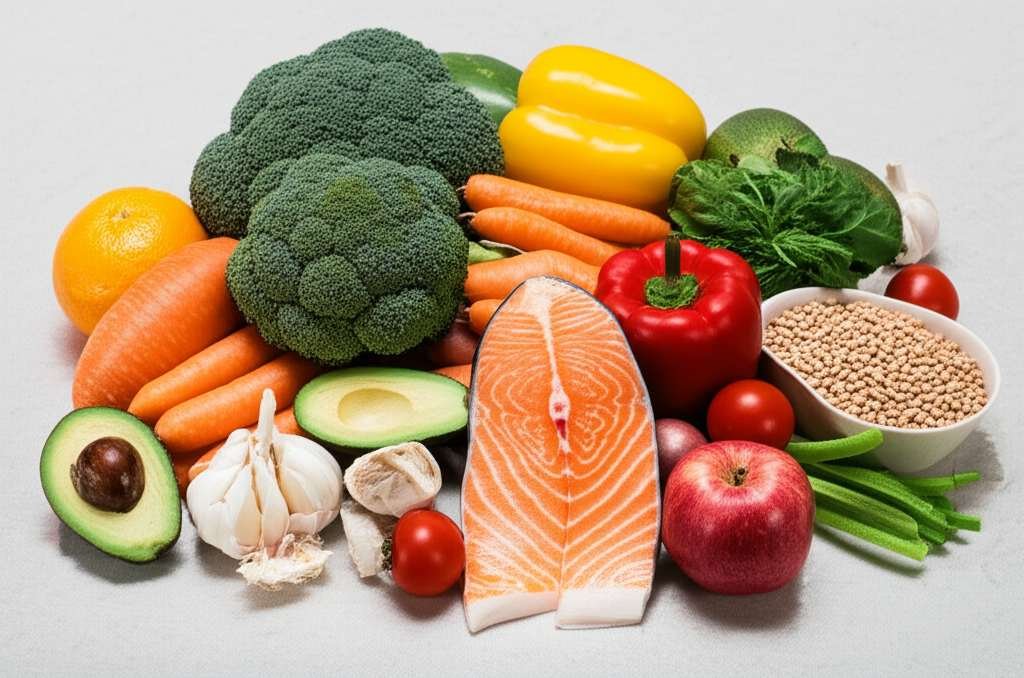
A 7-day meal plan for fatty liver focuses on whole foods, lean proteins, and healthy fats to support weight loss and liver health. This beginner-friendly guide offers practical, affordable, and delicious meal ideas to help you manage your condition and feel your best.
Feeling a bit confused about what to eat when you have a fatty liver? You’re definitely not alone. It can feel like a puzzle trying to figure out the best foods to help your liver and shed some extra pounds.
But guess what? It doesn’t have to be complicated! We’re going to break it down into simple, easy steps that fit right into your busy life.
This guide is designed to be your friendly roadmap. We’ll cover a 7-day meal plan packed with tasty, healthy options. Get ready to feel more in control and excited about your health journey!
Understanding Fatty Liver and Weight Loss
Let’s start with the basics. Fatty liver disease, also known as non-alcoholic fatty liver disease (NAFLD), means there’s too much fat built up in your liver. This can happen for many reasons, but often it’s linked to being overweight or obese.
When your liver has too much fat, it can’t work as well as it should. This can lead to inflammation and damage over time. The good news is that losing weight is one of the most effective ways to improve fatty liver disease.
Losing even a small amount of weight – say, 5-10% of your body weight – can significantly reduce the fat in your liver and improve its function. It’s like giving your liver a much-needed clean-up!
Why a Structured Meal Plan Helps

Trying to change your diet on your own can feel overwhelming. You might wonder what to cook, how much to eat, and if it’s actually helping.
A 7-day meal plan takes the guesswork out of it. It provides a clear structure, showing you exactly what meals and snacks to have each day. This helps you make healthier choices consistently.
It also helps you manage your calorie intake, which is crucial for weight loss. By planning your meals, you’re less likely to reach for unhealthy, processed snacks when hunger strikes.
Key Principles for a Fatty Liver Diet
Before we dive into the meal plan, let’s talk about the building blocks of a liver-friendly diet for weight loss. These are simple, science-backed strategies that make a big difference.
Focus on Whole, Unprocessed Foods
Think of foods that come straight from nature. These are packed with nutrients and fiber, which help you feel full and satisfied. They are also generally lower in unhealthy fats and added sugars.
- Fruits and Vegetables: Aim for a wide variety of colors. They are rich in vitamins, minerals, and antioxidants.
- Lean Proteins: Chicken breast, turkey, fish, beans, lentils, and tofu are great choices. Protein helps you build muscle and keeps you feeling full.
- Whole Grains: Oats, brown rice, quinoa, and whole wheat bread provide fiber and sustained energy.
- Healthy Fats: Avocados, nuts, seeds, and olive oil are important for overall health and can help with satiety.
Limit Unhealthy Foods
Certain foods can contribute to fat buildup in the liver and hinder weight loss efforts. Cutting back on these is key.
- Sugary Drinks: Sodas, fruit juices, and sweetened teas are major culprits. They add calories without providing much nutritional value.
- Processed Foods: Packaged snacks, fast food, and pre-made meals often contain unhealthy fats, added sugars, and excessive sodium.
- Refined Grains: White bread, white rice, and sugary cereals lack fiber and can cause blood sugar spikes.
- Unhealthy Fats: Saturated and trans fats found in fried foods, fatty meats, and processed baked goods should be avoided.
Stay Hydrated
Drinking plenty of water is essential for overall health and can support your weight loss goals. Water helps with digestion, metabolism, and can even help you feel fuller.
Aim for at least 8 glasses (about 2 liters) of water per day. You can also include herbal teas and unsweetened beverages.
Portion Control
Even healthy foods have calories! Being mindful of portion sizes is critical for weight loss. Using smaller plates and measuring your food can help you stay on track.
Understanding recommended serving sizes is a great first step. For example, a serving of lean protein is typically around the size of a deck of cards.
Your 7-Day Meal Plan for Fatty Liver Weight Loss
Here’s a practical, beginner-friendly 7-day meal plan designed to support your liver health and kickstart weight loss. Remember to adjust portion sizes based on your individual needs and consult with a healthcare provider or registered dietitian for personalized advice.
Day 1: Fresh Start
Breakfast: Oatmeal with berries and a sprinkle of almonds. Use rolled oats cooked with water or unsweetened almond milk.
Lunch: Large mixed green salad with grilled chicken breast, cucumber, tomatoes, bell peppers, and a light vinaigrette dressing (olive oil and lemon juice).
Dinner: Baked salmon with roasted asparagus and a small portion of quinoa. Salmon is rich in omega-3 fatty acids, which are great for liver health.
Snack: A handful of walnuts or an apple.
Day 2: Veggie Power
Breakfast: Scrambled eggs (2-3) with spinach and mushrooms, served with a slice of whole-wheat toast.
Lunch: Lentil soup (homemade or low-sodium canned) with a side of mixed greens. Lentils are a fantastic source of fiber and plant-based protein.
Dinner: Stir-fried chicken or tofu with a generous amount of mixed vegetables (broccoli, carrots, snap peas) in a light soy sauce or tamari-based sauce, served with brown rice.
Snack: Greek yogurt (plain, unsweetened) with a few berries.
Day 3: Mediterranean Flavors
Breakfast: Smoothie made with unsweetened almond milk, spinach, half a banana, and a tablespoon of chia seeds.
Lunch: Tuna salad (made with Greek yogurt instead of mayonnaise) served in lettuce cups with cherry tomatoes.
Dinner: Grilled lean turkey breast with a large Greek salad (cucumber, tomatoes, olives, bell peppers, red onion, feta cheese) with a lemon-herb dressing.
Snack: A small pear or a few celery sticks with a tablespoon of almond butter.
Day 4: Comforting & Healthy
Breakfast: Whole-wheat toast topped with mashed avocado and a sprinkle of red pepper flakes.
Lunch: Leftover grilled turkey breast and Greek salad from Day 3.
Dinner: Baked cod with lemon and herbs, served with steamed green beans and a small sweet potato. Cod is a lean white fish that’s easy to digest.
Snack: A small orange or a hard-boiled egg.
Day 5: Plant-Based Protein
Breakfast: Overnight oats made with rolled oats, unsweetened almond milk, chia seeds, and a touch of cinnamon. Top with a few berries in the morning.
Lunch: Chickpea salad sandwich on whole-wheat bread (mashed chickpeas with a little celery, onion, and a light dressing).
Dinner: Black bean burgers (homemade or good quality store-bought) on whole-wheat buns with a large side salad.
Snack: A handful of almonds or a small bunch of grapes.
Day 6: Flavorful Fish
Breakfast: Scrambled eggs with diced bell peppers and onions, served with a small portion of black beans.
Lunch: Leftover black bean burgers and salad from Day 5.
Dinner: Pan-seared trout with lemon and dill, served with roasted Brussels sprouts and a small portion of wild rice.
Snack: A small apple with a tablespoon of peanut butter.
Day 7: Simple & Satisfying
Breakfast: Greek yogurt with a sprinkle of granola (low sugar) and sliced peaches.
Lunch: Large salad with mixed greens, hard-boiled eggs, avocado, and a light vinaigrette.
Dinner: Chicken breast baked with herbs and lemon, served with a large portion of steamed broccoli and a small baked potato.
Snack: A small banana or a handful of baby carrots.
Sample Weekly Meal Breakdown Table
Here’s a quick overview of the meal types you’ll be enjoying throughout the week. This table provides a visual summary of the balanced approach.
| Day | Breakfast | Lunch | Dinner | Snack Options |
|---|---|---|---|---|
| Day 1 | Oatmeal with berries & almonds | Chicken salad with greens | Baked salmon with asparagus & quinoa | Walnuts or apple |
| Day 2 | Scrambled eggs with veggies | Lentil soup with salad | Chicken/Tofu stir-fry with brown rice | Greek yogurt with berries |
| Day 3 | Green smoothie | Tuna salad lettuce wraps | Turkey breast with Greek salad | Pear or celery with almond butter |
| Day 4 | Avocado toast | Leftover turkey & salad | Baked cod with green beans & sweet potato | Orange or hard-boiled egg |
| Day 5 | Overnight oats | Chickpea salad sandwich | Black bean burgers with salad | Almonds or grapes |
| Day 6 | Scrambled eggs with beans | Leftover black bean burgers | Pan-seared trout with Brussels sprouts & wild rice | Apple with peanut butter |
| Day 7 | Greek yogurt with fruit & granola | Egg & avocado salad | Baked chicken with broccoli & potato | Banana or carrots |
Important Considerations for Success
This meal plan is a fantastic starting point, but a few extra tips can make your journey even smoother and more effective.
Listen to Your Body
Everyone is different. Pay attention to how different foods make you feel. If something doesn’t agree with you, don’t force it. Experiment with similar healthy alternatives.
This is about building sustainable habits, not just following a rigid plan. Your comfort and well-being are paramount.
Stay Active
Alongside a healthy diet, regular physical activity is crucial for weight loss and liver health. Aim for at least 150 minutes of moderate-intensity aerobic exercise per week, like brisk walking, cycling, or swimming.
Adding strength training a couple of times a week can also boost your metabolism. Find activities you enjoy so you’re more likely to stick with them. The Centers for Disease Control and Prevention (CDC) offers great resources on physical activity guidelines.
Manage Stress and Sleep
Stress and lack of sleep can negatively impact your hormones and make weight loss more challenging. Prioritizing stress-management techniques like meditation, deep breathing, or yoga can help.
Aim for 7-9 hours of quality sleep per night. Good sleep supports hormone regulation and overall recovery, which are vital for weight loss and health.
Hydration is Key
We’ve mentioned it before, but it’s worth repeating! Water is your best friend. It aids digestion, helps flush out toxins, and keeps you feeling full. Keep a water bottle handy throughout the day.
If plain water feels boring, try infusing it with fruits like lemon, cucumber, or berries for a natural flavor boost.
When to Seek Professional Help
While this meal plan is designed for general guidance, it’s always best to consult with your doctor or a registered dietitian before making significant changes to your diet, especially if you have a diagnosed fatty liver condition or other health concerns.
A healthcare professional can provide personalized advice tailored to your specific health status, medications, and nutritional needs. They can also help you set realistic weight loss goals and develop strategies to achieve them safely.
For instance, a registered dietitian can help you understand macronutrient ratios, micronutrient needs, and create a meal plan that perfectly suits your lifestyle and preferences. Organizations like the Academy of Nutrition and Dietetics can help you find a qualified professional.
Frequently Asked Questions (FAQ)
Q1: Can I really lose weight with a fatty liver?
Absolutely! Losing weight is one of the most effective ways to improve fatty liver disease. Even a modest weight loss of 5-10% can make a significant difference in reducing liver fat and inflammation.
Q2: What are the “best” foods to eat for fatty liver?
Focus on whole, unprocessed foods like fruits, vegetables, lean proteins (fish, chicken, beans), and whole grains. Healthy fats from avocados, nuts, and olive oil are also beneficial. Limiting sugar, processed foods, and unhealthy fats is crucial.
Q3: How much water should I drink daily?
Aim for at least 8 glasses (about 2 liters) of water per day. Staying well-hydrated supports metabolism, digestion, and overall health, which are all important for managing fatty liver and weight loss.
Q4: Is it okay to eat fruit if I have fatty liver?
Yes, fruits are generally good for fatty liver and weight loss because they are rich in fiber, vitamins, and antioxidants. It’s best to eat whole fruits rather than drinking fruit juice, as whole fruits contain more fiber and are less concentrated in sugar.
Q5: How often should I exercise?
Aim for at least 150 minutes of moderate-intensity aerobic exercise per week, such as brisk walking or cycling. Incorporating strength training two days a week is also recommended. Consistency is key!
Q6: What should I avoid completely?
You should significantly limit or avoid sugary drinks (sodas, juices), processed snacks and meals, fried foods, excessive red meat, and foods high in saturated and trans fats. These contribute to fat buildup and weight gain.
Q7: How long will it take to see results?
Weight loss and improvements in fatty liver can vary. Many people start to notice positive changes within a few weeks to a couple of months with consistent adherence to a healthy diet and exercise plan. Be patient and celebrate small victories!
Conclusion: Your Journey to a Healthier Liver and Body
Embarking on a journey to manage fatty liver and achieve weight loss can seem daunting, but with a clear, practical plan, it becomes entirely manageable and even enjoyable. This 7-day meal plan is your friendly guide, offering delicious, whole-food-based meals that nourish your liver and support your weight loss goals.
Remember, consistency is key. By focusing on lean proteins, plenty of fruits and vegetables, whole grains, and healthy fats, while limiting processed foods and sugary drinks, you are actively contributing to a healthier liver and a lighter, more energetic you.
Don’t forget the power of hydration and regular physical activity. These elements work hand-in-hand with your diet to maximize your results and improve your overall well-being. Listen to your body, celebrate your progress, and don’t hesitate to seek support from healthcare professionals.
You’ve got this! This meal plan is a stepping stone to building lasting healthy habits. Take it one meal, one day at a time, and enjoy the journey toward a healthier, happier you.
As an Amazon Associate, We earn from qualifying purchases. When you purchase a product through Amazon links on pulsefitguide.com, we may earn a small commission at no extra cost to you. This helps support the site and keep our content free.