
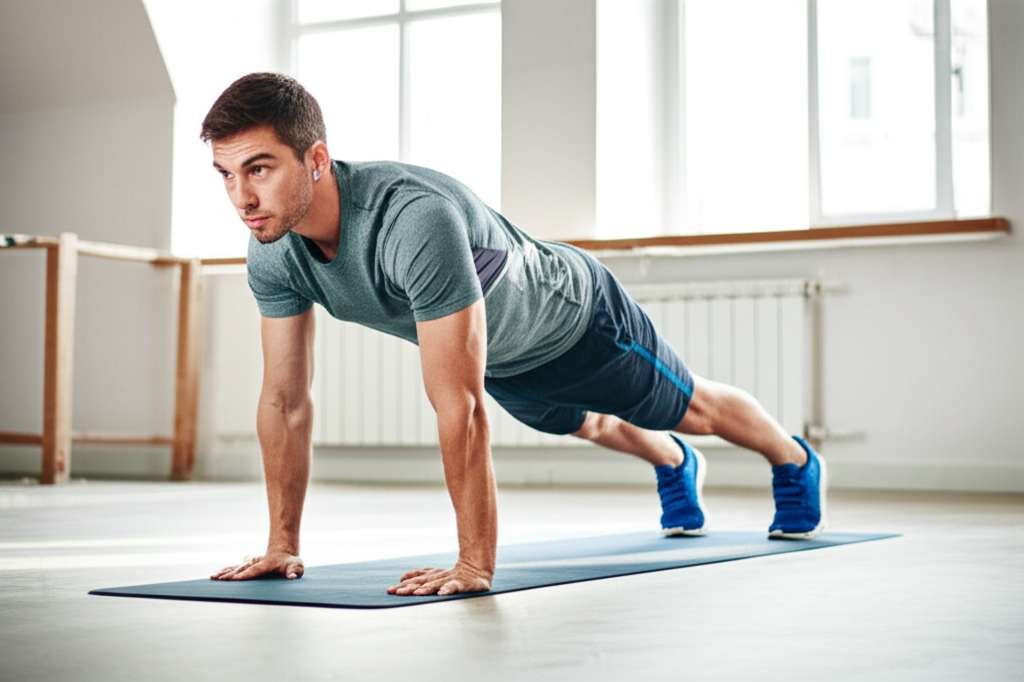
Burn fat fast at home with these 5 effective workouts designed for men. Get ready to see results with simple, science-backed exercises that boost metabolism and build muscle, all without needing gym equipment.
Feeling frustrated because losing weight seems like a puzzle you can’t solve? You’re not alone. Many guys find it tough to shed those extra pounds, especially belly fat, when life gets busy or gym memberships feel out of reach.
But here’s the good news: you don’t need fancy equipment or hours in the gym to make a real difference. With the right approach, you can transform your body right in your living room.
This guide breaks down 5 powerful home workouts specifically for men looking to burn fat quickly and effectively. We’ll cover exactly what to do, why it works, and how to fit it into your routine. Get ready to feel stronger and see those stubborn pounds melt away!

Understanding Fat Loss: The Simple Science
Before we dive into the workouts, let’s quickly chat about how fat loss actually works. It’s not about magic pills or extreme diets. At its core, fat loss is about creating a calorie deficit. This means you need to burn more calories than you consume.
Think of your body like a car. To move, it needs fuel (calories from food). Exercise is like running the engine harder, burning more fuel. When you burn more fuel than you put in, your body starts to tap into its stored energy – that’s fat!
Muscle plays a huge role here too. Muscle tissue is like a furnace; it burns calories even when you’re resting. The more muscle you have, the higher your metabolism, making it easier to burn fat consistently. That’s why combining cardio (to burn calories) with strength training (to build muscle) is your secret weapon.
5 Home Workouts for Men to Burn Fat Fast
These workouts are designed to be challenging yet manageable for beginners. They focus on compound movements – exercises that work multiple muscle groups at once, giving you the most bang for your buck in terms of calorie burn and muscle building.
Workout 1: The Full-Body HIIT Blast
High-Intensity Interval Training (HIIT) is a superstar for fat burning. It involves short bursts of intense exercise followed by brief recovery periods. This method keeps your heart rate up, torches calories during the workout, and triggers an “afterburn effect” where your body continues to burn calories for hours afterward.
How to Do It:
Perform each exercise for 45 seconds, followed by 15 seconds of rest. Complete 3-4 rounds of the circuit. Rest for 60-90 seconds between rounds.
- Jumping Jacks: A classic for a reason! Get your whole body moving to warm up and elevate your heart rate.
- Bodyweight Squats: Stand with feet shoulder-width apart. Lower your hips as if sitting into a chair, keeping your chest up and back straight. Go as low as you can comfortably, then push back up through your heels.
- Push-ups: Start in a plank position. Lower your chest towards the floor by bending your elbows, keeping your body in a straight line. Push back up. If regular push-ups are too hard, do them on your knees.
- Lunges (Alternating Legs): Step forward with one leg, lowering your hips until both knees are bent at about a 90-degree angle. Ensure your front knee is directly above your ankle and your back knee hovers just above the floor. Push off your front foot to return to the starting position and switch legs.
- Burpees: From a standing position, drop into a squat, place your hands on the floor, kick your feet back into a plank, do a push-up (optional), bring your feet back towards your hands, and jump up explosively. This is a full-body challenge!
Why it Works:
HIIT is incredibly efficient. You can get a killer workout in 20-30 minutes. The intense bursts force your body to work harder, burning more calories in less time compared to steady-state cardio. The muscle engagement also contributes to your metabolism.
Workout 2: The Core Crusher Circuit
A strong core isn’t just about aesthetics; it’s crucial for good posture, preventing back pain, and supporting all your other movements. A powerful core also helps in burning fat more effectively by stabilizing your body during intense exercises.
How to Do It:
Perform each exercise for 30 seconds, followed by 15 seconds of rest. Complete 3 rounds. Rest for 45-60 seconds between rounds.
- Plank: Hold a plank position on your forearms and toes, keeping your body in a straight line from head to heels. Engage your core to prevent your hips from sagging.
- Russian Twists: Sit on the floor with your knees bent and feet flat (or slightly lifted for more challenge). Lean back slightly, keeping your back straight. Clasp your hands together and twist your torso from side to side, tapping your hands on the floor next to your hip.
- Leg Raises: Lie on your back with your legs straight. Keeping your lower back pressed into the floor, slowly raise your legs towards the ceiling until your hips are slightly lifted, then slowly lower them back down without touching the floor.
- Bicycle Crunches: Lie on your back with your hands behind your head and knees bent. Bring your right elbow to your left knee as you extend your right leg straight. Alternate sides, mimicking a pedaling motion.
- Mountain Climbers: Start in a high plank position. Bring one knee towards your chest, then quickly switch legs, as if you’re running in place in a plank position. Keep your core tight and hips stable.
Why it Works:
These exercises target different muscles of your abdominal region and obliques. By strengthening your core, you improve your body’s ability to generate power and stabilize itself, which indirectly aids in overall calorie expenditure and fat burning.
Workout 3: The Strength Builder Stack
Building muscle is a key strategy for long-term fat loss. The more muscle mass you have, the higher your resting metabolic rate, meaning you burn more calories throughout the day, even when you’re not exercising. This workout focuses on building that lean muscle using your bodyweight.
How to Do It:
Perform 3 sets of 10-15 repetitions for each exercise. Rest for 60-90 seconds between sets.
- Squat Jumps: Start in a squat position. Explosively jump upwards, extending your legs and arms. Land softly back into a squat position. This combines strength with a cardio boost.
- Diamond Push-ups: Place your hands on the floor, bringing your thumbs and index fingers together to form a diamond shape. Lower your chest towards your hands, keeping your elbows tucked close to your body. Push back up. This variation targets the triceps and chest more intensely.
- Pistol Squat Progressions: (If full pistol squats are too hard) Stand on one leg and hold onto a sturdy object (like a chair or wall) for support. Lower yourself down as far as you can while keeping your other leg extended forward. Push back up. Gradually reduce your reliance on support and try to go lower.
- Inverted Rows (using a sturdy table or railing): Find a sturdy table or a low, strong railing. Lie on your back underneath it, grab the edge with an overhand grip, and pull your chest up towards the edge, keeping your body straight. Lower yourself slowly. If this is too difficult, start with your knees bent.
- Calf Raises: Stand with your feet flat on the floor. Rise up onto the balls of your feet, squeezing your calf muscles. Lower back down slowly. You can hold onto a wall for balance. For an extra challenge, stand on the edge of a step so your heels can drop below the step.
Why it Works:
These exercises are designed to challenge your muscles significantly, promoting muscle hypertrophy (growth). By increasing your muscle mass, you boost your metabolism, making your body a more efficient fat-burning machine over time. A study in the Journal of Strength and Conditioning Research highlights the metabolic benefits of resistance training.
Workout 4: The Cardio Endurance Challenge
While strength training builds muscle that burns calories at rest, cardiovascular exercise is king for burning calories during the workout and improving your heart health. Consistency here is key for sustained fat loss.
How to Do It:
Aim for 30-45 minutes of continuous activity. Choose one or a combination of the following:
- Brisk Walking or Jogging (indoors or outdoors): If you have space, a brisk walk or light jog can be very effective.
- Stair Climbing: If you have stairs in your home or apartment building, use them! Go up and down continuously for your chosen duration. This is a fantastic leg and glute burner.
- Jumping Rope: If you have a jump rope, this is an incredibly efficient cardio workout that also improves coordination. Start with short intervals if you’re new to it.
- High Knees & Butt Kicks Circuit: Alternate between high knees (running in place, bringing knees up high) for 1 minute and butt kicks (running in place, bringing heels towards your glutes) for 1 minute. Repeat for the duration of your workout.
- Dancing: Put on your favorite music and dance! It’s a fun way to get your heart rate up and burn calories.
Why it Works:
Cardio burns a significant number of calories during the exercise session. It also improves your cardiovascular system’s efficiency, allowing you to exercise harder and longer over time, which further boosts your fat-burning potential. The American Heart Association recommends at least 150 minutes of moderate-intensity aerobic activity per week for heart health, which aligns perfectly with fat loss goals.
Workout 5: The Active Recovery & Mobility Flow
Fat loss isn’t just about intense workouts; it’s also about recovery and keeping your body moving optimally. Active recovery helps reduce muscle soreness, improves blood flow, and can even burn a few extra calories without taxing your system.
How to Do It:
Perform these movements gently for 15-20 minutes on rest days or after your main workouts.
- Dynamic Stretches: Focus on movements that take your joints through their full range of motion. Examples include arm circles, leg swings, torso twists, and cat-cow stretches.
- Foam Rolling: If you have a foam roller, use it to gently massage your major muscle groups like quads, hamstrings, calves, and back. This helps release muscle tension.
- Light Yoga Poses: Simple poses like Child’s Pose, Downward-Facing Dog, and gentle spinal twists can promote relaxation and mobility.
- Walking: A leisurely 15-20 minute walk is excellent for recovery, getting fresh air, and keeping your metabolism ticking over.
- Deep Breathing Exercises: Focus on slow, deep breaths to calm your nervous system and aid in recovery.
Why it Works:
Active recovery aids in muscle repair and reduces inflammation, helping you feel better and be ready for your next workout. It also helps maintain a baseline calorie burn on days you aren’t doing intense training, preventing your metabolism from slowing down. Maintaining flexibility and mobility is crucial for injury prevention, allowing you to stick to your workout plan long-term.
Structuring Your Home Workout Routine
Consistency is key to burning fat. Here’s a sample weekly structure you can adapt:
Monday: Full-Body HIIT Blast (Workout 1)
Tuesday: Strength Builder Stack (Workout 3) – Focus on upper body & core
Wednesday: Cardio Endurance Challenge (Workout 4) OR Active Recovery (Workout 5)
Thursday: Full-Body HIIT Blast (Workout 1)
Friday: Strength Builder Stack (Workout 3) – Focus on lower body & core
Saturday: Cardio Endurance Challenge (Workout 4)
Sunday: Active Recovery & Mobility Flow (Workout 5)
Remember to listen to your body. If you’re feeling very sore or fatigued, opt for active recovery instead of a high-intensity workout. Gradually increase the duration, intensity, or number of rounds as you get fitter.
Nutrition: The Fuel for Fat Loss
Workouts are crucial, but they’re only half the battle. What you eat plays a massive role in fat loss. To burn fat, you need to be in a calorie deficit, but it’s important to eat nutrient-dense foods that keep you feeling full and energized.
Focus on:
- Lean Proteins: Chicken breast, fish, lean beef, eggs, beans, lentils, tofu. Protein helps build muscle and keeps you satisfied.
- Plenty of Vegetables: Load up on leafy greens, broccoli, peppers, carrots, etc. They are low in calories and packed with vitamins and fiber.
- Healthy Fats: Avocados, nuts, seeds, olive oil. These are important for hormone production and satiety.
- Complex Carbohydrates: Whole grains (oats, brown rice, quinoa), sweet potatoes, fruits. These provide sustained energy.
Limit processed foods, sugary drinks, and excessive amounts of unhealthy fats. Hydration is also vital; drink plenty of water throughout the day. A simple guideline for beginners is to focus on whole, unprocessed foods and control portion sizes.
Frequently Asked Questions About Home Workouts for Men
Q1: How quickly can I expect to see results from these home workouts?
Results vary from person to person, depending on your starting point, consistency, diet, and genetics. However, many men start noticing changes like increased energy and slight physical improvements within 2-4 weeks. Significant fat loss is typically seen over 8-12 weeks with consistent effort.
Q2: Do I really need any equipment for these workouts?
No, these workouts are designed to be done with just your bodyweight. If you have optional items like a jump rope or a yoga mat, they can enhance the experience, but they are not essential. A sturdy chair or wall can be used for modifications.
Q3: I’m a complete beginner. Are these workouts too difficult?
These workouts are designed with beginners in mind and include modifications. For example, push-ups can be done on your knees, and pistol squats can be modified with support. Focus on proper form over speed or the number of reps. Start slow and gradually build up your intensity and endurance.
Q4: How can I stay motivated to stick with my home workouts?
Find a workout buddy (even virtually!), set realistic goals, track your progress (photos, measurements, how you feel), and reward yourself for milestones. Make your workout space inviting, and try varying your workouts to keep things interesting. Remember why you started!
Q5: How important is nutrition when trying to burn fat at home?
Nutrition is extremely important, often considered more crucial than exercise for fat loss. You can’t out-exercise a bad diet. Focusing on whole foods and maintaining a slight calorie deficit while fueling your body with protein and nutrients will significantly amplify your fat-burning results.
Q6: What should I do if I feel pain during a workout?
Listen to your body. If you feel sharp or sudden pain, stop the exercise immediately. It’s important to distinguish between muscle soreness (which is normal) and joint pain or sharp discomfort. If pain persists, consult a healthcare professional or a certified trainer.
Conclusion
Burning fat fast at home is absolutely achievable for men, even with a busy schedule or limited resources. By incorporating these 5 powerful home workouts into your routine – the Full-Body HIIT Blast, Core Crusher Circuit, Strength Builder Stack, Cardio Endurance Challenge, and Active Recovery Flow – you’re setting yourself up for success.
Remember, consistency is your best friend. Combine these workouts with a focus on clean eating and adequate hydration, and you’ll be well on your way to shedding unwanted fat, building lean muscle, and feeling stronger and more confident. You’ve got this!
As an Amazon Associate, We earn from qualifying purchases. When you purchase a product through Amazon links on pulsefitguide.com, we may earn a small commission at no extra cost to you. This helps support the site and keep our content free.