
Looking for effective home workouts to get a flatter stomach? This guide offers 5 simple, beginner-friendly exercises you can do anywhere. Focus on consistency and proper form to see real results without needing a gym!
So, you’re aiming for a flatter stomach and wondering where to start? It’s a common goal, and often, the journey can feel a bit confusing with all the information out there. You might be thinking, “Is it even possible to get a flatter tummy without expensive gym memberships or complicated routines?”
The good news is, yes! Achieving a flatter stomach is totally within reach, and you can do it right from the comfort of your home. It’s all about choosing the right moves and staying consistent.
This guide is designed to make things super simple. We’ll break down five effective home workouts that target your core and help you build that flatter stomach you’re looking for. Get ready to feel stronger and more confident!

Let’s dive into the exercises that will help you on your way to a flatter stomach.
Frequently Asked Questions About Home Workouts for a Flat Stomach
1. How often should I do these home workouts for a flatter stomach?
Consistency is key! Aim to perform these workouts 3-4 times a week. Allow a day of rest in between to let your muscles recover. Listening to your body is important; if you feel very sore, take an extra rest day.
2. Do I need any special equipment for these exercises?
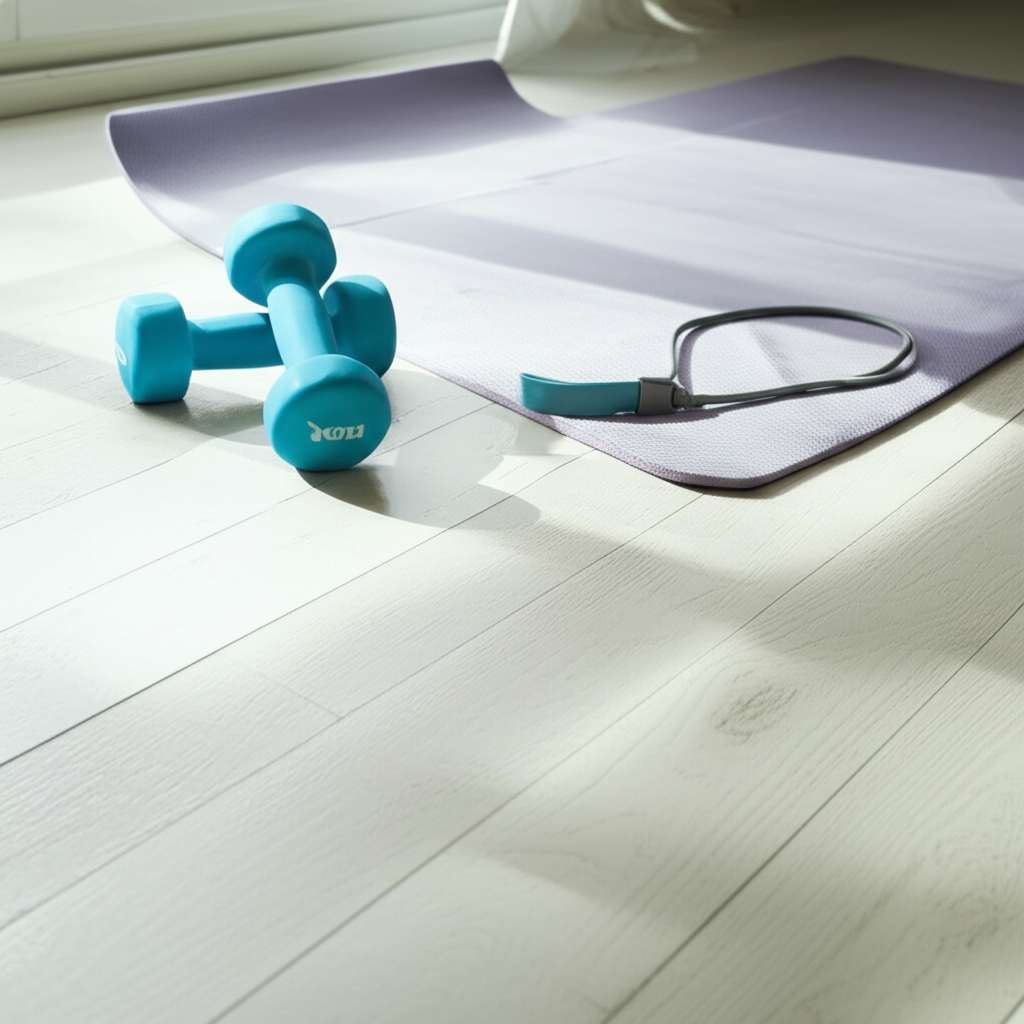
Great question! The beauty of these workouts is that they require minimal to no equipment. You might find a yoga mat helpful for comfort, but you can also use a carpeted floor or a soft towel. That’s it!
3. How long will it take to see results from these workouts?
Results vary for everyone, depending on factors like your starting point, diet, and consistency. Generally, you might start noticing changes in strength and muscle tone within 4-6 weeks. Visible flattening of the stomach often takes longer and is heavily influenced by overall body fat reduction, which includes diet.
4. Can I target my stomach fat directly with these exercises?
It’s a common myth that you can spot-reduce fat from a specific area. While these exercises strengthen your abdominal muscles, helping to create a more toned appearance, overall fat loss comes from a combination of diet and consistent exercise. These workouts contribute to calorie burning and muscle building, which aids in overall fat reduction.
5. What’s the most important thing for beginners to remember?
Focus on proper form over speed or the number of repetitions. Incorrect form can lead to injuries and won’t be as effective. Start slow, do your research on how to perform each exercise correctly (watching videos can be very helpful!), and gradually increase intensity as you get stronger. Celebrate small victories!
6. How do these workouts contribute to a flatter stomach besides just toning muscles?
These exercises engage your core muscles, which are essential for posture and stability. A stronger core can help pull in your abdomen, giving a visually flatter appearance. Additionally, many of these movements increase your heart rate, contributing to calorie expenditure and overall fat loss, which is crucial for revealing toned abdominal muscles.
7. What if I can’t do a certain exercise or find it too hard?
Don’t worry! Every exercise has modifications. For example, if a full plank is too difficult, you can do a plank on your knees. If a certain crunch variation feels uncomfortable, try a simpler one or focus on holding the contraction longer. The goal is to challenge yourself safely and progressively. Many resources online demonstrate modifications for common exercises.
Why Home Workouts Are Great for a Flat Stomach
Many people think getting a flat stomach requires hours in the gym, but that’s not true! Home workouts are fantastic because they’re convenient, affordable, and highly effective when done correctly. You can squeeze them in whenever you have a spare moment, without worrying about travel time or gym crowds.
The key is understanding that a flat stomach isn’t just about doing endless crunches. It’s about strengthening your entire core – the muscles in your abdomen, back, and pelvis that support your body. When these muscles are strong and toned, they help support your organs and can give your midsection a firmer, flatter appearance.
Plus, when you engage your core muscles during various exercises, you also burn calories and build lean muscle. This combination of muscle toning and calorie expenditure is what truly leads to a flatter stomach over time. Ready to get started with some simple yet powerful moves?
Your Essential Guide: 5 Home Workouts for a Flat Stomach
Let’s get to the good stuff! These five workouts are designed to be effective for beginners and can be done with little to no equipment. Remember to focus on your form and breathe throughout each exercise. You’ve got this!
1. The Classic Crunch: Building Foundational Strength
The crunch is a staple for a reason. It directly targets your rectus abdominis, the “six-pack” muscles. Done correctly, it’s a safe and effective way to start building core strength.
How to do it:
- Lie on your back with your knees bent and feet flat on the floor, hip-width apart.
- Place your hands lightly behind your head, interlacing your fingers, or cross them over your chest. Avoid pulling on your neck.
- Engage your abdominal muscles and exhale as you lift your head, neck, and shoulders off the floor. Focus on bringing your rib cage towards your hips.
- Keep your lower back pressed into the floor throughout the movement.
- Inhale as you slowly lower yourself back down to the starting position.
Repetitions and Sets:
Start with 3 sets of 10-15 repetitions. As you get stronger, you can increase the number of reps or add another set.
Beginner Tip:
Don’t try to lift your whole body. The movement should be small and controlled. Think about curling your upper body up, not just lifting your head. If you feel strain in your neck, try placing one hand on your stomach to feel your abs engage, and the other hand lightly behind your head.
2. The Plank: The Ultimate Core Stabilizer
The plank is a fantastic isometric exercise, meaning you hold a position to build strength. It works not just your abs, but also your back, shoulders, and glutes, creating a strong, stable core. A strong core is fundamental for a flatter-looking stomach.
How to do it:
- Start in a push-up position, but rest on your forearms instead of your hands. Your elbows should be directly beneath your shoulders.
- Extend your legs back, resting on the balls of your feet.
- Your body should form a straight line from your head to your heels. Don’t let your hips sag or rise too high.
- Engage your core by drawing your belly button towards your spine. Squeeze your glutes.
- Hold this position, breathing deeply and steadily.
Duration and Sets:
Aim to hold for 20-30 seconds for 3 sets. As you get stronger, you can gradually increase the hold time.
Beginner Tip:
If a full plank is too challenging, modify it by dropping to your knees. Ensure your body still forms a straight line from your head to your knees. This modification still effectively works your core muscles.
3. Leg Raises: Targeting the Lower Abs
While crunches work the upper abs, leg raises are excellent for targeting the lower abdominal muscles. This area can be particularly tricky to tone, making this exercise a valuable addition to your routine.
How to do it:
- Lie on your back with your legs extended straight. You can place your hands flat on the floor by your sides or slightly under your lower back for support if needed.
- Keep your legs as straight as possible (a slight bend in the knees is okay for beginners).
- Engage your abdominal muscles and slowly lift your legs towards the ceiling until they are perpendicular to the floor, or as high as you can comfortably go.
- As you lower your legs, do so slowly and with control, stopping just before they touch the floor. Avoid letting your back arch off the ground.
- Exhale as you lift your legs, and inhale as you lower them.
Repetitions and Sets:
Aim for 3 sets of 10-15 repetitions. Focus on slow, controlled movements rather than rushing through them.
Beginner Tip:
If lifting both legs at once is too difficult, start by lifting just one leg at a time, alternating between legs. This helps build strength and control in your lower abs without overstraining your back.
4. Bicycle Crunches: Dynamic and Effective
Bicycle crunches are a dynamic exercise that works your rectus abdominis and also engages your obliques (the muscles on the sides of your waist). This move mimics the motion of pedaling a bicycle, making it a fun and effective way to hit multiple abdominal muscles.
How to do it:
- Lie on your back with your knees bent and your hands lightly behind your head.
- Lift your shoulders slightly off the floor.
- Bring your right elbow towards your left knee as you simultaneously extend your right leg straight out, keeping it a few inches off the floor.
- Switch sides: bring your left elbow towards your right knee while extending your left leg.
- Continue this alternating motion, as if pedaling a bicycle, for the duration of the set.
- Focus on twisting your torso to bring your elbow to meet your knee, rather than just moving your arms.
Repetitions and Sets:
Perform for 30-60 seconds for 3 sets. You can count each side as one repetition (e.g., right elbow to left knee and then left elbow to right knee equals one rep) or count each complete cycle.
Beginner Tip:
Go slow and controlled. The goal is the twist and the crunch, not speed. Ensure you’re breathing – exhale as you twist and crunch, inhale as you extend.
5. Russian Twists: For Oblique Strength
Russian twists are excellent for strengthening your obliques, which can help create a more defined waistline and contribute to a flatter appearance. They also engage your transverse abdominis, the deepest core muscle, which acts like a natural corset.
How to do it:
- Sit on the floor with your knees bent and feet flat on the ground.
- Lean back slightly, keeping your back straight, until you feel your abdominal muscles engage. You can lift your feet slightly off the floor if you want a greater challenge, but keep them on the floor if you’re a beginner.
- Clasp your hands together in front of your chest.
- Engage your core and slowly twist your torso to the right, tapping your hands (or bringing them close) to the floor beside your hip.
- Twist back to the center, then to the left side.
- Continue alternating sides in a controlled manner.
Repetitions and Sets:
Aim for 3 sets of 10-15 twists per side. So, if you do 10 twists to the right and 10 to the left, that’s one set of 20 total twists.
Beginner Tip:
To make it easier, keep your feet firmly on the floor. To increase the intensity, you can hold a light weight, such as a water bottle or a dumbbell, in your hands. Remember to keep your back straight and avoid rounding it.
Integrating Workouts for Best Results
Doing these exercises is a fantastic start! But to truly achieve a flatter stomach, it’s helpful to think about how these workouts fit into a bigger picture. Consistency is your best friend here.
Try to create a routine. Maybe you do crunches and leg raises on Monday, planks and Russian twists on Wednesday, and bicycle crunches on Friday. Or perhaps you do a mix of all of them for a shorter, full-core workout 3-4 times a week. Find what fits your schedule and what you’re most likely to stick with.
Remember that these exercises strengthen and tone your abdominal muscles. However, for a stomach to appear truly flat, overall body fat needs to be reduced. This is where nutrition plays a massive role. Focusing on a balanced diet with whole foods, lean protein, plenty of vegetables, and healthy fats, while staying hydrated, will complement your workouts perfectly.
It’s also important to remember that genetics and individual body composition play a part. What looks “flat” can vary from person to person. The goal is to feel strong, healthy, and confident in your body, and these home workouts are a powerful tool to help you get there.
For more information on building healthy habits and understanding nutrition’s role, resources like the American Heart Association’s healthy eating guidelines offer excellent, science-backed advice.
The Importance of Proper Form
I can’t stress this enough: form is everything! Doing an exercise incorrectly can not only make it less effective but can also lead to injuries. Always prioritize quality over quantity.
- Watch videos: Look up each exercise on reputable fitness sites or YouTube channels to see it performed correctly.
- Start slow: Don’t rush through the movements. Focus on feeling the muscles work.
- Listen to your body: If something feels painful, stop. Differentiate between muscle fatigue and sharp pain.
- Engage your core: Consciously pull your belly button towards your spine during most core exercises. This activates the deep abdominal muscles.
Tracking Your Progress
It’s motivating to see how far you’ve come! While the scale isn’t the only measure, consider these:
- How your clothes fit: Do they feel looser around your waist?
- Your strength: Can you hold a plank longer? Can you do more reps?
- How you feel: Do you have more energy? Do you feel stronger?
- Progress photos: Taking a photo every few weeks can show subtle changes you might not notice day-to-day.
Consistency and Patience
Achieving a flatter stomach is a journey, not a race. There will be days when you feel more motivated than others. On those less motivated days, try to just do a few minutes of exercise. Even a little bit is better than nothing, and it keeps the habit alive.
Be patient with yourself. Your body is amazing, and it responds to consistent effort. Celebrate the small wins along the way, and trust the process. You are building strength, improving your health, and creating sustainable habits that will benefit you for a lifetime.
Beyond the Workouts: A Holistic Approach
While these five home workouts are powerful tools for toning your core, remember that a truly flat stomach often involves a combination of factors. It’s about building a healthy lifestyle, not just performing exercises.
Nutrition is Paramount: Even the best core exercises won’t reveal toned muscles if they are hidden under a layer of body fat. Focus on eating whole, unprocessed foods. This includes plenty of fruits, vegetables, lean proteins, and healthy fats. Limiting sugary drinks, processed snacks, and excessive saturated fats can make a significant difference in reducing overall body fat.
Hydration Matters: Drinking enough water is crucial for metabolism and can help you feel fuller, potentially reducing overall calorie intake. Aim for at least 8 glasses of water a day, and more if you’re active or in a hot climate.
Sleep is Your Friend: Quality sleep is vital for muscle recovery and hormone balance, both of which impact weight management. When you’re sleep-deprived, your body may crave less healthy foods and store fat more readily.
Stress Management: Chronic stress can lead to increased cortisol levels, which are linked to abdominal fat storage. Finding healthy ways to manage stress, such as meditation, deep breathing exercises, or engaging in hobbies, can be beneficial.
For those looking for more in-depth nutritional guidance, the National Institute on Aging provides resources on healthy eating for adults.
Sample Weekly Workout Schedule for Beginners
Here’s a simple way you could structure your week. Remember to adjust it based on how your body feels!
| Day | Workout Focus | Notes |
|---|---|---|
| Monday | Classic Crunches & Leg Raises | 3 sets of 12-15 reps each. Focus on slow, controlled movements. |
| Tuesday | Rest or Light Activity | Gentle walking or stretching. |
| Wednesday | Plank & Bicycle Crunches | Plank: 3 sets, hold for 30 seconds. Bicycle Crunches: 3 sets of 45 seconds. |
| Thursday | Rest or Light Activity | Focus on hydration and healthy eating. |
| Friday | Russian Twists & Mixed Core | Russian Twists: 3 sets of 12-15 per side. Add 1-2 other exercises you enjoyed from the week. |
| Saturday | Active Recovery or Fun Activity | Go for a hike, play a sport, or enjoy a long walk. |
| Sunday | Rest | Allow your body to fully recover and prepare for the next week. |
Listen to Your Body
This schedule is a suggestion. If you’re feeling tired or sore, it’s perfectly okay to take an extra rest day. Pushing too hard can lead to burnout or injury, which will set you back. Your body will often tell you what it needs, so pay attention to its signals.
Conclusion: Your Journey to a Flatter Stomach Starts Now
Embarking on a journey to a flatter stomach can feel like a big step, but it doesn’t have to be overwhelming. By incorporating these five effective home workouts – the classic crunch, plank, leg raises, bicycle crunches, and Russian twists – you’re building a strong foundation for a toned and resilient core.
Remember, consistency and proper form are your superpowers. Start where you are, focus on making each movement count, and celebrate your progress, no matter how small. These exercises are designed to be accessible, affordable, and impactful, proving that you don’t need fancy equipment or a gym membership to achieve your goals.
Combine these workouts with a balanced, nutritious diet, adequate hydration, and sufficient rest, and you’ll be well on your way. A flatter stomach is not just about aesthetics; it’s about cultivating a stronger, healthier, and more confident you. So, take a deep breath, get started today, and trust in the process. Your body will thank you for it!
As an Amazon Associate, We earn from qualifying purchases. When you purchase a product through Amazon links on pulsefitguide.com, we may earn a small commission at no extra cost to you. This helps support the site and keep our content free.