
Quick Summary:
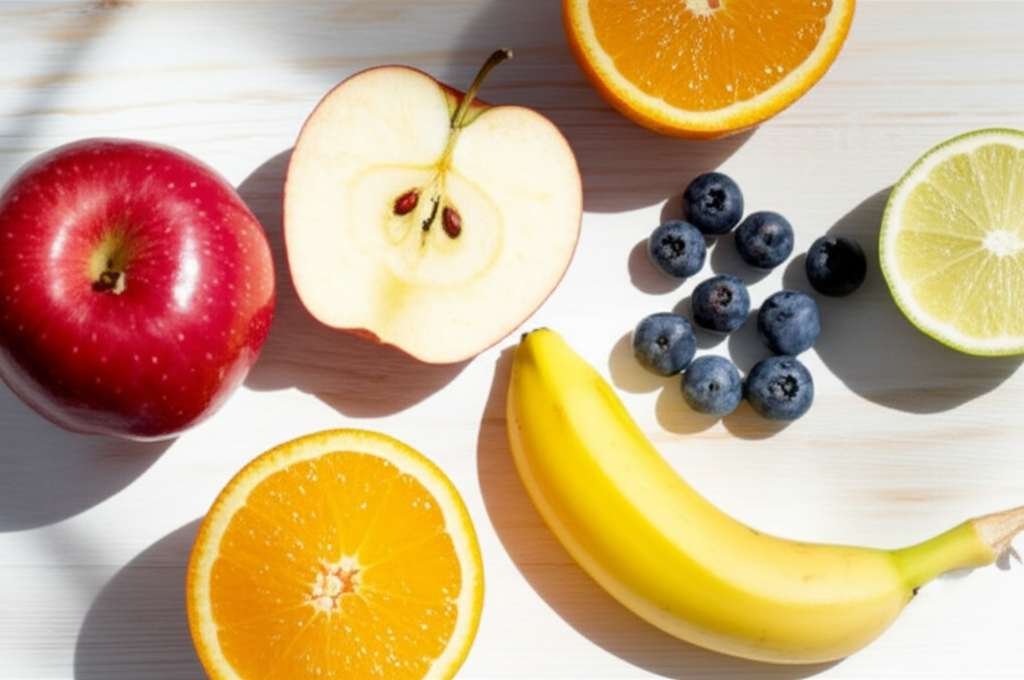
Boost your weight loss journey with these five delicious fruits! Packed with fiber, water, and essential nutrients, they help you feel full, manage cravings, and support a healthy metabolism. Discover how incorporating these fruits can make losing weight simpler and tastier.
Losing weight can feel like a puzzle, right? You try to eat healthy, but sometimes it’s hard to know what actually helps. You might wonder if certain foods can make a big difference without making things complicated.
Don’t worry, it’s totally normal to feel this way! The good news is that nature offers some amazing helpers. Fruits are a fantastic part of a weight loss plan because they are naturally sweet, refreshing, and full of good stuff for your body.
In this guide, we’ll explore five top fruits that can be your allies in shedding pounds. We’ll break down why they work, how to enjoy them, and make it super easy for you to add them to your meals.
The Science Behind Fruits and Weight Loss

It’s not magic; it’s science! Fruits help with weight loss in a few key ways, making them a smart choice when you’re trying to reach your goals. They are like nature’s little weight loss coaches.
Think about it: when you’re trying to lose weight, you often need to feel full and satisfied. Fruits are great at this because they are packed with two things that are super important: water and fiber. These two elements work together to keep your stomach feeling full for longer, which means you’re less likely to reach for unhealthy snacks between meals.
Plus, fruits are naturally lower in calories compared to many processed foods. This means you can enjoy a sweet treat without derailing your progress. They also provide essential vitamins and minerals that keep your body running smoothly, which is crucial for overall health and energy levels during weight loss.
Fiber: Your Fullness Friend
Fiber is a type of carbohydrate that your body can’t digest. Instead, it passes through your digestive system relatively intact. This is actually a good thing for weight loss!
When you eat foods high in fiber, like fruits, it slows down digestion. This helps you feel fuller for a longer period after eating. It also helps to regulate your blood sugar levels, preventing those sharp spikes and crashes that can lead to cravings for sugary foods. The American Heart Association emphasizes the importance of fiber for overall heart health and weight management, highlighting its role in keeping you satisfied.
Water Content: Hydration and Fullness
Many fruits are made up of a large percentage of water. Think of a juicy watermelon or a plump orange!
This high water content contributes to your overall hydration, which is vital for many bodily functions, including metabolism. More importantly for weight loss, the water in fruits also adds volume to your meal without adding significant calories. This helps to fill you up, making it easier to control your portion sizes and consume fewer calories overall.
Nutrient Density: Fueling Your Body
While fruits are relatively low in calories, they are incredibly rich in vitamins, minerals, and antioxidants. These nutrients are essential for keeping your body healthy and energized, especially when you’re making dietary changes.
When you’re losing weight, your body still needs a steady supply of nutrients to function optimally. Fruits provide this without the excess calories and unhealthy fats found in many other foods. This nutrient density ensures that even when you’re eating less, you’re still nourishing your body effectively.
Top 5 Fruits for Weight Loss
Now, let’s dive into the stars of the show! These five fruits are not only delicious but also exceptionally beneficial when you’re aiming to lose weight. They offer a great mix of fiber, water, and nutrients to support your journey.
1. Berries (Strawberries, Blueberries, Raspberries, Blackberries)
Berries are like tiny powerhouses of nutrition and are incredibly versatile. They are low in calories and sugar compared to many other fruits, making them a weight-loss champion.
Why they’re great for weight loss:
- High in Fiber: Berries are loaded with fiber, which aids digestion and keeps you feeling full. Just one cup of raspberries contains about 8 grams of fiber!
- Rich in Antioxidants: They are packed with antioxidants, which help fight inflammation and protect your cells.
- Low Glycemic Index: This means they don’t cause a rapid spike in blood sugar, helping to prevent cravings.
- Versatile: You can toss them in smoothies, sprinkle them on yogurt or oatmeal, or enjoy them as a snack.
How to enjoy them: Add a handful to your morning smoothie, top your Greek yogurt with fresh berries, or enjoy them as a light and satisfying dessert.
2. Apples
An apple a day might just keep the extra pounds away! Apples are a fantastic source of fiber, particularly pectin, which is known for its weight-management benefits.
Why they’re great for weight loss:
- Pectin Power: The pectin in apples forms a gel in your stomach, slowing down digestion and making you feel full.
- High Water Content: Apples are mostly water, which contributes to satiety.
- Crunchy Satisfaction: The natural crunch of an apple can be very satisfying and helps with mindful eating.
- Portable Snack: They are easy to pack and eat on the go, making healthy choices convenient.
How to enjoy them: Eat them whole as a snack, slice them and pair with a tablespoon of peanut butter (for added protein and healthy fats), or bake them with cinnamon for a warm, comforting treat.
3. Grapefruit
This tangy citrus fruit is often hailed as a weight-loss wonder. Grapefruit is incredibly low in calories and high in water, making it a great choice for boosting your metabolism and helping you feel full.
Why it’s great for weight loss:
- Low Calories, High Volume: You can eat a generous portion of grapefruit for very few calories.
- Hydrating: Its high water content helps keep you hydrated and satisfied.
- May Aid Metabolism: Some studies suggest that grapefruit compounds might have a positive effect on insulin sensitivity and metabolism, though more research is needed. The National Institute of Diabetes and Digestive and Kidney Diseases provides comprehensive information on healthy weight management strategies.
- Rich in Vitamin C: It’s a good source of Vitamin C, important for immune function.
How to enjoy it: Enjoy a halved grapefruit with a sprinkle of cinnamon for breakfast, or add grapefruit segments to a salad for a zesty kick.
4. Avocados
While often thought of as a vegetable, avocado is botanically a fruit! It might seem surprising due to its higher fat content, but these are healthy monounsaturated fats that are beneficial for weight loss.
Why they’re great for weight loss:
- Healthy Fats: The monounsaturated fats in avocados help you feel full and satisfied, reducing the urge to overeat.
- Fiber Content: Avocados also contain a good amount of fiber, further contributing to satiety.
- Nutrient-Dense: They are packed with vitamins (like K, C, E, and several B vitamins) and minerals (like potassium).
- Blood Sugar Regulation: The healthy fats can help stabilize blood sugar levels.
How to enjoy them: Add slices to salads or sandwiches, mash it onto whole-wheat toast, or blend it into smoothies for a creamy texture and added nutrients. Remember to watch portion sizes, as they are calorie-dense.
5. Pears
Similar to apples, pears are a fantastic source of dietary fiber and water, making them an excellent choice for managing hunger and supporting weight loss efforts.
Why they’re great for weight loss:
- High Fiber: Pears are rich in both soluble and insoluble fiber, promoting digestive health and prolonged fullness.
- Satisfying Sweetness: They offer a natural sweetness that can curb sugar cravings.
- Hydrating: Their significant water content adds to your daily fluid intake and helps you feel full.
- Easy to Digest: Pears are generally easy on the stomach, making them a good option for many people.
How to enjoy them: Eat them whole with the skin on for maximum fiber, slice them into salads, or poach them with spices for a healthy dessert.
Understanding Fruit Portions for Weight Loss
While fruits are healthy, it’s still important to be mindful of how much you’re eating, especially when you’re focused on weight loss. Everything in moderation is key!
A general guideline for a single serving of most fruits is about one cup, or the size of a tennis ball. For smaller fruits like berries, it’s typically a cup. For larger fruits like a whole apple or pear, one fruit counts as a serving. Understanding these portions helps you manage your calorie intake effectively while still enjoying the benefits of fruit.
Serving Size Examples
Here’s a quick look at what a typical serving size might look like for some fruits:
| Fruit | Approximate Serving Size | Why it’s a good choice |
|---|---|---|
| Berries (Strawberries, Blueberries, Raspberries) | 1 cup | High fiber, low sugar, packed with antioxidants. |
| Apple | 1 medium apple (about the size of a baseball) | Good source of pectin fiber, hydrating. |
| Grapefruit | 1/2 medium grapefruit | Very low in calories, high water content, aids satiety. |
| Pear | 1 medium pear (about the size of a baseball) | Rich in fiber, satisfying natural sweetness. |
| Banana | 1 small banana (about 6 inches long) | Good energy source, contains potassium, but higher in sugar/calories than other options, so portion control is key. |
| Orange | 1 medium orange | Excellent source of Vitamin C, hydrating, good fiber content. |
| Grapes | 1 cup | Sweet and hydrating, but easy to overeat; portion control is important. |
Remember, these are just guidelines. Your individual needs might vary based on your activity level, metabolism, and overall diet plan. The goal is to incorporate these fruits as part of a balanced eating pattern, not to overindulge.
Creative Ways to Add Fruits to Your Diet
Eating fruit doesn’t have to be boring! There are countless delicious and easy ways to incorporate these weight-loss-friendly options into your daily meals and snacks.
Breakfast Boosters
Start your day off right with fruits! They add natural sweetness and essential nutrients to your morning meals.
- Smoothies: Blend berries, a small banana, a handful of spinach, and your favorite milk or yogurt for a nutrient-packed breakfast.
- Oatmeal Topper: Top your morning oatmeal with sliced apples, pears, or a generous serving of berries. A sprinkle of cinnamon adds extra flavor without calories.
- Yogurt Parfait: Layer Greek yogurt with fresh fruit and a sprinkle of nuts or seeds for a satisfying and protein-rich breakfast.
Smart Snacks
When hunger strikes between meals, reach for fruit instead of processed snacks. They are nature’s perfect grab-and-go option.
- Whole Fruit: An apple, pear, or a small bunch of grapes is easy to carry and eat anywhere.
- Fruit Salad: Prepare a colorful fruit salad at the beginning of the week to have healthy snacks ready to go.
- Fruit with Protein: Pair fruit with a small handful of almonds, a tablespoon of nut butter, or a hard-boiled egg to create a more filling snack.
Meal Enhancers
Fruits can also add a burst of flavor and nutrients to your main meals.
- Salad Addition: Add grapefruit segments, apple slices, or berries to your salads for a sweet and tangy twist. Avocado slices are also a great addition!
- Savory Dishes: Pineapple chunks can be a delicious addition to stir-fries or grilled chicken. Dried cranberries can add a touch of sweetness to quinoa salads.
- Healthy Desserts: Baked apples with cinnamon, grilled peaches, or a simple bowl of berries with a dollop of Greek yogurt make for a guilt-free dessert.
Things to Watch Out For
While fruits are fantastic, it’s helpful to be aware of a few things to ensure they’re truly supporting your weight loss goals.
- Added Sugars: Be cautious of fruit juices, dried fruits with added sugar, and canned fruits in syrup. These often contain high amounts of added sugars that can hinder weight loss. Always opt for fresh or frozen fruit without added sugars.
- Portion Control: As mentioned, even healthy foods have calories. Overeating any fruit, even the low-calorie ones, can lead to consuming more calories than intended.
- Juicing vs. Whole Fruit: Juicing removes most of the beneficial fiber from fruit. While you get the vitamins, you miss out on the fullness factor and the slower sugar release that fiber provides. It’s generally better to eat whole fruits. The Centers for Disease Control and Prevention (CDC) recommends consuming whole fruits for their fiber content.
Frequently Asked Questions (FAQ)
Q1: Can I eat fruit if I have diabetes?
Yes, people with diabetes can enjoy fruits, but it’s important to manage portion sizes and choose fruits with a lower glycemic index. Berries, apples, and pears are often good choices. It’s always best to consult with your doctor or a registered dietitian for personalized advice.
Q2: Are frozen fruits as good as fresh fruits for weight loss?
Yes, frozen fruits are just as nutritious as fresh fruits and can be an excellent option for weight loss. They are often picked at their peak ripeness and flash-frozen, preserving their vitamins and minerals. They are also convenient and can be more affordable.
Q3: Should I avoid bananas when trying to lose weight?
Not necessarily! While bananas are higher in calories and natural sugars than some other fruits, they are also a good source of fiber and potassium, which are beneficial for overall health and can help with energy levels. The key is portion control – a small to medium banana is usually a reasonable serving size as part of a balanced diet.
Q4: How much fruit is too much when trying to lose weight?
It depends on your individual calorie needs and overall diet. A general recommendation is to aim for 2-3 servings of fruit per day. Focus on whole fruits and be mindful of portion sizes to ensure you’re not consuming excess calories. Pay attention to how your body feels and adjust accordingly.
Q5: Can eating fruit help with cravings?
Absolutely! The natural sweetness of fruits can help satisfy sugar cravings. Additionally, the fiber and water content help you feel full, reducing the urge to snack on less healthy, high-sugar options. Berries and apples are particularly good for managing cravings.
Q6: Are fruit smoothies good for weight loss?
Fruit smoothies can be a great tool for weight loss if made correctly. They are a convenient way to consume multiple servings of fruit and can be enhanced with protein (like Greek yogurt or protein powder) and healthy fats (like chia seeds or a small amount of avocado) to make them more filling. Avoid adding excessive amounts of sweeteners or high-calorie additions like ice cream.
Conclusion
Incorporating the right fruits into your diet can be a delicious and effective strategy for supporting your weight loss journey. Berries, apples, grapefruit, avocados, and pears offer a powerful combination of fiber, water, essential nutrients, and satisfying flavors that can help you feel full, manage cravings, and boost your overall health.
Remember that consistency is key. By making these fruits a regular part of your balanced eating plan, you’re not just aiming for a number on the scale, but also building sustainable healthy habits. Don’t be afraid to get creative with how you enjoy them – from morning smoothies to refreshing snacks and meal additions.
Listen to your body, practice mindful eating, and celebrate the small victories along the way. With these fruity allies by your side, your weight loss goals are more achievable and enjoyable than ever before! You’ve got this!
As an Amazon Associate, We earn from qualifying purchases. When you purchase a product through Amazon links on pulsefitguide.com, we may earn a small commission at no extra cost to you. This helps support the site and keep our content free.