
Quick Summary:
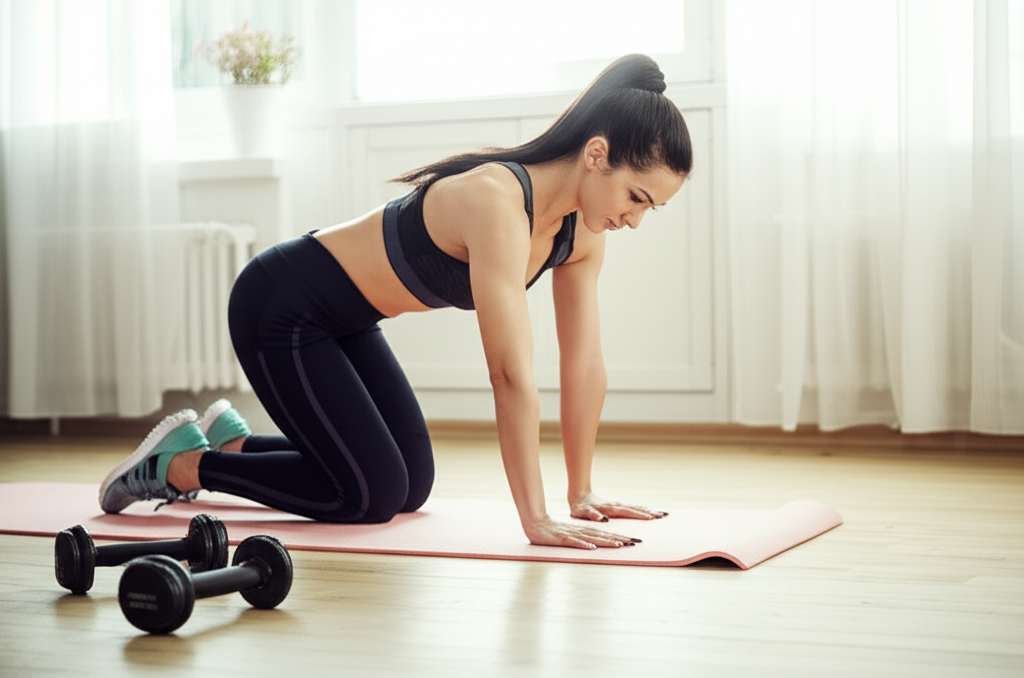
The 5 best home workouts for weight loss combine cardio and strength training using simple movements. These routines, like bodyweight circuits and HIIT, are effective, accessible, and can be done anywhere with minimal equipment, making sustainable weight loss achievable for beginners.
Feeling a bit lost when it comes to shedding those extra pounds? You’re not alone! Many people find weight loss confusing, especially when trying to figure out where to start.
The good news is that getting in shape and losing weight doesn’t require expensive gym memberships or complicated routines. You can achieve fantastic results right in your own home.
This guide will break down five of the best home workouts that are perfect for beginners looking to lose weight. We’ll focus on simple, effective exercises you can do today.

Why Home Workouts Are Great for Weight Loss
Working out at home offers a unique set of advantages, especially when your goal is weight loss. It removes many common barriers that prevent people from sticking to an exercise plan.
Think about it: no travel time, no waiting for machines, and the freedom to wear whatever you’re comfortable in. This convenience can make a huge difference in consistency, which is key for seeing results.
Plus, home workouts are incredibly budget-friendly. You don’t need fancy equipment to get a great sweat session. Many effective exercises use just your body weight, making them accessible to everyone.
The science is clear: consistent physical activity, combined with a healthy diet, is a powerful tool for weight loss. Home workouts provide a flexible and manageable way to build that consistency.
Understanding How Workouts Help Weight Loss
Weight loss essentially comes down to burning more calories than you consume. Exercise plays a dual role in this process. Firstly, it directly burns calories during the workout itself.
Secondly, building muscle through strength training boosts your metabolism. Muscle tissue burns more calories at rest than fat tissue, meaning you’ll burn more calories throughout the day, even when you’re not exercising.
Combining cardiovascular (cardio) exercises, which elevate your heart rate, with strength training, which builds muscle, offers the most efficient path to weight loss. Cardio burns a lot of calories in a short period, while strength training provides long-term metabolic benefits.
This approach ensures you’re not just losing weight, but also shaping your body and improving your overall health. It’s about creating a sustainable lifestyle change, not just a quick fix.
The 5 Best Home Workouts for Weight Loss
These workouts are chosen for their effectiveness, simplicity, and ability to be modified for different fitness levels. They require minimal to no equipment, making them perfect for beginners.
1. Bodyweight Circuit Training
Bodyweight circuit training involves performing a series of exercises back-to-back with little to no rest in between. Once you complete one round of all exercises, you take a short break before starting the next round.
This method keeps your heart rate elevated, providing a great cardio workout while simultaneously building strength. It’s incredibly efficient for burning calories in a limited time. You can customize the exercises to target different muscle groups and adjust the difficulty.
How to do it:
- Choose 5-7 bodyweight exercises. Aim for a mix of upper body, lower body, and core movements.
- Perform each exercise for 30-60 seconds. Focus on good form over speed.
- Move immediately to the next exercise. Minimal rest between exercises is key.
- Rest for 60-90 seconds after completing all exercises. This is one round.
- Complete 3-5 rounds. Adjust the number of rounds based on your fitness level.
Sample Bodyweight Circuit:
| Exercise | Focus | Duration |
|---|---|---|
| Squats | Legs & Glutes | 45 seconds |
| Push-ups (on knees or toes) | Chest, Shoulders, Triceps | 45 seconds |
| Lunges (alternating legs) | Legs & Glutes | 45 seconds |
| Plank | Core | 45 seconds |
| Jumping Jacks | Full Body Cardio | 45 seconds |
| Glute Bridges | Glutes & Hamstrings | 45 seconds |
This circuit targets major muscle groups and gets your heart pumping. Remember to listen to your body and modify exercises if needed. For instance, if standard push-ups are too difficult, perform them on your knees.
2. High-Intensity Interval Training (HIIT)
HIIT workouts involve short bursts of intense exercise followed by brief recovery periods. This pattern is repeated several times. A typical HIIT session might involve 20-30 seconds of maximum effort followed by 10-20 seconds of rest or low-intensity activity.
HIIT is exceptionally effective for fat burning because it significantly elevates your metabolism, a phenomenon known as the “afterburn effect” or EPOC (Excess Post-exercise Oxygen Consumption). This means your body continues to burn calories at an increased rate for hours after the workout is finished.
HIIT can be adapted to almost any form of exercise, including running in place, jumping jacks, burpees, or even bodyweight squats. The key is pushing yourself to near-maximum effort during the work intervals.
How to do it:
- Choose 1-3 exercises. Keep it simple, focusing on movements that allow high intensity.
- Perform the first exercise at maximum effort for 20-30 seconds. Give it your all!
- Rest or perform active recovery (e.g., light jogging in place) for 10-20 seconds.
- Repeat this cycle for 4-8 rounds.
- Move to the next exercise (if applicable) or rest for 60 seconds and repeat the entire circuit.
- Aim for a total workout time of 15-25 minutes.
Sample HIIT Workout (Bodyweight Focus):
- Burpees: 30 seconds intense, 15 seconds rest
- High Knees: 30 seconds intense, 15 seconds rest
- Mountain Climbers: 30 seconds intense, 15 seconds rest
Complete 4-6 rounds of this sequence. Remember, HIIT is demanding. Start with shorter work intervals and longer rest periods if you’re new to it. The National Heart, Lung, and Blood Institute recommends incorporating vigorous aerobic activity to improve cardiovascular health, and HIIT is a prime example.
3. Walking or Jogging in Place with Variations
This is perhaps the most accessible form of cardio you can do at home. It requires no special equipment and can be adjusted to suit any fitness level. It’s a fantastic way to burn calories and improve endurance without leaving your living room.
By adding variations, you can increase the intensity and engage different muscle groups, making it a more comprehensive workout. This makes it a sustainable habit for long-term weight management.
How to do it:
- Start with a brisk walk in place. Focus on a steady pace for 5 minutes to warm up.
- Introduce variations:
- High Knees: Bring your knees up towards your chest as you march or jog.
- Butt Kicks: Bring your heels up towards your glutes.
- Side Steps: Step out to the side with one foot, then bring the other to meet it, alternating directions.
- Arm Circles: While walking, perform large circles with your arms forward and backward.
- Torso Twists: Rotate your upper body from side to side.
- Incorporate these variations into your walk or jog. For example, walk briskly for 1 minute, do high knees for 30 seconds, butt kicks for 30 seconds, then return to a brisk walk.
- Continue for 20-30 minutes. Aim to gradually increase the duration or intensity over time.
This method allows you to control the intensity by adjusting your speed and the height/exaggeration of your movements. It’s a gentle yet effective way to burn calories and boost your mood.
4. Yoga for Weight Loss
While often associated with flexibility and stress relief, certain yoga practices can be surprisingly effective for weight loss. Power yoga and Vinyasa flow styles, in particular, are more dynamic and physically demanding, leading to increased calorie expenditure and muscle toning.
Yoga helps with weight loss not only by burning calories but also by building lean muscle, improving body awareness, and reducing stress. Lower stress levels can help curb emotional eating and improve sleep quality, both crucial for weight management.
How to do it:
- Find a beginner-friendly Vinyasa or Power Yoga routine online. Many free videos are available on platforms like YouTube.
- Focus on flowing between poses with your breath. This increases the cardiovascular element.
- Hold poses with engagement. This builds strength and endurance.
- Listen to your body and don’t push into pain. Modifications are always available.
- Aim for 30-45 minute sessions, 3-5 times per week.
Sample Poses for a Weight Loss Flow:
- Sun Salutations (A and B)
- Warrior I, II, and III
- Triangle Pose
- Downward-Facing Dog
- Plank Pose
- Chaturanga Dandasana (or modified plank)
- Cobra Pose or Upward-Facing Dog
- Boat Pose
Yoga is excellent for building a mind-body connection, which can help you make healthier food choices and become more attuned to your body’s hunger and fullness cues. The American Osteopathic Association highlights the benefits of regular physical activity for overall well-being, which yoga certainly provides.
5. Strength Training with Resistance Bands or Dumbbells
Incorporating strength training is crucial for weight loss because it builds muscle mass. As mentioned earlier, more muscle means a higher resting metabolism, meaning you burn more calories 24/7.
Resistance bands and light dumbbells are affordable, versatile, and take up very little space, making them perfect for home workouts. They allow you to progressively overload your muscles, which is essential for continued progress.
How to do it:
- Choose 5-7 strength exercises. Target different major muscle groups.
- Select a resistance band or dumbbell weight. You should feel challenged by the last few repetitions of each set.
- Perform 2-3 sets of 10-15 repetitions for each exercise.
- Rest for 60 seconds between sets.
- Aim for 2-3 full-body strength workouts per week.
Sample Strength Training Routine:
| Exercise | Equipment | Sets & Reps | Muscle Group |
|---|---|---|---|
| Squats | Dumbbells or Resistance Band | 3 sets of 12 reps | Quads, Glutes, Hamstrings |
| Push-ups | Bodyweight (or resistance band across back) | 3 sets of as many reps as possible (AMRAP) | Chest, Shoulders, Triceps |
| Dumbbell Rows | Dumbbells | 3 sets of 12 reps per arm | Back, Biceps |
| Overhead Press | Dumbbells or Resistance Band | 3 sets of 10 reps | Shoulders, Triceps |
| Bicep Curls | Dumbbells or Resistance Band | 3 sets of 12 reps | Biceps |
| Triceps Extensions | Dumbbells or Resistance Band | 3 sets of 12 reps | Triceps |
| Glute Bridges | Bodyweight (or resistance band around thighs) | 3 sets of 15 reps | Glutes, Hamstrings |
Consistency is key. As you get stronger, you can increase the weight, resistance, number of reps, or sets. This progressive overload ensures your muscles continue to adapt and grow, boosting your metabolism.
Putting It All Together: Creating Your Home Workout Plan
The best home workout plan for weight loss is one you can stick to consistently. It’s not about doing the most intense workouts possible for a short period; it’s about building sustainable habits.
Here’s a simple way to structure your week:
- Monday: Bodyweight Circuit Training (30-40 minutes)
- Tuesday: HIIT (20-25 minutes) + Light Stretching
- Wednesday: Active Recovery (e.g., Yoga or a brisk walk in place for 20-30 minutes)
- Thursday: Strength Training with Bands/Dumbbells (30-40 minutes)
- Friday: Moderate Cardio (e.g., brisk walk in place with variations for 30-40 minutes)
- Saturday: Full Rest or Light Activity (e.g., leisurely walk)
- Sunday: Full Rest or Light Activity
This is just a template. Feel free to adjust it based on your energy levels and preferences. The most important thing is to find a balance that works for you and allows you to exercise regularly without burning out.
Remember to include a warm-up before each workout and a cool-down with stretching afterward. This helps prevent injuries and improves recovery. You can find plenty of guided warm-ups and cool-downs online.
Tips for Success with Home Workouts
Making home workouts effective and enjoyable involves more than just the exercises themselves. Here are some tips to help you stay motivated and achieve your weight loss goals:
- Set Realistic Goals: Don’t aim to lose 20 pounds in a week. Focus on small, achievable milestones, like exercising 3 times this week or adding one more repetition to your sets.
- Create a Dedicated Space: If possible, set up a small area in your home where you can exercise. This can help you mentally switch into workout mode.
- Schedule Your Workouts: Treat your workouts like important appointments. Put them in your calendar and stick to them.
- Find a Workout Buddy (Virtual or In-Person): Accountability can be a powerful motivator. Even a friend you check in with can make a difference.
- Track Your Progress: Keep a log of your workouts, including the exercises you did, the duration, and how you felt. Seeing your progress can be incredibly motivating.
- Celebrate Small Wins: Acknowledge and reward yourself for sticking to your plan. This could be a new workout outfit, a relaxing bath, or a healthy meal you’ve been craving.
- Stay Hydrated: Drink plenty of water throughout the day, especially before, during, and after your workouts.
- Fuel Your Body Wisely: Remember that weight loss is also about nutrition. Focus on a balanced diet rich in whole foods.
These strategies can help you build momentum and make your home workout journey a positive and rewarding experience.
Frequently Asked Questions (FAQs)
Q1: How often should I do these home workouts for weight loss?
For effective weight loss, aim for at least 150 minutes of moderate-intensity aerobic activity or 75 minutes of vigorous-intensity aerobic activity per week, plus muscle-strengthening activities at least two days a week. This can be spread across 3-5 days, with rest days incorporated.
Q2: How long does it take to see results from home workouts?
Results vary greatly depending on individual factors like diet, consistency, and starting fitness level. However, many people begin to notice positive changes, such as increased energy and a slight improvement in fitness, within 2-4 weeks. Significant weight loss typically takes longer, often several months, and requires consistent effort in both exercise and nutrition.
Q3: Do I need any special equipment for these workouts?
The beauty of these workouts is that they require minimal to no equipment. Bodyweight circuits, HIIT, and walking/jogging in place can be done with just your body. For strength training, resistance bands or a pair of light dumbbells are recommended but not strictly necessary to start. Many effective bodyweight exercises can be performed without any props.
Q4: What if I’m too tired to work out?
It’s normal to have days where you feel low on energy. Instead of skipping your workout entirely, try a less intense option, like a gentle yoga session or a short, brisk walk. Sometimes, starting a workout can actually boost your energy levels. If you’re consistently tired, it might be a sign you need more rest, better nutrition, or to consult a healthcare professional.
Q5: Can I lose weight just by doing home workouts, or do I need to change my diet too?
While home workouts are excellent for burning calories and building muscle, diet plays a crucial role in weight loss. To lose weight, you generally need to be in a calorie deficit, meaning you consume fewer calories than your body uses. Exercise helps increase the calories you burn, but it’s most effective when combined with a healthy, balanced diet. Focusing on both exercise and nutrition will yield the best and most sustainable results.
Q6: How do I stay motivated when working out at home?
Motivation can be tricky! Try setting clear, achievable goals, creating a dedicated workout space, scheduling your sessions, finding a workout buddy, tracking your progress, and celebrating your successes. Variety in your workouts can also help prevent boredom. Experiment with different routines and exercises to keep things interesting.
Conclusion
Embarking on a weight loss journey from home is entirely achievable and can be incredibly rewarding. The five best home workouts for weight loss—bodyweight circuits, HIIT, walking variations, yoga, and strength training—offer diverse and effective ways to burn calories, build muscle, and boost your metabolism.
Remember, consistency is your greatest ally. By integrating these simple, science-backed routines into your weekly schedule and pairing them with mindful nutrition, you’re setting yourself up for sustainable success. Don’t get discouraged by the occasional tough day; focus on the progress you’re making and the positive changes you’re creating for your health and well-being.
You have the power to transform your body and your life, right from the comfort of your own home. Start today, be patient with yourself, and enjoy the journey!
As an Amazon Associate, We earn from qualifying purchases. When you purchase a product through Amazon links on pulsefitguide.com, we may earn a small commission at no extra cost to you. This helps support the site and keep our content free.