

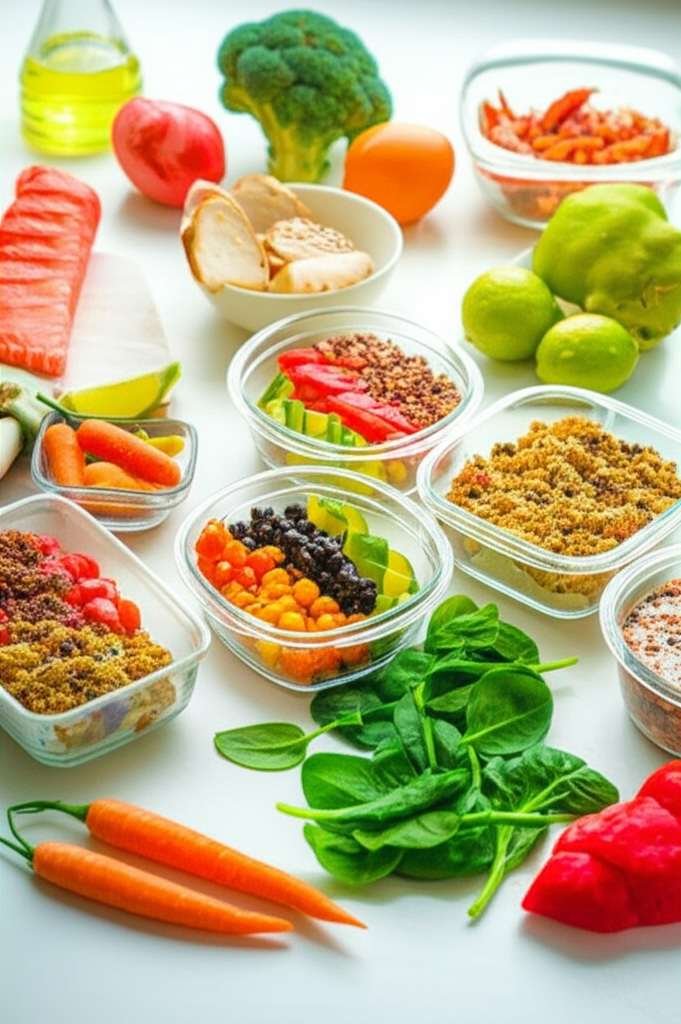
Yes, a 30-day vegetarian meal prep plan can be highly effective for fatty liver weight loss by focusing on nutrient-dense, low-fat, and high-fiber plant-based foods that support liver health and promote a healthy calorie deficit.
Are you feeling a bit overwhelmed by the idea of managing fatty liver disease and trying to lose weight? It’s completely understandable! Many people find it confusing to know where to start with diet changes, especially when you’re busy.
But what if I told you there’s a simple, practical way to make a big difference? This guide is designed to break down exactly how a 30-day vegetarian meal prep plan can be your secret weapon.
We’ll cover everything you need to know, from what foods to choose to how to prepare them ahead of time. Get ready to feel more confident and in control of your health journey. Let’s dive into how you can kickstart your fatty liver weight loss with delicious vegetarian meals!
Why Vegetarian Meal Prep is a Game-Changer for Fatty Liver Weight Loss
Managing non-alcoholic fatty liver disease (NAFLD) often involves making significant changes to your diet, and weight loss is usually a top priority. This can feel like a huge task, especially when you’re juggling a busy schedule. That’s where the power of vegetarian meal prep comes in!
Understanding Fatty Liver and Weight Loss
Fatty liver disease means there’s too much fat in your liver. When your liver has too much fat, it can’t work as well as it should. Losing weight is one of the most effective ways to reduce this fat. Even losing a small amount of weight, like 5-10% of your body weight, can make a big difference for your liver.
The Benefits of a Vegetarian Diet for Your Liver
A well-planned vegetarian diet can be incredibly beneficial for liver health. Plant-based foods are typically lower in saturated fat and cholesterol, which are often higher in animal products. They are also packed with fiber, vitamins, and antioxidants that help protect your liver and reduce inflammation.
How Meal Prep Simplifies Healthy Eating
Think about your typical week. When you don’t have meals planned, it’s easy to grab quick, less healthy options. Meal prep changes that. By spending a little time on the weekend preparing meals and snacks for the week, you set yourself up for success.
This means you’ll have healthy, liver-friendly options readily available, making it much easier to stick to your weight loss goals and support your liver. It removes the daily stress of deciding what to eat and reduces the temptation of unhealthy choices.
Building Your 30-Day Vegetarian Meal Prep Plan: The Essentials
Getting started with a 30-day meal prep plan for fatty liver weight loss might seem daunting, but it’s all about focusing on the right foods and making it manageable. We’ll focus on whole, unprocessed vegetarian foods that are good for your liver and help you feel full.
Key Food Groups to Focus On
To effectively support your liver and weight loss goals, your vegetarian meals should prioritize these key food groups:
Vegetables: Aim for a wide variety of colorful vegetables. Leafy greens, cruciferous vegetables (like broccoli and cauliflower), bell peppers, carrots, and tomatoes are excellent choices. They are low in calories, high in fiber, and packed with nutrients.
Fruits: Berries, apples, pears, citrus fruits, and bananas are great options. They provide natural sweetness, fiber, and antioxidants. Be mindful of portion sizes, especially with higher-sugar fruits.
Whole Grains: Quinoa, oats, brown rice, barley, and whole-wheat pasta are excellent sources of fiber. Fiber helps you feel full longer, aids digestion, and can help manage blood sugar levels, which is important for liver health.
Legumes: Lentils, beans (black beans, kidney beans, chickpeas), and peas are protein powerhouses. They are also rich in fiber and nutrients, making them a staple for vegetarian diets and a great way to keep you satisfied.
Healthy Fats: Include sources like avocados, nuts (almonds, walnuts), seeds (chia seeds, flax seeds, pumpkin seeds), and olive oil in moderation. These fats are important for overall health and can help with satiety.
Lean Protein Sources: Beyond legumes, consider tofu, tempeh, edamame, and low-fat dairy or plant-based milk alternatives if you include them. Protein is crucial for feeling full and maintaining muscle mass during weight loss.
Foods to Limit or Avoid
To support your liver and weight loss, it’s also important to reduce or eliminate certain foods:
Added Sugars: Sugary drinks, candies, pastries, and processed snacks can contribute to fat buildup in the liver and hinder weight loss.
Refined Carbohydrates: White bread, white rice, and most processed cereals offer little fiber and can cause blood sugar spikes.
Unhealthy Fats: Fried foods, processed snacks, and excessive amounts of saturated fats found in some dairy and baked goods should be minimized.
Excessive Sodium: High sodium intake can contribute to fluid retention and other health issues.
Hydration is Key
Drinking plenty of water throughout the day is essential for overall health, metabolism, and helping your body function optimally. Aim for at least 8 glasses of water daily. Herbal teas also count!
Your 30-Day Vegetarian Meal Prep Roadmap
This roadmap will guide you through preparing meals for four weeks. The goal is to build sustainable habits, not to be perfect every day.
Week 1: Getting Started & Simple Staples
The first week is about establishing a routine and focusing on easy-to-prepare, versatile meals.
Sunday Prep:
Cook a large batch of quinoa or brown rice.
Roast a big tray of mixed vegetables (broccoli, bell peppers, zucchini, onions).
Wash and chop salad greens and other raw veggies for salads and snacks.
Make a large pot of lentil soup or chili.
Hard-boil a few eggs (if you include eggs) or press and bake tofu.
Meal Ideas for the Week:
Breakfast: Overnight oats with berries and chia seeds.
Lunch: Quinoa salad with roasted vegetables and chickpeas, dressed with lemon-tahini.
Dinner: Lentil soup with a side salad, or baked tofu with brown rice and steamed broccoli.
Snacks: Apple slices with a small handful of almonds, carrots with hummus.
Week 2: Expanding Flavors & Batch Cooking
Now that you’ve got the hang of it, let’s introduce more variety and efficient batch cooking techniques.
Sunday Prep:
Cook a batch of sweet potatoes (baked or roasted).
Prepare a large batch of black beans or kidney beans (canned is fine, just rinse well).
Make a big pot of vegetable curry with coconut milk and chickpeas.
Chop vegetables for stir-fries (onions, peppers, snap peas, mushrooms).
Make a simple vinaigrette dressing.
Meal Ideas for the Week:
Breakfast: Smoothie with spinach, banana, plant-based milk, and protein powder.
Lunch: Leftover vegetable curry with brown rice, or a large salad with mixed greens, beans, chopped veggies, and vinaigrette.
Dinner: Sweet potato and black bean bowls topped with salsa and avocado, or a veggie stir-fry with tofu and brown rice.
Snacks: Pear, a small container of mixed nuts and seeds.
Week 3: Flavorful & Filling Meals
This week focuses on meals that are both satisfying and packed with nutrients to keep you energized.
Sunday Prep:
Bake a batch of whole-wheat muffins (low sugar, with fruit and nuts).
Prepare a large batch of quinoa.
Roast a variety of root vegetables (carrots, parsnips, sweet potatoes).
Make a hearty vegetable and barley stew.
Portion out a large container of Greek yogurt or a plant-based alternative with berries.
Meal Ideas for the Week:
Breakfast: Whole-wheat muffin with a side of Greek yogurt or plant-based alternative.
Lunch: Leftover vegetable and barley stew, or a large wrap with hummus, mixed greens, and roasted vegetables.
Dinner: Quinoa stuffed bell peppers with a side salad, or a large bowl of lentil shepherd’s pie with a mashed sweet potato topping.
Snacks: Orange, a small handful of walnuts.
Week 4: Reinforcing Habits & Enjoying Variety
In the final week, focus on enjoying the meals you’ve prepared and solidifying these healthy habits.
Sunday Prep:
Cook a large batch of brown rice.
Roast a tray of cauliflower and Brussels sprouts.
Make a big pot of minestrone soup.
Prepare a lentil loaf or veggie burger patties.
Wash and chop fruit for easy snacking.
Meal Ideas for the Week:
Breakfast: Oatmeal with sliced banana and a sprinkle of cinnamon.
Lunch: Leftover minestrone soup with a slice of whole-wheat bread, or a large salad with grilled halloumi (if you eat dairy) or pan-fried tempeh.
Dinner: Veggie burgers on whole-wheat buns with a side of roasted cauliflower and Brussels sprouts, or a hearty chickpea and vegetable curry.
Snacks: Grapes, a hard-boiled egg (if applicable) or a small portion of edamame.
Sample Vegetarian Meal Plan for Fatty Liver Weight Loss (1 Week)
This sample plan provides a structure, but feel free to swap meals based on your preferences and what you have prepped. Remember to adjust portion sizes to meet your individual calorie needs for weight loss.
Table: Sample 1-Week Vegetarian Meal Plan
| Day | Breakfast | Lunch | Dinner | Snacks |
| :——– | :———————————————- | :—————————————————————– | :———————————————————————- | :————————————— |
| Monday | Overnight oats with berries and chia seeds | Quinoa salad with roasted vegetables and chickpeas | Lentil shepherd’s pie with sweet potato topping | Apple slices with almond butter |
| Tuesday | Smoothie: spinach, banana, plant milk, protein | Leftover lentil shepherd’s pie | Tofu stir-fry with brown rice and mixed vegetables | Handful of walnuts |
| Wednesday| Whole-wheat muffin with Greek yogurt/alt | Large salad with mixed greens, beans, veggies, and vinaigrette | Stuffed bell peppers with quinoa and a side of steamed green beans | Pear |
| Thursday| Oatmeal with sliced banana and cinnamon | Leftover stuffed bell peppers | Black bean burgers on whole-wheat buns with a side salad | Carrot sticks with hummus |
| Friday | Scrambled tofu with spinach and whole-wheat toast | Hearty minestrone soup with a slice of whole-wheat bread | Baked salmon (if including fish) or large portobello mushroom with quinoa | Orange |
| Saturday| Whole-wheat pancakes with berries and a drizzle of maple syrup | Leftover minestrone soup or large salad with grilled tempeh | Vegetable curry with brown rice | Small container of mixed berries |
| Sunday | Omelet with vegetables (if including eggs) or tofu scramble | Leftover vegetable curry or quinoa bowls with roasted veggies | Lentil soup with a side of whole-wheat bread and a green salad | Handful of pumpkin seeds |
Note: This plan is a template. Adjust based on your dietary needs, preferences, and what you have prepped.
Practical Tips for Successful Meal Prep
Meal prep is more than just cooking; it’s about smart planning and execution. Here are some tips to make your 30-day journey smooth and successful.
Invest in the Right Tools
Having the right containers and tools can make a world of difference.
Airtight Containers: Invest in a good set of glass or BPA-free plastic containers in various sizes. These are essential for storing prepped meals and keeping them fresh.
Quality Knives: Sharp knives make chopping vegetables much faster and safer.
Cutting Boards: Have a couple of sturdy cutting boards available.
Large Pots and Pans: Essential for batch cooking grains, soups, and stews.
Baking Sheets: For roasting vegetables and tofu.
Blender: Great for making smoothies and sauces.
Batch Cooking Strategies
Grains: Cook a large batch of quinoa, brown rice, or other whole grains at the beginning of the week. They can be used in salads, bowls, or as a side dish.
Proteins: Bake tofu, cook lentils, or boil beans in large quantities. These can be added to salads, soups, or used as main components of meals.
Vegetables: Roast a big tray of mixed vegetables. They can be eaten hot or cold and are versatile enough for many meals. Wash and chop raw veggies for easy snacking and salad additions.
Sauces and Dressings: Make a batch of your favorite healthy dressing or sauce. This can elevate simple meals and keep them interesting.
Portion Control and Storage
Portioning: Divide your prepped meals into individual portions right after cooking. This makes it easy to grab and go and helps with portion control.
Cooling: Ensure food is cooled properly before storing it in the refrigerator to prevent bacterial growth.
Storage: Store prepped meals in the refrigerator for up to 3-4 days. For longer storage, freeze individual portions. Label everything with the date.
Make it Enjoyable
Variety: Don’t eat the exact same thing every single day. Rotate your meal components and try new recipes to keep things interesting.
Flavor: Use herbs, spices, lemon juice, and vinegar to add flavor without adding extra calories or unhealthy fats.
Flexibility: Life happens! If you miss a prep session or go out for a meal, don’t beat yourself up. Just get back on track with your next meal.
Sample Vegetarian Meal Prep Schedule (Sunday)
This is a template for a Sunday prep session. Adjust timings and specific meals based on your week.
9:00 AM – 10:00 AM: Cook grains (quinoa, brown rice).
10:00 AM – 11:30 AM: Wash, chop, and roast a large variety of vegetables. Bake tofu or press and cook beans.
11:30 AM – 12:30 PM: Prepare a large batch of soup or stew.
12:30 PM – 1:00 PM: Make a salad dressing or sauce. Wash and chop salad greens.
1:00 PM – 2:00 PM: Portion meals into containers.
2:00 PM onwards: Clean up and enjoy your afternoon!
Frequently Asked Questions (FAQ)
Q1: Is a vegetarian diet truly beneficial for fatty liver disease?
Yes, a well-balanced vegetarian diet can be very beneficial. It’s often lower in saturated fats and cholesterol, which can help reduce fat buildup in the liver. The high fiber content in plant-based foods also aids in weight management and improves overall metabolic health.
Q2: How much weight do I need to lose for my fatty liver to improve?
Losing even a small amount of weight, around 5-10% of your total body weight, can significantly improve fatty liver disease. Consistent, healthy weight loss is more important than rapid weight loss.
Q3: What are some quick and easy vegetarian breakfast ideas for meal prep?
Great options include overnight oats (made with rolled oats, plant milk, chia seeds, and fruit), pre-portioned smoothie packs (with frozen fruit, spinach, and protein powder), or hard-boiled eggs (if you consume them). Tofu scrambles can also be made ahead and reheated.
Q4: Can I still eat healthy fats on a vegetarian diet for fatty liver?
Absolutely! Healthy fats are important. Focus on sources like avocados, nuts, seeds (chia, flax, sunflower), and olive oil. These are beneficial in moderation and help with satiety. Just be mindful of portion sizes as they are calorie-dense.
Q5: How long do prepped vegetarian meals typically last in the refrigerator?
Most prepped vegetarian meals will last for 3-4 days in the refrigerator when stored in airtight containers. For longer storage, consider freezing individual portions.
Q6: What if I don’t like certain vegetables or fruits?
It’s okay to substitute! The key is to replace them with other nutrient-dense options. If you dislike broccoli, try cauliflower or Brussels sprouts. If you’re not a fan of berries, opt for apples or pears. The goal is to fill your plate with a variety of healthy plant foods.
Q7: Is it okay to eat out or have a treat occasionally while meal prepping?
Yes, it’s important to be flexible and not overly restrictive. Occasional meals out or treats are part of a sustainable lifestyle. The benefits of meal prep come from the majority of your meals being healthy and planned. Don’t let one off-plan meal derail your progress.
Beyond 30 Days: Sustaining Your Progress
Congratulations on completing your 30-day vegetarian meal prep journey! This is a significant achievement and the foundation for long-term success. The habits you’ve built can and should continue beyond this initial period.
Think of this 30-day plan as a powerful kickstart. The principles of focusing on whole, plant-based foods, mindful portioning, and the convenience of meal prep are skills you can carry forward.
Continue to explore new vegetarian recipes to keep your meals exciting and satisfying. Experiment with different spices and cooking methods. You might find new favorite dishes that you can incorporate into your regular rotation.
Remember that consistency is key for managing fatty liver disease and maintaining weight loss. Continue to prioritize hydration, regular physical activity, and adequate sleep, as these all play a vital role in your overall health and well-being.
If you found this guide helpful, consider sharing it with friends or family who might also benefit from simple, practical strategies for healthy eating and weight management. You’ve got this, and your liver will thank you for it!
As an Amazon Associate, We earn from qualifying purchases. When you purchase a product through Amazon links on pulsefitguide.com, we may earn a small commission at no extra cost to you. This helps support the site and keep our content free.