

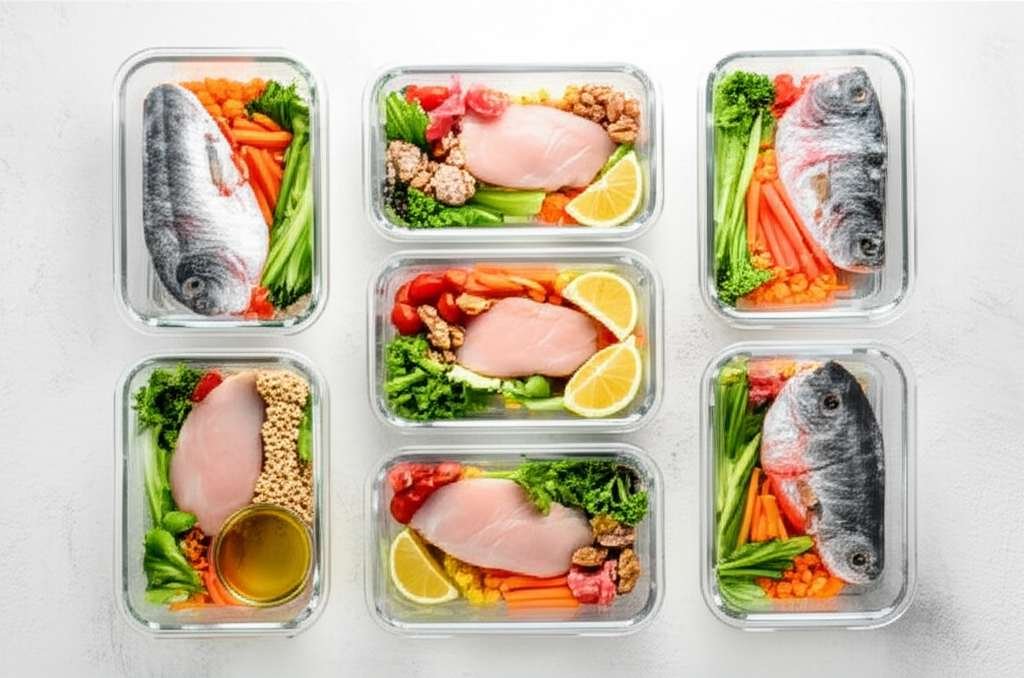
A 30-day Mediterranean meal prep plan is essential for fatty liver weight loss because it offers a delicious, science-backed approach to shedding pounds and improving liver health through whole foods, healthy fats, and lean proteins. This easy-to-follow guide simplifies the process, making it achievable and sustainable for beginners.
<h1>Your 30-Day Mediterranean Meal Prep Adventure for Fatty Liver Weight Loss</h1>
<p>Feeling overwhelmed by the idea of losing weight, especially when dealing with fatty liver? You’re not alone! Many people find weight loss confusing, and when you add a health concern like fatty liver, it can feel even more daunting.</p>
<p>But what if I told you there’s a way to eat delicious food, lose weight, and help your liver at the same time? The Mediterranean diet is famous for its amazing health benefits, and when we combine it with smart meal prepping, it becomes a powerful tool for tackling fatty liver and shedding those extra pounds.</p>
<p>This guide is designed to make things super simple. We’ll break down exactly how to get started with a 30-day Mediterranean meal prep plan. Get ready to discover how easy and enjoyable healthy eating can be!</p>
<h2>Why the Mediterranean Diet is a Game-Changer for Fatty Liver and Weight Loss</h2>
<p>The Mediterranean diet isn’t just a trendy eating plan; it’s a lifestyle backed by extensive research. It focuses on fresh, whole foods that are naturally good for your body, especially your liver.</p>
<p>For those with fatty liver, this diet is particularly beneficial because it emphasizes foods that help reduce inflammation and improve insulin sensitivity. By cutting down on processed foods, unhealthy fats, and added sugars, you’re directly addressing the root causes of non-alcoholic fatty liver disease (NAFLD).</p>
<p>And the best part? It naturally supports weight loss. When you fill your plate with nutrient-dense, fiber-rich foods, you feel fuller for longer, naturally reducing your calorie intake without feeling deprived. This makes it a sustainable way to reach and maintain a healthy weight, which is crucial for managing fatty liver.</p>
<h3>Key Components of the Mediterranean Diet</h3>
<ul>
<li><strong>Abundant Fruits and Vegetables:</strong> Packed with vitamins, minerals, fiber, and antioxidants that protect your cells and aid digestion.</li>
<li><strong>Whole Grains:</strong> Think oats, quinoa, brown rice, and whole-wheat bread, providing sustained energy and fiber.</li>
<li><strong>Healthy Fats:</strong> Olive oil, avocados, nuts, and seeds are staples. These fats are heart-healthy and help reduce inflammation.</li>
<li><strong>Lean Proteins:</strong> Fish (especially fatty fish like salmon), poultry, beans, and lentils are preferred over red meat.</li>
<li><strong>Herbs and Spices:</strong> Used generously for flavor, reducing the need for salt and unhealthy sauces.</li>
</ul>
<h3>How Meal Prep Fits In</h3>
<p>Meal prepping is the secret weapon for making any diet, especially the Mediterranean diet, work long-term. It means planning and preparing your meals and snacks in advance, usually for the week ahead.</p>
<p>This strategy helps you stay on track by having healthy options readily available. It prevents impulsive, unhealthy food choices when you’re busy or hungry. For fatty liver weight loss, consistent healthy eating is key, and meal prep ensures you don’t stray from your goals.</p>
<h2>Your 30-Day Mediterranean Meal Prep Blueprint: A Step-by-Step Guide</h2>
<p>Ready to dive in? This plan breaks down meal prepping into simple, manageable steps. We’ll focus on building a foundation for 30 days, but the principles can easily extend beyond that.</p>
<h3>Step 1: Get Your Kitchen Ready — The Foundation</h3>
<p>Before you start cooking, let’s make sure your kitchen is set up for success. A well-organized kitchen makes meal prep much easier and more enjoyable.</p>
<ul>
<li><strong>Declutter and Organize:</strong> Clear out your pantry and fridge. Get rid of processed snacks, sugary drinks, and anything that doesn’t fit the Mediterranean way of eating. Organize your shelves so ingredients are easy to find.</li>
<li><strong>Invest in Good Containers:</strong> Airtight containers are your best friend for storing prepped meals and ingredients. Look for glass or BPA-free plastic options in various sizes.</li>
<li><strong>Essential Tools:</strong> Make sure you have basic cooking tools like sharp knives, cutting boards, mixing bowls, and a good set of measuring cups and spoons.</li>
</ul>
<h3>Step 2: Plan Your Meals — The Brainstorming Phase</h3>
<p>This is where the fun begins! Planning helps you get creative while staying focused on your goals. We’ll aim for variety to keep things interesting.</p>
<p>For your 30-day plan, think about preparing meals for 5-7 days at a time. This is more manageable than trying to prep for the entire month at once.</p>
<h4>Creating a Sample Weekly Menu Framework</h4>
<p>Here’s a template to get you started. Mix and match these ideas, or use them as inspiration to create your own!</p>
<table>
<thead>
<tr>
<th>Meal Type</th>
<th>Mediterranean Options</th>
</tr>
</thead>
<tbody>
<tr>
<td>Breakfast</td>
<td>Greek yogurt with berries and a sprinkle of nuts; Oatmeal with fruit and chia seeds; Scrambled eggs with spinach and tomatoes.</td>
</tr>
<tr>
<td>Lunch</td>
<td>Large salad with grilled chicken or chickpeas, olive oil vinaigrette; Lentil soup with whole-grain bread; Tuna salad (made with Greek yogurt) on whole-wheat crackers.</td>
</tr>
<tr>
<td>Dinner</td>
<td>Baked salmon with roasted vegetables (broccoli, bell peppers); Chicken breast with quinoa and a side salad; Lentil shepherd’s pie with sweet potato topping; Large vegetable stir-fry with tofu or shrimp.</td>
</tr>
<tr>
<td>Snacks</td>
<td>A handful of almonds or walnuts; Apple slices with a tablespoon of almond butter; A small bowl of olives; Carrot sticks with hummus.</td>
</tr>
</tbody>
</table>
<h3>Step 3: Create Your Grocery List — Smart Shopping</h3>
<p>Once you have your weekly menu planned, creating a grocery list is straightforward. This step is crucial for staying on budget and avoiding impulse buys.</p>
<p>Focus on fresh produce, lean proteins, whole grains, and healthy fats. Buying in-season produce can also help save money.</p>
<h4>Sample Grocery List Staples</h4>
<ul>
<li><strong>Produce:</strong> Leafy greens (spinach, kale, romaine), berries, apples, lemons, tomatoes, cucumbers, bell peppers, onions, garlic, broccoli, sweet potatoes, carrots.</li>
<li><strong>Proteins:</strong> Salmon or other fatty fish, chicken breast, eggs, lentils (dried or canned), chickpeas (canned), tofu.</li>
<li><strong>Grains:</strong> Oats, quinoa, brown rice, whole-wheat bread or pasta.</li>
<li><strong>Healthy Fats:</strong> Extra virgin olive oil, avocados, almonds, walnuts, chia seeds, flaxseeds.</li>
<li><strong>Dairy/Alternatives:</strong> Plain Greek yogurt, unsweetened almond milk (optional).</li>
<li><strong>Herbs & Spices:</strong> Dried oregano, basil, thyme, rosemary; fresh parsley; salt, pepper.</li>
</ul>
<h3>Step 4: Prep Your Ingredients — The Chopping & Cooking</h3>
<p>This is the main meal prep session. Dedicate a few hours on a weekend or a day off to get everything ready. The goal is to do the bulk of the work upfront.</p>
<p>You don’t need to cook every single meal. Prepping components that can be assembled later is often more efficient and keeps food fresher.</p>
<h4>Prep Tasks to Tackle</h4>
<ol>
<li><strong>Wash and Chop Produce:</strong> Wash all fruits and vegetables. Chop onions, peppers, and other vegetables for cooking. Store them in airtight containers.</li>
<li><strong>Cook Grains:</strong> Make a big batch of quinoa or brown rice. Let them cool completely before storing.</li>
<li><strong>Roast Vegetables:</strong> Roast a large tray of vegetables like broccoli, bell peppers, and sweet potatoes. They can be a side dish or added to salads and bowls.</li>
<li><strong>Prepare Proteins:</strong> Grill or bake chicken breasts, cook lentils, or hard-boil eggs. Portion them out for easy grabbing.</li>
<li><strong>Make Dressings & Sauces:</strong> Whisk together your favorite olive oil vinaigrette. This can be stored separately and added to salads just before eating.</li>
<li><strong>Portion Snacks:</strong> Divide nuts, seeds, or cut veggies into individual snack portions for easy grab-and-go.</li>
</ol>
<h3>Step 5: Assemble and Store — The Final Touch</h3>
<p>Now, it’s time to put it all together and store it safely. Proper storage ensures your food stays fresh and safe to eat.</p>
<p>For meals that need to stay fresh for several days, consider “component prep” where you store different parts of the meal separately and combine them when you’re ready to eat. This is especially good for salads to prevent sogginess.</p>
<h4>Storage Tips for Longevity</h4>
<ul>
<li><strong>Cool Down First:</strong> Always let cooked food cool down to room temperature before sealing and refrigerating. This prevents condensation and helps maintain food safety.</li>
<li><strong>Airtight is Key:</strong> Use your good quality containers. For items like salads, store the dressing separately.</li>
<li><strong>Label Everything:</strong> It’s a good idea to label your containers with the contents and the date they were prepared. This helps you keep track and ensure you’re eating food at its freshest.</li>
<li><strong>Fridge vs. Freezer:</strong> Most prepped meals will last 3-4 days in the refrigerator. For longer storage, consider freezing portions of grains, stews, or cooked proteins.</li>
</ul>
<h2>Sample 30-Day Mediterranean Meal Prep Schedule (Weeks 1-4)</h2>
<p>This is a flexible template. Feel free to swap meals based on your preferences and what’s on sale at the grocery store. The key is to follow the principles of the Mediterranean diet and practice consistent meal prep.</p>
<h3>Week 1: Building the Habit</h3>
<p>Focus on simple, easy-to-prepare meals. This week is about getting comfortable with the process.</p>
<table>
<thead>
<tr>
<th>Day</th>
<th>Breakfast</th>
<th>Lunch</th>
<th>Dinner</th>
</tr>
</thead>
<tbody>
<tr>
<td>Monday</td>
<td>Greek yogurt, berries, almonds</td>
<td>Large spinach salad with grilled chicken, olive oil vinaigrette</td>
<td>Baked salmon, roasted broccoli, quinoa</td>
</tr>
<tr>
<td>Tuesday</td>
<td>Oatmeal with sliced apple, chia seeds</td>
<td>Leftover salmon and quinoa</td>
<td>Lentil soup, whole-grain bread</td>
</tr>
<tr>
<td>Wednesday</td>
<td>Scrambled eggs with spinach</td>
<td>Tuna salad (Greek yogurt base) on whole-wheat crackers</td>
<td>Chicken breast, mixed green salad, sweet potato wedges</td>
</tr>
<tr>
<td>Thursday</td>
<td>Greek yogurt, berries, almonds</td>
<td>Leftover chicken and salad</td>
<td>Vegetable stir-fry with tofu, brown rice</td>
</tr>
<tr>
<td>Friday</td>
<td>Oatmeal with sliced apple, chia seeds</td>
<td>Leftover vegetable stir-fry</td>
<td>Large salad with chickpeas, avocado, lemon dressing</td>
</tr>
<tr>
<td>Saturday</td>
<td>Scrambled eggs with tomatoes</td>
<td>Quick Greek salad with olives and feta</td>
<td>Homemade whole-wheat pizza with lots of veggies</td>
</tr>
<tr>
<td>Sunday</td>
<td>Greek yogurt, berries, almonds</td>
<td>Leftovers from Saturday dinner</td>
<td>Roast chicken with roasted root vegetables</td>
</tr>
</tbody>
</table>
<h3>Week 2: Adding Variety</h3>
<p>Introduce new recipes and ingredients. Experiment with different herbs and spices.</p>
<p>Try incorporating more legumes like cannellini beans or black beans into salads and stews. Explore different types of fish, such as mackerel or sardines, which are also rich in omega-3s.</p>
<h3>Week 3: Refining and Perfecting</h3>
<p>By now, you should feel more confident with the meal prep process. This week is about fine-tuning your favorites and perhaps trying a more complex recipe.</p>
<p>Consider making a large batch of a hearty stew or chili that can be frozen in portions for busy days. This also helps reduce food waste.</p>
<h3>Week 4: Sustaining the Momentum</h3>
<p>You’ve made it to the final week of this 30-day plan! The goal now is to solidify these healthy habits and look at how to continue them beyond this initial period.</p>
<p>Reflect on what worked best for you. Did you enjoy certain meals more than others? Were there any prep steps that were particularly challenging? Use this feedback to adjust your plan going forward.</p>
<h2>Beyond the 30 Days: Making it a Lifestyle</h2>
<p>Congratulations on completing your 30-day Mediterranean meal prep journey! This isn’t the end; it’s the beginning of a healthier lifestyle. The principles you’ve learned are designed to be sustainable long-term.</p>
<p>Remember, consistency is more important than perfection. If you have an off day, don’t beat yourself up. Just get back on track with your next meal. Small, consistent changes add up to significant results for both weight loss and liver health.</p>
<h3>Tips for Long-Term Success</h3>
<ul>
<li><strong>Listen to Your Body:</strong> Pay attention to how different foods make you feel. Adjust your meals based on your energy levels and digestion.</li>
<li><strong>Stay Hydrated:</strong> Drink plenty of water throughout the day. Herbal teas are also a great option.</li>
<li><strong>Incorporate Movement:</strong> Pair your healthy eating with regular physical activity. Aim for at least 150 minutes of moderate-intensity exercise per week.</li>
<li><strong>Seek Support:</strong> Share your goals with friends or family, or join online communities for motivation and accountability.</li>
<li><strong>Consult Professionals:</strong> If you have specific health concerns or are unsure about your diet, always consult with a healthcare provider or a registered dietitian. They can offer personalized advice tailored to your needs. For more information on fatty liver disease and its management, the National Institute of Diabetes and Digestive and Kidney Diseases (NIDDK) offers valuable resources: <a href=”https://www.niddk.nih.gov/health-information/liver-disease/fatty-liver-disease” target=”_blank” rel=”noopener noreferrer”>NIDDK Fatty Liver Disease Information</a>.</li>
</ul>
<h2>Frequently Asked Questions (FAQ)</h2>
<h3>Q1: Is the Mediterranean diet suitable for someone with fatty liver disease?</h3>
<p>Yes, absolutely! The Mediterranean diet is highly recommended for fatty liver disease because it’s rich in anti-inflammatory foods, healthy fats, and fiber, which help improve liver function and reduce fat accumulation in the liver. It also naturally supports weight loss, a key factor in managing fatty liver.</p>
<h3>Q2: Do I have to prep every single meal?</h3>
<p>Not necessarily! You can start by prepping components like cooked grains, chopped vegetables, or grilled proteins. Then, you can assemble meals quickly throughout the week. The goal is to make healthy choices easier and more accessible, reducing the temptation of convenience foods.</p>
<h3>Q3: What if I don’t have a lot of time to cook?</h3>
<p>Meal prepping doesn’t require hours in the kitchen every day. Dedicate 2-3 hours once or twice a week to tackle the bulk of the work. Simple meals like salads with pre-cooked chicken, Greek yogurt with fruit, or pre-portioned nuts can be prepared in minutes.</p>
<h3>Q4: Can I still eat out while following this plan?</h3>
<p>Yes, you can! When eating out, look for restaurants that offer grilled fish or chicken, plenty of vegetable options, and salads with olive oil-based dressings. Avoid fried foods, creamy sauces, and large portions of refined carbohydrates.</p>
<h3>Q5: How quickly can I expect to see results?</h3>
<p>Weight loss and improvements in liver health are gradual processes. While you might start feeling more energetic within the first week or two, noticeable weight loss and significant improvements in liver markers typically take several weeks to months of consistent effort. Patience and consistency are key.</p>
<h3>Q6: What are some affordable Mediterranean meal prep ideas?</h3>
<p>Lentils, chickpeas, beans, and oats are very budget-friendly protein and fiber sources. Buying produce in season, opting for frozen vegetables, and cooking grains in large batches also help keep costs down. Chicken thighs are often more affordable than chicken breasts.</p>
<h3>Q7: What if I have specific dietary restrictions or allergies?</h3>
<p>The Mediterranean diet is highly adaptable. For gluten-free, swap whole grains for quinoa, brown rice, or gluten-free oats. For dairy-free, use plant-based yogurts and milks. Always read ingredient labels carefully and consult with a healthcare professional or registered dietitian for personalized advice.</p>
<h2>Conclusion</h2>
<p>Embarking on a 30-day Mediterranean meal prep journey for fatty liver weight loss is a powerful step toward a healthier you. By focusing on delicious, whole foods and smart preparation, you’re not just managing your liver health; you’re building sustainable habits that can transform your well-being.</p>
<p>Remember, this plan is designed to be flexible and enjoyable. It’s about nourishing your body with what it needs while enjoying the process. You’ve got the tools and the knowledge to succeed. Take it one meal, one day, and one week at a time. You’re capable of making these positive changes, and the rewards for your health will be well worth the effort!</p>
As an Amazon Associate, We earn from qualifying purchases. When you purchase a product through Amazon links on pulsefitguide.com, we may earn a small commission at no extra cost to you. This helps support the site and keep our content free.