

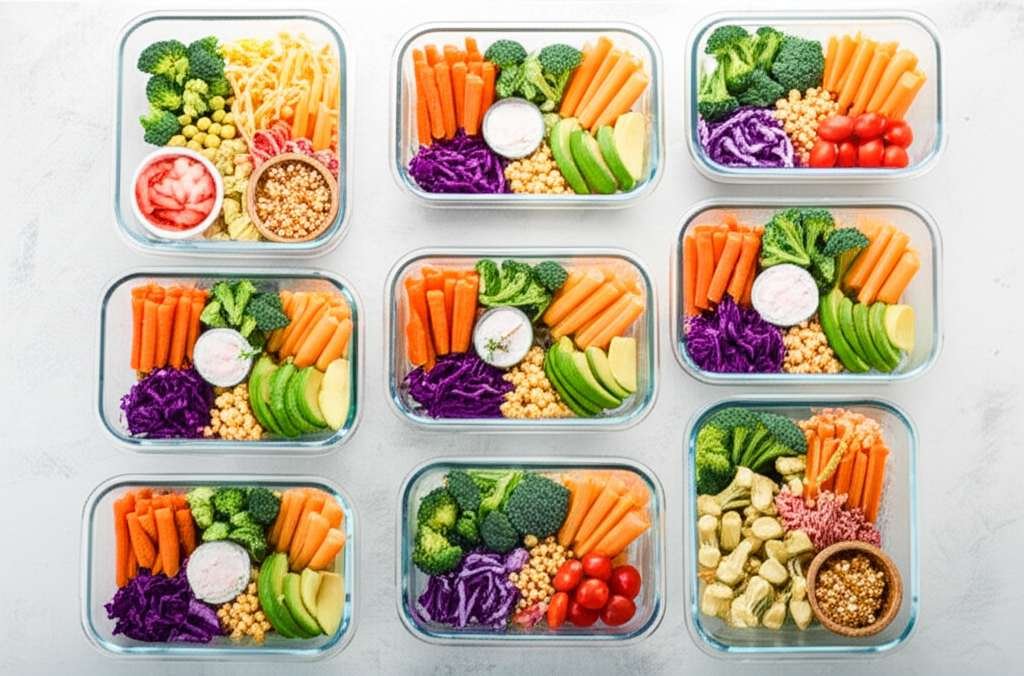
30 Day Keto Meal Prep: Essential Fatty Liver Weight Loss
Yes, you can significantly support fatty liver weight loss with a 30-day keto meal prep plan. This approach focuses on healthy fats, moderate protein, and very low carbs to help reduce liver fat and promote weight loss, making it easier to manage your health.
Losing weight can feel like a puzzle, especially when you’re also trying to manage health conditions like fatty liver disease. You might feel confused by conflicting advice or overwhelmed by complicated diets. It’s totally understandable to feel this way!
Many people find that their liver health is directly linked to their weight. When excess fat builds up in the liver, it can make losing weight harder and impact your overall well-being. This is where a well-planned ketogenic (keto) diet can be a game-changer.
Don’t worry, we’re going to break down how to do a 30-day keto meal prep specifically for fatty liver weight loss. It’s all about making smart, simple choices that fit into your busy life.
Ready to take control and feel better? Let’s get started on your journey!
Understanding Fatty Liver Disease and Weight Loss
Fatty liver disease, also known as hepatic steatosis, is a condition where excess fat accumulates in the liver. It’s becoming increasingly common, and often, it’s linked to lifestyle factors like diet and weight.
When you have a fatty liver, your liver might not work as efficiently. This can affect how your body processes fats and sugars, potentially making it harder to shed extra pounds. The good news is that lifestyle changes, especially diet, can make a big difference.
Weight loss is often the most effective treatment for non-alcoholic fatty liver disease (NAFLD). Losing even a modest amount of weight can help reduce fat in the liver and improve liver function.
Why Keto for Fatty Liver Weight Loss?
The ketogenic diet is a very low-carbohydrate, high-fat, moderate-protein diet. By drastically cutting carbs, your body enters a state called ketosis, where it burns fat for energy instead of glucose (sugar).
How does this help your liver and weight?
Reduced Fat Storage: When you eat fewer carbs, your body produces less insulin. High insulin levels can signal your body to store fat, especially around the liver. Lower insulin can help reverse this.
Increased Fat Burning: In ketosis, your body becomes more efficient at using stored fat as fuel. This directly helps reduce fat deposits, including in the liver.
Improved Insulin Sensitivity: Keto can improve how your body responds to insulin, which is crucial for managing fatty liver and promoting weight loss. Research from institutions like the National Institute of Diabetes and Digestive and Kidney Diseases (NIDDK) highlights the importance of metabolic health in liver disease.
Think of it like this: your liver is working overtime to process all the sugars and carbs you eat. By reducing these, you give your liver a break and help it heal, while also encouraging your body to tap into its fat stores.
Your 30-Day Keto Meal Prep Plan: The Basics
Meal prepping is your secret weapon for sticking to any diet, especially keto. It means planning your meals for the week and preparing some of them in advance. This saves you time, money, and prevents you from making unhealthy choices when you’re busy or hungry.
For a 30-day keto plan focused on fatty liver weight loss, we’ll focus on nutrient-dense foods that are low in carbs and rich in healthy fats and fiber.
Key Macronutrient Breakdown (General Keto Guidelines):
Fat: 70-75% of daily calories
Protein: 20-25% of daily calories
Carbohydrates: 5-10% of daily calories (typically under 20-50g net carbs per day)
What to Focus On:
Healthy Fats: Avocado, olive oil, coconut oil, nuts, seeds, fatty fish (salmon, mackerel).
Lean Proteins: Chicken, turkey, fish, eggs, grass-fed beef.
Low-Carb Vegetables: Leafy greens (spinach, kale, lettuce), broccoli, cauliflower, Brussels sprouts, zucchini, bell peppers.
Berries: In moderation (raspberries, blueberries, strawberries).
Water: Stay hydrated!
What to Limit or Avoid:
Sugary Foods & Drinks: Soda, juice, candy, desserts.
Grains: Bread, pasta, rice, cereal.
Starchy Vegetables: Potatoes, corn, peas.
Most Fruits: Except for small portions of berries.
Processed Foods: Often high in hidden carbs and unhealthy fats.
The 30-Day Keto Meal Prep Strategy
Let’s break down how to make this happen over the next 30 days.
Week 1: Getting Started & Building Your Foundation
This week is all about easing into keto and setting up good habits. Don’t aim for perfection, just consistency!
Goals for Week 1:
Understand your daily carb limit.
Stock your kitchen with keto-friendly staples.
Plan and prep 2-3 simple meals for the first few days.
Focus on hydration.
Meal Prep Tasks:
1. Grocery Shopping: Buy your essential keto foods. Think lean proteins, lots of leafy greens, healthy fats like avocados and olive oil, and some nuts/seeds.
2. Wash & Chop Veggies: Wash and chop vegetables like broccoli, bell peppers, and onions. Store them in airtight containers.
3. Cook a Batch of Protein: Roast a whole chicken or cook a large batch of ground turkey/beef. This can be used in salads, stir-fries, or simply as a side.
4. Hard-Boil Eggs: A perfect grab-and-go snack or breakfast.
5. Portion Snacks: Divide nuts, seeds, or cheese into single-serving bags.
Sample Day (Week 1):
Breakfast: 2-3 Scrambled eggs with spinach and a slice of avocado.
Lunch: Large salad with grilled chicken (pre-cooked), mixed greens, cucumber, and olive oil dressing.
Dinner: Baked salmon with roasted broccoli.
Snack (if needed): A small handful of almonds.
Week 2: Refining Your Choices & Expanding Variety
Now that you’re getting the hang of it, let’s add more flavor and variety.
Goals for Week 2:
Introduce more keto-friendly recipes.
Experiment with different spices and seasonings.
Continue consistent meal prep.
Monitor how you feel.
Meal Prep Tasks:
1. Prepare Keto-Friendly Sauces/Dressings: Make a batch of homemade salad dressing using olive oil, vinegar, and herbs.
2. Cook Larger Batches: Prepare enough for 3-4 lunches or dinners. For example, make a big pot of keto chili or a creamy cauliflower soup.
3. Portion Smoothie Packs: For quick breakfasts, put pre-portioned berries, spinach, and seeds into freezer bags. Just add liquid and blend.
4. Marinate Meats: Marinate chicken breasts or thighs for quick grilling or baking.
Sample Day (Week 2):
Breakfast: Keto smoothie (frozen berry pack, spinach, almond milk, chia seeds).
Lunch: Leftover keto chili.
Dinner: Zucchini noodles with a creamy avocado pesto and pre-cooked shrimp.
Snack (if needed): Cheese sticks or celery with almond butter.
Week 3: Consistency & Overcoming Challenges
You’re halfway through! This week is about staying on track and dealing with common keto challenges.
Goals for Week 3:
Maintain your keto macros.
Address any cravings or energy dips.
Focus on meal prep efficiency.
Celebrate your progress!
Meal Prep Tasks:
1. Sheet Pan Meals: Prepare a few sheet pan dinners. Toss chicken or sausage with low-carb veggies (like Brussels sprouts, bell peppers) and roast on a single pan for easy cleanup.
2. Keto Fat Bombs: Make a batch of fat bombs for quick energy and to help meet your fat intake goals. These are typically made with coconut oil, butter, nuts, and a touch of sweetener.
3. Pre-portion Overnight Oats (Keto Version): Use chia seeds, flax seeds, almond milk, and a keto-friendly sweetener for a quick breakfast option.
4. Batch Cook Soups/Stews: Make a hearty keto stew with beef or chicken and plenty of vegetables.
Sample Day (Week 3):
Breakfast: Keto overnight oats.
Lunch: Sheet pan chicken and veggie bake.
Dinner: Bunless burgers with a side salad.
Snack (if needed): Keto fat bomb.
Week 4: Sustaining Habits & Looking Ahead
You’ve almost completed your 30 days! This week is about solidifying your healthy habits and planning for the future.
Goals for Week 4:
Feel more comfortable with keto eating.
Reflect on what worked and what didn’t.
Plan how to continue a healthy lifestyle beyond 30 days.
Reinforce your progress.
Meal Prep Tasks:
1. Repurpose Leftovers Creatively: Turn leftover roasted chicken into chicken salad for lettuce wraps.
2. Prepare Freezer Meals: Make larger batches of keto-friendly meals like casseroles or soups that can be frozen for busy days ahead.
3. Stock Up on Staples: Ensure you have enough of your favorite keto ingredients for the next week or two.
4. Plan a “Treat” Meal: Decide on a keto-friendly dessert or treat you’ll enjoy to celebrate your success.
Sample Day (Week 4):
Breakfast: Scrambled eggs with avocado and a side of bacon.
Lunch: Keto chicken salad lettuce wraps.
Dinner: Steak with asparagus sautéed in butter and garlic.
Snack (if needed): A few macadamia nuts.
Sample 30-Day Keto Meal Prep Food List
This is a guide to help you stock your pantry and fridge. You can adjust quantities based on your needs.
| Category | Foods to Include |
|---|---|
| Healthy Fats | Olive oil, coconut oil, avocado oil, butter, ghee, avocados, olives, nuts (almonds, walnuts, pecans, macadamias), seeds (chia, flax, pumpkin, sunflower), heavy cream. |
| Proteins | Chicken (thighs, breasts), turkey, beef (ground, steak), pork, lamb, salmon, mackerel, sardines, eggs. |
| Low-Carb Vegetables | Spinach, kale, lettuce, broccoli, cauliflower, Brussels sprouts, asparagus, zucchini, cucumber, bell peppers (all colors), mushrooms, onions, garlic, celery. |
| Berries (in moderation) | Raspberries, blueberries, strawberries. |
| Dairy (full-fat) | Cheese (cheddar, mozzarella, cream cheese, feta), full-fat yogurt (plain, unsweetened), heavy cream. |
| Beverages | Water, sparkling water, unsweetened tea, black coffee. |
| Flavorings & Sweeteners | Herbs, spices, salt, pepper, sugar-free sweeteners (stevia, erythritol, monk fruit), lemon juice, vinegar. |
Essential Keto Meal Prep Tools
Having the right tools can make meal prepping much easier and more enjoyable.
Airtight Food Storage Containers: Essential for storing prepped meals and ingredients. Look for glass or BPA-free plastic.
Cutting Boards & Sharp Knives: Make chopping vegetables and meats a breeze.
Baking Sheets/Sheet Pans: Perfect for roasting vegetables and proteins.
Large Mixing Bowls: For tossing salads, marinating meats, or mixing ingredients.
Measuring Cups & Spoons: Crucial for accurate macro tracking if you choose to use it.
Slow Cooker/Instant Pot: Great for batch cooking meats, soups, and stews.
Blender: For smoothies, sauces, and keto “milkshakes.”
Food Scale (Optional): If you want to be precise with your portions and macros.
Meal Prep Bags/Containers: For portioning snacks and lunches on the go.
Sample Keto Meal Plan (One Week)
This is a flexible example. Feel free to swap meals around!
| Day | Breakfast | Lunch | Dinner | Snack (Optional) |
| :——– | :———————————————- | :————————————————– | :—————————————————— | :—————————- |
| Monday | Scrambled eggs with spinach and feta cheese | Large chicken salad with mixed greens and avocado | Baked salmon with roasted asparagus | Handful of almonds |
| Tuesday | Keto smoothie (berries, spinach, almond milk) | Leftover salmon and asparagus | Ground turkey stir-fry with broccoli and bell peppers | Cheese stick |
| Wednesday | Two hard-boiled eggs and a slice of avocado | Tuna salad (made with mayo) in lettuce wraps | Steak with a side of creamed spinach | Keto fat bomb |
| Thursday| Omelet with mushrooms and cheese | Leftover steak and spinach | Chicken thighs with Brussels sprouts | Celery sticks with almond butter |
| Friday | Full-fat Greek yogurt with a few berries and seeds | Leftover chicken and Brussels sprouts | Zucchini noodles with homemade pesto and shrimp | Olives |
| Saturday| Bacon and eggs | Large chef’s salad with ham, turkey, and cheese | Bunless burgers with a side salad | Small portion of berries |
| Sunday | Keto pancakes (made with almond flour) | Leftover burgers and salad | Roasted chicken with cauliflower mash | Macadamia nuts |
Benefits of Keto Meal Prep for Fatty Liver Weight Loss
Sticking to a keto meal prep plan can offer significant advantages:
Directly Addresses Fatty Liver: By reducing carbohydrate intake, you help lower insulin levels and decrease fat accumulation in the liver.
Effective Weight Loss: The high fat content keeps you feeling full and satisfied, making it easier to maintain a calorie deficit needed for weight loss.
Improved Health Markers: Many people experience improvements in blood sugar, cholesterol, and triglyceride levels, which are often associated with fatty liver disease.
Increased Energy Levels: Once your body adapts to using fat for fuel, you can experience more stable and sustained energy.
Reduced Cravings: Focusing on whole, nutrient-dense foods can help curb sugar cravings.
Time and Money Savings: Planning and prepping ahead means fewer trips to the store and less impulse eating of expensive takeout.
Empowerment and Control: Taking charge of your meals gives you a sense of control over your health and weight.
According to a study published in the World Journal of Hepatology, dietary interventions that promote weight loss and reduce calorie intake are key to managing NAFLD. The ketogenic diet, with its focus on fat burning, fits this criteria well.
Frequently Asked Questions (FAQ)
Q1: Is keto safe for fatty liver disease?
A1: For many individuals with non-alcoholic fatty liver disease (NAFLD), the ketogenic diet can be beneficial and safe when implemented correctly and under medical supervision. It can help reduce liver fat and improve metabolic markers. However, it’s always best to consult with your doctor or a registered dietitian before starting any new diet, especially if you have a pre-existing health condition.
Q2: How quickly can I expect to see results with keto meal prep for fatty liver?
A2: Results vary from person to person. Some may notice improvements in energy and reduced bloating within the first week or two. Significant liver fat reduction and weight loss often take several weeks to months. Consistency with meal prep and adherence to the diet are key.
Q3: What are “net carbs” and how do I calculate them?
A3: Net carbs are the total carbohydrates in a food minus its fiber content. Fiber is a type of carbohydrate your body doesn’t digest, so it doesn’t impact blood sugar or insulin levels in the same way. To calculate net carbs, subtract the grams of fiber from the total grams of carbohydrates per serving.
Q4: I’m experiencing the “keto flu.” What can I do?
A4: The “keto flu” refers to temporary side effects like headache, fatigue, and nausea as your body adjusts to keto. Staying well-hydrated and increasing your intake of electrolytes (sodium, potassium, magnesium) can help alleviate these symptoms. Adding a pinch of salt to water or consuming bone broth can be beneficial.
Q5: Can I do this meal prep if I’m on a tight budget?
A5: Absolutely! Focus on cheaper protein sources like chicken thighs, eggs, and ground meats. Buy seasonal vegetables. Canned fish like sardines and mackerel are also affordable and healthy. Buying in bulk for staples like nuts and seeds can also save money. Planning and avoiding food waste are huge budget savers.
Q6: What if I don’t like certain keto foods?
A6: The beauty of meal prep is customization! If you dislike broccoli, swap it for cauliflower or green beans. If you’re not a fan of avocado, use more olive oil or nuts. There are many keto-friendly substitutes for almost every food. Focus on finding combinations you genuinely enjoy to make the plan sustainable.
Q7: How much water should I drink on the keto diet?
A7: It’s important to stay well-hydrated on keto. Aim for at least 8-10 glasses (about 2-2.5 liters) of water per day. This helps with electrolyte balance, energy levels, and overall bodily functions. You might need more if you exercise intensely or live in a hot climate.
Conclusion
Embarking on a 30-day keto meal prep journey for fatty liver weight loss is a powerful step towards reclaiming your health. By focusing on nutrient-dense, low-carb foods and preparing your meals in advance, you create a sustainable strategy that supports your liver and helps you achieve your weight loss goals.
Remember, this is about progress, not perfection. There will be days when things don’t go exactly as planned, and that’s okay. The key is to learn from those moments, get back on track, and keep moving forward.
With consistent effort, thoughtful meal planning, and a supportive approach, you can transform your relationship with food and experience the significant benefits of a healthier liver and a healthier you. You’ve got this!
As an Amazon Associate, We earn from qualifying purchases. When you purchase a product through Amazon links on pulsefitguide.com, we may earn a small commission at no extra cost to you. This helps support the site and keep our content free.