

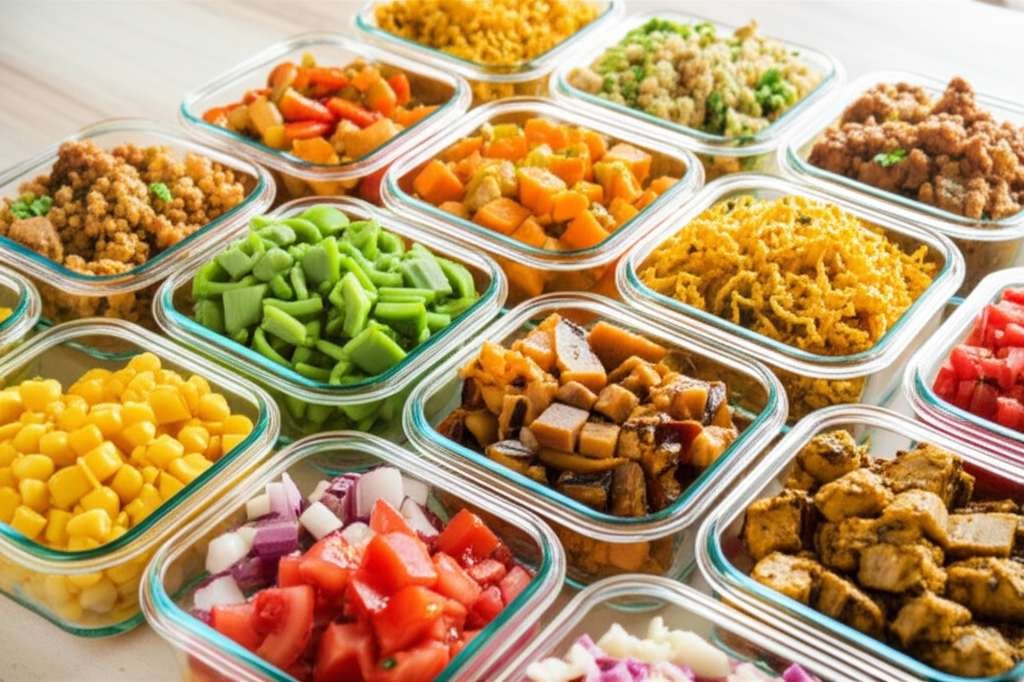
Bolded Quick Summary:
A 30-day Indian meal prep plan focused on weight loss for fatty liver disease involves creating healthy, portion-controlled meals rich in fiber, lean protein, and healthy fats, while minimizing processed foods, sugar, and unhealthy fats. This approach helps manage liver health and promotes gradual, sustainable weight loss.
Are you looking to take charge of your health and manage fatty liver disease through weight loss, but find the whole process a bit overwhelming? You’re not alone. Many people find it tricky to figure out what to eat, especially when you love flavorful Indian cuisine.
But what if I told you that you can enjoy delicious Indian food while working towards a healthier liver and a lighter you? It’s absolutely possible with a smart, organized approach.
This guide is designed to break down a 30-day Indian meal prep plan specifically for fatty liver weight loss. We’ll make it simple, practical, and easy to follow, even if you’re new to this.
Get ready to discover how to prepare tasty, liver-friendly meals that will help you shed those extra pounds and feel fantastic!
Why Meal Prep is a Game-Changer for Fatty Liver Weight Loss
Meal prepping might sound like a lot of work, but it’s your secret weapon for managing fatty liver disease through weight loss. When you have healthy meals ready to go, you’re much less likely to reach for unhealthy, processed options.
This is super important because fatty liver disease is often linked to diet and weight. Making smart food choices consistently can significantly improve your liver health and help you lose weight effectively. Meal prep helps you stick to those smart choices without the daily stress of deciding what to cook.
Think of it as setting yourself up for success. By preparing your meals in advance, you gain control over your ingredients, portion sizes, and nutritional intake, which are all key to shedding weight and supporting your liver.
Understanding Fatty Liver Disease and Weight Loss
Fatty liver disease, also known as hepatic steatosis, is a condition where excess fat builds up in the liver. There are two main types: alcoholic fatty liver disease and non-alcoholic fatty liver disease (NAFLD). NAFLD is the more common type and is often associated with obesity, diabetes, high cholesterol, and metabolic syndrome.
The good news is that weight loss is one of the most effective ways to reverse or improve NAFLD. Losing even a modest amount of weight, typically 5-10% of your body weight, can significantly reduce liver fat and inflammation. This is where a well-planned diet and meal prep come into play.
Focusing on a balanced diet that is rich in nutrients and low in harmful fats and sugars is crucial. A 30-day Indian meal prep plan can help you achieve this by incorporating traditional, healthy ingredients in a structured way.
The Role of Nutrition in Fatty Liver Management
Certain foods can help protect your liver and aid in weight loss, while others can worsen the condition. Generally, a liver-friendly diet emphasizes:
- Fiber-rich foods: Whole grains, fruits, vegetables, and legumes help with digestion and satiety, aiding weight loss.
- Lean proteins: Fish, poultry, beans, and lentils provide essential nutrients without excessive saturated fat.
- Healthy fats: Avocados, nuts, seeds, and olive oil are beneficial in moderation.
- Antioxidants: Found in colorful fruits and vegetables, they help combat inflammation.
Conversely, you’ll want to limit:
- Added sugars: Especially in drinks, sweets, and processed foods.
- Unhealthy fats: Saturated and trans fats found in fried foods, fatty meats, and processed snacks.
- Refined carbohydrates: White bread, white rice, and sugary cereals can spike blood sugar.
- Excessive alcohol: If your fatty liver is alcohol-related, abstaining is paramount.
For more information on NAFLD, you can refer to resources from the National Institute of Diabetes and Digestive and Kidney Diseases (NIDDK).
Your 30-Day Indian Meal Prep Strategy
This plan is all about making healthy eating achievable and enjoyable. We’ll focus on simple recipes, smart shopping, and efficient prep techniques. The goal is to create a sustainable habit, not a short-term diet.
Over the next 30 days, you’ll learn to build meals that are both delicious and beneficial for your liver and weight. We’ll cover breakfast, lunch, dinner, and snacks. Remember, consistency is key!
Let’s get started with the foundational steps to set you up for success.
Step 1: Planning Your Week
The most crucial part of meal prep is planning. Before the week begins, dedicate some time to decide what you’ll eat. This prevents last-minute unhealthy choices.
Start by choosing 5-7 dinner recipes for the week. Then, plan your lunches, often leftovers from dinner. For breakfasts and snacks, choose a few easy options you can rotate.
Consider your schedule. If you have busy days, plan for simpler meals or dishes that can be made ahead in larger batches. Flexibility is important; it’s okay to swap meals around if needed.
Step 2: Creating Your Shopping List
Once your meals are planned, make a detailed shopping list. Group items by grocery store section (produce, pantry, protein, etc.) to make your shopping trip efficient.
Focus on whole, unprocessed ingredients. This means buying fresh vegetables, fruits, lean meats, fish, lentils, beans, and whole grains. Avoid pre-packaged meals, sugary drinks, and processed snacks as much as possible.
A good list ensures you buy only what you need, reducing food waste and impulse buys. It’s also a great way to budget for your groceries.
Step 3: Prepping Your Ingredients
This is where the magic happens! Dedicate a block of time, usually on the weekend, to prepare your food. You don’t need to cook every single meal from scratch every day.
Washing and chopping vegetables, cooking grains like quinoa or brown rice, and marinating proteins can save you a lot of time during the week. Portioning out snacks also helps with mindful eating.
The more you prep ahead, the easier it will be to stick to your plan when you’re tired or busy. Even an hour or two of prep can make a huge difference.
Step 4: Cooking and Storing
Now it’s time to cook! You can either cook full meals in advance or prepare components that you’ll assemble later. For example, you might cook a large batch of lentil curry and then portion it out.
Use good quality, airtight containers for storing your meals. This keeps food fresh and prevents contamination. Labeling your containers with the contents and date can also be helpful.
When storing, make sure food cools down to room temperature before refrigerating to prevent bacterial growth. Most prepped meals can be stored in the refrigerator for 3-4 days. For longer storage, freezing is an excellent option.
Sample 30-Day Indian Meal Prep Menu (Week 1 Focus)
This sample menu is designed to be a starting point. Feel free to adjust portion sizes based on your individual needs and consult with a healthcare professional or registered dietitian for personalized advice. We’ll focus on Week 1 to give you a concrete example of how to structure your days.
Week 1: Getting Started
This week focuses on simple, flavorful dishes that are easy to prepare and rich in nutrients beneficial for liver health and weight loss.
Day 1:
- Breakfast: Poha (flattened rice) with vegetables (peas, carrots) and a sprinkle of peanuts.
- Lunch: Leftover Vegetable Khichdi (rice and lentil porridge) with a side of plain yogurt.
- Dinner: Dal Tadka (lentil curry) with Brown Rice and a simple cucumber-tomato salad.
- Snack: A small apple or a handful of almonds.
Day 2:
- Breakfast: Upma (semolina porridge) with mixed vegetables.
- Lunch: Leftover Dal Tadka with Brown Rice.
- Dinner: Chicken or Paneer (Indian cheese) Stir-fry with plenty of mixed vegetables (broccoli, bell peppers, onions) seasoned with ginger, garlic, and turmeric. Serve with a small portion of quinoa.
- Snack: A small bowl of mixed berries.
Day 3:
- Breakfast: Besan Cheela (chickpea flour pancake) with a side of mint chutney.
- Lunch: Leftover Chicken/Paneer Stir-fry with Quinoa.
- Dinner: Rajma (kidney bean curry) with a small portion of Jowar (sorghum) roti and a side of steamed spinach.
- Snack: A small pear.
Day 4:
- Breakfast: Oats cooked with water or unsweetened almond milk, topped with chia seeds and a few chopped dates.
- Lunch: Leftover Rajma with Jowar Roti.
- Dinner: Baked Salmon or Tofu with a marinade of lemon, garlic, and herbs, served with roasted mixed vegetables (zucchini, bell peppers, onions).
- Snack: A small handful of walnuts.
Day 5:
- Breakfast: Idli (steamed rice cakes) with Sambar (lentil and vegetable stew) and coconut chutney. (Prepare batter ahead).
- Lunch: Leftover Baked Salmon/Tofu with Roasted Vegetables.
- Dinner: Mixed Vegetable Curry with Brown Rice.
- Snack: A small orange.
Day 6:
- Breakfast: Scrambled eggs with spinach and tomatoes.
- Lunch: Leftover Mixed Vegetable Curry with Brown Rice.
- Dinner: Chana Masala (chickpea curry) with a small portion of Barley Roti and a simple kachumber (chopped cucumber, tomato, onion) salad.
- Snack: A small bowl of yogurt with a drizzle of honey.
Day 7:
- Breakfast: Fruit salad with a sprinkle of flax seeds.
- Lunch: Leftover Chana Masala with Barley Roti.
- Dinner: Light and easy vegetable soup (e.g., tomato-lentil soup) with a slice of whole-wheat toast.
- Snack: A small banana.
Key Indian Ingredients for Fatty Liver Weight Loss
Indian cuisine is a treasure trove of ingredients that are naturally beneficial for health. Here are some essentials to incorporate:
- Turmeric (Haldi): Known for its anti-inflammatory and antioxidant properties.
- Ginger (Adrak) & Garlic (Lehsun): Aid digestion and have anti-inflammatory benefits.
- Lentils and Legumes (Dal, Chana, Rajma): Excellent sources of protein and fiber, promoting satiety and blood sugar control.
- Whole Grains (Brown Rice, Quinoa, Jowar, Bajra, Whole Wheat): Provide complex carbohydrates and fiber for sustained energy.
- Vegetables: A wide variety like spinach, okra, cauliflower, carrots, and bell peppers are packed with vitamins, minerals, and fiber.
- Yogurt (Dahi): A good source of probiotics, beneficial for gut health.
- Healthy Oils (Mustard Oil, Olive Oil, Ghee in moderation): Use these for cooking.
Beyond Week 1: Sustaining Your Progress
The first week is about building momentum. For the remaining weeks, you can continue to rotate similar meals, try new recipes, and adapt the plan to your preferences. The key is to maintain consistency and listen to your body.
As you get more comfortable, you can explore different dals, vegetable preparations, and lean protein options. Remember to focus on portion control and mindful eating.
Here’s a look at how you might structure the following weeks:
Week 2: Building Variety
Introduce more diverse recipes. For example, try:
- Breakfast: Moong Dal Cheela (mung bean pancake), overnight oats with Indian spices.
- Lunch: Leftovers, or a quinoa salad with chickpeas and Indian spices.
- Dinner: Fish curry with brown rice, Palak Paneer (spinach and cheese) with whole wheat roti, Tandoori chicken with a large salad.
Week 3: Exploring New Grains
Incorporate less common grains like millet (bajra) or sorghum (jowar) into your rotis or as a side dish. Try dishes like:
- Breakfast: Ragi porridge (finger millet).
- Lunch: Lentil soup with a side of millet salad.
- Dinner: Mixed vegetable pulao (rice dish) with yogurt, or a lean lamb curry with jowar roti.
Week 4: Refining and Adapting
By now, you should have a good feel for what works for you. Focus on refining your favorite recipes and adjusting portion sizes based on your weight loss progress and energy levels.
- Breakfast: Repeat favorites or try a smoothie with spinach, banana, and a scoop of protein powder.
- Lunch: Utilize leftovers creatively, or prepare a large batch of vegetable stir-fry with tofu.
- Dinner: Experiment with spice blends, or revisit a favorite healthy Indian dish.
Practical Tips for Success
Meal prepping and weight loss can have their challenges. Here are some tips to help you stay on track:
- Invest in good containers: Airtight, microwave-safe, and dishwasher-safe containers are a lifesaver.
- Batch cook staples: Cook large portions of grains, lentils, and roasted vegetables at the beginning of the week.
- Pre-portion snacks: Divide nuts, seeds, or fruit portions into small bags or containers to avoid overeating.
- Keep it simple: Don’t try to make overly complicated recipes, especially when you’re starting.
- Stay hydrated: Drink plenty of water throughout the day. Sometimes thirst can be mistaken for hunger.
- Listen to your body: Pay attention to hunger and fullness cues.
- Don’t strive for perfection: If you slip up, don’t give up. Just get back on track with your next meal.
Sample Meal Prep Schedule (One Day)
Here’s a snapshot of how a prep day might look:
Morning (9:00 AM – 10:00 AM):
- Cook a large batch of brown rice.
- Cook a large batch of dal tadka.
- Wash and chop all vegetables for the week (for curries, stir-fries, and salads). Store in airtight containers.
Afternoon (1:00 PM – 2:00 PM):
- Marinate chicken or paneer for stir-fries/curries.
- Roast a large tray of mixed vegetables.
- Prepare overnight oats or smoothie packs for breakfasts.
Evening (5:00 PM – 6:00 PM):
- Portion out cooked rice and dal into individual containers for lunches and dinners.
- Portion out roasted vegetables and marinated proteins into containers.
- Prepare individual snack bags (e.g., almonds, berries).
This focused prep session ensures you have ready-to-eat meals and components for the next few days, making healthy eating effortless.
Nutritional Considerations for Fatty Liver
When planning your meals, keep these nutritional points in mind:
| Nutrient/Food Group | Importance for Fatty Liver & Weight Loss | Examples in Indian Cuisine |
|---|---|---|
| Fiber | Helps in weight management, improves blood sugar control, and aids digestion. | Whole grains (brown rice, oats, quinoa, whole wheat), lentils, beans, fruits, vegetables. |
| Lean Protein | Promotes satiety, helps preserve muscle mass during weight loss. | Lentils, beans, chickpeas, tofu, paneer (low-fat), fish, chicken breast. |
| Healthy Fats | Essential for hormone production and nutrient absorption; can help reduce inflammation. | Avocado, nuts (almonds, walnuts), seeds (chia, flax, pumpkin), olive oil, mustard oil. |
| Antioxidants & Phytonutrients | Protect liver cells from damage and reduce inflammation. | Turmeric, ginger, garlic, colorful vegetables (spinach, carrots, bell peppers), berries. |
| Added Sugars | Should be minimized as they contribute to weight gain and liver fat accumulation. | Sweets, sugary drinks, processed snacks, desserts. |
| Unhealthy Fats (Saturated & Trans) | Can worsen inflammation and contribute to weight gain. | Fried foods, fatty meats, processed snacks, excessive butter/ghee. |
For a deeper understanding of dietary recommendations for NAFLD, consider resources like the Mayo Clinic’s guidance.
Frequently Asked Questions (FAQ)
Q1: How much weight do I need to lose to improve my fatty liver?
Losing just 5-10% of your body weight can significantly reduce liver fat and inflammation. Even small, consistent weight loss efforts can make a big difference.
Q2: Can I still eat Indian food if I have fatty liver disease?
Absolutely! Indian cuisine offers many naturally healthy options. The key is to focus on whole ingredients, lean proteins, plenty of vegetables, and healthy fats, while limiting added sugars, fried foods, and excessive refined carbohydrates.
Q3: How often should I meal prep?
Most people find it effective to meal prep once or twice a week. A main prep session on the weekend for the first half of the week, and then a smaller session mid-week for the remaining days, can work well.
Q4: What are the best Indian foods for weight loss?
Lentils, beans, whole grains like brown rice and millets, lean poultry, fish, and a wide variety of vegetables are excellent choices. Dishes like dal, khichdi, vegetable curries, and grilled tandoori items (made with less oil) are great options.
Q5: Is it okay to eat rice?
Yes, but choose brown rice, red rice, or other whole grain options over white rice whenever possible. Portion control is also important. Limit your portion of rice to about half a cup to a cup per meal.
Q6: What snacks are good for fatty liver and weight loss?
Opt for whole foods like fruits (apples, berries, oranges), a small handful of unsalted nuts (almonds, walnuts), seeds (chia, flax), or plain yogurt. Avoid packaged snacks, biscuits, and sweets.
Q7: How long does it take to see results from meal prepping and weight loss?
Results vary from person to person. You might start feeling more energetic within a week or two. Visible weight loss and improvements in liver markers typically take several weeks to months of consistent effort.
Conclusion
Embarking on a 30-day Indian meal prep journey for fatty liver weight loss is a powerful step towards a healthier you. By focusing on planning, smart shopping, and consistent preparation, you can transform your relationship with food and your health.
This guide has provided you with the strategies, sample menus, and practical tips to make this journey manageable and enjoyable. Remember that consistency is more important than perfection. Celebrate your small victories along the way!
Taking control of your diet is one of the most effective ways to manage fatty liver disease and achieve sustainable weight loss. You’ve got this!
As an Amazon Associate, We earn from qualifying purchases. When you purchase a product through Amazon links on pulsefitguide.com, we may earn a small commission at no extra cost to you. This helps support the site and keep our content free.