

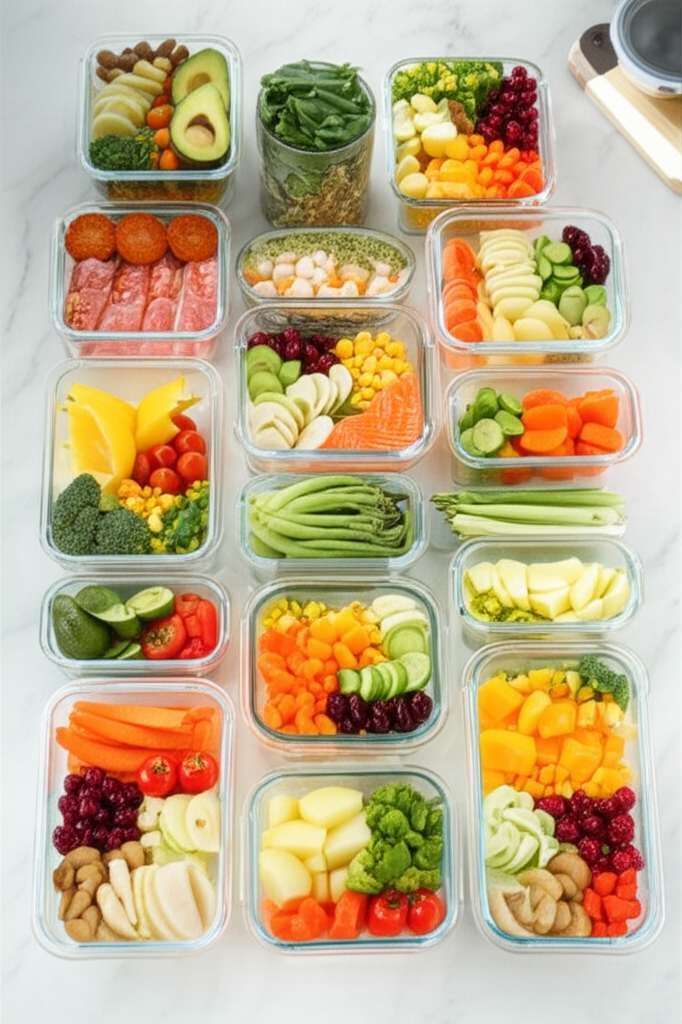
30 Day Clean Eating Meal Prep for Fatty Liver Weight Loss: Transform your diet with easy, delicious meals to support liver health and shed pounds. This guide offers simple, affordable, and science-backed strategies for beginners to manage fatty liver disease and achieve sustainable weight loss through whole foods.
Feeling overwhelmed by fatty liver and weight loss? You’re not alone! Many people find it tough to navigate healthy eating, especially when dealing with specific health concerns like fatty liver disease. It can feel confusing and frustrating to know where to start.
But what if I told you that making a positive change is more achievable than you think? This guide is designed just for you. We’ll break down clean eating and meal prepping into simple, actionable steps that fit your busy life and budget.
Get ready to discover how delicious, satisfying meals can become your secret weapon for a healthier liver and a lighter body. Let’s dive into your 30-day journey!
Understanding Fatty Liver and Weight Loss: A Simple Guide
Fatty liver disease, also known as Non-Alcoholic Fatty Liver Disease (NAFLD), is a condition where excess fat builds up in your liver. It’s closely linked to weight, diet, and lifestyle factors. For many, losing weight is a key part of improving liver health and reducing the fat in the liver.
When we talk about “clean eating” for fatty liver and weight loss, it means focusing on whole, unprocessed foods. Think colorful fruits and vegetables, lean proteins, healthy fats, and whole grains. These foods provide essential nutrients without the added sugars, unhealthy fats, and processed ingredients that can contribute to the problem.
The good news is that adopting a clean eating approach can directly help your liver heal and support your weight loss goals. It’s not about strict diets or deprivation; it’s about nourishing your body with the best ingredients.
Why Meal Prep is Your Best Friend for Fatty Liver and Weight Loss
Meal prepping might sound like a lot of work, but it’s a game-changer for staying on track with clean eating and weight loss. When you have healthy meals and snacks ready to go, you’re much less likely to reach for quick, unhealthy options when hunger strikes.
For those managing fatty liver, consistent healthy eating is crucial. Meal prep helps you control portion sizes, ensure you’re getting balanced nutrition, and avoid ingredients that can harm your liver. It takes the guesswork out of “what’s for dinner?” and makes healthy choices the easy choices.
Think of meal prep as building a safety net for your health goals. It saves you time during the week, reduces stress, and ultimately helps you achieve better results with your weight loss and liver health journey.
Your 30-Day Clean Eating Meal Prep Plan: Getting Started
This 30-day plan is designed to be a flexible guide, not a rigid set of rules. We’ll focus on building healthy habits that you can maintain long-term. The goal is to introduce you to clean eating and meal prepping in a way that feels manageable and rewarding.
We’ll cover the essentials: what to eat, what to limit, how to shop smart, and simple meal prep strategies. Remember, consistency is key, and every healthy choice you make is a step in the right direction for your liver and your weight.
Step 1: Understanding the “Clean Eating” Plate for Fatty Liver
Clean eating for fatty liver means filling your plate with nutrient-dense, whole foods. The focus is on foods that support liver function, reduce inflammation, and aid in weight management. This means prioritizing:
- Lean Proteins: Essential for muscle building and feeling full. Think chicken breast, turkey, fish (especially fatty fish rich in omega-3s), beans, lentils, and tofu.
- Plenty of Vegetables: Packed with vitamins, minerals, and fiber. Aim for a variety of colors – leafy greens, broccoli, bell peppers, carrots, tomatoes, etc.
- Healthy Fats: Crucial for hormone production and nutrient absorption. Avocado, nuts, seeds, olive oil, and fatty fish are great sources.
- Whole Grains: Provide sustained energy and fiber. Oats, quinoa, brown rice, and whole wheat bread (in moderation) are good choices.
- Fruits: Offer natural sweetness, vitamins, and antioxidants. Berries, apples, pears, and citrus fruits are excellent options.
These foods are digested more easily and provide the building blocks your body needs to repair and function optimally, which is especially important when dealing with a fatty liver.
Step 2: Foods to Limit or Avoid
Just as important as knowing what to eat is knowing what to reduce. Certain foods can put extra strain on your liver and hinder weight loss efforts. The main culprits are:
- Added Sugars: Found in sugary drinks, desserts, candies, and many processed foods. They are a major contributor to fat buildup in the liver.
- Refined Carbohydrates: White bread, white pasta, white rice, and pastries. They cause rapid blood sugar spikes and can be converted to fat.
- Unhealthy Fats: Saturated fats (found in fatty meats, butter, full-fat dairy) and trans fats (often in fried foods and baked goods).
- Processed Foods: Packaged snacks, fast food, and pre-made meals often contain high levels of sugar, unhealthy fats, and sodium.
- Excessive Alcohol: Alcohol can significantly damage the liver and contribute to fat accumulation.
Reducing these items will give your liver a break and make it easier for your body to lose weight. It’s about making conscious choices to swap these out for healthier alternatives.
Step 3: Building Your Grocery List
A smart grocery list is the foundation of successful meal prep. Focus on the perimeter of the grocery store where fresh produce, lean meats, and dairy are typically located. Here’s a sample list to get you started:
Proteins:
- Chicken breast or thighs (skinless)
- Salmon or other fatty fish
- Lean ground turkey or beef
- Lentils and beans (canned or dried)
- Tofu or tempeh
- Eggs
Vegetables:
- Spinach, kale, or mixed greens
- Broccoli, cauliflower
- Bell peppers (various colors)
- Onions, garlic
- Sweet potatoes, carrots
- Tomatoes, cucumbers
Fruits:
- Berries (strawberries, blueberries, raspberries)
- Apples, pears
- Bananas
- Citrus fruits (oranges, lemons, limes)
Healthy Fats & Dairy/Alternatives:
- Avocado
- Nuts (almonds, walnuts) and seeds (chia, flax, pumpkin)
- Olive oil
- Plain Greek yogurt
- Unsweetened almond or soy milk
Whole Grains:
- Oats (rolled or steel-cut)
- Quinoa
- Brown rice
- Whole grain bread (check ingredients for minimal additives)
When shopping, always check the ingredient list. Aim for items with short ingredient lists and minimal added sugars or sodium. For example, choose plain Greek yogurt over flavored varieties, and opt for canned beans with no added salt.
Step 4: Essential Meal Prep Tools
You don’t need fancy gadgets to meal prep effectively. A few basic tools will make the process much smoother and more enjoyable:
- A Good Knife and Cutting Board: For efficient chopping of fruits, vegetables, and proteins.
- A Set of Food Storage Containers: Glass or BPA-free plastic containers in various sizes are essential for storing prepped meals and snacks. Look for ones with airtight lids to keep food fresh.
- Baking Sheets: For roasting vegetables and proteins.
- Saucepans and Skillet: For cooking grains, legumes, and stir-fries.
- Measuring Cups and Spoons: To help with portion control and following recipes.
- A Slow Cooker or Instant Pot (Optional but helpful): Great for making large batches of soups, stews, or cooked proteins with minimal effort.
Having these tools readily available will make your meal prep sessions more organized and less daunting. You can find affordable options at most home goods stores or online retailers.
Step 5: Your Weekly Meal Prep Routine
Dedicate a block of time, usually 2-3 hours, once or twice a week for meal prep. Sunday is a popular choice, but find what works best for your schedule. Here’s a simple workflow:
- Wash and Chop Produce: Wash all your fruits and vegetables thoroughly. Chop veggies for salads, stir-fries, and snacks. Store them in airtight containers.
- Cook Grains: Make a big batch of quinoa or brown rice. Let it cool completely before storing.
- Prepare Proteins: Bake or grill chicken breasts, roast salmon, or cook a batch of lentils. Portion them out for easy assembly.
- Hard-Boil Eggs: A quick and easy protein-packed snack.
- Assemble Components: You don’t have to assemble full meals if you prefer flexibility. Portion out grains, proteins, and chopped veggies separately. This allows you to mix and match throughout the week.
- Prepare Snacks: Portion out nuts, seeds, or yogurt into small containers. Cut up fruits and vegetables for easy grab-and-go options.
The key is to break it down into manageable tasks. You can also prep ingredients for specific meals. For instance, if you plan to have chicken stir-fry, chop all your vegetables and marinate your chicken ahead of time.
Sample 30-Day Clean Eating Meal Prep Menu Ideas
Here are some meal ideas to get you started. Remember to adjust portion sizes based on your individual needs and hunger levels. The goal is to build a balanced plate at each meal.
Week 1: Building the Foundation
Focus on simple, familiar meals to ease into the routine.
Breakfast Ideas:
- Oatmeal with berries and a sprinkle of nuts
- Scrambled eggs with spinach and a side of whole-grain toast
- Greek yogurt with fruit and chia seeds
Lunch Ideas:
- Large salad with grilled chicken, mixed greens, cucumber, tomatoes, and an olive oil vinaigrette
- Lentil soup with a side of whole-grain crackers
- Quinoa bowl with black beans, corn, salsa, and avocado
Dinner Ideas:
- Baked salmon with roasted broccoli and a small sweet potato
- Chicken stir-fry with mixed vegetables (broccoli, peppers, carrots) and brown rice
- Turkey meatballs with zucchini noodles and a light marinara sauce
Snack Ideas:
- Apple slices with almond butter
- A handful of almonds
- Carrot sticks with hummus
Week 2: Adding Variety and Flavor
Introduce new recipes and ingredients to keep things interesting.
Breakfast Ideas:
- Smoothie with spinach, banana, protein powder, and almond milk
- Whole grain toast with avocado and a sprinkle of red pepper flakes
- Overnight oats with chia seeds and fruit
Lunch Ideas:
- Tuna salad (made with Greek yogurt instead of mayo) on lettuce wraps with a side of cherry tomatoes
- Leftover chicken stir-fry
- Chickpea salad sandwich on whole grain bread
Dinner Ideas:
- Lean ground beef or turkey chili with lots of beans and vegetables
- Sheet pan chicken and roasted root vegetables (carrots, parsnips, sweet potatoes)
- Baked cod with lemon and herbs, served with steamed asparagus and quinoa
Snack Ideas:
- Pear slices with a few walnuts
- Hard-boiled eggs
- Edamame (steamed)
Week 3: Boosting Nutrient Density
Focus on incorporating more nutrient-rich foods like dark leafy greens and colorful vegetables.
Breakfast Ideas:
- Kale and mushroom omelet with a side of berries
- Chia seed pudding with mixed fruit
- Greek yogurt parfait with granola (low sugar) and fruit
Lunch Ideas:
- Large spinach salad with grilled shrimp, avocado, and a lemon-tahini dressing
- Leftover chili
- Buddha bowl with quinoa, roasted sweet potatoes, black beans, and steamed kale
Dinner Ideas:
- Chicken breast stuffed with spinach and feta, served with a side salad
- Lentil shepherd’s pie with a sweet potato topping
- Salmon burgers on whole wheat buns with a large side salad
Snack Ideas:
- Orange slices with a small handful of almonds
- Celery sticks with peanut butter
- A small bowl of mixed berries
Week 4: Sustainability and Enjoyment
Refine your favorites and focus on enjoying the process and the delicious results.
Breakfast Ideas:
- Repeat your favorite from the previous weeks or try a new smoothie combination.
- Scrambled tofu with turmeric and black salt for an “eggy” flavor, with a side of avocado.
Lunch Ideas:
- Chicken or turkey breast slices with a variety of chopped raw vegetables and a light dip (e.g., Greek yogurt based).
- Leftovers from your favorite dinner from the previous week.
- Quinoa salad with cucumber, tomatoes, parsley, lemon juice, and olive oil.
Dinner Ideas:
- Lean pork tenderloin with roasted Brussels sprouts and apple slices.
- Vegetarian curry with chickpeas, spinach, and brown rice.
- Homemade lean turkey burgers on whole grain buns with a large mixed green salad.
Snack Ideas:
- A small container of cottage cheese with fruit.
- A small handful of mixed nuts and seeds.
- Vegetable sticks (cucumber, bell peppers) with a small portion of guacamole.
This menu is a template. Feel free to swap meals around, substitute ingredients based on preference and availability, and experiment with different spices and herbs to keep your taste buds happy! The important thing is to maintain the principles of clean eating.
Hydration and Liver Health
Water is essential for overall health and plays a vital role in liver function. It helps your body flush out toxins and keeps everything running smoothly. When you’re focused on weight loss and liver health, staying well-hydrated is a simple yet powerful strategy.
Aim to drink plenty of water throughout the day. Plain water is best. You can also add slices of lemon, lime, cucumber, or mint for a refreshing twist. Herbal teas (unsweetened) are also a great option.
What to limit? Sugary drinks, including sodas, fruit juices with added sugar, and sweetened teas, can contribute to inflammation and fat buildup. Alcohol, as mentioned, is also a major concern for liver health and should be avoided or severely limited.
A good general guideline for water intake is about eight 8-ounce glasses per day, but this can vary based on your activity level and climate. Listen to your body; thirst is your cue to drink up!
The Role of Fiber in Your Diet
Fiber is a superstar nutrient when it comes to weight loss and supporting a healthy liver. It’s the part of plant foods that your body can’t digest, and it offers some incredible benefits:
- Keeps you feeling full: Fiber adds bulk to your meals, which helps you feel satisfied for longer, reducing the urge to overeat or snack on unhealthy options.
- Aids digestion: It helps keep your digestive system moving regularly, preventing constipation.
- Helps manage blood sugar: Fiber slows down the absorption of sugar into your bloodstream, preventing sharp spikes and crashes that can lead to cravings.
- Supports liver health: By promoting a healthy gut microbiome and aiding in waste elimination, fiber indirectly supports your liver’s detoxification processes.
You can easily boost your fiber intake by including plenty of fruits, vegetables, whole grains, and legumes in your diet. Think about adding a side of steamed broccoli to your dinner, swapping white rice for quinoa, or starting your day with oatmeal. The American Heart Association recommends a good amount of fiber for overall cardiovascular health, which is closely linked to liver health.
Incorporating Physical Activity
While this guide focuses on clean eating and meal prep, it’s important to remember that physical activity is a vital partner in weight loss and improving liver health. Exercise helps burn calories, build muscle (which boosts your metabolism), and can even help reduce fat in the liver.
You don’t need to become a marathon runner overnight! Start with activities you enjoy. Walking, swimming, cycling, dancing, or even brisk walking for 30 minutes most days of the week can make a significant difference. Aim for a combination of aerobic exercise and some strength training to build muscle.
Consistency is more important than intensity when you’re starting out. Find ways to incorporate movement into your daily routine. Take the stairs, go for a walk during your lunch break, or do some simple bodyweight exercises at home. For more guidance on safe and effective exercise, resources from the Mayo Clinic can be very helpful.
Putting It All Together: Your 30-Day Success Plan
This 30-day plan is your launchpad. By focusing on clean eating, consistent meal prep, adequate hydration, and regular movement, you’re setting yourself up for significant progress in managing fatty liver and achieving your weight loss goals.
Remember these key takeaways:
- Focus on Whole Foods: Prioritize fruits, vegetables, lean proteins, healthy fats, and whole grains.
- Limit Processed Foods and Sugars: These are the main contributors to liver fat and weight gain.
- Meal Prep is Key: Prepare meals and snacks in advance to make healthy choices easy.
- Stay Hydrated: Drink plenty of water throughout the day.
- Incorporate Movement: Find enjoyable ways to be physically active.
- Be Patient and Kind to Yourself: Progress takes time. Celebrate small victories and don’t get discouraged by occasional slip-ups.
This journey is about building sustainable habits that will benefit your health for years to come. You have the power to make positive changes, and this plan provides you with the tools and knowledge to do so.
Frequently Asked Questions (FAQ)
Q1: Can I really reverse fatty liver with diet and weight loss?
A1: Yes, for many people, fatty liver disease can be improved or even reversed through lifestyle changes like diet and weight loss. Focusing on a clean eating plan that reduces fat and sugar intake and promotes a healthy weight is crucial.
Q2: How much weight do I need to lose to improve my fatty liver?
A2: Even a modest weight loss of 5-10% of your body weight can significantly improve liver fat and inflammation. The more you lose, the greater the benefits, but starting with a small, achievable goal is important.
Q3: What are the best protein sources for fatty liver?
A3: Lean protein sources are best. This includes chicken breast, turkey, fish (especially fatty fish like salmon for omega-3s), beans, lentils, and tofu. These help with satiety and muscle maintenance without adding excess saturated fat.
Q4: How often should I meal prep?
A4: Most people find it effective to meal prep once or twice a week. Dedicating a few hours on a weekend day or a weeknight can set you up for success for the days ahead. Find a rhythm that works for your schedule.
Q5: I’m on a tight budget. How can I afford to eat clean?
A5: Clean eating can be very affordable! Focus on buying in-season produce, dried beans and lentils, whole grains like oats and brown rice, and lean proteins like chicken thighs or eggs. Planning your meals and avoiding impulse buys at the grocery store also saves money.
Q6: Is it okay to eat fruit if I have fatty liver?
A6: Absolutely! Fruits are a great source of vitamins, minerals, antioxidants, and fiber. They provide natural sweetness and are a much healthier choice than processed sweets. Enjoy whole fruits in moderation as part of your balanced diet.
Q7: What if I don’t like certain vegetables?
A7: That’s perfectly normal! The key is variety. If you dislike broccoli, try spinach, kale, bell peppers, carrots, or zucchini. Experiment with different cooking methods like roasting, steaming, or adding them to smoothies or sauces. Find the vegetables you enjoy and make them a staple.
Conclusion: Your Journey to a Healthier You
Embarking on a 30-day clean eating meal prep journey for fatty liver weight loss is a powerful step towards a healthier, more vibrant life. You’ve learned about the importance of whole foods, the benefits of meal prepping, and how to create balanced, delicious meals that support your liver and your weight goals.
Remember, this isn’t about perfection, but about progress. Each healthy meal you prepare, each time you choose water over a sugary drink, and each moment you dedicate to movement is a victory. You are building a foundation for lasting change, not just for your liver and your weight, but for your overall well-being.
Take what you’ve learned here and apply it with confidence. You have the knowledge, the tools, and the inner strength to succeed. Enjoy the process, savor the healthy foods, and celebrate every step forward. Your journey to a healthier you starts now!
As an Amazon Associate, We earn from qualifying purchases. When you purchase a product through Amazon links on pulsefitguide.com, we may earn a small commission at no extra cost to you. This helps support the site and keep our content free.