

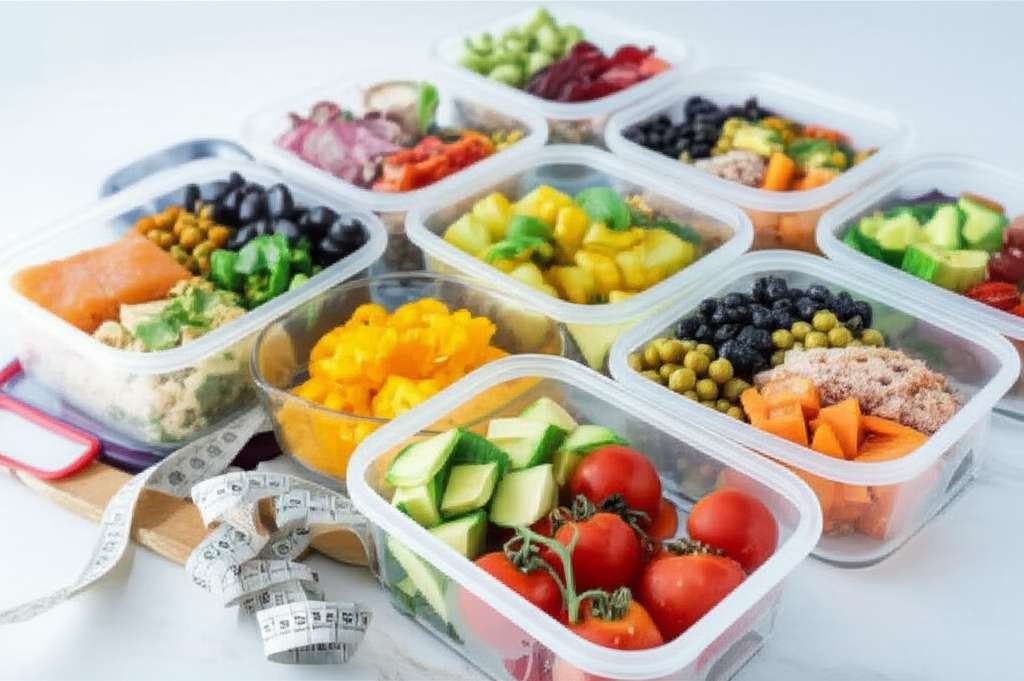
Yes, a 30-day balanced diet meal prep plan is essential for fatty liver weight loss. Focusing on whole foods, lean proteins, healthy fats, and fiber-rich carbohydrates can significantly improve liver health and aid in shedding excess weight. This approach helps reduce fat buildup in the liver and promotes overall well-being.
Are you feeling a bit overwhelmed by the idea of changing your diet, especially when it comes to managing fatty liver and losing weight? It’s completely normal to feel that way. Many people find nutrition confusing, and when you add a health concern like fatty liver, it can feel like a huge mountain to climb.
But here’s the good news: it doesn’t have to be complicated! With a clear, step-by-step plan, you can make healthy eating a regular part of your life. This guide is designed to break down exactly how to do that, focusing on a 30-day balanced diet meal prep strategy that supports both your liver and your weight loss goals.
We’ll cover everything you need to know to get started, making it simple and achievable. Let’s dive in and transform your approach to eating for a healthier you!
What is Fatty Liver Disease and Why Weight Loss Matters
Fatty liver disease, also known as hepatic steatosis, happens when too much fat builds up in your liver. Think of your liver as a busy factory in your body, responsible for many crucial jobs, including processing food and removing toxins. When fat starts to accumulate excessively, it can interfere with your liver’s ability to do its work efficiently.
There are two main types: alcoholic fatty liver disease, caused by heavy alcohol use, and non-alcoholic fatty liver disease (NAFLD). NAFLD is much more common and is often linked to factors like obesity, type 2 diabetes, high cholesterol, and metabolic syndrome. It’s a growing concern worldwide, affecting a significant portion of the adult population.
The good news is that NAFLD is often reversible, especially in its early stages. One of the most powerful ways to combat it is through weight loss. Losing even a modest amount of weight – around 5-10% of your body weight – can significantly reduce the fat in your liver, decrease inflammation, and improve liver function. It’s a key strategy for protecting your liver health long-term.
Why Meal Prep is Your Secret Weapon
Meal prepping is more than just cooking a lot of food at once; it’s a strategy that sets you up for success, especially when you have specific health goals like managing fatty liver and losing weight. It takes the guesswork out of eating healthy, making it easier to make good choices even when you’re busy or stressed.
When you have healthy, pre-portioned meals ready to go, you’re far less likely to grab unhealthy fast food or processed snacks. This consistency is crucial for creating the calorie deficit needed for weight loss and for providing your body with the nutrients it needs to support liver health.
Meal prepping also helps you control portion sizes and ingredients. This is vital because certain foods can contribute to fat buildup in the liver, while others can help reduce it. By preparing your own meals, you gain control over what you eat, ensuring it aligns with your health objectives.
Benefits of Meal Prepping for Fatty Liver and Weight Loss
- Consistency: Ensures you eat balanced meals regularly, supporting consistent blood sugar levels and preventing overeating.
- Portion Control: Helps you manage calorie intake accurately, which is essential for weight loss.
- Nutrient Density: Allows you to focus on nutrient-rich foods that benefit liver health, like fruits, vegetables, lean proteins, and whole grains.
- Reduced Temptation: Minimizes impulse buys of unhealthy foods when hunger strikes.
- Time and Cost Savings: Can be more efficient and economical than buying meals daily.
- Stress Reduction: Removes the daily pressure of deciding what to eat.
The 30-Day Balanced Diet Meal Prep Plan Essentials
Our 30-day plan focuses on a balanced approach, emphasizing whole, unprocessed foods. The goal is to create a sustainable eating pattern that nourishes your body, supports liver function, and promotes gradual, healthy weight loss. We’ll focus on nutrient-dense foods that are naturally low in unhealthy fats, added sugars, and refined carbohydrates.
A balanced diet for fatty liver weight loss typically includes:
- Plenty of Vegetables: Especially leafy greens and colorful vegetables, which are packed with vitamins, minerals, and fiber.
- Lean Proteins: Such as chicken breast, turkey, fish, beans, lentils, and tofu. These help you feel full and support muscle health.
- Healthy Fats: Found in avocados, nuts, seeds, and olive oil. These are important for overall health and can help reduce inflammation.
- Whole Grains: Like oats, quinoa, brown rice, and whole wheat bread. They provide sustained energy and fiber.
- Fruits: In moderation, offering vitamins, antioxidants, and natural sweetness.
- Hydration: Lots of water throughout the day is crucial for metabolism and detoxification.
We’ll also be mindful of what to limit:
- Added Sugars: Found in sodas, sweets, and many processed foods.
- Refined Carbohydrates: Like white bread, white rice, and pastries.
- Unhealthy Fats: Such as saturated and trans fats found in fried foods, fatty meats, and processed snacks.
- Excessive Sodium: Often found in processed and restaurant foods.
Step 1: Setting Up Your Kitchen for Success
Before you even start thinking about recipes, let’s get your kitchen ready. A well-organized kitchen makes meal prepping so much easier and more enjoyable. It’s about creating a space that supports your healthy habits.
Here’s what you’ll need:
- Good Quality Food Storage Containers: Invest in a variety of sizes, preferably BPA-free and microwave/dishwasher safe. Glass containers are a great option too.
- Basic Cooking Utensils: Pots, pans, baking sheets, knives, cutting boards, mixing bowls.
- Measuring Cups and Spoons: Essential for accurate portioning and following recipes.
- A Reliable Refrigerator and Freezer: Make sure they are clean and at the correct temperatures to keep your food fresh.
- Optional but Helpful: A slow cooker or instant pot can be a game-changer for effortless meal prep.
Take some time to declutter your pantry and fridge. Get rid of any tempting unhealthy snacks or ingredients that don’t fit your plan. Organizing your space will make the whole process feel less like a chore and more like an investment in your health.
Step 2: Planning Your Weekly Menu
This is where the magic happens! Planning your meals for the week ahead is the backbone of successful meal prep. It ensures you have variety, balance, and all the necessary ingredients.
Here’s how to approach it:
- Choose Your Prep Day: Pick a day, usually a weekend, when you have a few hours to dedicate to cooking and packing.
- Select Recipes: Aim for a mix of meals that use similar ingredients to reduce waste. Think about breakfast, lunch, dinner, and snacks.
- Focus on Balance: For each meal, try to include a lean protein, plenty of non-starchy vegetables, and a source of healthy fats or complex carbohydrates.
- Consider Variety: Don’t eat the exact same thing every day for 30 days. Mix up your proteins, vegetables, and grain sources to ensure you get a wide range of nutrients and to prevent boredom.
- Factor in Your Schedule: If you have busy nights, plan for simpler meals or leftovers.
For this 30-day plan, we’ll build a template that you can adapt each week. The key is consistency in the types of foods you choose.
Step 3: Creating Your Grocery List
Once your menu is planned, creating a detailed grocery list is crucial. This prevents impulse buys and ensures you have everything you need, saving you time and money.
Go through your weekly menu recipe by recipe and list out every ingredient. Then, check your pantry and fridge to see what you already have. Organize your list by grocery store sections (produce, protein, dairy, grains, etc.) to make shopping more efficient.
Here’s a sample grocery list for one week, focusing on staples for a balanced diet:
| Category | Sample Items |
|---|---|
| Vegetables | Spinach, kale, broccoli, bell peppers (various colors), onions, garlic, zucchini, sweet potatoes, carrots, tomatoes, cauliflower |
| Lean Proteins | Chicken breast, salmon fillets, lean ground turkey, lentils, chickpeas, eggs, Greek yogurt |
| Healthy Fats | Avocado, almonds, walnuts, chia seeds, flax seeds, olive oil |
| Whole Grains/Complex Carbs | Quinoa, brown rice, oats, whole wheat bread (optional, choose wisely) |
| Fruits | Berries (strawberries, blueberries), apples, oranges, bananas (in moderation) |
| Herbs & Spices | Turmeric, ginger, cinnamon, basil, oregano, salt, pepper |
Remember to adjust quantities based on your planned meals and the number of people you’re cooking for. Aim to buy fresh produce in season for better flavor and value.
Step 4: The Meal Prep Session
This is your dedicated time to cook, chop, and pack. The more organized you are, the faster and more efficient this session will be. Put on some music or a podcast, and make it enjoyable!
Here’s a common workflow:
- Wash and Prep Produce: Wash all your fruits and vegetables. Chop vegetables for salads, stir-fries, roasting, or steaming. Store them in airtight containers.
- Cook Grains: Prepare a batch of quinoa, brown rice, or other whole grains. Let them cool completely before storing.
- Cook Proteins: Bake, grill, or pan-sear your lean proteins. Cook larger batches of chicken breast, ground turkey, or bake fish. Hard-boil eggs for quick snacks or breakfasts.
- Prepare Soups/Stews/Chili: If you’re making a larger batch meal like lentil soup or a turkey chili, get this simmering. These are great for variety and can be portioned easily.
- Assemble Meals: Once everything is cooked and cooled, start assembling your meals into your storage containers. Aim for balanced portions of protein, vegetables, and complex carbs/healthy fats.
- Portion Snacks: Divide nuts, seeds, or chopped veggies into snack-sized portions.
It’s helpful to cook components separately and then assemble meals. For example, cook chicken breasts, roast a big batch of broccoli, and cook quinoa. Then, you can mix and match these components throughout the week to create different meals and avoid monotony.
Step 5: Storage and Safety
Proper storage is vital to keep your prepped meals fresh and safe to eat. Food safety guidelines are there to protect you from foodborne illnesses.
Key storage tips:
- Cool Down Quickly: Let cooked food cool down to room temperature for no more than two hours before refrigerating or freezing. If you have a large batch, divide it into smaller portions to speed up cooling.
- Airtight Containers: Always use airtight containers to prevent spoilage and contamination.
- Refrigeration: Most prepped meals are best consumed within 3-4 days when stored in the refrigerator at or below 40°F (4°C).
- Freezing: For longer storage (up to 2-3 months), freeze portions of meals like soups, stews, or cooked grains and proteins. Label containers with the contents and date.
- Reheating: When reheating, ensure food reaches an internal temperature of 165°F (74°C). Microwave, oven, or stovetop are all acceptable methods.
The U.S. Food and Drug Administration (FDA) provides excellent resources on safe food handling and storage, which are invaluable for home cooks.
Sample 30-Day Meal Prep Structure
This is a template to guide you. You can swap out ingredients based on your preferences and what’s in season, but keep the balance of macronutrients and focus on whole foods.
Week 1: Focus on Foundations
Goal: Establish the habit of meal prepping and focus on simple, nutrient-dense meals.
Prep Day Focus: Cook large batches of chicken breast, quinoa, and roast a mix of vegetables (broccoli, bell peppers, sweet potatoes).
- Breakfasts: Overnight oats with berries and chia seeds; hard-boiled eggs with a side of fruit.
- Lunches: Grilled chicken salad with mixed greens, cucumber, tomatoes, and a light vinaigrette; Quinoa bowls with black beans, corn, salsa, and avocado.
- Dinners: Baked salmon with roasted asparagus and lemon; Lean ground turkey stir-fry with mixed vegetables (broccoli, snap peas, carrots) and a light soy-ginger sauce (serve with small portion of brown rice).
- Snacks: Apple slices with almond butter; a handful of almonds; Greek yogurt.
Week 2: Introducing More Variety
Goal: Expand your recipe repertoire and incorporate different protein sources.
Prep Day Focus: Cook lentils, bake cod or other white fish, and chop a variety of colorful vegetables for salads and roasting.
- Breakfasts: Smoothie with spinach, banana, protein powder, and almond milk; Scrambled eggs with sautéed mushrooms and spinach.
- Lunches: Lentil soup with a side salad; Cod with roasted Brussels sprouts and a small portion of sweet potato mash.
- Dinners: Chicken breast fajita bowls with bell peppers, onions, brown rice, and a dollop of Greek yogurt; Salmon patties (made with canned salmon, egg, oats) with a large green salad.
- Snacks: Carrot sticks with hummus; a small pear; cottage cheese.
Week 3: Focus on Healthy Fats and Fiber
Goal: Ensure adequate intake of healthy fats and high-fiber foods to support satiety and liver health.
Prep Day Focus: Prepare a large batch of chickpea curry, roast a variety of vegetables including cauliflower and zucchini, and cook chicken thighs (leaner cut).
- Breakfasts: Greek yogurt with walnuts and berries; Whole wheat toast (if including bread) with avocado and a sprinkle of red pepper flakes.
- Lunches: Chickpea curry with brown rice; Large salad with grilled chicken thighs, mixed greens, cucumber, avocado, and a lemon-tahini dressing.
- Dinners: Baked chicken thighs with a side of steamed green beans and a small portion of quinoa; Zucchini noodles with lean turkey bolognese sauce.
- Snacks: Handful of walnuts; edamame; hard-boiled eggs.
Week 4: Refining and Sustaining
Goal: Solidify healthy eating habits and find your favorite go-to meals.
Prep Day Focus: Repeat successful recipes from previous weeks or try a new healthy soup or chili recipe. Cook a batch of lean ground turkey and roast mixed root vegetables.
- Breakfasts: Overnight oats with sliced banana and cinnamon; Omelet with diced vegetables.
- Lunches: Leftover healthy soup or chili; Turkey and vegetable bowls with roasted root vegetables and a drizzle of olive oil.
- Dinners: Baked salmon with a large mixed green salad and a side of roasted sweet potatoes; Lentil shepherd’s pie with a cauliflower topping.
- Snacks: Berries with a small amount of almonds; Greek yogurt with flax seeds; a small orange.
Sample Meal Ideas for Fatty Liver Weight Loss
Here are some more specific meal ideas that fit the balanced diet criteria, focusing on liver-friendly ingredients and weight loss principles.
Breakfast Ideas
- Oatmeal Power Bowl: Rolled oats cooked with water or unsweetened almond milk, topped with berries, a sprinkle of chia seeds, and a few almonds.
- Veggie Omelet: Two or three eggs (or egg whites) with sautéed spinach, mushrooms, onions, and bell peppers. Serve with a small side of avocado.
- Greek Yogurt Parfait: Plain Greek yogurt layered with mixed berries and a tablespoon of chopped walnuts or pumpkin seeds.
- Smoothie: Blend spinach, half a banana, protein powder (whey or plant-based), unsweetened almond milk, and a tablespoon of flax seeds.
Lunch Ideas
- Lentil Salad: Cooked lentils mixed with chopped cucumber, tomatoes, red onion, parsley, and a lemon-olive oil dressing. Add some grilled chicken for extra protein if desired.
- Chicken & Veggie Wrap: Whole wheat tortilla filled with shredded cooked chicken breast, hummus, lettuce, shredded carrots, and cucumber.
- Tuna Salad (Healthy Version): Canned tuna (in water, drained) mixed with Greek yogurt instead of mayonnaise, chopped celery, red onion, and served on a bed of mixed greens or with whole-grain crackers.
- Quinoa & Black Bean Bowl: Cooked quinoa topped with black beans, corn, salsa, chopped cilantro, and a squeeze of lime.
Dinner Ideas
- Baked Salmon with Roasted Vegetables: Salmon fillet baked with lemon and herbs, served with a generous portion of roasted broccoli, zucchini, and bell peppers.
- Lean Turkey Meatloaf: Made with lean ground turkey, oats, finely chopped vegetables (onions, carrots, celery), and seasoned with herbs. Serve with a side of steamed green beans.
- Chicken Breast with Sweet Potato & Asparagus: Grilled or baked chicken breast, a small baked sweet potato, and steamed or roasted asparagus.
- Vegetable and Chickpea Curry: A fragrant curry made with coconut milk (light), chickpeas, spinach, cauliflower, and spices. Serve with a small portion of brown rice.
Snack Ideas
- A handful of almonds or walnuts (about a quarter cup).
- Apple slices with 1-2 tablespoons of natural peanut or almond butter.
- Carrot sticks or cucumber slices with hummus.
- A small container of plain Greek yogurt.
- A hard-boiled egg.
- A small piece of fruit (e.g., an orange, pear, or berries).
Important Considerations and Tips
Embarking on a 30-day meal prep journey is a fantastic step, but a few extra tips can make it even more successful and sustainable.
Hydration is Key
Drinking enough water is crucial for everyone, but especially when you’re focusing on weight loss and liver health. Water helps with metabolism, detoxification, and can help you feel fuller. Aim for at least 8 glasses (64 ounces) of water per day. Herbal teas (unsweetened) also count towards your fluid intake.
Listen to Your Body
While this plan provides a structure, it’s important to pay attention to how your body feels. If you’re feeling overly hungry, ensure you’re eating enough protein and fiber. If you feel sluggish, assess your meal composition and hydration. Adjust portion sizes as needed, but always prioritize nutrient-dense foods.
Portion Control and Mindful Eating
Even healthy foods have calories. Use your meal prep containers to guide portion sizes. Practice mindful eating by savoring each bite, eating slowly, and paying attention to your body’s hunger and fullness cues. This can prevent overeating and improve digestion.
Stay Active
While this guide focuses on diet, combining it with regular physical activity is highly recommended for weight loss and overall health, including liver health. Aim for at least 150 minutes of moderate-intensity aerobic activity or 75 minutes of vigorous-intensity activity per week, plus muscle-strengthening activities twice a week, as recommended by the U.S. Department of Health and Human Services.
Managing Cravings
Cravings are normal! When they hit, try to identify if you’re truly hungry or if it’s an emotional trigger. Have healthy snacks readily available. Sometimes, a brisk walk or a glass of water can help. If a craving for something less healthy arises, allow yourself a small, controlled portion rather than feeling deprived, which can lead to overindulgence later.
Track Your Progress
Consider keeping a simple journal to track your meals, how you feel, your energy levels, and your weight. This can help you identify what works best for you and stay motivated. Don’t focus solely on the number on the scale; notice other positive changes like improved sleep, better digestion, or increased energy.
Frequently Asked Questions About Fatty Liver Weight Loss Meal Prep
Q: What are the best foods to eat for fatty liver disease?
A: Focus on a diet rich in fruits, vegetables, whole grains, lean proteins, and healthy fats. Foods high in fiber, antioxidants, and omega-3 fatty acids are particularly beneficial. Examples include leafy greens, berries, fatty fish (like salmon), nuts, seeds, and olive oil. Limiting processed foods, added sugars, and unhealthy fats is crucial.
Q: How much weight do I need to lose to help my fatty liver?
A: Even a modest weight loss of 5-10% of your total body weight can significantly improve fatty liver disease. For example, if you weigh 200 pounds, losing 10-20 pounds can make a noticeable difference in liver fat and inflammation.
Q: Can I eat carbohydrates if I have fatty liver disease?
A: Yes, you can and should eat carbohydrates, but focus on complex, whole-grain sources. These provide fiber and sustained energy. Limit refined carbohydrates like white bread, white rice, pastries, and sugary snacks, as these can contribute to fat buildup. Opt for quinoa, brown rice, oats, and whole wheat products in moderation.
Q: How often should I meal prep for this plan?
A: Most people find it most effective to do one large meal prep session once or twice a week. This allows you to prepare meals for 3-4 days at a time, ensuring freshness. You can adjust based on your schedule and how much food you need.
Q: What if I don’t like certain foods in the plan?
A: The key is substitution with similar nutrient profiles. If you dislike broccoli, try cauliflower or Brussels sprouts. If salmon isn’t your favorite, opt for mackerel or cod. The principles of lean protein, plenty of vegetables, and healthy fats remain the same. Experiment with different herbs and spices to find flavors you enjoy.
Q: How long does it take to see results from meal prepping for fatty liver weight loss?
A: While you might feel changes in energy levels or digestion within a week or two, significant improvements in liver enzymes and visible weight loss typically take longer. Consistency is key. Many people start noticing positive changes within 4-8 weeks, but it’s a journey for long-term health.
Q: Is it safe to freeze prepped meals?
A: Yes, it is safe to freeze prepped meals if done correctly. Ensure food is cooled properly before freezing, use airtight containers or freezer bags, and label with the date. Most cooked meals can be frozen for 2-3 months. Thaw frozen meals in the refrigerator and reheat thoroughly before eating.
Conclusion
Embarking on a 30-day balanced diet meal prep journey is a powerful and practical way to take control of your health, especially when managing fatty liver disease and aiming for weight loss. By focusing on whole, nutrient-dense foods and dedicating a little time each week to planning and preparation, you’re setting yourself up for sustainable success.
Remember, this isn’t about strict deprivation; it’s about making informed, nourishing choices that support your body and its vital functions. The step-by-step approach outlined in this guide – from setting up your kitchen to planning your menus and safely storing your meals – is designed to be manageable and motivating, even for beginners.
You’ve got this! Embrace the process, be patient with yourself, and celebrate the progress you make. This 30-day commitment is an investment in your long-term well-being, leading to a healthier liver and a lighter, more energetic you. Keep up the great work!
As an Amazon Associate, We earn from qualifying purchases. When you purchase a product through Amazon links on pulsefitguide.com, we may earn a small commission at no extra cost to you. This helps support the site and keep our content free.