

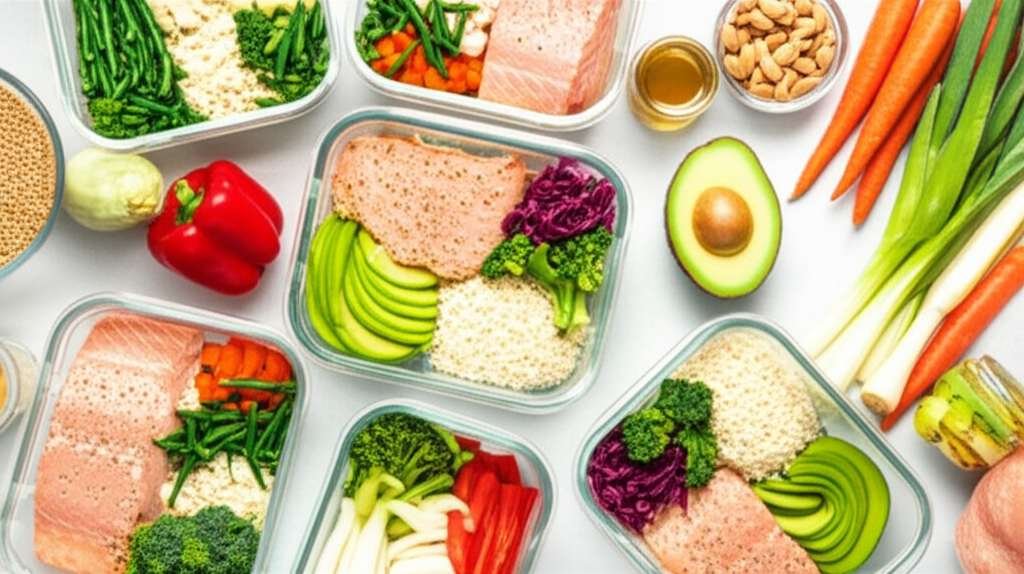
30 Day Anti-Inflammatory Meal Prep: Your Essential Guide for Weight Loss and Better Health.
Feeling overwhelmed by confusing diet advice and struggling to lose weight? This guide simplifies anti-inflammatory eating with easy meal prep steps. You’ll learn to create delicious, healthy meals that support your body and weight loss goals without the fuss. Let’s get started on your journey to feeling great!
—
You’re trying to lose weight, but it feels like a puzzle with missing pieces. You’ve heard about “inflammation” and how it can make shedding pounds harder, but what does that even mean for your plate? It’s totally normal to feel confused. Many healthy foods can actually make things worse if they trigger inflammation in your body. This can slow down your metabolism and make you feel sluggish.
But don’t worry, it’s not as complicated as it sounds! We’re going to break down anti-inflammatory eating into simple, actionable steps. Think of it like learning a new recipe – start with the basics, and soon you’ll be cooking up delicious meals with confidence.
This guide is your friendly roadmap. We’ll cover what inflammation is in simple terms, why it matters for weight loss, and most importantly, how to build a 30-day meal prep plan that works for you. Get ready to discover how easy and tasty healthy eating can be!
—
What is Inflammation and Why Does It Matter for Weight Loss?
Imagine your body is a superhero. When you get a cut, your body sends in an army to heal it. This is a good kind of inflammation – it’s your body’s natural defense system working to fix things.
However, sometimes this “army” stays on duty even when there’s no real threat. This is called chronic inflammation. It’s like having constant little battles happening inside your body. This can happen because of things like stress, lack of sleep, and certain foods.
When your body is always fighting this low-level inflammation, it can mess with how your body uses energy and stores fat. It can also make it harder for your cells to respond to signals that tell you to stop eating when you’re full. This is why managing inflammation is a key part of making weight loss feel easier and more sustainable.
The Link Between Inflammation and Fatty Liver Disease
Inflammation plays a significant role in the development and progression of fatty liver disease, especially non-alcoholic fatty liver disease (NAFLD). When the liver becomes inflamed, it can lead to damage and scarring, impacting its ability to process fats, sugars, and toxins effectively. This impaired function can further contribute to weight gain and make it harder to lose weight, creating a difficult cycle.
Adopting an anti-inflammatory diet can help reduce this liver inflammation, improving liver function and supporting weight loss efforts. Focusing on nutrient-dense foods that are low in processed sugars and unhealthy fats is crucial for both liver health and overall metabolic well-being. For more in-depth information on NAFLD, the National Institute of Diabetes and Digestive and Kidney Diseases (NIDDK) offers excellent resources, including guidance on lifestyle changes: NIDDK on NAFLD.
Your 30-Day Anti-Inflammatory Meal Prep Plan: The Basics
Meal prepping is like getting a head start on your week. Instead of figuring out what to eat every single day, you spend a little time preparing meals and snacks in advance. This makes healthy choices super easy when you’re busy or tired.
For a 30-day plan, we’ll focus on building a collection of go-to recipes and strategies. This isn’t about eating the exact same thing for 30 days! It’s about having a framework and a variety of options that fit the anti-inflammatory principles.
Our goal is to fill your plate with foods that fight inflammation and limit those that can trigger it. This approach helps your body heal, reduces cravings, and makes weight loss feel more natural.
Foods That Fight Inflammation (Your “Yes” List)
These are the superstars of your anti-inflammatory diet. Load up on these!
- Fatty Fish: Salmon, mackerel, sardines, and anchovies are packed with omega-3 fatty acids, which are powerful anti-inflammatories.
- Berries: Blueberries, strawberries, raspberries, and blackberries are loaded with antioxidants called anthocyanins.
- Leafy Greens: Spinach, kale, collard greens, and Swiss chard are rich in vitamins, minerals, and antioxidants.
- Cruciferous Vegetables: Broccoli, cauliflower, Brussels sprouts, and cabbage contain compounds that help reduce inflammation.
- Healthy Fats: Avocados, olive oil (extra virgin), nuts (almonds, walnuts), and seeds (chia seeds, flax seeds, pumpkin seeds) are great sources of monounsaturated fats and omega-3s.
- Turmeric and Ginger: These spices are known for their potent anti-inflammatory properties.
- Tomatoes: Rich in lycopene, an antioxidant with anti-inflammatory effects.
- Green Tea: Contains polyphenols, which are antioxidants that fight inflammation.
- Whole Grains: Oats, quinoa, brown rice, and barley provide fiber, which is important for gut health and reducing inflammation.
- Legumes: Beans, lentils, and chickpeas are full of fiber and antioxidants.
Foods That Can Trigger Inflammation (Your “Limit” List)
These foods can contribute to inflammation and should be eaten in moderation or avoided.
- Processed Foods: Packaged snacks, fast food, and pre-made meals are often high in unhealthy fats, sugar, and salt.
- Sugary Drinks: Soda, fruit juices with added sugar, and sweetened coffees/teas.
- Refined Carbohydrates: White bread, white pasta, pastries, and sugary cereals.
- Unhealthy Fats: Trans fats (often found in fried foods and baked goods) and excessive amounts of saturated fats from fatty meats and full-fat dairy.
- Excessive Alcohol: Can contribute to inflammation and liver damage.
- Processed Meats: Sausages, hot dogs, bacon, and deli meats.
Your 30-Day Anti-Inflammatory Meal Prep Strategy
The best way to succeed for 30 days is to make it manageable. We’ll break this down into weekly themes and practical tips. Think of this as building a toolkit of recipes and ideas you can mix and match.
Week 1: Building the Foundation
Focus on getting familiar with anti-inflammatory foods and simple prep techniques. Your goal this week is to create a few core meals and snacks that you can rely on.
Meal Prep Focus:
- Batch Cook Grains: Cook a big batch of quinoa or brown rice. This will be the base for many meals.
- Roast a Big Tray of Veggies: Broccoli, sweet potatoes, bell peppers, and onions are great options.
- Cook a Lean Protein: Bake chicken breasts, pan-fry salmon, or cook a pot of lentils.
- Wash and Chop Produce: Wash your greens, chop carrots and celery, and portion out berries.
Sample Day (Week 1):
- Breakfast: Overnight oats made with rolled oats, chia seeds, unsweetened almond milk, and topped with berries.
- Lunch: A salad with mixed greens, roasted vegetables, grilled chicken, and a lemon-olive oil dressing.
- Dinner: Baked salmon with roasted sweet potatoes and steamed green beans.
- Snacks: A handful of almonds or a small apple with almond butter.
Week 2: Expanding Your Options
Now that you have a rhythm, let’s add more variety. You’ll start to see how easy it is to swap ingredients and create new meals from your prepared components.
Meal Prep Focus:
- Prepare a Healthy Soup or Stew: A lentil soup or a chicken vegetable soup can be a hearty lunch or dinner.
- Make a Big Salad Base: Chop all your salad veggies and store them separately from your dressing and protein.
- Hard-Boil Eggs: Great for quick snacks or adding to salads.
- Portion Out Smoothie Packs: Bag up fruits, spinach, and seeds for quick morning smoothies.
Sample Day (Week 2):
- Breakfast: Smoothie with spinach, banana, protein powder, and almond milk.
- Lunch: Lentil soup with a side salad.
- Dinner: Quinoa bowls with black beans, corn, salsa, avocado, and leftover roasted chicken.
- Snacks: Hard-boiled eggs or Greek yogurt with berries.
Week 3: Exploring New Flavors
This week, we’ll introduce some new anti-inflammatory spices and recipes. Don’t be afraid to experiment!
Meal Prep Focus:
- Marinate Proteins: Marinate chicken or tofu in turmeric, ginger, and garlic for extra flavor.
- Make a Healthy Dressing: A tahini-based dressing or a ginger-sesame vinaigrette can liven up salads.
- Prepare Anti-Inflammatory Snacks: Energy balls made with dates, nuts, and oats.
- Chop and Store Herbs: Fresh herbs like parsley and cilantro can add a lot of flavor.
Sample Day (Week 3):
- Breakfast: Scrambled eggs with spinach and a side of whole-wheat toast.
- Lunch: Leftover quinoa bowls or a large salad with marinated chicken.
- Dinner: Turkey chili loaded with beans and vegetables, seasoned with turmeric and cumin.
- Snacks: Energy balls or a small bowl of mixed nuts.
Week 4: Sustaining and Adapting
You’re almost there! This week is about solidifying your habits and understanding how to adapt the plan to your preferences and schedule.
Meal Prep Focus:
- Repurpose Leftovers: Turn leftover chili into a topping for baked potatoes or a filling for wraps.
- Create “Grab-and-Go” Lunches: Pack salads, grain bowls, or soup portions for easy lunches.
- Prepare Breakfast for the Week: Muffins, baked oatmeal, or overnight oats can be made ahead.
- Stock Up on Healthy Staples: Ensure you have enough of your favorite anti-inflammatory ingredients for the following weeks.
Sample Day (Week 4):
- Breakfast: Baked oatmeal with apples and cinnamon.
- Lunch: Chili-stuffed baked potato or a large, hearty salad.
- Dinner: Stir-fry with lots of colorful vegetables, lean protein (chicken, tofu, shrimp), and a ginger-soy sauce (use tamari for gluten-free). Serve with brown rice.
- Snacks: A piece of fruit or a small container of cottage cheese with berries.
Essential Tools for Anti-Inflammatory Meal Prep
Having the right tools can make meal prepping so much easier and more enjoyable. You don’t need a fancy kitchen, just a few smart items.
- A Good Set of Food Storage Containers: Invest in BPA-free, airtight containers in various sizes. Glass containers are a great option for reheating.
- Sharp Knives and a Cutting Board: Essential for chopping vegetables and proteins efficiently.
- Baking Sheets: For roasting vegetables and proteins.
- Large Pot or Dutch Oven: Perfect for soups, stews, and cooking grains.
- Slow Cooker or Instant Pot (Optional but helpful): Great for hands-off cooking of larger batches.
- Blender: For smoothies and healthy sauces.
- Measuring Cups and Spoons: For following recipes accurately.
- Sheet Pan: A versatile tool for roasting vegetables and proteins simultaneously.
Sample Anti-Inflammatory Meal Prep Schedule Template
Here’s a template you can use. Remember to fill it with your favorite anti-inflammatory recipes!
| Meal Type | Monday | Tuesday | Wednesday | Thursday | Friday | Saturday | Sunday |
|---|---|---|---|---|---|---|---|
| Breakfast | Overnight Oats with Berries | Smoothie (Spinach, Banana, Protein) | Scrambled Eggs with Veggies | Overnight Oats with Berries | Smoothie (Spinach, Banana, Protein) | Whole Grain Pancakes with Fruit | Scrambled Eggs with Veggies |
| Lunch | Salmon Salad with Quinoa | Lentil Soup with Greens | Chicken & Veggie Stir-fry Bowl | Salmon Salad with Quinoa | Lentil Soup with Greens | Leftovers from Friday Dinner | Large Mixed Greens Salad with Chickpeas |
| Dinner | Baked Chicken Breast with Roasted Broccoli & Sweet Potato | Turkey Chili with Beans | Baked Salmon with Asparagus & Brown Rice | Baked Chicken Breast with Roasted Broccoli & Sweet Potato | Vegetable & Tofu Curry with Quinoa | Leftovers from Friday Dinner | Grilled Fish with a Large Side Salad |
| Snacks | Almonds, Apple Slices | Hard-Boiled Egg, Carrot Sticks | Greek Yogurt with Berries | Almonds, Apple Slices | Hard-Boiled Egg, Carrot Sticks | Trail Mix (Nuts, Seeds, Dried Fruit – no added sugar) | Fruit and a small handful of walnuts |
Tips for Success and Staying Motivated
Starting a new eating pattern can feel like a challenge, but with a few strategies, you can make it stick!
- Start Small: Don’t try to prep every single meal for 7 days right away. Begin with prepping lunches for 3 days, or just breakfast and snacks.
- Find Recipes You Love: Browse anti-inflammatory cookbooks, blogs, or Pinterest for inspiration. The more delicious the food, the more likely you are to stick with it.
- Get Your Kitchen Ready: Make sure you have containers, a clean workspace, and all the ingredients you need before you start.
- Schedule Your Prep Time: Treat it like an important appointment. Sunday afternoons or Monday evenings often work well for many people.
- Don’t Aim for Perfection: If you miss a day or eat something off-plan, it’s okay! Just get back on track with your next meal. Progress, not perfection, is the goal.
- Listen to Your Body: Pay attention to how different foods make you feel. Some foods might affect you differently than others.
- Stay Hydrated: Drink plenty of water throughout the day. Sometimes thirst can be mistaken for hunger.
- Get Enough Sleep: Sleep is crucial for hormone balance and can significantly impact your cravings and energy levels.
- Move Your Body: Regular physical activity complements a healthy diet and aids in weight loss and inflammation reduction.
Common Questions About Anti-Inflammatory Meal Prep
What are the main benefits of an anti-inflammatory diet for weight loss?
An anti-inflammatory diet can help reduce chronic inflammation in your body. This can improve your metabolism, reduce cravings for unhealthy foods, boost energy levels, and make it easier for your body to shed excess weight. It supports overall health, making weight loss a more sustainable process.
How much time should I dedicate to meal prepping each week?
For beginners, starting with 2-3 hours on a weekend day is a great goal. This might involve chopping vegetables, cooking grains and proteins, and assembling a few meals or snacks. As you get more comfortable, you can adjust the time based on your needs.
Can I eat out or have treats while following this plan?
Absolutely! The goal is balance, not deprivation. Focus on making anti-inflammatory choices most of the time. When you dine out or have a treat, try to make the best choices available, like opting for grilled over fried or choosing a salad with a light dressing. Enjoying occasional treats in moderation is part of a sustainable healthy lifestyle.
What if I have dietary restrictions or allergies?
This plan is highly adaptable. For example, if you’re gluten-free, choose gluten-free grains like quinoa and brown rice. If you’re vegetarian or vegan, focus on plant-based proteins like beans, lentils, tofu, and tempeh. Always read ingredient labels carefully and substitute ingredients as needed.
How do I know if I’m actually reducing inflammation?
You might notice improvements in how you feel. This can include more energy, better sleep, reduced joint pain or stiffness, clearer skin, and improved digestion. While these are good indicators, for specific health concerns like fatty liver disease, it’s always best to consult with your doctor for medical advice and monitoring.
Is this meal prep plan affordable?
Yes, it can be! Focusing on whole foods like beans, lentils, seasonal vegetables, and grains is often more budget-friendly than buying pre-packaged meals or processed foods. Buying in bulk for staples like rice, oats, and frozen vegetables can also save money. Planning ahead helps reduce food waste.
What are some easy anti-inflammatory snacks I can prep?
Great options include: a handful of almonds or walnuts, an apple with almond butter, berries, hard-boiled eggs, Greek yogurt with berries, carrot sticks with hummus, or pre-portioned servings of trail mix (check for no added sugar).
Conclusion
Embarking on a 30-day anti-inflammatory meal prep journey is a powerful step towards better health and weight management. You’ve learned that inflammation doesn’t have to be a roadblock to your goals. By focusing on nutrient-rich foods that heal and nourish your body, and by implementing simple meal prep strategies, you’re setting yourself up for success.
Remember, this is a marathon, not a sprint. Each healthy meal you prepare, each time you choose whole foods, you’re making a positive investment in your well-being. Don’t be discouraged by minor slip-ups; they are part of the learning process. Celebrate your progress, listen to your body, and enjoy the delicious and energizing benefits of anti-inflammatory eating.
You’ve got this! With your new toolkit of recipes, prep strategies, and a supportive mindset, you’re well on your way to feeling lighter, more energetic, and in control of your health journey. Keep prepping, keep nourishing, and enjoy the positive changes ahead.
As an Amazon Associate, We earn from qualifying purchases. When you purchase a product through Amazon links on pulsefitguide.com, we may earn a small commission at no extra cost to you. This helps support the site and keep our content free.