
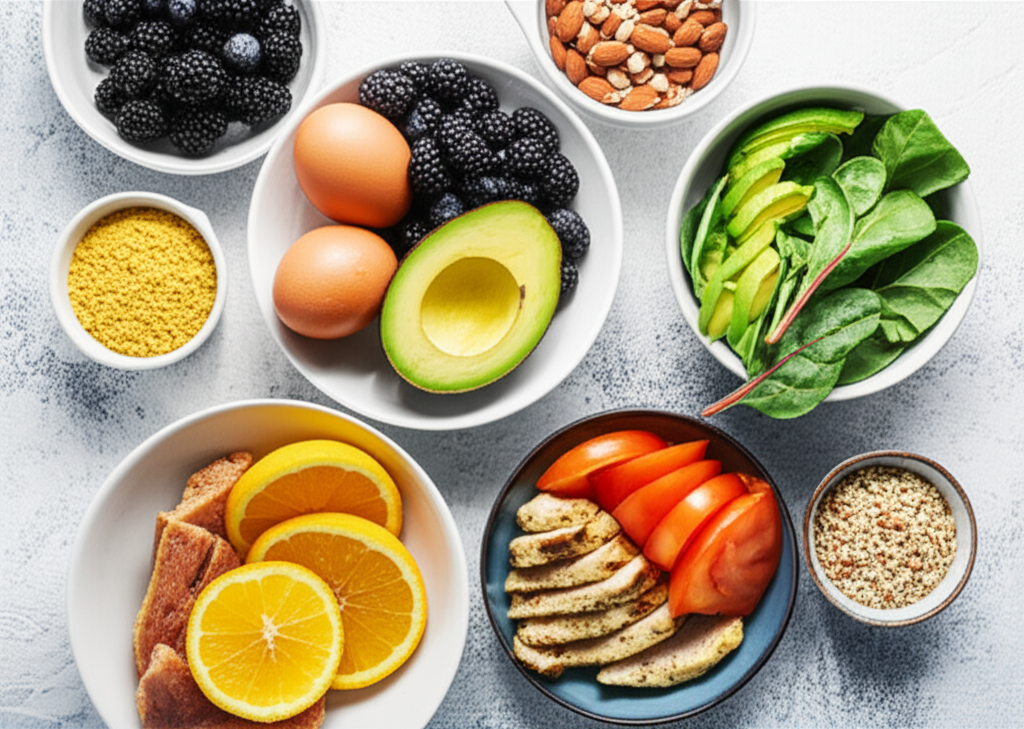
The 3 Hour Diet can help you lose weight by creating a consistent eating schedule that boosts your metabolism and controls hunger. It’s a beginner-friendly approach focusing on balanced meals every three hours to manage your energy and support fat burning.
Feeling stuck with weight loss? You’re not alone! Many of us find it confusing and frustrating to figure out the best way to shed those extra pounds. It often feels like there are too many rules and complicated plans. But what if there was a simpler, more manageable way?
The 3 Hour Diet is designed to be easy to follow, even if you’re completely new to dieting. It’s all about consistency and timing, which can make a big difference. We’ll break down exactly how it works, what you can eat, and how it can become your new favorite weight loss tool. Get ready to discover a plan that feels less like a chore and more like a lifestyle change!
What is the 3 Hour Diet?
The 3 Hour Diet, also known as the “Metabolic Diet” or “Eat Every 3 Hours” plan, is a weight loss strategy focused on eating small, balanced meals at regular intervals throughout the day. The core idea is that by eating every three hours, you keep your metabolism fired up and prevent your body from going into “starvation mode,” which can slow down fat burning and increase cravings.
This approach aims to provide a steady stream of nutrients, which can help stabilize blood sugar levels. Stable blood sugar is key to managing hunger and energy throughout the day. When your blood sugar is stable, you’re less likely to experience energy crashes that lead to reaching for unhealthy snacks. It’s a science-backed concept that many find easier to stick to than restrictive diets.
The diet encourages you to consume lean protein, healthy fats, and complex carbohydrates at each meal. The timing is crucial – the goal is to eat six times a day, with each meal or snack spaced three hours apart. This consistent eating pattern is designed to optimize your body’s natural fat-burning processes and improve overall energy levels.
How Does Eating Every 3 Hours Help with Weight Loss?
The principle behind eating every three hours is to maintain a consistent metabolic rate. When you eat, your body burns calories to digest the food (this is called the thermic effect of food). By eating frequently, you’re essentially giving your metabolism a mini-boost multiple times a day.
This constant fueling also helps to prevent extreme hunger. When you go too long without eating, your hunger hormones can spike, leading to overeating and poor food choices. Regular meals keep these hormones in check, making it easier to manage your appetite and stick to your calorie goals. It’s like keeping a small, steady fire burning rather than letting it die out and trying to restart it.
Furthermore, stable blood sugar levels can prevent the dreaded afternoon slump and reduce cravings for sugary or high-fat foods. When your body has a consistent supply of glucose, it doesn’t desperately seek quick energy fixes. This can lead to making healthier food choices more naturally throughout the day.
The Science Behind the 3 Hour Diet

The 3 Hour Diet is rooted in the concept of thermogenesis and metabolic rate. Your metabolism is the process your body uses to convert food and drinks into energy. The thermic effect of food (TEF) accounts for a portion of your daily energy expenditure, meaning your body burns calories just to digest, absorb, and process the nutrients from the food you eat.
Studies have shown that frequent meals can increase the thermic effect of food compared to fewer, larger meals. While the total calorie expenditure from TEF might be similar, the constant stimulation from regular meals can help keep your metabolism elevated throughout the day. For example, research published in the Journal of Nutrition has explored the impact of meal frequency on energy expenditure.
Another key aspect is blood sugar regulation. Eating balanced meals at regular intervals helps prevent drastic spikes and drops in blood glucose. When blood sugar drops too low, your body releases cortisol, a stress hormone that can signal your body to store fat, especially around the midsection. It also increases ghrelin, the hunger hormone, leading to intense cravings. By stabilizing blood sugar, the 3 Hour Diet helps mitigate these effects.
Metabolic Rate and Meal Frequency
The idea that eating more frequently speeds up your metabolism is a central tenet of this diet. While the overall impact on calorie expenditure might be debated among experts, many individuals find that this eating pattern helps them feel more satisfied and in control of their hunger. It’s about creating a consistent energy supply, which can prevent the metabolic slowdown that sometimes occurs when you skip meals or eat very infrequently.
The American Council on Exercise (ACE) notes that while the exact impact of meal frequency on metabolism is complex, individual responses can vary. Some people naturally thrive on this schedule, finding it easier to manage hunger and energy levels. The key is finding a pattern that works for your body and lifestyle.
Blood Sugar Stability
Maintaining stable blood sugar levels is vital for weight management and overall health. When you eat balanced meals containing protein, fiber, and healthy fats, your body digests them more slowly, leading to a gradual release of glucose into your bloodstream. This prevents the sharp spikes and subsequent crashes that can leave you feeling tired and hungry.
For individuals with or at risk of type 2 diabetes, managing blood sugar is paramount. The 3 Hour Diet can be beneficial for them by promoting consistent nutrient intake. However, it’s always recommended to consult a healthcare professional before making significant dietary changes, especially if you have pre-existing health conditions. You can find more information on blood sugar management from reputable sources like the National Institute of Diabetes and Digestive and Kidney Diseases (NIDDK).
How to Implement the 3 Hour Diet Plan
Getting started with the 3 Hour Diet is straightforward. The main principle is to eat a nutritious meal or snack every three hours. This typically means you’ll be eating 5-6 times a day. The goal is to plan these meals so they are balanced and provide sustained energy.
First, identify your waking hours. If you wake up at 7 AM and go to bed at 10 PM, that’s 15 hours. Dividing this by three hours gives you five eating opportunities. You might have breakfast, a mid-morning snack, lunch, an afternoon snack, and dinner. Some people might even add a small evening snack if they feel hungry closer to bedtime, ensuring it’s light and easily digestible.
The focus should always be on whole, unprocessed foods. This means lean proteins, plenty of vegetables, fruits, and healthy fats. It’s not about eating more food overall, but rather distributing your calorie intake more evenly throughout the day.
Step-by-Step Guide to Starting
1. Determine Your Eating Window: Figure out when you typically wake up and go to bed. This will help you map out your eating times. For example, if you wake at 6 AM and sleep at 10 PM, your meals would be around:
6:00 AM (Breakfast)
9:00 AM (Snack)
12:00 PM (Lunch)
3:00 PM (Snack)
6:00 PM (Dinner)
9:00 PM (Optional light snack)
2. Plan Your Meals: Focus on creating balanced meals that include protein, healthy fats, and complex carbohydrates. Aim for meals that are roughly equal in calories, or slightly larger for your main meals like lunch and dinner. Snacks should be smaller, about 100-150 calories.
3. Focus on Nutrient-Dense Foods: Choose foods that are packed with vitamins, minerals, and fiber. This will help you feel full and satisfied. Examples include lean meats, fish, eggs, Greek yogurt, fruits, vegetables, nuts, seeds, and whole grains.
4. Stay Hydrated: Drink plenty of water throughout the day. Water is crucial for metabolism and can also help manage hunger. Aim for at least 8 glasses (64 ounces) of water daily.
5. Listen to Your Body: While the three-hour rule is a guideline, it’s important to pay attention to your hunger cues. If you’re genuinely not hungry at a specific mealtime, don’t force yourself to eat. Conversely, if you’re starving an hour before your scheduled meal, it might indicate your meals aren’t filling enough.
6. Prepare in Advance: Meal prepping can be a lifesaver. Spend some time on the weekend preparing snacks and meals for the week. This will make it much easier to stick to your schedule when you’re busy.
Sample Meal Plan for a Day
This is just an example, and you can adjust it based on your preferences and dietary needs. The key is to keep the meals balanced and the timing consistent.
| Time | Meal Type | Food Ideas | Approximate Calories |
|---|---|---|---|
| 7:00 AM | Breakfast | Oatmeal with berries and a sprinkle of almonds; or Scrambled eggs with spinach and whole-wheat toast | 300-400 |
| 10:00 AM | Snack 1 | Greek yogurt with a small piece of fruit; or A handful of mixed nuts | 100-150 |
| 1:00 PM | Lunch | Grilled chicken salad with mixed greens, vegetables, and a light vinaigrette; or Lentil soup with a side of whole-grain crackers | 350-450 |
| 4:00 PM | Snack 2 | Apple slices with almond butter; or Hard-boiled eggs | 100-150 |
| 7:00 PM | Dinner | Baked salmon with roasted broccoli and quinoa; or Lean ground turkey stir-fry with brown rice and plenty of vegetables | 400-500 |
| 10:00 PM (Optional) | Light Snack | A small glass of milk; or A few slices of cucumber | 50-75 |
What to Eat on the 3 Hour Diet
The success of the 3 Hour Diet relies heavily on the quality of the food you choose. The emphasis is on whole, unprocessed foods that provide sustained energy and essential nutrients. Think of it as fueling your body efficiently.
Your meals should ideally contain a good balance of macronutrients: lean protein, healthy fats, and complex carbohydrates. This combination helps with satiety, blood sugar control, and nutrient absorption. Snacks should be smaller but still offer some nutritional value.
Recommended Food Groups
Lean Proteins: Essential for muscle repair and satiety.
Chicken breast, turkey, lean beef, fish (salmon, tuna, cod), eggs, tofu, tempeh, legumes (beans, lentils).
Healthy Fats: Important for hormone production, nutrient absorption, and feeling full.
Avocado, nuts (almonds, walnuts, cashews), seeds (chia, flax, sunflower), olive oil, fatty fish.
Complex Carbohydrates: Provide sustained energy and fiber.
Whole grains (oats, quinoa, brown rice, whole-wheat bread/pasta), starchy vegetables (sweet potatoes, yams), fruits, vegetables.
Fruits and Vegetables: Packed with vitamins, minerals, fiber, and antioxidants.
Berries, apples, bananas, oranges, leafy greens, broccoli, carrots, bell peppers, tomatoes.
Foods to Limit or Avoid
To maximize the benefits of the 3 Hour Diet, it’s best to limit or avoid foods that can disrupt blood sugar, provide empty calories, or contribute to weight gain.
Sugary Drinks: Sodas, sweetened juices, energy drinks. These cause rapid blood sugar spikes and offer no nutritional value.
Refined Carbohydrates: White bread, white pasta, pastries, cookies, cakes. These are low in fiber and can lead to energy crashes.
Processed Snacks: Chips, crackers, candy bars. Often high in unhealthy fats, sugar, and sodium.
Fried Foods: High in unhealthy fats and calories, contributing to digestive issues.
Excessive Saturated and Trans Fats: Found in fatty meats, butter, processed baked goods.
Pros and Cons of the 3 Hour Diet
Like any eating plan, the 3 Hour Diet has its advantages and disadvantages. Understanding these can help you decide if it’s the right approach for you.
Pros
Consistent Energy Levels: Regular meals can prevent energy dips and keep you feeling more alert throughout the day.
Hunger Management: Eating frequently can curb intense hunger, making it easier to avoid overeating or making unhealthy snack choices.
Potential Metabolism Boost: The frequent intake of food can keep your metabolism slightly more active.
Simplicity: The core concept is easy to grasp and implement, making it beginner-friendly.
Nutrient Distribution: Encourages regular intake of protein, fiber, and healthy fats, which are crucial for health and satiety.
Cons
Inconvenience: Requires planning and preparing multiple meals and snacks throughout the day, which can be challenging for busy schedules.
Potential for Overeating: If portion sizes aren’t managed carefully, eating more frequently could lead to consuming too many calories.
Social Challenges: Eating every three hours can be difficult to manage when dining out or attending social events.
Not Suitable for Everyone: Individuals with certain medical conditions, like gastroparesis or specific digestive issues, might find this pattern difficult.
* Focus on Timing Over Quantity: While frequency is key, the total calorie intake still matters most for weight loss. If not mindful of portions, weight loss might not occur.
Tips for Success on the 3 Hour Diet
Making any new diet work requires a bit of strategy and commitment. Here are some tips to help you succeed with the 3 Hour Diet and make it a sustainable part of your lifestyle.
Meal Prepping is Key
The biggest hurdle for many people is finding the time to prepare meals and snacks every few hours. Dedicate a few hours on the weekend to cook larger batches of lean protein, chop vegetables, and portion out nuts or yogurt. This will save you time and prevent you from grabbing unhealthy convenience foods when hunger strikes.
Hydration is Crucial
Drinking plenty of water is always important for health and weight loss. It can help you feel fuller, aid digestion, and support your metabolism. Carry a water bottle with you and sip throughout the day. Sometimes, thirst can be mistaken for hunger, so drinking water first might curb a false craving.
Listen to Your Body’s Cues
While the three-hour interval is a guideline, it’s not a strict rule that must be followed to the minute. Pay attention to your hunger and fullness signals. If you’re not hungry at a scheduled snack time, it’s okay to skip it or have a smaller portion. If you’re consistently ravenous an hour before your next meal, your meals might not be substantial enough.
Focus on Whole Foods
The quality of your food matters more than just the timing. Prioritize lean proteins, healthy fats, fiber-rich vegetables, and fruits. These foods will keep you feeling satisfied for longer and provide essential nutrients. Avoid processed foods, sugary snacks, and refined carbohydrates, as they can lead to energy crashes and cravings.
Be Flexible
Life happens! There will be days when sticking to the perfect three-hour schedule is impossible. Don’t let one off-plan meal or missed snack derail your entire effort. Just get back on track with your next scheduled meal. Consistency over perfection is the goal.
Combine with Exercise
While diet is a major component of weight loss, incorporating regular physical activity can significantly enhance your results. Exercise helps burn additional calories, builds muscle (which boosts your resting metabolism), and improves overall health. Aim for a mix of cardio and strength training activities. The U.S. Department of Health and Human Services provides excellent guidelines on physical activity recommendations.
Frequently Asked Questions About the 3 Hour Diet
Q1: Do I have to eat exactly every three hours?
A1: The three-hour interval is a guideline to maintain consistent energy and metabolism. However, it’s important to listen to your body. If you’re not hungry at a specific time, it’s okay to adjust slightly. The goal is consistency, not rigid adherence.
Q2: Can I lose weight if I eat larger meals fewer times a day?
A2: Weight loss primarily depends on consuming fewer calories than you burn. While the 3 Hour Diet focuses on frequency, you can still lose weight with other meal patterns if you maintain a calorie deficit. The 3 Hour Diet aims to make this deficit easier to achieve by managing hunger and cravings.
Q3: What if I’m not hungry for breakfast?
A3: If you’re not a morning eater, try a very small, light option like a piece of fruit or a small yogurt. The key is to start fueling your body within a reasonable time after waking. You can gradually increase your breakfast size as your body adjusts.
Q4: Is this diet suitable for vegetarians or vegans?
A4: Yes, the 3 Hour Diet can be adapted for vegetarian and vegan diets. Focus on plant-based protein sources like tofu, tempeh, lentils, beans, nuts, and seeds, along with plenty of fruits, vegetables, and whole grains.
Q5: How much water should I drink?
A5: Aim for at least 8 glasses (64 ounces) of water per day. Staying hydrated is crucial for metabolism, digestion, and can help manage hunger. You might need more if you exercise or live in a hot climate.
Q6: Can I have coffee or tea?
A6: Yes, unsweetened coffee and tea are generally fine. They can even help boost metabolism slightly. However, be mindful of adding sugar, cream, or high-calorie sweeteners, which can negate the benefits.
Q7: What if I feel hungry between my scheduled snacks?
A7: If you’re consistently hungry, your meals or snacks might not be substantial enough, or your portions are too small. Ensure your meals include protein, fiber, and healthy fats. If you need something, opt for a small, healthy snack like raw vegetables or a few nuts.
Conclusion
The 3 Hour Diet offers a structured yet flexible approach to weight loss that
As an Amazon Associate, We earn from qualifying purchases. When you purchase a product through Amazon links on pulsefitguide.com, we may earn a small commission at no extra cost to you. This helps support the site and keep our content free.