
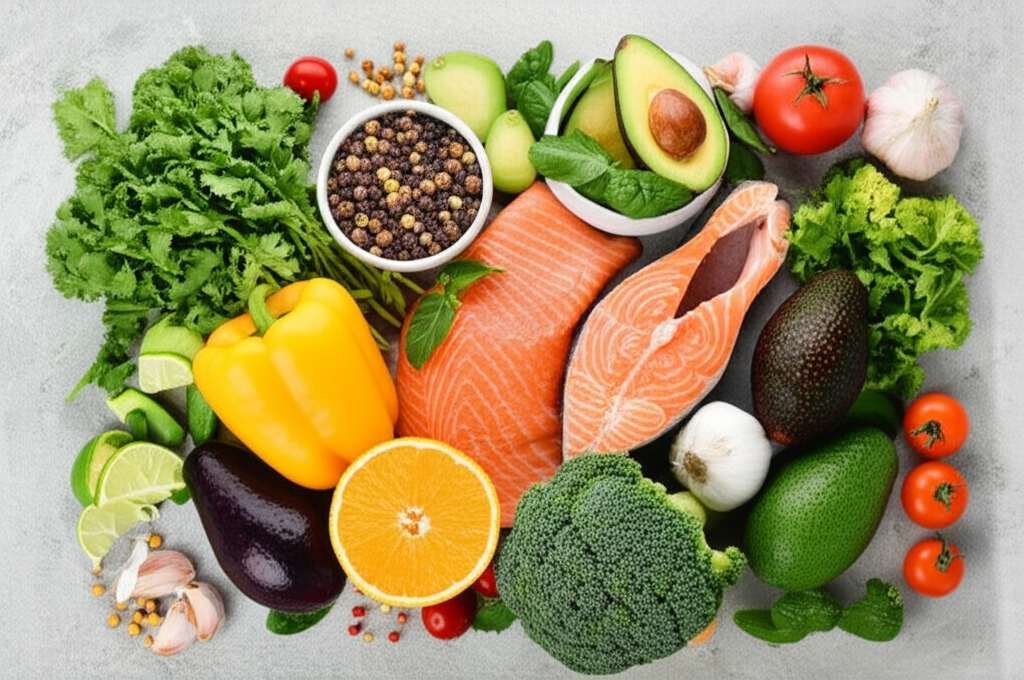
28 Day Meal Plan for Weight Loss: Essential Guide
Ready to kickstart your weight loss journey? This 28-day meal plan is designed to be simple, affordable, and effective. It focuses on whole foods and balanced nutrition to help you lose weight sustainably. Get ready to feel energized and confident!
Starting a weight loss plan can feel overwhelming. You might wonder where to begin or if it’s even possible for you. Many people struggle with confusing advice and diets that are too hard to follow. It’s okay to feel that way!
This guide is here to make things clear and simple. We’ll walk through a 28-day plan step-by-step. It’s designed for beginners, using everyday foods you can easily find and prepare. You don’t need fancy equipment or expensive ingredients.
We’ll focus on building healthy habits that last. Think of this as your friendly coach helping you succeed. Get ready to discover how enjoyable and achievable weight loss can be.
Let’s dive into how this 28-day meal plan can transform your approach to weight loss and set you up for lasting success!
Why a 28-Day Meal Plan Works for Beginners
A 28-day meal plan offers a structured yet flexible approach to weight loss. It helps you build consistency, which is key to seeing results. By planning your meals ahead, you reduce the chances of making impulsive, unhealthy food choices.
This structured approach removes guesswork. You know what to eat and when, making your weight loss journey smoother. It also allows you to experiment with new healthy recipes and discover what you enjoy.
For beginners, a 28-day timeframe is long enough to see progress but short enough to stay motivated. It’s a great way to establish new eating habits without feeling deprived. This plan is about nourishment and sustainable changes, not quick fixes.
The Science Behind Weight Loss: Keep It Simple

Weight loss boils down to a simple principle: energy balance. You lose weight when you consistently burn more calories than you consume. This is often referred to as being in a calorie deficit. But it’s not just about eating less; it’s about eating smarter.
Focusing on nutrient-dense foods helps you feel full and satisfied with fewer calories. These foods, like vegetables, fruits, lean proteins, and whole grains, provide essential vitamins and minerals. They also contain fiber, which aids digestion and keeps you feeling full longer. Learn more about the importance of nutrition from the National Institute of Diabetes and Digestive and Kidney Diseases (NIDDK).
Hydration is also crucial. Drinking plenty of water can help boost your metabolism and suppress your appetite. Aim for at least 8 glasses of water a day. Sometimes, thirst can be mistaken for hunger, so staying hydrated is a simple yet effective strategy.
Key Principles of This 28-Day Weight Loss Meal Plan
This meal plan is built on a few core principles to ensure it’s effective and sustainable for beginners.
- Whole Foods Focus: We prioritize unprocessed or minimally processed foods. Think fresh fruits, vegetables, lean meats, fish, eggs, legumes, nuts, and seeds.
- Balanced Macronutrients: Each meal aims to include a good balance of protein, healthy fats, and complex carbohydrates. This helps keep you full and provides sustained energy.
- Portion Control: We emphasize mindful eating and appropriate portion sizes. This doesn’t mean starvation, but rather being aware of how much you’re eating.
- Hydration: Water is your best friend! It’s essential for metabolism and can help manage hunger.
- Flexibility: While this is a plan, it’s not rigid. You can swap meals or ingredients based on your preferences and what’s available.
Getting Started: Prep and Planning
Success with any meal plan starts with preparation. Taking a little time at the beginning of each week can save you a lot of stress and unhealthy choices later on.
1. Stock Your Kitchen
Before you begin week one, take a trip to the grocery store. Fill your pantry and fridge with the essentials. This includes a variety of colorful vegetables, fruits, lean protein sources, and healthy fats.
Having these items on hand makes it easy to grab healthy options when you need them. It also helps you stick to the plan when cravings strike.
2. Meal Prep Basics
Dedicate a couple of hours each week to meal prep. This could be on a Sunday afternoon or a day that works best for you.
- Chop Veggies: Wash and chop vegetables like onions, peppers, carrots, and broccoli. Store them in airtight containers in the fridge.
- Cook Grains: Prepare a batch of quinoa, brown rice, or oats.
- Pre-cook Proteins: Grill or bake chicken breasts, cook some lean ground turkey, or hard-boil eggs.
- Portion Snacks: Divide nuts, seeds, or yogurt into grab-and-go portions.
Meal prepping means healthy meals are ready when you are, making it much easier to avoid takeout or unhealthy snacks.
3. Essential Tools
You don’t need a professional kitchen, but a few basic tools can make prep easier:
- A good set of sharp knives for chopping.
- A few sturdy, airtight food storage containers.
- Measuring cups and spoons for accurate portioning.
- A reusable water bottle to stay hydrated throughout the day.
Your 28-Day Weight Loss Meal Plan: Week by Week
This plan provides a framework. Feel free to adjust portion sizes based on your hunger and energy levels, and swap meals between days if needed. The goal is consistent, healthy eating.
Week 1: Building the Foundation
This week focuses on introducing balanced meals and establishing healthy eating habits. We’ll keep it simple and satisfying.
| Day | Breakfast | Lunch | Dinner | Snacks (Choose 1-2) |
|---|---|---|---|---|
| Monday | Oatmeal with berries and a sprinkle of nuts | Large salad with grilled chicken breast, mixed greens, cucumber, tomatoes, and a light vinaigrette | Baked salmon with roasted broccoli and quinoa | Apple slices with almond butter, Greek yogurt |
| Tuesday | Scrambled eggs with spinach and whole-wheat toast | Lentil soup with a side of whole-grain crackers | Lean ground turkey stir-fry with mixed vegetables (peppers, onions, snap peas) and brown rice | Handful of almonds, Hard-boiled egg |
| Wednesday | Greek yogurt with sliced banana and chia seeds | Tuna salad (made with Greek yogurt instead of mayo) on lettuce wraps with a side of carrot sticks | Chicken breast with steamed asparagus and sweet potato | Pear, Cottage cheese |
| Thursday | Smoothie: Spinach, banana, protein powder, almond milk | Leftover turkey stir-fry | Vegetable and bean chili with a small dollop of Greek yogurt | Orange, Small handful of walnuts |
| Friday | Oatmeal with sliced peaches and flaxseeds | Quinoa salad with black beans, corn, bell peppers, and lime dressing | Lean beef or lentil shepherd’s pie with a sweet potato topping | Berries, Rice cakes with avocado |
| Saturday | Whole-wheat pancakes (use a healthy recipe) with berries | Leftover shepherd’s pie | Grilled chicken skewers with mixed vegetable skewers (zucchini, cherry tomatoes, bell peppers) and a side salad | Greek yogurt, Celery sticks with hummus |
| Sunday | Scrambled tofu with turmeric and mixed vegetables | Large salad with chickpeas, cucumber, tomatoes, and a lemon-tahini dressing | Roasted chicken with root vegetables (carrots, parsnips, potatoes) | Apple, Handful of mixed nuts |
Week 2: Increasing Variety and Flavor
This week, we’ll introduce more diverse flavors and textures to keep things interesting. Continue with your meal prep routine.
| Day | Breakfast | Lunch | Dinner | Snacks (Choose 1-2) |
|---|---|---|---|---|
| Monday | Overnight oats with apple chunks and cinnamon | Salmon salad with mixed greens and a light dressing | Lentil shepherd’s pie (prepare a batch) | Hard-boiled egg, Peach |
| Tuesday | Poached eggs with avocado on whole-wheat toast | Leftover lentil shepherd’s pie | Chicken and vegetable skewers with a side of brown rice | Greek yogurt, Handful of almonds |
| Wednesday | Smoothie: Kale, pineapple, ginger, protein powder, water | Chickpea salad sandwich on whole-grain bread | Baked cod with lemon and herbs, served with roasted Brussels sprouts and sweet potato mash | Pear, Cottage cheese |
| Thursday | Greek yogurt with granola (low sugar) and mixed berries | Leftover cod with Brussels sprouts and sweet potato | Turkey meatballs (lean turkey) in a light tomato sauce with zucchini noodles | Apple slices with peanut butter, Small handful of walnuts |
| Friday | Oatmeal with sliced pear and walnuts | Large salad with grilled shrimp, mixed greens, avocado, and a citrus vinaigrette | Vegetarian chili with kidney beans, black beans, and corn | Orange, Rice cakes with avocado |
| Saturday | Whole-wheat waffles with sliced strawberries | Leftover vegetarian chili | Lean steak (sirloin or flank) with a large mixed green salad and baked potato | Greek yogurt, Carrot sticks with hummus |
| Sunday | Scrambled eggs with mushrooms and a side of salsa | Tuna salad lettuce wraps with cucumber slices | Roasted chicken breast with steamed green beans and quinoa | Berries, Handful of mixed nuts |
Week 3: Incorporating More Plant-Based Meals
This week focuses on boosting your intake of plant-based proteins and fiber. These are excellent for satiety and overall health.
| Day | Breakfast | Lunch | Dinner | Snacks (Choose 1-2) |
|---|---|---|---|---|
| Monday | Overnight oats with chia seeds and berries | Black bean soup with a side of whole-grain bread | Tofu scramble with bell peppers and onions, served with a side of avocado | Apple, Handful of almonds |
| Tuesday | Smoothie: Spinach, mango, protein powder, coconut water | Leftover tofu scramble | Lentil curry with brown rice and steamed spinach | Hard-boiled egg, Pear |
| Wednesday | Greek yogurt with sliced peaches and hemp seeds | Quinoa salad with roasted vegetables (zucchini, eggplant, bell peppers) and a lemon dressing | Baked falafel with a large Greek salad (cucumber, tomatoes, olives, feta) and a tahini dressing | Greek yogurt, Small handful of walnuts |
| Thursday | Oatmeal with sliced banana and a drizzle of honey | Leftover falafel salad | Veggie burgers (homemade or store-bought low-sodium) on whole-wheat buns with a large side salad | Orange, Cottage cheese |
| Friday | Scrambled eggs with cherry tomatoes and whole-wheat toast | White bean and vegetable soup | Salmon with a side of roasted asparagus and a small baked potato | Berries, Rice cakes with almond butter |
| Saturday | Whole-wheat pancakes with blueberries | Leftover white bean soup | Chicken stir-fry with broccoli, carrots, and snow peas, served with quinoa | Celery sticks with hummus, Handful of mixed nuts |
| Sunday | Smoothie: Kale, berries, protein powder, almond milk | Large salad with grilled chicken or chickpeas, mixed greens, and a light vinaigrette | Lean beef or turkey roast with roasted root vegetables | Apple, Greek yogurt |
Week 4: Sustaining Habits and Flexibility
This final week is about reinforcing the habits you’ve built. You should feel more comfortable making healthy choices. This week also emphasizes using up any prepped ingredients and focusing on flexibility.
| Day | Breakfast | Lunch | Dinner | Snacks (Choose 1-2) |
|---|---|---|---|---|
| Monday | Overnight oats with chopped apple and cinnamon | Leftover roast chicken salad | Lentil soup with whole-grain crackers | Hard-boiled egg, Peach |
| Tuesday | Poached eggs with spinach on whole-wheat toast | Leftover lentil soup | Baked cod with lemon and dill, served with steamed broccoli and a side of quinoa | Greek yogurt, Handful of almonds |
| Wednesday | Smoothie: Spinach, banana, protein powder, almond milk | Tuna salad (Greek yogurt based) on lettuce wraps | Turkey meatballs in light tomato sauce with zucchini noodles | Pear, Cottage cheese |
| Thursday | Greek yogurt with berries and chia seeds | Leftover turkey meatballs with zucchini noodles | Chicken and vegetable skewers with a side salad | Apple slices with peanut butter, Small handful of walnuts |
| Friday | Oatmeal with sliced peaches and flaxseeds | Large salad with chickpeas, cucumber, tomatoes, and a lemon-tahini dressing | Vegetable and bean chili | Orange, Rice cakes with avocado |
| Saturday | Whole-wheat pancakes with mixed berries | Leftover vegetable chili | Grilled lean steak with a large mixed green salad | Greek yogurt, Carrot sticks with hummus |
| Sunday | Scrambled eggs with mushrooms and salsa | Leftover steak salad | Roasted chicken breast with roasted sweet potatoes and green beans | Berries, Handful of mixed nuts |
Tips for Success Beyond the Meal Plan
A meal plan is a fantastic tool, but it’s part of a bigger picture for healthy weight loss. Here are some extra tips to help you thrive.
1. Stay Hydrated
Water is essential for numerous bodily functions, including metabolism. Drinking enough water can also help you feel fuller, potentially reducing overall calorie intake. Aim for at least 8 glasses (64 ounces) of water per day. You can also include herbal teas and infused water.
2. Get Moving
While diet is paramount for weight loss, exercise plays a vital role in overall health and can aid in calorie burning. Aim for a mix of cardiovascular exercise (like brisk walking, jogging, or cycling) and strength training. Even 30 minutes of moderate activity most days of the week can make a difference. The Centers for Disease Control and Prevention (CDC) offers great guidance on physical activity for adults.
3. Prioritize Sleep
Lack of sleep can disrupt hormones that regulate appetite, leading to increased hunger and cravings for unhealthy foods. Aim for 7-9 hours of quality sleep per night. Establishing a regular sleep schedule can significantly help.
4. Manage Stress
Stress can also lead to hormonal imbalances and emotional eating. Find healthy ways to manage stress, such as meditation, yoga, deep breathing exercises, spending time in nature, or engaging in hobbies you enjoy.
5. Practice Mindful Eating
Pay attention to your body’s hunger and fullness cues. Eat slowly, savor your food, and avoid distractions like screens while eating. This helps you recognize when you’re truly satisfied, preventing overeating.
FAQs About Your 28-Day Weight Loss Meal Plan
Q1: Can I swap meals between days or weeks?
Absolutely! This plan is a guide. Feel free to swap meals to suit your preferences, schedule, or what ingredients you have on hand. The key is to maintain the balance of healthy foods.
Q2: What if I’m still hungry between meals?
That’s where your healthy snacks come in! If you’re genuinely hungry, choose from the suggested snack list, focusing on protein and fiber to keep you full. Drinking water is also a great first step when you feel a pang of hunger.
Q3: Do I have to be strict with portion sizes?
It’s important to be mindful of portion sizes, especially when starting. Using measuring cups or simply observing standard serving sizes can help. As you become more in tune with your body, you’ll better understand your hunger and fullness cues.
Q4: What if I don’t like a certain food in the plan?
No problem! This plan is designed to be flexible. If you dislike salmon, for example, swap it for another lean protein like chicken or cod. If you’re not a fan of broccoli, choose another green vegetable like green beans or asparagus.
Q5: Can I drink coffee or tea?
Yes! Black coffee and unsweetened tea are generally fine and can even be beneficial. Try to avoid adding sugar, cream, or high-calorie syrups, which can add extra calories without much nutritional value.
Q6: How much weight can I expect to lose?
Weight loss varies from person to person based on factors like starting weight, metabolism, activity level, and adherence to the plan. A healthy and sustainable rate of weight loss is typically 1-2 pounds per week. This plan is designed to support that.
Q7: What happens after the 28 days?
The goal is to build sustainable habits. After 28 days, you can repeat the plan, continue with the principles of healthy eating, or adjust it based on your progress and new preferences. Focus on maintaining the healthy lifestyle you’ve cultivated.
Conclusion: Your Journey to a Healthier You
Embarking on a 28-day meal plan for weight loss is a fantastic step toward a healthier lifestyle. You’ve learned about the basics of weight loss, the importance of whole foods, and how to prepare and follow a structured yet flexible plan.
Remember, this is your journey. Be patient with yourself, celebrate your successes, and don’t get discouraged by minor setbacks. Consistency and a positive mindset are your most powerful tools.
By focusing on balanced nutrition, staying hydrated, moving your body, and prioritizing sleep, you’re building habits that will serve you well beyond these 28 days. You have the knowledge and the tools to make lasting changes.
Keep nourishing your body with delicious, wholesome foods, and embrace the feeling of energy and well-being that comes with it. You’ve got this!
As an Amazon Associate, We earn from qualifying purchases. When you purchase a product through Amazon links on pulsefitguide.com, we may earn a small commission at no extra cost to you. This helps support the site and keep our content free.