
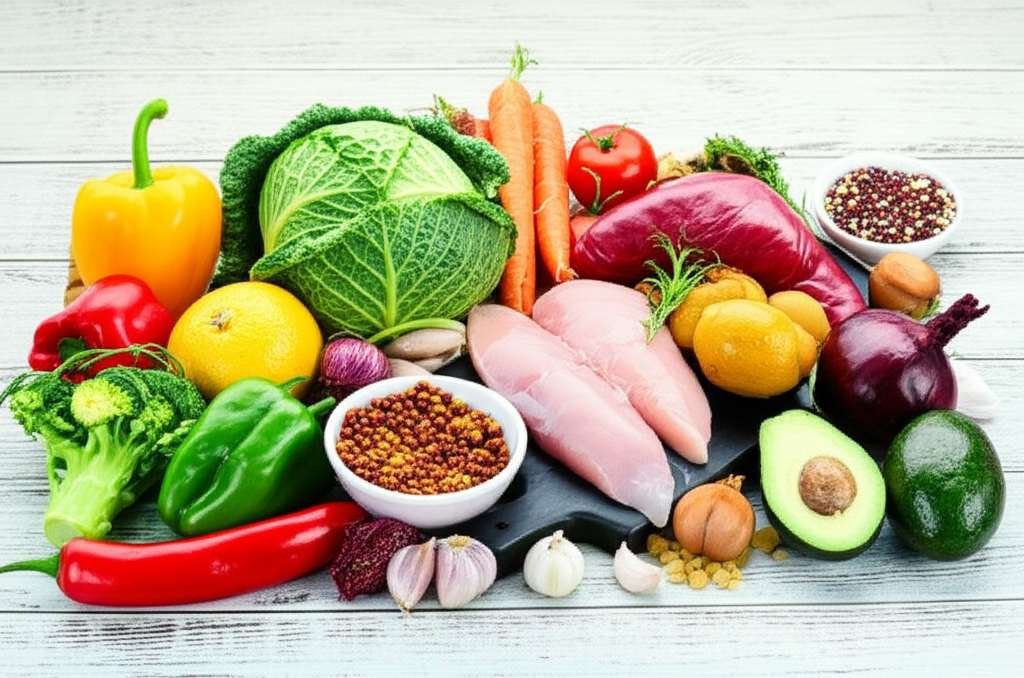
A 21-day meal plan for fatty liver weight loss focuses on whole foods, lean proteins, and healthy fats to reduce liver fat and support weight loss. This guide offers a simple, actionable plan to help you make healthier choices and see results in just three weeks.
Struggling with fatty liver and weight loss can feel overwhelming. You’re not alone in finding it confusing to know where to start. Many people find it hard to understand how their diet impacts their liver and their weight.
But what if I told you that making positive changes could be simpler than you think? This guide is designed to break down the process into easy steps. We’ll explore how a structured meal plan can help you manage your fatty liver and shed those extra pounds.
Get ready to discover a clear path forward. We’ll cover what to eat, what to limit, and how to build meals that nourish your body.
Understanding Fatty Liver and Weight Loss
Fatty liver disease, often called non-alcoholic fatty liver disease (NAFLD), is a condition where too much fat builds up in your liver. This can happen for many reasons, but being overweight or obese is a major one. Your liver plays a huge role in processing fats, sugars, and other nutrients. When it’s overloaded, fat can start to accumulate.
Losing weight is one of the most effective ways to improve fatty liver. When you lose weight, you reduce the amount of fat stored throughout your body, including in your liver. This can help your liver function better and decrease inflammation.
The good news is that you don’t need drastic measures. Small, consistent changes to your diet can make a big difference. This plan is designed to be practical and easy to follow, even if you’re new to healthy eating.
Why a 21-Day Meal Plan?
A 21-day plan offers a great starting point for building new habits. Three weeks is long enough to start seeing and feeling positive changes, which can be incredibly motivating. It’s also a manageable timeframe, making it less intimidating than a lifelong commitment.
This structured approach helps you:
Establish a Routine: Following a plan helps you get into a rhythm with meal preparation and healthy eating.
Understand Portion Control: You’ll learn what healthy portion sizes look like.
Identify Trigger Foods: You can begin to notice which foods make you feel sluggish or contribute to cravings.
Build Confidence: Successfully completing the plan can boost your confidence and encourage you to continue with healthier habits.
Key Principles for Fatty Liver Weight Loss
Before diving into the meal plan, let’s cover the core ideas that will guide your choices. These principles are science-backed and focus on what’s best for both your liver and your weight.
1. Focus on Whole, Unprocessed Foods
This is the golden rule. Whole foods are foods in their natural state, with minimal processing. Think fruits, vegetables, lean proteins, and whole grains.
Fruits and Vegetables: Packed with vitamins, minerals, and fiber. Fiber helps you feel full and aids digestion. Aim for a variety of colors to get a wide range of nutrients.
Lean Proteins: Essential for building and repairing tissues, and they help keep you satisfied. Examples include chicken breast, turkey, fish, beans, lentils, and tofu.
Healthy Fats: Crucial for hormone production and nutrient absorption. Good sources are avocados, nuts, seeds, and olive oil.
Whole Grains: Provide sustained energy and fiber. Choose oats, quinoa, brown rice, and whole-wheat bread over refined grains.
2. Limit Sugars and Refined Carbohydrates
Sugars and refined carbs are quickly converted to glucose in your body, which can lead to fat storage, especially in the liver.
Added Sugars: Found in sugary drinks, sweets, pastries, and many processed foods. These offer little nutritional value and contribute to weight gain and liver fat.
Refined Grains: White bread, white rice, and pasta made from white flour are stripped of their fiber and nutrients. They can cause blood sugar spikes.
3. Reduce Unhealthy Fats
While healthy fats are good, certain types can be harmful, especially for liver health.
Saturated Fats: Found in red meat, butter, and full-fat dairy. Consume these in moderation.
Trans Fats: Often found in fried foods, baked goods, and processed snacks. These are particularly bad for your heart and liver. Check labels for “partially hydrogenated oils.”
4. Hydration is Key
Drinking enough water is vital for overall health and can support weight loss.
Water: The best choice for hydration. It helps flush out toxins and keeps your metabolism running smoothly.
Herbal Teas: Unsweetened herbal teas are also a great option.
5. Portion Control Matters
Even healthy foods can contribute to weight gain if eaten in excess. Learning appropriate portion sizes is crucial.
Your 21-Day Fatty Liver Weight Loss Meal Plan
This meal plan provides a framework. Feel free to swap meals within days or weeks, as long as you stick to the core principles. This plan is designed to be affordable and easy to prepare.
Week 1: Laying the Foundation
This week focuses on introducing clean eating habits and familiarizing yourself with the foods that will support your goals.
Day 1
Breakfast: Oatmeal made with water or unsweetened almond milk, topped with berries and a sprinkle of chia seeds.
Lunch: Large salad with mixed greens, grilled chicken breast, cucumber, tomatoes, bell peppers, and a light olive oil and lemon juice dressing.
Dinner: Baked salmon with roasted broccoli and a small serving of quinoa.
Snack: A handful of almonds or an apple.
Day 2
Breakfast: Scrambled eggs (2-3) with spinach and mushrooms.
Lunch: Lentil soup with a side of whole-grain bread.
Dinner: Turkey meatballs (made with lean ground turkey) in a light tomato sauce, served with zucchini noodles.
Snack: Greek yogurt (plain, unsweetened) with a few berries.
Day 3
Breakfast: Smoothie made with spinach, banana, unsweetened almond milk, and a scoop of protein powder.
Lunch: Leftover turkey meatballs and zucchini noodles.
Dinner: Stir-fried chicken and mixed vegetables (broccoli, carrots, snap peas) with a small amount of brown rice and a light soy sauce or tamari.
Snack: A pear.
Day 4
Breakfast: Whole-wheat toast (1-2 slices) with avocado and a sprinkle of red pepper flakes.
Lunch: Tuna salad (made with Greek yogurt or light mayo) on a bed of lettuce with tomato slices.
Dinner: Baked cod with steamed green beans and a small sweet potato.
Snack: A small bowl of mixed berries.
Day 5
Breakfast: Oatmeal with sliced peaches and a sprinkle of walnuts.
Lunch: Leftover baked cod with green beans.
Dinner: Chicken breast stir-fry with bell peppers, onions, and a small amount of brown rice.
Snack: A handful of pumpkin seeds.
Day 6
Breakfast: Scrambled eggs with a side of sliced tomatoes.
Lunch: Quinoa salad with black beans, corn, diced bell peppers, and a lime vinaigrette.
Dinner: Lean beef stir-fry with broccoli and mushrooms, served with a very small portion of brown rice.
Snack: An orange.
Day 7
Breakfast: Greek yogurt with sliced banana and a drizzle of honey (optional, in moderation).
Lunch: Leftover beef stir-fry.
Dinner: Baked chicken thighs (skinless) with a large mixed green salad and roasted Brussels sprouts.
Snack: A small avocado.
Week 2: Building Momentum
This week, you’ll continue with the established habits and introduce a bit more variety. The focus remains on nutrient-dense foods.
Day 8
Breakfast: Smoothie with kale, apple, ginger, lemon, and water.
Lunch: Salmon salad (flaked salmon, celery, light mayo/Greek yogurt) served in lettuce cups.
Dinner: Chicken breast stuffed with spinach and feta cheese, served with roasted asparagus.
Snack: A hard-boiled egg.
Day 9
Breakfast: Overnight oats made with rolled oats, unsweetened almond milk, chia seeds, and topped with blueberries.
Lunch: Leftover stuffed chicken breast with asparagus.
Dinner: Turkey chili (made with lean ground turkey, beans, tomatoes, and spices) topped with a dollop of Greek yogurt.
Snack: A handful of almonds.
Day 10
Breakfast: Scrambled eggs with black beans and salsa.
Lunch: Large salad with grilled shrimp, avocado, mixed greens, and a lime-cilantro dressing.
Dinner: Baked white fish (like tilapia or cod) with a side of steamed broccoli and a small serving of wild rice.
Snack: A peach.
Day 11
Breakfast: Oatmeal with chopped apple and cinnamon.
Lunch: Leftover baked white fish with broccoli.
Dinner: Lentil shepherd’s pie with a sweet potato topping.
Snack: A small container of plain Greek yogurt.
Day 12
Breakfast: Whole-wheat toast with natural peanut butter (check for no added sugar).
Lunch: Chicken salad (leftover chicken breast, celery, grapes, light mayo/Greek yogurt) on a bed of spinach.
Dinner: Baked chicken breast with a large side salad and roasted cauliflower.
Snack: A handful of walnuts.
Day 13
Breakfast: Smoothie with berries, spinach, unsweetened almond milk, and flax seeds.
Lunch: Leftover baked chicken breast with salad and cauliflower.
Dinner: Salmon patties (made with canned salmon, egg, and whole-wheat breadcrumbs) served with a side of sautéed kale.
Snack: A plum.
Day 14
Breakfast: Greek yogurt with sliced kiwi and a sprinkle of chia seeds.
Lunch: Quinoa bowl with roasted vegetables (zucchini, bell peppers, onions) and a lemon tahini dressing.
Dinner: Lean ground turkey and vegetable skewers (cherry tomatoes, bell peppers, zucchini) grilled or baked, served with a side of mixed greens.
Snack: A small apple with a tablespoon of almond butter.
Week 3: Solidifying Habits
The final week focuses on reinforcing healthy eating patterns and ensuring sustainability beyond the 21 days.
Day 15
Breakfast: Scrambled eggs with a side of avocado slices.
Lunch: Leftover turkey and vegetable skewers with mixed greens.
Dinner: Baked cod with a large portion of steamed green beans and a small sweet potato.
Snack: A handful of pecans.
Day 16
Breakfast: Oatmeal with mixed berries and a sprinkle of hemp seeds.
Lunch: Tuna salad (made with Greek yogurt) in bell pepper halves.
Dinner: Chicken breast with a large mixed vegetable stir-fry (broccoli, carrots, snap peas, mushrooms) with minimal brown rice.
Snack: A pear.
Day 17
Breakfast: Smoothie with banana, protein powder, unsweetened almond milk, and a tablespoon of almond butter.
Lunch: Leftover chicken stir-fry.
Dinner: Baked salmon with roasted Brussels sprouts and a small side of quinoa.
Snack: Greek yogurt with a few berries.
Day 18
Breakfast: Whole-wheat toast with natural almond butter and sliced banana.
Lunch: Lentil and vegetable soup with a small side salad.
Dinner: Lean beef stir-fry with a variety of colorful vegetables (bell peppers, onions, broccoli) and a very small portion of brown rice.
Snack: A hard-boiled egg.
Day 19
Breakfast: Greek yogurt with chopped mango and a sprinkle of chia seeds.
Lunch: Leftover beef stir-fry.
Dinner: Baked chicken thighs (skinless) with a large spinach salad and roasted sweet potato wedges.
Snack: An orange.
Day 20
Breakfast: Scrambled eggs with sautéed spinach and a side of whole-wheat toast.
Lunch: Salmon patties served with a large mixed green salad.
Dinner: Turkey meatballs in a light tomato sauce with a generous serving of steamed mixed vegetables.
Snack: A handful of mixed nuts.
Day 21
Breakfast: Oatmeal with sliced apple, cinnamon, and a sprinkle of walnuts.
Lunch: Leftover turkey meatballs with mixed vegetables.
Dinner: Baked white fish with roasted asparagus and a small portion of wild rice.
Snack: A small avocado.
Sample Daily Nutritional Breakdown (Approximate)
This is a general example and actual nutritional values will vary based on specific ingredients and portion sizes. The goal is to keep calories moderate, focus on nutrient density, and limit processed items.
| Meal | Carbohydrates (g) | Protein (g) | Fat (g) | Fiber (g) |
| :———- | :—————- | :———- | :—— | :——– |
| Breakfast | 30-40 | 15-20 | 10-15 | 5-8 |
| Lunch | 35-45 | 25-30 | 15-20 | 8-12 |
| Dinner | 30-40 | 30-35 | 20-25 | 7-10 |
| Snack (1-2) | 10-20 | 5-10 | 5-10 | 3-5 |
| Total | 105-145 | 75-95 | 50-70 | 23-35 |
Note: This plan aims for a moderate calorie intake, typically between 1500-1800 calories, which is suitable for many individuals seeking weight loss. Always consult with a healthcare professional or registered dietitian for personalized calorie recommendations.
Important Considerations and Tips
Hydration: Drink at least 8-10 glasses of water per day. Unsweetened herbal teas are also great.
Cooking Methods: Focus on baking, grilling, steaming, and stir-frying with minimal healthy oils.
Seasoning: Use herbs, spices, garlic, onion, lemon juice, and vinegar for flavor instead of excessive salt or sugary sauces.
Listen to Your Body: Adjust portion sizes based on your hunger and activity levels.
Meal Prep: Dedicate some time each week to chop vegetables, cook grains, and prepare proteins. This makes healthy eating much easier during busy weekdays. You can find great meal prep containers at stores like Amazon.
Physical Activity: Combine this meal plan with regular exercise for optimal results. Aim for at least 150 minutes of moderate-intensity aerobic activity per week, plus muscle-strengthening activities.
Alcohol: If you consume alcohol, it’s crucial to limit or avoid it, as it can significantly worsen fatty liver disease. The National Institute on Alcohol Abuse and Alcoholism offers valuable resources.
Consult Your Doctor: It’s always recommended to discuss any significant dietary changes with your doctor or a registered dietitian, especially if you have existing health conditions like fatty liver disease. They can help tailor a plan to your specific needs. The Academy of Nutrition and Dietetics is a great resource for finding a dietitian.
Frequently Asked Questions (FAQ)
Q1: Can I really lose weight and improve my fatty liver in 21 days?
A1: Yes, a 21-day plan can be a powerful start! You can begin to see improvements in your energy levels and notice weight loss. Consistent adherence to a healthy diet is key for long-term benefits for your liver and overall health.
Q2: What are the absolute “must-avoid” foods for fatty liver?
A2: You should significantly reduce or avoid sugary drinks (soda, juice), fried foods, processed snacks (chips, cookies), refined grains (white bread, white pasta), and excessive amounts of saturated and trans fats found in fatty meats and baked goods.
Q3: I’m a student and on a tight budget. How can I make this meal plan affordable?
A3: Focus on budget-friendly staples like beans, lentils, oats, seasonal vegetables, and chicken thighs (often cheaper than breast). Buying in bulk when possible and cooking meals from scratch saves a lot of money compared to pre-packaged or restaurant food. Frozen vegetables are also a great, affordable option.
Q4: Is it okay to eat fruit if I have fatty liver?
A4: Yes, absolutely! Fruit is a great source of fiber, vitamins, and antioxidants. The natural sugars in whole fruits are generally fine in moderation as part of a balanced diet. It’s the added sugars in processed foods and sugary drinks that are the main concern.
Q5: What if I get hungry between meals?
A5: Choose healthy snacks like a handful of nuts, a piece of fruit, Greek yogurt, or raw vegetables like carrots and celery. These options provide nutrients and help keep you full without derailing your progress.
Q6: How important is exercise for fatty liver weight loss?
A6: Exercise is very important! It helps burn calories, build muscle mass (which boosts metabolism), and can directly improve liver fat levels and insulin sensitivity. Aim for a combination of cardio and strength training.
Q7: Can I follow this plan long-term?
A7: This 21-day plan is designed as a stepping stone. The principles of eating whole foods, limiting sugar, and choosing healthy fats are sustainable long-term habits. After 21 days, you can continue with this approach, gradually reintroducing a wider variety of healthy foods and focusing on building a balanced lifestyle.
Conclusion: Your Journey to a Healthier Liver and Body
Embarking on a journey to improve your fatty liver and lose weight can seem daunting, but this 21-day meal plan is designed to make it manageable and rewarding. By focusing on whole, nutritious foods and limiting processed items, you’re not just feeding your body – you’re actively supporting your liver’s recovery and boosting your overall health.
Remember, consistency is more important than perfection. Don’t get discouraged by occasional slip-ups; simply get back on track with your next meal. The goal is progress, not immediate perfection. This plan provides the structure and guidance to help you build healthy eating habits that can last a lifetime.
As you move through these 21 days, pay attention to how your body feels. Notice changes in your energy levels, digestion, and overall well-being. These positive shifts will be your greatest motivators. You’ve got this! Continue to prioritize your health, listen to your body, and celebrate every step forward on your path to a healthier you.

As an Amazon Associate, We earn from qualifying purchases. When you purchase a product through Amazon links on pulsefitguide.com, we may earn a small commission at no extra cost to you. This helps support the site and keep our content free.