
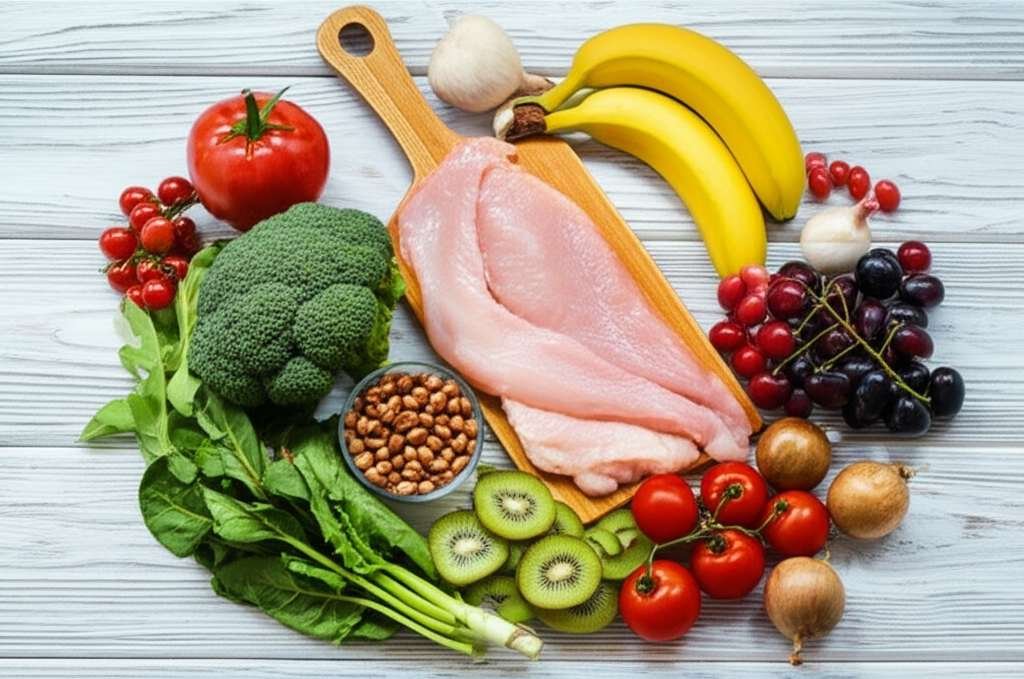
Effortless weight loss is achievable with a 21-day intermittent fasting meal plan. This guide offers a beginner-friendly, science-backed approach to help you navigate fasting periods and enjoy nutritious meals, making your journey simple and effective.
Feeling confused about weight loss? You’re not alone. Many people find it hard to know where to start, or they get overwhelmed by complicated advice. It can feel like a puzzle with too many pieces.
But what if there was a simpler way? Intermittent fasting (IF) is a popular eating pattern that focuses on when you eat, not just what you eat. It can be a powerful tool for weight loss and improving your health.
This guide is designed for you. We’ll break down intermittent fasting and a 21-day meal plan into easy, actionable steps. You’ll learn how to get started, what to eat, and how to make it work for your busy life.
What is Intermittent Fasting (IF)?
Intermittent fasting isn’t a diet in the traditional sense. It’s an eating schedule that cycles between periods of voluntary fasting and non-fasting over a set period. The goal is to give your body a break from constant digestion, allowing it to tap into fat stores for energy.
Think of it like giving your digestive system a rest. When you’re not eating, your body can switch gears from processing food to other important tasks, like repairing cells and burning stored fat. This shift is key to many of the benefits of IF.
It’s important to remember that IF doesn’t dictate what foods you should eat during your eating window. However, choosing nutrient-dense, whole foods will significantly boost your results and overall health. We’ll cover this more in the meal plan section.
Why Choose a 21-Day Intermittent Fasting Meal Plan?

A 21-day plan provides a structured yet manageable timeframe to try intermittent fasting. This duration is often cited as a good period for establishing new habits. It’s long enough to see and feel potential benefits, but not so long that it feels overwhelming.
For beginners, a set plan removes the guesswork. You won’t have to constantly decide what to eat or when to fast. This structure can make the process feel much smoother and less intimidating. It builds confidence as you progress.
Plus, a 21-day plan allows you to experience the positive effects firsthand. Many people report increased energy, better focus, and noticeable changes in their weight and body composition within this timeframe. This can be a great motivator to continue with a healthier lifestyle.
Popular Intermittent Fasting Methods for Beginners
There are several ways to approach intermittent fasting, and finding the one that best fits your lifestyle is crucial. For beginners, it’s often best to start with a less intense method and gradually adjust.
1. The 16/8 Method
This is perhaps the most popular and beginner-friendly method. It involves fasting for 16 hours each day and restricting your eating window to the remaining 8 hours. For example, you might stop eating at 8 PM and then start eating again at 12 PM the next day.
This method is relatively easy to implement because it often aligns with a normal sleep schedule. Most people naturally fast for about 8-12 hours while sleeping. Extending this to 16 hours usually just means skipping breakfast or having an earlier dinner.
The 16/8 method allows for three balanced meals within the 8-hour eating window, which can feel more sustainable than other methods. It’s a great way to ease into IF without drastic changes.
2. The 14/10 Method
Similar to the 16/8 method, the 14/10 approach involves a 14-hour fasting period and a 10-hour eating window. This is an even gentler introduction to intermittent fasting.
If a 16-hour fast feels too challenging initially, starting with 14 hours can be a good stepping stone. It still provides a significant fasting period to allow your body to benefit from reduced eating times.
For instance, you could eat between 9 AM and 7 PM. This might mean having breakfast and lunch, or lunch and an early dinner, within that 10-hour window. It’s highly adaptable to different daily schedules.
3. Eat-Stop-Eat
This method involves a 24-hour fast once or twice a week. For example, you might finish dinner on Monday and not eat again until dinner on Tuesday.
While effective, this can be more challenging for absolute beginners. It requires more discipline and careful planning to ensure you’re getting adequate nutrition on your non-fasting days. It’s often recommended for those who have already tried the 16/8 method for a while.
On the days you are fasting, it’s important to stay hydrated by drinking water, black coffee, or herbal tea. On non-fasting days, you would eat normally, focusing on nutritious foods.
How Intermittent Fasting Aids Weight Loss
Intermittent fasting can support weight loss through several mechanisms. By reducing your eating window, you naturally tend to consume fewer calories overall. This calorie deficit is fundamental for losing weight.
Additionally, when you fast, your insulin levels drop significantly. Lower insulin levels facilitate fat burning. Your body can more easily access stored body fat for energy when it’s not busy processing incoming food and dealing with high insulin spikes.
Research has also shown that IF can lead to improvements in metabolic health markers, such as insulin sensitivity. Better insulin sensitivity means your body can manage blood sugar more effectively, which can help reduce cravings and prevent fat storage. According to the National Institute of Diabetes and Digestive and Kidney Diseases (NIDDK), a consistent calorie deficit is key for weight loss, and IF can be a practical way to achieve this.
Your 21-Day Intermittent Fasting Meal Plan: Beginner Friendly
This meal plan is designed for the 16/8 method, assuming an eating window from 12 PM to 8 PM. Remember, this is a template! Feel free to swap meals and adjust portion sizes based on your hunger and preferences. The focus is on whole, unprocessed foods.
Week 1: Building the Foundation
Week one is about getting comfortable with the 16/8 schedule and introducing nutrient-dense foods. Don’t worry if you feel a little hungry or off at first; your body will adapt.
Day 1-3: Hydration and Simple Meals
Focus on easily digestible meals. Ensure you’re drinking plenty of water, herbal tea, or black coffee during your fasting window (12 AM – 12 PM).
- 12:00 PM (Break Fast): Large salad with grilled chicken or salmon, mixed greens, cucumber, tomatoes, bell peppers, and a light vinaigrette.
- 3:00 PM (Snack – Optional): A handful of almonds or a small apple.
- 7:00 PM (Dinner): Baked cod with roasted broccoli and a small sweet potato.
Day 4-7: Expanding Variety
Introduce more variety while keeping meals balanced. Listen to your body and adjust as needed.
- 12:00 PM (Break Fast): Lentil soup with a side of whole-grain bread.
- 3:00 PM (Snack – Optional): Greek yogurt with berries.
- 7:00 PM (Dinner): Lean ground turkey stir-fry with plenty of colorful vegetables (broccoli, carrots, snap peas) and a small portion of brown rice.
Week 2: Consistency and Nutrient Density
In week two, aim for consistency. You should be feeling more accustomed to the fasting schedule. Focus on making every meal count with nutrient-rich foods.
Day 8-10: Balanced Macros
Ensure you’re getting a good balance of protein, healthy fats, and complex carbohydrates.
- 12:00 PM (Break Fast): Quinoa salad with black beans, corn, avocado, cilantro, and lime dressing.
- 3:00 PM (Snack – Optional): Hard-boiled eggs or a pear.
- 7:00 PM (Dinner): Chicken breast with steamed asparagus and a side of cauliflower rice.
Day 11-14: Exploring New Flavors
Don’t be afraid to experiment with herbs and spices to keep meals exciting.
- 12:00 PM (Break Fast): Scrambled eggs with spinach and mushrooms, served with half an avocado.
- 3:00 PM (Snack – Optional): Cottage cheese with peach slices.
- 7:00 PM (Dinner): Salmon patties (made with canned salmon) served with a large mixed green salad.
Week 3: Fine-Tuning and Sustainability
By week three, you’ll likely feel more confident. This week is about solidifying the habit and ensuring you can maintain it beyond the 21 days.
Day 15-17: Focus on Fiber and Protein
High-fiber and high-protein meals help with satiety, keeping you full and satisfied.
- 12:00 PM (Break Fast): Smoothie made with spinach, banana, protein powder (whey or plant-based), and almond milk.
- 3:00 PM (Snack – Optional): A small handful of walnuts or a few rice cakes with almond butter.
- 7:00 PM (Dinner): Beef and vegetable skewers (lean beef, bell peppers, onions, zucchini) with a side of baked sweet potato fries.
Day 18-21: Long-Term Habits
These days are about reinforcing the healthy habits you’ve built. Reflect on what you’ve enjoyed and what worked best for you.
- 12:00 PM (Break Fast): Large bowl of oatmeal with berries, chia seeds, and a drizzle of honey.
- 3:00 PM (Snack – Optional): Edamame (steamed).
- 7:00 PM (Dinner): Baked chicken thighs with roasted Brussels sprouts and a small portion of quinoa.
Sample Meal Plan Table
Here’s a quick look at a sample day within the 16/8 framework. Remember to hydrate during your fasting window!
| Time | Activity | Food/Drink Suggestion |
|---|---|---|
| 12:00 AM – 12:00 PM | Fasting Window | Water, black coffee, herbal tea (unsweetened) |
| 12:00 PM | Break Fast | Large salad with grilled chicken, mixed greens, avocado, and olive oil dressing. |
| 3:00 PM | Snack (Optional) | A handful of almonds. |
| 7:00 PM | Dinner | Baked salmon with roasted broccoli and a small sweet potato. |
| 8:00 PM | End of Eating Window | Stop eating. Begin fasting period. |
Key Principles for Success
Sticking to any new eating pattern can have its challenges. Here are some key principles to help you succeed with your 21-day intermittent fasting plan.
1. Stay Hydrated
This is crucial, especially during your fasting periods. Water helps manage hunger, keeps your body functioning, and can prevent headaches or fatigue. Herbal teas and black coffee are also good choices as they have zero calories.
2. Focus on Whole Foods
When you are eating, prioritize nutrient-dense foods. This means plenty of vegetables, fruits, lean proteins, healthy fats, and whole grains. These foods will keep you full, provide essential nutrients, and support your weight loss goals.
Avoid processed foods, sugary drinks, and excessive amounts of refined carbohydrates. These can lead to energy crashes and make it harder to stick to your fasting schedule. A balanced intake supports stable energy levels.
3. Listen to Your Body
Intermittent fasting should feel challenging, not miserable. If you experience extreme fatigue, dizziness, or persistent hunger, it might be a sign that your fasting window is too long or you’re not eating enough nutrient-dense foods during your eating window.
Don’t be afraid to adjust. You could shorten your fasting window slightly or focus on increasing protein and fiber intake. The goal is sustainable progress, not perfection.
4. Plan Your Meals
Having a plan, like the 21-day meal plan provided, removes a lot of the daily decision-making stress. Knowing what you’ll eat for your meals and snacks can prevent impulsive, unhealthy choices when hunger strikes.
Meal prepping, even just chopping vegetables or cooking a batch of grains, can save you a lot of time during the week. This makes it easier to stick to your healthy eating goals.
5. Prioritize Sleep
Good sleep is vital for hormone regulation, including hormones that control appetite and fat storage. Aim for 7-9 hours of quality sleep per night. Poor sleep can increase cravings for unhealthy foods and make weight loss more difficult.
6. Gentle Exercise
Incorporate light to moderate exercise into your routine. Activities like walking, yoga, or light strength training can complement your intermittent fasting efforts. Avoid overly intense workouts, especially when you’re new to IF, as they can increase stress on your body.
What to Eat and What to Avoid
Making smart food choices during your eating window is key to making intermittent fasting effective and sustainable for weight loss.
Recommended Foods:
- Lean Proteins: Chicken breast, turkey, fish, eggs, tofu, legumes.
- Healthy Fats: Avocado, nuts, seeds, olive oil.
- Complex Carbohydrates: Quinoa, brown rice, oats, sweet potatoes, whole-grain bread.
- Vegetables: All types, especially leafy greens, broccoli, bell peppers, carrots.
- Fruits: Berries, apples, bananas, oranges (in moderation).
- Dairy/Alternatives: Greek yogurt, cottage cheese, unsweetened almond milk.
Foods to Limit or Avoid:
- Sugary Drinks: Soda, fruit juices, sweetened coffees/teas.
- Refined Carbohydrates: White bread, pastries, white pasta, sugary cereals.
- Processed Foods: Packaged snacks, fast food, processed meats.
- Excessive Saturated and Trans Fats: Fried foods, fatty cuts of meat, processed baked goods.
- Alcohol: Can interfere with metabolism and hunger hormones.
Benefits Beyond Weight Loss
While weight loss is a primary goal for many, intermittent fasting offers a host of other health benefits supported by scientific research. These can make you feel better overall, even beyond the number on the scale.
- Improved Insulin Sensitivity: As mentioned, IF can help your body use insulin more effectively, which is crucial for preventing type 2 diabetes.
- Cellular Repair (Autophagy): During fasting, your body initiates a process called autophagy, where cells clean out damaged components. This is linked to longevity and disease prevention. A study published in Cell Metabolism highlights the role of IF in promoting autophagy.
- Brain Health: Some research suggests IF may support brain function and protect against neurodegenerative diseases by reducing oxidative stress and inflammation.
- Heart Health: IF can positively impact risk factors for heart disease, such as blood pressure, cholesterol levels, and triglycerides.
- Simplicity: For many, reducing the number of meals they need to prepare or think about simplifies their daily routine.
Frequently Asked Questions (FAQ)
Q1: Is intermittent fasting safe for beginners?
Yes, intermittent fasting can be safe for beginners when approached correctly. Starting with a gentler method like 14/10 or 16/8 and focusing on nutrient-dense foods is recommended. Always listen to your body and consult with a healthcare provider if you have any underlying health conditions.
Q2: Will I be constantly hungry?
Initial hunger is common, but it usually subsides as your body adapts. Staying well-hydrated and eating satisfying meals with protein and fiber during your eating window can significantly help manage hunger.
Q3: Can I drink coffee or tea during my fast?
Yes, plain black coffee and unsweetened herbal teas are generally accepted during fasting periods. They can even help suppress appetite and boost metabolism. Avoid adding sugar, milk, or cream, as these will break your fast.
Q4: What if I miss a meal or can’t complete my fasting window?
Don’t worry! If you break your fast early or miss a planned meal, simply get back on track with your next scheduled meal or fasting period. Consistency over perfection is key. One slip-up doesn’t derail your progress.
Q5: Do I need to count calories with intermittent fasting?
While a calorie deficit is necessary for weight loss, intermittent fasting often naturally leads to reduced calorie intake because your eating window is shorter. Focusing on whole, unprocessed foods usually prevents overeating. You may not need to meticulously count calories, but being mindful of portion sizes is helpful.
Q6: When should I consider consulting a doctor?
It’s always a good idea to speak with your doctor before starting any new eating pattern, especially if you have pre-existing medical conditions like diabetes, heart disease, or a history of eating disorders. They can help determine if IF is appropriate for you.
Conclusion
Embarking on a 21-day intermittent fasting journey can be a straightforward and effective way to kickstart your weight loss and improve your overall health. By following a structured plan, focusing on nutritious foods, and listening to your body, you can navigate this process with confidence.
Remember, this is not about deprivation, but about creating a sustainable eating pattern that works for your lifestyle. The 16/8 method, combined with the provided meal plan, offers a balanced approach that’s manageable for beginners. You’ll discover how timing your meals can be just as impactful as what you eat.
As you complete these 21 days, you’ll likely feel more energized, focused, and in control of your health. This plan is designed to be a stepping stone, equipping you with the knowledge and confidence to continue building healthier habits for long-term success. You’ve got this!
As an Amazon Associate, We earn from qualifying purchases. When you purchase a product through Amazon links on pulsefitguide.com, we may earn a small commission at no extra cost to you. This helps support the site and keep our content free.