
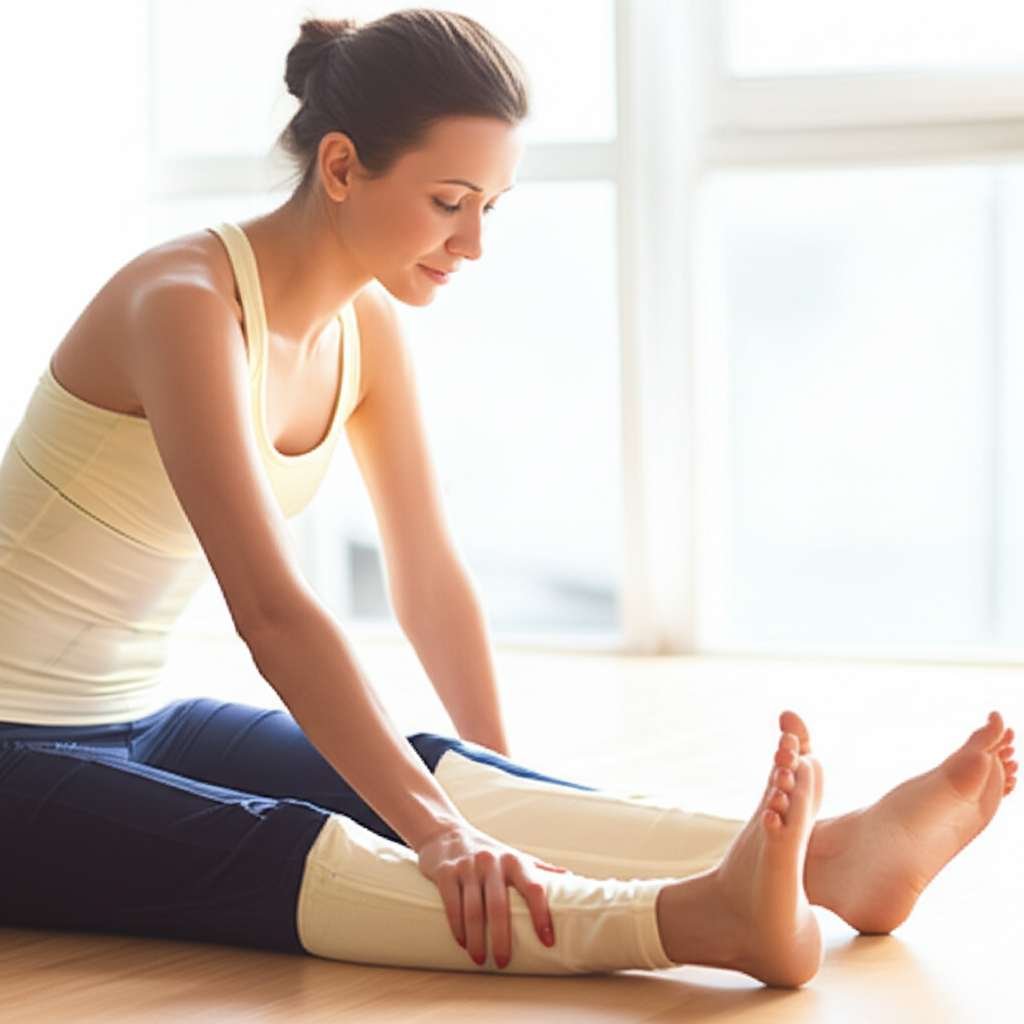
Yes, 20 yoga poses can effectively help women flatten their stomachs by strengthening core muscles, improving digestion, and reducing stress, leading to a more toned and slender midsection with consistent practice.
Yoga is a wonderful way to connect with your body and build strength from the inside out. Many women find that focusing on their core can make a big difference in how they feel and look.
It’s totally normal to feel a bit confused about how to get a flatter stomach. There are so many tips out there! But the good news is, yoga offers a gentle yet powerful approach.
We’ll walk through 20 simple yoga poses designed to target your tummy. You’ll learn how each pose helps and how to do it safely.
Get ready to feel stronger, more flexible, and closer to your flat stomach goals!

Why Yoga for a Flatter Stomach?
You might be wondering how simple stretches can actually help flatten your stomach. It’s not just about magic poses; it’s about how yoga works with your body.
Yoga focuses on strengthening your core muscles. These are the muscles deep inside your belly and back that support your spine and help with posture. When these muscles are strong, they pull everything in, creating a flatter appearance.
Beyond muscle strength, yoga also helps with digestion. Poses that gently twist or compress your abdomen can stimulate your digestive organs. This can help reduce bloating and make you feel lighter.
Plus, yoga is fantastic for stress relief. When you’re stressed, your body can hold onto extra fat, especially around your belly. Yoga’s calming effects can help lower stress hormones like cortisol, which can aid in weight management.
Understanding Your Core Muscles
Before we dive into the poses, let’s quickly chat about your core. It’s not just your “six-pack” muscles (rectus abdominis). Your core is a whole team of muscles working together.
Rectus Abdominis: These are the muscles at the front of your abdomen that give you that “toned” look when strong. They help you bend forward.
Transverse Abdominis: This is your body’s natural corset. It’s the deepest abdominal muscle and is crucial for stabilizing your spine and flattening your stomach. It wraps around your waist.
Obliques: These muscles are on the sides of your waist. They help you twist and bend sideways.
Erector Spinae: These muscles run along your spine, supporting your back.
Pelvic Floor Muscles: These muscles support your pelvic organs and are also part of your deep core system.
When you engage all these muscles, especially the deep transverse abdominis, you naturally pull your stomach in. Yoga poses are brilliant at teaching you to find and activate these deeper muscles.
20 Yoga Poses for Women to Flatten Stomach
Here are 20 yoga poses, perfect for beginners, that will help you tone your core, improve digestion, and work towards a flatter stomach. We’ve grouped them by type for easier understanding.
Core Strengthening Poses
These poses directly engage and strengthen your abdominal muscles.
1. Plank Pose (Phalakasana)
Plank is a fantastic all-around core strengthener. It works your entire core, shoulders, and arms.
How to do it: Start on your hands and knees. Extend your legs back, coming onto the balls of your feet. Your body should form a straight line from your head to your heels. Keep your core tight and don’t let your hips sag or lift too high. Your hands should be directly under your shoulders.
Why it helps: This pose forces your abdominal muscles to work hard to keep your body stable. It’s excellent for building endurance in your core.
2. Forearm Plank Pose (Makara Adho Mukha Svanasana)
A variation of plank that puts less pressure on your wrists and can be more accessible for beginners.
How to do it: From a kneeling position, place your forearms on the mat, elbows directly under your shoulders. Interlace your fingers or keep your palms flat. Extend your legs back, coming onto the balls of your feet. Keep your body in a straight line, engaging your core.
Why it helps: Similar to the standard plank, this pose intensely works your transverse abdominis and rectus abdominis, helping to flatten the stomach.
3. Boat Pose (Paripurna Navasana)
This pose is a classic for building strong abdominal muscles.
How to do it: Sit on the floor with your knees bent and feet flat. Lean back slightly, keeping your spine straight. Lift your feet off the floor, bringing your shins parallel to the ground. You can extend your arms straight out in front of you, parallel to the floor. For a more challenging version, straighten your legs.
Why it helps: Boat pose directly targets the rectus abdominis and hip flexors, giving your entire abdominal area a powerful workout.
4. Low Boat Pose (Ardha Navasana)
A gentler version of Boat Pose, perfect for building up strength.
How to do it: From Boat Pose, slowly lower your torso and legs slightly, keeping your core engaged. Your body should form a “V” shape, but less pronounced than in full Boat Pose. Your feet and shoulders should hover just above the floor.
Why it helps: This variation allows you to build strength in your abdominal muscles without overexerting yourself, making it ideal for beginners.
5. Warrior III (Virabhadrasana III)
While known for balance, Warrior III also significantly engages your core for stability.
How to do it: Stand with your feet together. Step one foot back and shift your weight forward onto the front foot. Hinge at your hips, lifting the back leg straight behind you while lowering your torso parallel to the floor. Extend your arms forward or keep them by your sides. Your body should form a “T” shape.
Why it helps: To maintain balance in this pose, your core muscles, including your transverse abdominis, have to work overtime to keep you stable and upright.
6. Locust Pose (Salabhasana)
This pose strengthens the back muscles and also engages the core.
How to do it: Lie on your stomach with your legs extended and arms by your sides, palms facing down. Inhale and lift your head, chest, arms, and legs off the floor. Keep your neck long and gaze slightly forward. Engage your glutes and back muscles.
Why it helps: By strengthening your back and glutes, Locust Pose helps create a stronger foundation for your core, improving posture and indirectly contributing to a flatter stomach by improving alignment.
7. Bow Pose (Dhanurasana)
A more advanced pose that deeply stretches the front of the body and strengthens the back.
How to do it: Lie on your stomach. Bend your knees and reach back to grasp your ankles or feet. Inhale and lift your chest and thighs off the floor, arching your back and drawing your feet away from your body.
Why it helps: While primarily a backbend, Bow Pose requires significant core engagement to lift and hold the pose, strengthening the abdominal muscles.
8. Side Plank Pose (Vasisthasana)
Excellent for targeting the obliques and strengthening the entire side body.
How to do it: Start in a Plank Pose. Shift your weight onto your right hand, stacking your feet or staggering them for more stability. Extend your left arm straight up towards the ceiling. Keep your body in a straight line from head to heels.
Why it helps: This pose intensely works your oblique muscles, helping to tone the sides of your waist and contributing to a more sculpted midsection.
9. Revolved Chair Pose (Parivrtta Utkatasana)
This twisting pose is great for engaging the core and aiding digestion.
How to do it: Stand with your feet hip-width apart. Bend your knees as if sitting in a chair, keeping your thighs parallel. Bring your hands to prayer position at your chest. Inhale to lengthen your spine, and exhale to twist your torso to the right, bringing your left elbow outside your right knee.
Why it helps: The twist engages your obliques and deep abdominal muscles, aiding in detoxification and strengthening the core.
10. Half Lord of the Fishes Pose (Ardha Matsyendrasana)
Another powerful twist that helps stimulate digestion and work the core.
How to do it: Sit with your legs extended. Bend your right knee and place your right foot outside your left thigh. Bend your left knee and tuck your left foot near your right hip. Inhale to lengthen your spine, and exhale to twist your torso to the right, bringing your left elbow to the outside of your right knee.
Why it helps: Twisting poses are excellent for stimulating digestive organs and toning the abdominal muscles, especially the obliques.
Poses for Digestion and Bloating Relief
These poses focus on gently massaging and stimulating your internal organs to reduce bloating and improve gut health.
11. Wind-Relieving Pose (Pawanmuktasana)
The name says it all! This pose is a go-to for relieving gas and bloating.
How to do it: Lie on your back. Bend your right knee and bring it towards your chest. Hug your knee with your hands or interlace your fingers. Keep your left leg extended on the floor. You can stay here or gently rock side to side. Repeat on the other side, then hug both knees to your chest.
Why it helps: Gently pressing your knees into your abdomen massages your intestines, helping to release trapped gas and reduce bloating.
12. Supine Spinal Twist (Supta Matsyendrasana)
A gentle twist that aids digestion and releases tension in the spine.
How to do it: Lie on your back with your knees bent and feet flat on the floor. Extend your arms out to the sides in a “T” shape. Drop both knees to one side, keeping your shoulders pressed into the mat. Turn your head to look in the opposite direction of your knees.
Why it helps: This pose massages abdominal organs and helps move waste through the digestive system, reducing bloating.
13. Cat-Cow Pose (Marjaryasana-Bitilasana)
A simple, flowing movement that warms up the spine and stimulates the abdominal organs.
How to do it: Start on your hands and knees, with your wrists under your shoulders and knees under your hips.
Cow Pose: Inhale, drop your belly towards the floor, lift your chest and tailbone, and look slightly up.
Cat Pose: Exhale, round your spine towards the ceiling, tuck your chin to your chest, and draw your navel in.
Flow between these two poses with your breath.
Why it helps: The gentle flexion and extension of the spine in this pose massage the abdominal organs, aiding digestion and relieving tension.
14. Child’s Pose (Balasana)
While a resting pose, it can also help gently compress the abdomen.
How to do it: Start on your hands and knees. Bring your big toes to touch and widen your knees. Sink your hips back towards your heels and rest your torso between your thighs. Extend your arms forward or rest them alongside your body. Rest your forehead on the mat.
Why it helps: The gentle compression of the abdomen in Child’s Pose can aid digestion and promote relaxation, which is beneficial for reducing stress-related belly fat.
15. Seated Forward Bend (Paschimottanasana)
This pose stretches the hamstrings and can help calm the nervous system, indirectly aiding digestion.
How to do it: Sit on the floor with your legs extended straight in front of you. Inhale and lengthen your spine. Exhale and hinge at your hips, folding your torso forward over your legs. Reach for your feet, ankles, or shins.
Why it helps: While not directly massaging the abdomen, the calming effect of this pose can reduce stress, which is linked to digestive issues and abdominal fat storage.
Poses for Posture and Core Support
Good posture is key to making your stomach appear flatter. These poses help strengthen the muscles that support an upright stance.
16. Cobra Pose (Bhujangasana)
Strengthens the spine and opens the chest, improving posture.
How to do it: Lie on your stomach with your legs extended and hands placed under your shoulders. Inhale and lift your head and chest off the floor, keeping your hips on the ground. Engage your back muscles. Keep your elbows slightly bent.
Why it helps: By strengthening the muscles that support your spine, Cobra Pose helps you stand taller, making your abdomen appear flatter by improving your overall alignment.
17. Upward-Facing Dog (Urdhva Mukha Svanasana)
A more intense backbend that builds spinal strength and opens the chest.
How to do it: Lie on your stomach with your legs extended. Place your hands under your shoulders. Inhale and press into your hands, lifting your chest and thighs off the floor. Keep your thighs and shins lifted off the mat.
Why it helps: This pose builds significant strength in the back and core, promoting excellent posture and a more toned appearance.
18. Bridge Pose (Setu Bandhasana)
Strengthens the glutes, hamstrings, and back, all of which support good posture.
How to do it: Lie on your back with your knees bent and feet flat on the floor, hip-width apart. Your arms should be by your sides, palms facing down. Inhale and lift your hips off the floor, coming onto your shoulders. You can interlace your fingers underneath you for a deeper stretch.
Why it helps: This pose strengthens the posterior chain (back of the body), which helps counteract the tendency to slouch and promotes a more upright, flatter-looking abdomen.
19. Four-Limbed Staff Pose (Chaturanga Dandasana)
A foundational pose in many yoga sequences that builds core and upper body strength.
How to do it: Start in a Plank Pose. Exhale and bend your elbows, keeping them tucked in close to your body. Lower your body until your forearms are parallel to the floor and your elbows are at a 90-degree angle. Keep your body in a straight line.
Why it helps: Chaturanga is a powerful strength builder for the core and upper body. Holding this pose requires significant abdominal engagement.
20. Mountain Pose (Tadasana)
The foundation of all standing poses, crucial for body awareness and posture.
How to do it: Stand with your feet together or hip-width apart. Distribute your weight evenly through your feet. Engage your thigh muscles, lengthen your spine, relax your shoulders down, and let your arms hang by your sides. Feel grounded.
Why it helps: Consciously engaging your core and lengthening your spine in Mountain Pose teaches you to hold yourself with good posture, which instantly makes your stomach appear flatter. It’s about awareness and alignment.
How to Incorporate These Poses
Consistency is key! Aim to practice these poses regularly. Here’s a simple way to start.
Beginner Sequence Example (15-20 Minutes)
You don’t need to do all 20 poses every time. Try this sequence a few times a week:
1. Warm-up (2 minutes): Cat-Cow Pose (5-10 rounds)
2. Core Strengthening (8 minutes):
Plank Pose: Hold for 30 seconds, rest for 15 seconds. Repeat 2 times.
Boat Pose: Hold for 30 seconds, rest for 15 seconds. Repeat 2 times.
Warrior III: Hold for 30 seconds on each side.
3. Digestion & Relief (5 minutes):
Wind-Relieving Pose: Hold for 30 seconds on each side, then both knees for 30 seconds.
Supine Spinal Twist: Hold for 30 seconds on each side.
4. Posture & Cool-down (3 minutes):
Cobra Pose: Hold for 15-30 seconds. Repeat 2 times.
Child’s Pose: Hold for 1 minute.
Mountain Pose: Stand tall for 1 minute, focusing on posture.
Remember to listen to your body. If a pose feels too difficult, modify it or skip it.
Tips for Maximizing Results
Beyond the poses themselves, a few lifestyle tweaks can significantly boost your efforts.
Breathwork (Pranayama): Deep breathing, especially exercises like “Breath of Fire” (Kapalabhati) or diaphragmatic breathing, can engage your core and improve digestion. The American Lung Association has great resources on breath control techniques.
Mindful Eating: Pay attention to what and how you eat. Avoid processed foods that can cause bloating. Eat slowly and chew your food thoroughly.
Hydration: Drinking enough water is crucial for digestion and overall health. Aim for at least 8 glasses a day.
Stress Management: Since stress can contribute to belly fat, incorporate mindfulness, meditation, or other relaxation techniques into your routine.
Consistency: Aim for at least 3-4 yoga sessions per week. Even short, consistent practices are more effective than occasional long ones.
Understanding the Science Behind Yoga and Weight Management
Yoga isn’t just about stretching; it’s a holistic practice that influences your body in several ways that support weight management and a flatter stomach.
Increased Metabolism: While not as intense as cardio, regular yoga practice can help build lean muscle mass. Muscle burns more calories at rest than fat, so increasing your muscle tone can slightly boost your metabolism.
Hormonal Balance: Studies suggest that yoga can help regulate stress hormones like cortisol. High cortisol levels are often linked to increased abdominal fat storage. By reducing stress, yoga can help your body release this stored fat. You can learn more about cortisol and its effects from resources like the National Institutes of Health (NIH).
Improved Digestion: As mentioned, many yoga poses stimulate the digestive organs. A healthy digestive system is more efficient at breaking down food and absorbing nutrients, which can reduce bloating and improve nutrient utilization.
* Mind-Body Connection: Yoga cultivates a greater awareness of your body. This heightened awareness can help you make healthier food choices and recognize your body’s hunger and fullness cues more effectively, leading to more sustainable eating habits.
Frequently Asked Questions (FAQ)
Q1: How often should I practice these yoga poses to see results?
A1: For noticeable results in core strength and a flatter stomach, aim to practice these poses consistently, at least 3-4 times per week. Listen to your body and allow for rest days.
Q2: I’m a complete beginner. Are these poses too hard?
A2: These poses are chosen for their beginner-friendliness. Many have modifications. Don’t worry if you can’t do them perfectly at first. Focus on proper form and breath, and gradually build your strength and flexibility.
Q3: Can yoga alone help me lose belly fat?
A3: Yoga is a powerful tool for strengthening your core, improving posture, and reducing stress, all of which contribute to a flatter stomach. However, for significant fat loss, it’s best combined with a balanced diet and regular cardiovascular exercise.
Q4: What if I have back pain? Can I still do these poses?
A4: Many yoga poses can be beneficial for back pain, but it’s crucial to move with caution. Poses like Cat-Cow and Child’s Pose are generally safe. Avoid poses that aggravate your pain. It’s always best to consult with a doctor or physical therapist before starting any new exercise program if you have a pre-existing condition.
Q5: How long does it take to see a flatter stomach with yoga?
A5: This varies greatly depending on your starting point, diet, consistency, and genetics. Some people notice improved posture and reduced bloating within a few weeks. Visible toning and a flatter stomach typically take consistent practice over several months.
Q6: Should I focus on holding poses longer or doing more repetitions?
A6: For beginners, focusing on proper form and holding poses for a shorter duration (e.g., 15-30 seconds) is more important than holding them for a long time with poor form. As you get stronger, you can gradually increase the hold time. For dynamic poses like Cat-Cow, focus on smooth repetitions with your breath.
Q7: What’s the best time of day to practice yoga for a flatter stomach?
A7: The best time is when you can be consistent. Some people prefer morning yoga to energize their day and boost metabolism, while others find evening yoga helps them relax and improve digestion before bed. Experiment to see what works best for your schedule and energy levels.
Conclusion
Achieving a flatter stomach is a journey that involves strengthening your core, improving your digestion, and reducing stress. The 20 yoga poses we’ve explored offer a fantastic, accessible, and science-backed way to work towards these goals.
Remember that yoga is not just about the physical poses; it’s about building a healthier relationship with your body. By practicing consistently, breathing deeply, and being patient with yourself, you’ll not only strengthen your core but also cultivate a sense of well-being and confidence.
So, unroll your mat, embrace the practice, and enjoy the journey to a stronger, more toned you!
As an Amazon Associate, We earn from qualifying purchases. When you purchase a product through Amazon links on pulsefitguide.com, we may earn a small commission at no extra cost to you. This helps support the site and keep our content free.