
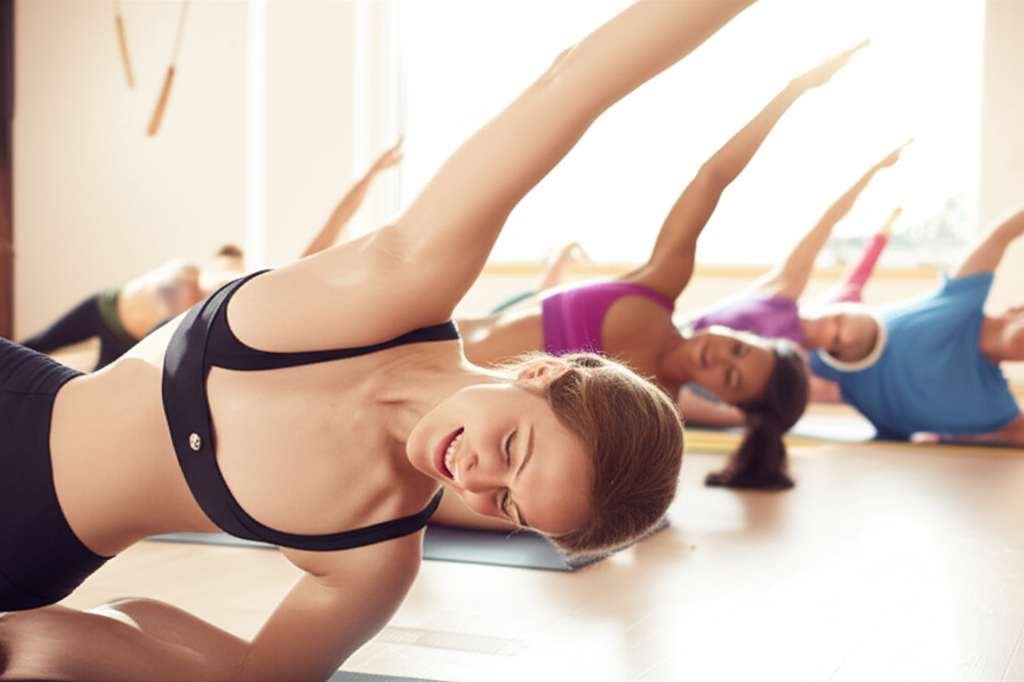
20 yoga exercises for abs and waist trimming can significantly tone your core, improve posture, and build lean muscle without heavy equipment. This beginner-friendly guide breaks down simple poses to help you achieve a strong, trim midsection sustainably.
Feeling like your abs are a mystery you just can’t unlock? You’re not alone. Many people find that building core strength and trimming their waistline feels like a constant battle, especially when starting out.
It can be confusing with so much information out there. But what if I told you there’s a gentle, effective, and accessible way to strengthen your core and slim your waist? Yoga offers a fantastic, holistic approach that works with your body, not against it.
This guide is designed to make it simple. We’ll explore 20 yoga poses specifically chosen to target your abdominal muscles, helping you build that essential trim you’re looking for. Get ready to feel stronger and more confident!
Why Yoga for Abs? The Gentle Power of Core Strength
Yoga is often thought of as stretching and relaxation, but it’s a powerful practice for building core strength. Your core isn’t just your “six-pack” muscles; it includes everything from your deep abdominal muscles to your back and pelvic floor. A strong core is like the foundation of your body, essential for almost every movement you make.

When you engage your core in yoga poses, you’re not just working your abs. You’re also improving your balance, posture, and overall stability. This can lead to less back pain and a more streamlined appearance. Plus, the mindful breathing involved in yoga can help reduce stress, which is often linked to stubborn belly fat.
Unlike many ab exercises that can be harsh on your spine, yoga focuses on controlled movements and breath. This makes it perfect for beginners or anyone looking for a sustainable way to build a strong, toned midsection. Let’s dive into how these poses can help you achieve that essential trim.
Getting Started: What You Need
The beauty of yoga is its simplicity. You don’t need a fancy gym or expensive equipment to get started with these ab-focused exercises. Here’s what will make your practice more comfortable and effective:
- A Yoga Mat: This provides cushioning and grip, making poses safer and more comfortable. Any comfortable, non-slip surface will do if you don’t have a mat.
- Comfortable Clothing: Wear anything that allows you to move freely. Stretchy fabrics are ideal.
- An Open Mind and Patience: Yoga is a journey, not a race. Celebrate small victories and be kind to yourself as you learn.
- A Quiet Space: Find a place where you can practice without distractions. This helps you focus on your breath and your body.
The 20 Yoga Exercises for Abs and Waist Trimming
These poses are designed to engage your abdominal muscles in various ways, from deep core activation to oblique twists. Remember to move with your breath and listen to your body. If a pose feels too intense, modify it or take a rest.
Beginner-Friendly Poses for Core Engagement
These poses are excellent for building a foundational understanding of core engagement and breathwork in yoga.
1. Cat-Cow Pose (Marjaryasana-Bitilasana)
This gentle flow warms up your spine and gently engages your abdominal muscles. It’s a fantastic way to connect your breath with movement.
How to do it: Start on your hands and knees, wrists under shoulders, knees under hips. As you inhale, drop your belly, arch your back, and look up (Cow Pose). As you exhale, round your spine, tuck your chin to your chest, and draw your navel towards your spine (Cat Pose). Repeat for 5-10 breaths.
2. Plank Pose (Phalakasana)
A classic for a reason, Plank Pose is a full-body strengthener that heavily engages your core.
How to do it: From hands and knees, step your feet back so your body forms a straight line from head to heels. Engage your core by drawing your navel towards your spine. Keep your hips from sagging or lifting too high. Hold for 30-60 seconds, breathing steadily.
3. Forearm Plank Pose
Similar to Plank Pose but with less strain on the wrists, this variation intensifies the core work.
How to do it: From hands and knees, lower onto your forearms, elbows directly under your shoulders. Extend your legs back, creating a straight line. Engage your core and hold for 30-60 seconds. This is a great modification if traditional plank is too challenging.
4. Downward-Facing Dog (Adho Mukha Svanasana)
While not directly an ab pose, Downward Dog builds overall strength and requires core engagement to maintain its shape. It also helps with spinal decompression.
How to do it: From hands and knees, tuck your toes, lift your hips up and back, forming an inverted V shape. Press firmly through your hands, spread your fingers, and let your head hang. Engage your core to keep your back long. Hold for 5-10 breaths.
5. Cobra Pose (Bhujangasana)
This gentle backbend strengthens the muscles of your back and subtly engages your abs to support the pose.
How to do it: Lie on your stomach, hands under your shoulders, legs extended. As you inhale, press your pubic bone into the mat and lift your chest off the floor, keeping your elbows bent and close to your body. Engage your back muscles and a gentle engagement of your abs. Hold for a few breaths and release on an exhale.
6. Boat Pose (Paripurna Navasana)
A powerful pose that directly targets the rectus abdominis (the “six-pack” muscles) and hip flexors.
How to do it: Sit on the floor with knees bent, feet flat. Lean back slightly, keeping your spine straight. Lift your feet off the floor, bringing your shins parallel to the ground. For a deeper challenge, straighten your legs. Extend your arms forward. Hold for 5-10 breaths. Beginners can keep knees bent.
7. Low Boat Pose (Ardha Navasana)
A modified version of Boat Pose that still offers excellent core strengthening with less intensity.
How to do it: From a seated position, lean back slightly and lift your feet a few inches off the floor, knees bent. Extend your arms forward. Engage your core to keep your spine long and avoid rounding your back. Hold for 5-10 breaths.
Intermediate Poses for Deeper Core Work and Waist Trimming
As you build strength, these poses will challenge your core further and help to sculpt your waistline.
8. Side Plank Pose (Vasisthasana)
This pose is excellent for targeting the oblique muscles on the sides of your waist, contributing to that “trim” look.
How to do it: Start in Plank Pose. Shift your weight onto your right hand, stacking your feet or staggering them for more stability. Extend your left arm towards the ceiling. Engage your core and lift your hips. Hold for 30 seconds, then switch sides. Beginners can drop the bottom knee to the mat.
9. Twisted Chair Pose (Parivrtta Utkatasana)
This pose works your obliques and strengthens your legs, while the twist helps detoxify and engage your core.
How to do it: Stand with feet together or hip-width apart. Inhale and bend your knees as if sitting in a chair. Exhale and bring your hands to prayer position at your chest. Inhale to lengthen your spine, and exhale to twist your torso to the right, bringing your left elbow outside your right knee. Hold for 3-5 breaths, then switch sides.
10. Warrior III Pose (Virabhadrasana III)
This balancing pose requires significant core strength to keep your body stable and aligned.
How to do it: Stand tall. Shift your weight to your left foot. Inhale and lift your right leg straight back. Hinge forward at your hips, extending your arms forward or keeping hands at heart center, until your torso and right leg are parallel to the floor. Engage your core to maintain balance. Hold for 5 breaths, then switch sides. Use a wall for support if needed.
11. Crescent Lunge Twist (Ashta Chandrasana Twist)
A dynamic pose that strengthens your legs and core while adding a twisting element for oblique engagement.
How to do it: Step your left foot back into a lunge, keeping your right knee stacked over your right ankle. Rise up onto the ball of your back foot, lifting your arms overhead. Inhale to lengthen. Exhale and bring your hands to prayer at your chest, then twist your torso to the right, bringing your left elbow outside your right thigh. Hold for 3-5 breaths, then switch sides.
12. Half Lord of the Fishes Pose (Ardha Matsyendrasana)
This seated twist is excellent for detoxifying the body and engaging the deep abdominal muscles and obliques.
How to do it: Sit with legs extended. Bend your right knee and place your right foot flat on the floor outside your left thigh. Place your right hand on the floor behind you. Inhale to lengthen your spine, and exhale to twist your torso to the right, bringing your left elbow to the outside of your right knee. Hold for 5 breaths, then switch sides.
13. Extended Side Angle Pose (Utthita Parsvakonasana)
This pose stretches the side body and strengthens the core and legs, with a focus on oblique engagement.
How to do it: Step your left foot back from a standing position, turning it out slightly. Bend your right knee to 90 degrees, ensuring it’s over your ankle. Inhale and extend your right arm forward, resting your forearm on your right thigh. Exhale and reach your left arm overhead, creating a long line from your left foot to your left fingertips. Engage your core to support your torso. Hold for 5 breaths, then switch sides.
14. Revolved Triangle Pose (Parivrtta Trikonasana)
A challenging balancing pose that deeply engages the core and obliques while improving hamstring flexibility.
How to do it: From a standing position, step your left foot back about 3 feet, turning your left foot out slightly. Square your hips as much as possible. Inhale to lengthen your spine. Exhale and hinge at your hips, bringing your right hand to the floor inside or outside your right foot. Extend your left arm towards the ceiling. Engage your core to keep your torso stable. Hold for 5 breaths, then switch sides. Beginners can use a block under their hand.
Advanced Poses for Maximum Abdominal Trim
These poses require more strength and balance, offering a deeper challenge for your abdominal muscles.
15. Full Boat Pose (Paripurna Navasana)
The advanced version of Boat Pose, where legs are fully extended, significantly increases the challenge for your core.
How to do it: Sit on the floor with legs extended. Lean back slightly, lifting your feet off the floor and straightening your legs to form a “V” shape with your body. Extend your arms parallel to the floor. Engage your core strongly. Hold for 5 breaths. Focus on keeping your spine long and not collapsing.
16. Side Plank with Variation (Vasisthasana variation)
Adding a leg lift or arm reach in Side Plank intensifies the work for the obliques and deep core stabilizers.
How to do it: From Side Plank, lift your top leg and reach your top arm towards your lifted foot, or bring your top knee towards your chest. This requires significant core control. Hold for a few breaths, then switch sides.
17. Wheel Pose (Urdhva Dhanurasana)
While primarily a backbend, maintaining the stability and lift in Wheel Pose requires profound core engagement to protect the spine and power the pose.
How to do it: Lie on your back, knees bent, feet flat on the floor hip-width apart. Place your hands under your shoulders, fingers pointing towards your shoulders. Press into your hands and feet, lifting your hips and chest off the floor. Keep your thighs parallel. Engage your core to support your spine. Hold for 3-5 breaths. This is an advanced pose; practice with caution and proper preparation.
18. Crow Pose (Bakasana)**
A foundational arm balance that heavily relies on core strength and abdominal engagement to lift and hold the body.
How to do it: Start in a squat position. Place your hands on the floor shoulder-width apart, fingers spread wide. Place your knees on your upper arms or triceps. Lean forward, shifting your weight into your hands. Engage your core and lift your feet off the floor. Look forward. Hold for 3-5 breaths. Practice on a soft surface or with a blanket underneath.
19. Wind-Relieving Pose (Pawanmuktasana)
This pose massages the abdomen and can help relieve gas and bloating, while also gently engaging the core.
How to do it: Lie on your back. Inhale and bring both knees towards your chest. Exhale and hug your knees tightly to your chest. You can lift your head to your knees if comfortable. Hold for 5-10 breaths. This pose is also great for digestion.
20. Locust Pose (Salabhasana)
This pose strengthens the back muscles and hamstrings, and requires significant core control to lift and hold the legs and upper body.
How to do it: Lie on your stomach with arms alongside your body, palms down. Inhale and lift your head, chest, arms, and legs off the floor. Engage your back muscles and your core to support the lift. Keep your neck long. Hold for 5 breaths. For a deeper challenge, interlace your fingers behind your back and lift your arms up.
Structuring Your Yoga Practice for Abs
To get the most out of these poses for ab trimming, consistency and mindful practice are key. Here’s how you can structure your routine:
Frequency and Duration
Aim to practice yoga for your abs 3-4 times per week. Even 20-30 minutes per session can make a difference. Listen to your body; if you’re sore, take a rest day or opt for gentler poses.
Sequence Suggestions
It’s helpful to move from gentler poses to more challenging ones. A good sequence might look like this:
- Warm-up: Cat-Cow Pose, Downward-Facing Dog.
- Core Activation: Plank Pose, Forearm Plank, Low Boat Pose.
- Strengthening & Twisting: Boat Pose, Crescent Lunge Twist, Twisted Chair Pose.
- Balancing & Deeper Core: Warrior III Pose, Side Plank, Revolved Triangle Pose.
- Cool-down: Cobra Pose, Wind-Relieving Pose.
Breathing Techniques (Pranayama)
Focus on deep, diaphragmatic breathing. As you inhale, feel your belly expand; as you exhale, draw your navel towards your spine. This Ujjayi breath (Victorious Breath) can enhance focus and heat generation within the body, aiding in calorie burn and detoxification. For more on breathwork, you can explore resources from the National Center for Complementary and Integrative Health.
Combining Yoga with Other Healthy Habits
While these yoga exercises are powerful, remember that a trim physique is best achieved through a holistic approach. Yoga will build strength and tone, but sustainable fat loss also involves other lifestyle factors.
Nutrition for a Trim Waist
Focus on a balanced diet rich in whole foods. This means plenty of fruits, vegetables, lean proteins, and healthy fats. Staying hydrated is also crucial. Limit processed foods, sugary drinks, and excessive unhealthy fats. For more science-backed nutrition advice, the USDA’s Dietary Guidelines for Americans offers excellent resources.
Cardiovascular Exercise
Adding cardio, like brisk walking, running, or cycling, can help burn calories and reduce overall body fat, which will make your toned abs more visible. Aim for at least 150 minutes of moderate-intensity cardio per week.
Sleep and Stress Management
Adequate sleep and managing stress are vital for weight management. Lack of sleep and high stress levels can disrupt hormones that regulate appetite and fat storage. Yoga itself is a fantastic stress reliever, so your practice will help in this area!
Frequently Asked Questions (FAQ)
Q1: How quickly can I see results from yoga for my abs?
A1: Results vary for everyone, but with consistent practice (3-4 times a week) and a healthy diet, you can start to feel stronger core muscles within a few weeks. Visible changes may take a few months as you build strength and potentially reduce body fat.
Q2: I’m a complete beginner. Which poses are the safest to start with?
A2: The safest poses for beginners are Cat-Cow Pose, Plank Pose (or Forearm Plank), Low Boat Pose, and Wind-Relieving Pose. These build foundational strength without putting excessive strain on the body.
Q3: Do I need to hold poses for a long time to work my abs?
A3: For beginners, holding poses for 30-60 seconds is often sufficient to engage the muscles effectively. As you get stronger, you can increase the duration or the number of repetitions. The quality of engagement is more important than the duration.
Q4: Can yoga alone help me lose belly fat?
A4: Yoga is excellent for building muscle and toning your core, which can improve your metabolism. However, significant belly fat reduction usually requires a combination of exercise (including cardio) and a healthy diet that creates a calorie deficit. Yoga is a powerful component of this strategy.
Q5: What if I can’t do a full Plank Pose yet?
A5: That’s perfectly fine! You can modify Plank Pose by performing it on your knees. Forearm Plank is also a great alternative. Focus on maintaining a straight line from your head to your knees or heels and keeping your core engaged.
Q6: How does yoga help with waist trimming specifically?
A6: Poses that involve twists (like Twisted Chair Pose and Half Lord of the Fishes Pose) and side bending (like Extended Side Angle Pose) directly engage the oblique muscles on the sides of your waist. Strengthening these muscles, along with the deep core muscles, contributes to a more toned and streamlined waistline.
Q7: Is it okay to do these ab exercises every day?
A7: While consistency is good, giving your muscles time to recover is also important. Practicing these poses 3-4 times a week allows your muscles to repair and grow stronger. You can do lighter yoga or stretching on rest days.
Conclusion: Your Journey to a Stronger Core
Building a strong, toned core with yoga is an achievable and rewarding journey. By incorporating these 20 yoga exercises into your routine, you’re not just working towards an “essential trim”; you’re investing in your overall health, posture, and well-being.
Remember to start where you are, be patient with your progress, and celebrate every step forward. Yoga offers a holistic path to strength and vitality, supporting your body and mind every step of the way. Keep practicing, stay consistent, and enjoy the incredible benefits of a strong, engaged core!
As an Amazon Associate, We earn from qualifying purchases. When you purchase a product through Amazon links on pulsefitguide.com, we may earn a small commission at no extra cost to you. This helps support the site and keep our content free.