
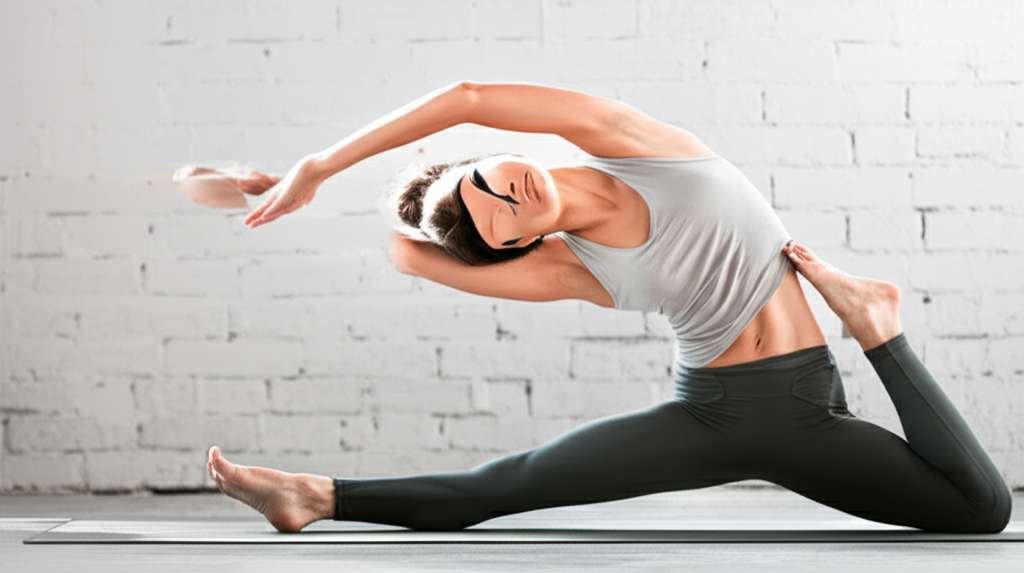
20 Morning Yoga Flows for Beginners: Start Your Day with Effortless Bliss and Gentle Movement.
Waking up can be tough, right? You might feel groggy, stiff, or just not ready to face the day. Many beginners find that starting their day with movement feels daunting, especially if they’re unsure where to begin. It’s completely normal to feel a bit overwhelmed!
But what if you could gently ease into your day, feeling more awake, flexible, and calm? Morning yoga offers just that. It’s a wonderful way to connect with your body and set a positive tone for everything that follows.
This guide is designed to make morning yoga accessible and enjoyable for everyone, no matter your experience level. We’ll explore simple, effective yoga flows that will help you shake off sleepiness and embrace your morning with a sense of peace and energy. Get ready to discover how easy it can be to find your morning bliss!

Why Morning Yoga is a Game-Changer for Beginners
Starting your day with yoga might sound like a lot, but it’s actually one of the most gentle and beneficial ways to wake up your body and mind. Think of it as a warm-up for your entire day, preparing you for whatever comes next.
For beginners, the key is simplicity and consistency. You don’t need fancy poses or an hour on the mat. Even a few minutes of mindful movement can make a huge difference in how you feel. It’s about building a habit that supports your well-being without adding stress.
Morning yoga can help improve flexibility, reduce stiffness, and boost your mood. It’s a fantastic way to create a moment of calm before the day’s demands begin. Let’s dive into how you can easily incorporate these practices into your routine.
Getting Started: Your Beginner’s Yoga Toolkit
Before you begin your yoga journey, having a few simple things can make your practice more comfortable and enjoyable. You don’t need a lot of equipment; just a little preparation goes a long way.
- Yoga Mat: This is your primary tool! A good yoga mat provides cushioning for your joints and a non-slip surface so you feel secure in your poses. Look for one that’s at least 6mm thick for good support.
- Comfortable Clothing: Wear anything that allows you to move freely without restriction. Stretchy pants or shorts and a comfortable top are perfect.
- Water Bottle: Staying hydrated is important, especially before or after your practice. Keep water handy.
- Quiet Space: Find a spot in your home where you won’t be disturbed for a few minutes. This could be your bedroom, living room, or even a quiet corner.
- Patience and Self-Compassion: This is perhaps the most crucial “tool.” Remember that yoga is a practice, not a performance. Be kind to yourself as you learn.
The 20 Morning Yoga Flows: Effortless Beginner Bliss
These flows are designed to be simple, effective, and adaptable. You can mix and match them, or focus on one that resonates with you. The goal is to move gently, breathe deeply, and awaken your body with kindness.
Flow 1: The Gentle Wake-Up (5 Minutes)
This is perfect for those days when you need to move but have very little time. It focuses on opening up the body slowly and intentionally.
- Seated Easy Pose (Sukhasana): Sit comfortably on your mat with your legs crossed. Rest your hands on your knees. Close your eyes and take 5 deep breaths, focusing on the inhale and exhale.
- Seated Cat-Cow: While still seated, place your hands on your knees. Inhale, arch your back, lift your chest, and look slightly up (Cow). Exhale, round your spine, tuck your chin to your chest, and draw your belly button in (Cat). Repeat for 5 rounds.
- Gentle Neck Rolls: Slowly drop your right ear towards your right shoulder. Gently roll your chin down towards your chest, then to your left shoulder. Continue for 3 rounds in each direction.
- Seated Spinal Twist: Inhale, lengthen your spine. Exhale, twist to the right, placing your left hand on your right knee and your right hand behind you. Gaze gently over your right shoulder. Hold for 3 breaths. Inhale back to center, and repeat on the left side.
- Deep Breaths: Return to a comfortable seated position. Take 3 more deep breaths, noticing how your body feels.
Flow 2: The Spine Energizer (7 Minutes)
This flow focuses on mobilizing your spine, which is often stiff after a night’s sleep.
- Tabletop Pose (Bharmanasana): Start on your hands and knees. Align your wrists under your shoulders and your knees under your hips. Keep your spine neutral.
- Cat-Cow (Marjaryasana-Bitilasana): Inhale, drop your belly, arch your back, and lift your gaze (Cow). Exhale, round your spine, tuck your chin to your chest, and press the mat away (Cat). Repeat for 8-10 rounds, synchronizing breath with movement.
- Thread the Needle (Urdhva Mukha Pasasana Variation): From Tabletop, inhale and reach your right arm up towards the ceiling. Exhale, thread your right arm under your left armpit, resting your right shoulder and ear on the mat. Keep your hips lifted over your knees. Hold for 5 breaths. Inhale to unwind, and repeat on the left side.
- Child’s Pose (Balasana): Bring your big toes to touch and widen your knees. Sink your hips back towards your heels and rest your forehead on the mat. Extend your arms forward or rest them alongside your body. Breathe here for 5-8 breaths.
Flow 3: The Hip Opener (10 Minutes)
Hips can hold a lot of tension. This flow gently encourages them to open up, which can release stress and improve mobility.
- Downward-Facing Dog (Adho Mukha Svanasana): From Tabletop, tuck your toes, lift your hips up and back. Keep your knees bent initially if your hamstrings are tight. Pedal your feet, bending one knee then the other. Aim for a long spine. Hold for 5 breaths.
- Low Lunge (Anjaneyasana): From Downward Dog, step your right foot forward between your hands. Lower your left knee to the mat (you can pad it if needed). Inhale and sweep your arms up. Sink your hips forward and down. Hold for 5 breaths.
- Half Splits (Ardha Hanumanasana): From Low Lunge, shift your hips back over your left knee, straightening your right leg. Flex your right foot. You can rest your hands on blocks or the floor. Fold gently over your right leg. Hold for 5 breaths.
- Repeat on Left Side: Step back to Downward Dog, then step your left foot forward for Low Lunge and Half Splits.
- Pigeon Pose Prep (Eka Pada Rajakapotasana Prep): From Downward Dog, bring your right knee forward towards your right wrist. Angle your right shin across your mat. Extend your left leg straight back. You can stay upright on your hands or forearms, or fold forward if comfortable. Hold for 8 breaths. Repeat on the left side.
Flow 4: The Full Body Awakening (12 Minutes)
This flow combines several poses to wake up your entire body, from your toes to your fingertips.
- Mountain Pose (Tadasana): Stand at the top of your mat with your feet hip-width apart or big toes touching. Ground down through your feet, lengthen your spine, and relax your shoulders. Take 3 deep breaths.
- Upward Salute (Urdhva Hastasana): Inhale and sweep your arms overhead, bringing your palms to touch or keeping them shoulder-width apart. Gaze up slightly.
- Standing Forward Fold (Uttanasana): Exhale and hinge at your hips, folding your torso over your legs. Keep a slight bend in your knees. Let your head hang heavy.
- Halfway Lift (Ardha Uttanasana): Inhale, lengthen your spine, bringing your hands to your shins or thighs. Your back should be flat, gaze forward.
- Plank Pose (Phalakasana): Exhale, step your feet back to a plank position. Align your wrists under your shoulders and your body in a straight line. Engage your core. Hold for 5 breaths.
- Knees-Chest-Chin Pose (Ashtanga Namaskara) or Chaturanga Dandasana (optional): Lower your knees to the mat, then lower your chest and chin to the mat, keeping your hips lifted. Or, for a more advanced option, lower your body halfway down in Chaturanga.
- Cobra Pose (Bhujangasana): Inhale, slide your chest forward and lift it slightly off the mat, keeping your elbows close to your body. Press your pubic bone into the mat. Hold for 3 breaths.
- Downward-Facing Dog (Adho Mukha Svanasana): Exhale, tuck your toes, and lift your hips up and back. Hold for 5 breaths.
- Low Lunge (Anjaneyasana): Step your right foot forward between your hands. Lower your left knee. Inhale and sweep your arms up. Hold for 3 breaths.
- Warrior II (Virabhadrasana II): From Low Lunge, spin your back heel down so your foot is parallel to the back of the mat. Open your hips and torso to the side. Extend your arms, front arm forward, back arm back. Gaze over your front fingertips. Hold for 5 breaths.
- Reverse Warrior (Viparita Virabhadrasana): Inhale, reach your right arm up and back, resting your left hand on your left thigh. Gaze up. Hold for 3 breaths.
- Triangle Pose (Trikonasana): Straighten your right leg. Hinge at your right hip, reaching your right hand forward and then down to your shin, ankle, or a block. Extend your left arm up. Gaze up. Hold for 5 breaths.
- Flow through Vinyasa (optional): Step back to Plank, Chaturanga, Upward-Facing Dog (Urdhva Mukha Svanasana) or Cobra, then Downward-Facing Dog.
- Repeat Low Lunge, Warrior II, Reverse Warrior, and Triangle Pose on the left side.
- Seated Forward Fold (Paschimottanasana): Sit on your mat with legs extended. Inhale, lengthen your spine. Exhale, hinge at your hips and fold forward. Hold for 5 breaths.
- Reclining Spinal Twist: Lie on your back. Hug your knees into your chest. Let your knees fall to the right, extending your left arm out to the side. Gaze left. Hold for 5 breaths. Repeat on the other side.
- Savasana (Corpse Pose): Lie flat on your back, arms by your sides, palms facing up. Allow your body to relax completely. Stay for at least 2 minutes.
Flow 5: The Sun Salutation A (Surya Namaskar A) – Modified (15 Minutes)
Sun Salutations are a classic yoga sequence that builds heat and energizes the body. This modified version is perfect for beginners.
Sun Salutation A is a fundamental sequence in yoga. It’s a great way to warm up the body and connect breath with movement. The Yoga Journal offers a great overview of its benefits and how to perform it.
- Mountain Pose (Tadasana): Stand tall at the top of your mat.
- Upward Salute (Urdhva Hastasana): Inhale, sweep arms up.
- Standing Forward Fold (Uttanasana): Exhale, fold forward, knees can be bent.
- Halfway Lift (Ardha Uttanasana): Inhale, lengthen spine.
- Plank Pose (Phalakasana): Exhale, step feet back. Hold for 3 breaths.
- Knees-Chest-Chin Pose: Exhale, lower knees, chest, and chin.
- Cobra Pose (Bhujangasana): Inhale, lift chest.
- Downward-Facing Dog (Adho Mukha Svanasana): Exhale, lift hips. Hold for 5 breaths.
- Low Lunge (Anjaneyasana): Inhale, step right foot forward, lower left knee.
- Mountain Pose: Exhale, bring left foot forward to meet right, return to standing.
- Upward Salute (Urdhva Hastasana): Inhale, sweep arms up.
- Standing Forward Fold (Uttanasana): Exhale, fold forward.
- Halfway Lift (Ardha Uttanasana): Inhale, lengthen spine.
- Plank Pose: Exhale, step feet back. Hold for 3 breaths.
- Knees-Chest-Chin Pose: Exhale, lower knees, chest, and chin.
- Cobra Pose: Inhale, lift chest.
- Downward-Facing Dog: Exhale, lift hips. Hold for 5 breaths.
- Low Lunge: Inhale, step left foot forward, lower right knee.
- Mountain Pose: Exhale, bring right foot forward to meet left, return to standing.
- Repeat this entire sequence 3-5 times.
Flow 6: The Seated Relaxation Flow (8 Minutes)
After a more active morning, this gentle seated flow helps you wind down and integrate the practice.
- Seated Easy Pose (Sukhasana): Start seated comfortably. Take 5 deep breaths.
- Seated Forward Bend (Paschimottanasana Variation): Extend your legs forward. Inhale, reach your arms up. Exhale, hinge at your hips and fold forward. Don’t worry about touching your toes; focus on lengthening your spine and feeling a gentle stretch. Hold for 8 breaths.
- Seated Side Bend: Inhale, reach your right arm up. Exhale, bend to your left, feeling a stretch along your right side. Hold for 5 breaths. Inhale back to center, and repeat on the other side.
- Seated Twist: Inhale, lengthen. Exhale, twist to the right, placing your left hand on your right knee. Hold for 5 breaths. Repeat on the left.
- Legs Up the Wall Pose (Viparita Karani) – Modified: Sit near a wall and swing your legs up the wall as you lie back. You can place a cushion under your hips for added comfort. Relax here for at least 2 minutes, breathing deeply.
Flow 7: The Standing Balance Builder (10 Minutes)
A little bit of balance work in the morning can improve focus and coordination throughout the day.
- Mountain Pose (Tadasana): Stand tall, grounding through your feet.
- Tree Pose (Vrksasana): Shift your weight onto your left foot. Bring the sole of your right foot to your inner left ankle, calf, or thigh (avoid the knee joint). Bring your hands to heart center or extend them overhead. Hold for 5 breaths. Repeat on the other side.
- Warrior III Prep (Virabhadrasana III Prep): From Mountain Pose, shift your weight onto your left foot. Hinge forward at your hips, extending your right leg straight back. You can keep your hands at heart center or on blocks in front of you. Aim for a straight line from your head to your heel. Hold for 3-5 breaths. Repeat on the other side.
- Eagle Pose Arms (Garudasana Arms): Inhale, reach your arms forward. Cross your right arm under your left arm at the elbows, then bring your forearms together, trying to bring your palms to touch. Gently lift your elbows and feel the stretch across your upper back. Hold for 5 breaths. Switch arm positions and repeat.
Flow 8: The Hip & Hamstring Release (12 Minutes)
This flow targets areas that often feel tight, promoting greater ease of movement.
- Downward-Facing Dog (Adho Mukha Svanasana): Start here, pedaling your feet.
- Three-Legged Dog (Tri Pada Adho Mukha Svanasana): Inhale and lift your right leg high behind you, keeping your hips square. Hold for 3 breaths.
- Low Lunge: Step your right foot forward between your hands, lower your left knee.
- Reclining Pigeon (Supta Kapotasana): Lie on your back. Bend your knees and place your feet flat on the floor. Cross your right ankle over your left thigh, just above the knee. Flex your right foot. Reach through the gap and interlace your fingers behind your left thigh, gently drawing it towards you. Hold for 8 breaths. Repeat on the other side.
- Happy Baby Pose (Ananda Balasana): Lie on your back. Hug your knees to your chest. Open your knees wider than your torso and bring them towards your armpits. Grab the outsides of your feet or ankles. Gently rock side to side if it feels good. Hold for 8 breaths.
Flow 9: The Core Awakening (7 Minutes)
Engaging your core can improve posture and energy levels. This flow is gentle but effective.
- Plank Pose (Phalakasana): Start in a strong plank. Engage your core by drawing your belly button towards your spine. Hold for 5 breaths.
- Forearm Plank: Lower down to your forearms, keeping your body in a straight line. Hold for 5 breaths.
- Plank with Knee Taps: From Plank Pose, slowly tap your right knee to the mat, then inhale back to Plank. Tap your left knee to the mat, then inhale back to Plank. Alternate for 10 taps.
- Boat Pose (Paripurna Navasana): Sit on your mat with your knees bent and feet flat. Lean back slightly, lifting your chest. Extend your arms forward. For a challenge, lift your feet off the floor, bringing your shins parallel to the mat. Hold for 5 breaths.
Flow 10: The Restorative Wake-Up (15 Minutes)
This flow is about gentle stretching and deep relaxation, perfect for a slow start.
- Supported Bridge Pose (Setu Bandhasana): Lie on your back with knees bent and feet flat on the floor hip-width apart. Place a yoga block (or firm cushion) under your sacrum (the flat bone at the base of your spine). Allow your body to relax onto the support. Hold for 2-3 minutes, breathing deeply.
- Supine Spinal Twist: Remove the block and hug your knees to your chest. Let your knees fall to one side, extending the opposite arm. Hold for 1 minute on each side.
- Reclining Bound Angle Pose (Supta Baddha Konasana): Lie on your back. Bring the soles of your feet together and let your knees fall open to the sides. Place your hands on your belly or by your sides. Relax here for 3-5 minutes.
- Savasana (Corpse Pose): Extend your legs and arms, allowing your body to be heavy. Relax for at least 5 minutes.
Flow 11: The Energizing Flow (10 Minutes)
This sequence is designed to boost your energy levels and make you feel more alert.
- Mountain Pose (Tadasana): Stand tall.
- Sun Breath (Surya Bhedana Pranayama – optional): Close your left nostril with your right thumb. Inhale through your right nostril. Close your right nostril with your right ring finger, exhale through your left nostril. Repeat for 5-10 rounds. (This is a breathing exercise to energize).
- Warrior II (Virabhadrasana II): Step your right foot forward, turn your back foot parallel to the back of the mat. Extend arms. Hold for 5 breaths.
- Reverse Warrior: Inhale, reach right arm up and back. Hold for 3 breaths.
- Chair Pose (Utkatasana): Bring your feet together at the top of the mat. Bend your knees as if sitting in a chair, sweeping your arms overhead. Engage your core. Hold for 5 breaths.
- Repeat Warrior II, Reverse Warrior, and Chair Pose on the left side.
Flow 12: The Grounding Flow (8 Minutes)
If you feel scattered, this flow helps you feel more centered and present.
- Mountain Pose (Tadasana): Feel your feet firmly on the ground.
- Standing Forward Fold with Ragdoll: From Mountain Pose, forward fold. Let your knees be very bent. Grab opposite elbows and sway gently side to side. Hold for 5 breaths.
- Low Lunge: Step your right foot forward, lower your left knee. Focus on the sensation of your feet on the mat. Hold for 5 breaths.
- Child’s Pose (Balasana): Sink back onto your heels. Feel the earth supporting you. Hold for 8 breaths.
- Savasana (Corpse Pose): Lie down and feel the weight of your body melting into the floor.
Flow 13: The Gentle Twist Flow (7 Minutes)
Twists are excellent for digestion and releasing tension in the torso.
- Seated Easy Pose: Begin with a few deep breaths.
- Seated Spinal Twist: Inhale to lengthen, exhale to twist right. Hold for 5 breaths. Repeat left.
- Cat-Cow: In Tabletop, perform 8 rounds of Cat-Cow, focusing on the movement of your spine.
- Reclining Spinal Twist: Lie on your back, hug knees, and let them fall to one side. Hold for 1 minute each side.
Flow 14: The Hip Flexor Opener (10 Minutes)
Sitting for long periods can tighten hip flexors, so this flow is very beneficial.
- Low Lunge: Step right foot forward, lower left knee. Ensure your right knee is stacked over your right ankle. Hold for 5 breaths.
- Runner’s Stretch: From Low Lunge, shift your hips back, straightening your front leg. Flex your front foot. Hold for 5 breaths.
- Kneeling Hip Flexor Stretch: From Low Lunge, tuck your back toes and lift your back knee. You can keep your hands on the floor, on blocks, or sweep them overhead. Feel the stretch in the front of your back hip. Hold for 8 breaths.
- Repeat all poses on the left side.
Flow 15: The Shoulder and Chest Opener (8 Minutes)
Counteract slouching and computer posture with this opening flow.
- Tabletop Pose: Start on hands and knees.
- Thread the Needle: Inhale right arm up, exhale thread under left. Hold for 5 breaths. Repeat left.
- Puppy Pose (Uttana Shishosana): From Tabletop, walk your hands forward, keeping your hips stacked over your knees. Lower your forehead or chin to the mat. Feel the stretch in your shoulders and upper back. Hold for 8 breaths.
- Cobra Pose (Bhujangasana): Lie on your belly, inhale to lift your chest. Hold for 3 breaths.
- Cow Face Pose Arms (Gomukhasana Arms) – Seated: Sit comfortably. Inhale, reach your right arm up. Bend your elbow and let your hand fall down your back. Reach your left arm behind your back and try to clasp your hands. If you can’t clasp, use a strap. Hold for 5 breaths. Switch arm positions.
Flow 16: The Breath and Movement Sync (7 Minutes)
This flow emphasizes the connection between your breath and your body’s movement.
- Seated Breath Awareness: Sit comfortably. Take 10 slow, deep breaths, focusing on the sensation of the breath entering and leaving your body.
- Seated Cat-Cow: Perform 8 rounds, inhaling into Cow, exhaling into Cat.
- Downward-Facing Dog to Plank: From Downward Dog, inhale to Plank. Exhale back to Downward Dog. Repeat 5 times, feeling the transition with your breath.
- Cobra Pose: Inhale to Cobra, exhale to lower. Repeat 3 times.
Flow 17: The Full Body Stretch (12 Minutes)
A comprehensive stretch to start the day feeling long and open.
- Downward-Facing Dog: Hold for 5 breaths.
- Three-Legged Dog: Right leg up. Hold for 3 breaths.
- Low Lunge: Right foot forward, left knee down. Hold for 5 breaths.
- Half Splits: Shift hips back, straighten right leg. Hold for 5 breaths.
- Reclining Pigeon: Lie on back, cross right ankle over left thigh. Hold for 8 breaths.
- Happy Baby Pose: Hold for 8 breaths.
- Repeat poses 2-5 on the left side.
- Seated Forward Fold: Hold for 8 breaths.
- Savasana: Relax for 2 minutes.
Flow 18: The Mindful Wake-Up (10 Minutes)
This flow focuses on being present and aware of your body’s sensations.
- Seated Meditation: Sit comfortably. Close your eyes. Simply observe your breath for 2 minutes.
- Body Scan: While still seated or lying down, bring your awareness to different parts of your body, from your toes to the crown of your head, without judgment. Take 3 breaths for each area.
- Gentle Stretches: Perform a few simple stretches like seated cat-cow, gentle twists, and reaching arms overhead, paying attention to the sensations in your body.
- Mindful Movement: Move through a few poses like Mountain Pose, gentle forward folds, and perhaps a brief Downward-Facing Dog, focusing on how each movement feels.
Flow 19: The Quick Energy Boost (5 Minutes)
When you’re short on time but need a burst of energy.
- Jumping Jacks (or Step Jacks): 30 seconds.
- High Knees (or Marching in Place): 30 seconds.
- Sun Breath (Pranayama): Inhale through right nostril, exhale through left. Repeat 10 times.
- Standing Forward Fold: Hold for 5 breaths.
- Mountain Pose: Stand tall, take 3 deep breaths.
Flow 20: The Gratitude Flow (15 Minutes)
End your morning practice by cultivating a sense of gratitude.
- Seated Easy Pose: Begin with 1 minute of silent gratitude for waking up today.
- Sun Salutation A (Modified): Perform 2-3 rounds, silently offering gratitude for each movement or pose.
- Heart Opening Poses: Practice Cobra Pose or Supported Bridge Pose for 1 minute each, focusing on the feeling of openness in your chest.
- Seated Forward Fold: Hold for 1 minute, giving thanks for the strength and flexibility in your body.
- Seated Meditation: Sit for 3 minutes, focusing on what you are grateful for. Silently list things that come to mind.
- Savasana: End with 3-5 minutes of deep relaxation, feeling a sense of peace and appreciation.
Benefits of a Consistent Morning Yoga Practice
Sticking with a morning yoga routine, even for just a few minutes, can unlock a cascade of positive effects. It’s not just about physical flexibility; the mental and emotional benefits are just as significant.
Regular practice can lead to improved focus and concentration throughout your day. You might find yourself feeling less stressed and more emotionally balanced. Physically, it can help alleviate aches and pains, improve posture, and boost your metabolism. Think of it as an investment in your overall well-being.
Here’s a quick look at some key benefits:
| Benefit Category | Specific Benefits |
|---|---|
| Physical | Increased flexibility, improved strength, better posture, reduced stiffness, enhanced circulation, potential metabolism boost. |
| Mental | Reduced stress and anxiety, improved focus and concentration, enhanced mindfulness, clearer thinking, increased self-awareness. |
| Emotional | Better mood regulation, increased sense of calm, greater patience, boosted self-esteem, a positive start to the day. |
| Habit Formation | Establishes a healthy routine, promotes self-care, creates a moment of peace before daily demands. |
Tips for Sticking with Your Morning Yoga Routine
Starting is one thing, but staying consistent is where the real magic happens. Here are some practical tips to help you make morning yoga a lasting habit.
- Start Small: Don’t aim for an hour-long session right away. Even 5-10 minutes is a great start. Consistency is more important than duration.
- Prepare the Night Before: Lay out your yoga clothes and set up your mat. This removes a common barrier when you’re still half asleep.
- Find Your “Why”: Remind yourself why you want to practice yoga. Is it for energy, stress relief, flexibility? Keeping your motivation clear helps.
- Be Flexible: If you miss a day, don’t beat yourself up. Just get back on your mat the next day. Life happens, and it’s okay to be imperfect.
- Make it Enjoyable: Play some calming music, light a candle, or simply focus on the feeling of moving your body. Find what makes it a pleasant experience for you.
- Track Your Progress: A simple journal can help you note how you feel after each session. Seeing improvements can be very motivating.
- Find a Buddy: If possible, practice with a friend or family member, or join an online community for support.
When to Practice and How Long
The beauty of morning yoga is its flexibility. The best time is truly whenever you can fit it in and feel most receptive. For many, this is right after waking up, before checking emails or getting caught up in the day’s tasks.
As for duration, start with what feels manageable. Even 5 minutes of mindful movement can shift your state. Gradually, you can increase your practice time to 10, 15, or even 30 minutes as you feel more comfortable and your body craves more.
If you’re struggling to find time, consider these options:
- 5-Minute Flows: Perfect for busy mornings.
- 10-15 Minute Sequences: A good balance for a more thorough wake-up.
- 20-30 Minute Sessions: For days when you have more time to dedicate.
The key is to find a rhythm that works for you. Some days you might want an energizing flow, other days a more restorative one. Listen to your body’s needs.
FAQ: Your Beginner Morning Yoga Questions Answered
Here are some common questions beginners have about starting a morning yoga practice.
Q1: I’m not flexible at all. Can I still do yoga?
Absolutely! Yoga is a practice, not a competition. Beginners often start with limited flexibility. The poses are designed to be modified. As you practice regularly, you’ll naturally become more flexible. Don’t let perceived lack of flexibility stop you from starting.
Q2: How much time do I really need?
You can gain benefits from just 5-10 minutes of mindful movement. It’s better to do a short practice consistently than a long one sporadically. Start small and build from there.
Q3: What if I feel tired or groggy?
That’s perfectly normal! Morning yoga is designed to help with that. Gentle movements and deep breaths can actually increase your energy levels. If you feel very tired, choose a more restorative flow or simply focus on your breath.
Q4: Do I need to be a morning person?
Not at all! If you’re not a natural morning person, starting with yoga can actually help you transition into becoming one. The practice can make waking up feel more purposeful and less of a struggle.
Q5: What’s the best time of day to practice yoga?
While morning is ideal for many to set a positive tone, yoga can be practiced at any time. If mornings don’t work, try an afternoon or evening session. The benefits of movement and mindfulness are available whenever you choose to practice.
Q6: What if I don’t have a yoga mat?
You can start on a carpeted floor or a comfortable rug. If you have a towel, you can use that for a bit of grip and cushioning. A mat is helpful for support and stability, but it’s not a requirement to begin.
Q7: How do I know if I’m doing the poses correctly?
Focus on how the pose feels in your body rather than how it looks. Listen to your body; it will tell you if something doesn’t feel right. Watching beginner yoga videos online can also be helpful for visual guidance.
Conclusion: Your Morning Bliss Awaits
Embarking on a morning yoga practice is a beautiful way to honor yourself and set a positive intention for your day. These 20 beginner-friendly flows are designed to be accessible, enjoyable, and effective. Remember, the goal isn’t perfection, but presence and gentle self-care.
Whether you have five minutes or fifteen, choose a flow that resonates with you today. Feel the connection between your breath and your body, notice the subtle shifts in your energy, and acknowledge the calm that can arise from even the simplest movement. You have the power to transform your mornings and, in turn, your entire day.
Keep exploring, keep breathing, and enjoy the effortless bliss that morning yoga can bring. Your mat is waiting, and your journey to a more centered and energized you starts now.
As an Amazon Associate, We earn from qualifying purchases. When you purchase a product through Amazon links on pulsefitguide.com, we may earn a small commission at no extra cost to you. This helps support the site and keep our content free.