

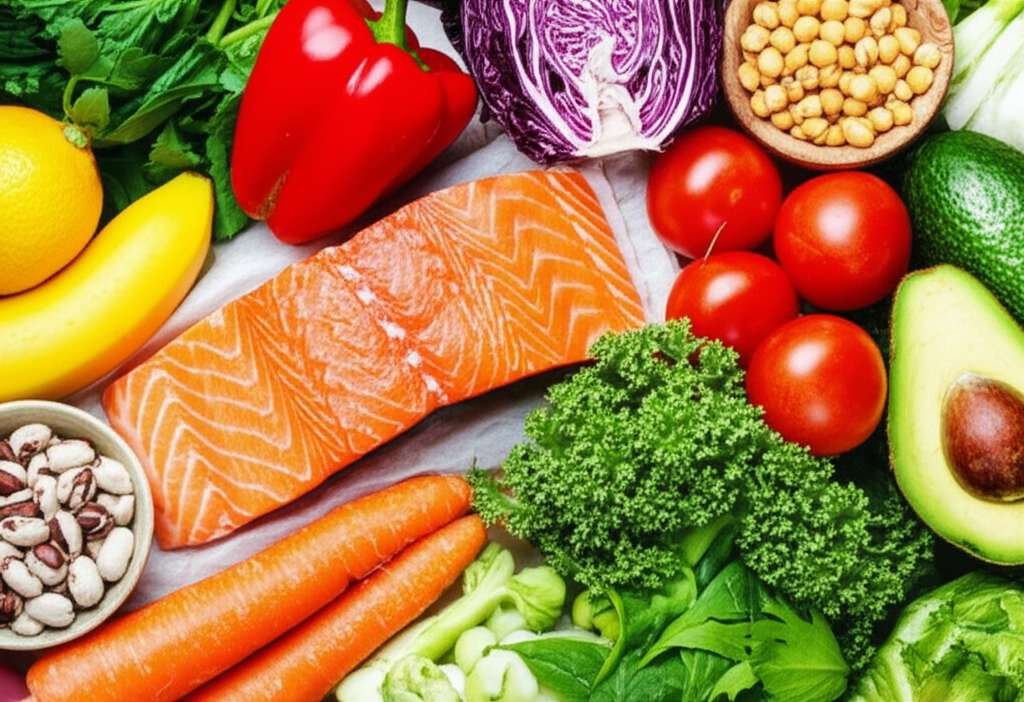
Quick Summary:
Embrace these 20 low-calorie foods to support fatty liver weight loss. They’re packed with nutrients and help you feel full, making it easier to manage your weight and improve liver health. This list provides a simple, actionable guide for beginners.
20 Low Calorie Foods: Your Essential Guide to Fatty Liver Weight Loss
Struggling with fatty liver and weight loss can feel overwhelming, right? It’s tough when you want to get healthier but aren’t sure where to start, especially with all the confusing advice out there. You’re not alone in feeling this way.
The good news is, making smart food choices can make a big difference. We’re going to break down exactly what to eat, focusing on simple, delicious foods that are low in calories and great for your liver.
This guide will show you how to fill your plate with nutrient-rich, low-calorie options that help you shed pounds and support your liver’s well-being. Let’s get started on this journey together!
Understanding Fatty Liver and Weight Loss
Fatty liver disease, also known as non-alcoholic fatty liver disease (NAFLD), is a condition where excess fat builds up in your liver. This can happen for many reasons, but being overweight or obese is a major factor.
When you have too much fat in your liver, it can become inflamed and damaged. This can lead to more serious liver problems over time. The most effective way to manage and even reverse fatty liver is often through lifestyle changes, with weight loss being a cornerstone.
Losing even a small amount of weight, like 5-10% of your body weight, can significantly reduce fat in your liver and improve its function. The key is to lose weight in a healthy, sustainable way.
Why Low-Calorie Foods are Key for Fatty Liver
When you’re aiming to lose weight, especially with fatty liver, focusing on low-calorie, nutrient-dense foods is super important. These foods help you feel full and satisfied without consuming a lot of excess energy (calories).
Think of it like this: you want to get the most nutritional bang for your caloric buck. Low-calorie foods are often high in fiber, water, and essential vitamins and minerals, which are all beneficial for your overall health and specifically for liver support.
By choosing these foods, you can create a calorie deficit needed for weight loss while still getting the nutrients your body needs to function optimally and help your liver heal. This approach helps prevent cravings and overeating, making your weight loss journey smoother.
The Power of Fiber and Water
Two of the most powerful allies in your low-calorie, fatty liver weight loss plan are fiber and water. They work together to help you feel full and satisfied, which is crucial when you’re reducing your calorie intake.
Fiber is a type of carbohydrate that your body can’t digest. It adds bulk to your meals, slowing down digestion and keeping you feeling full for longer. This can help curb those pesky hunger pangs that often lead to unhealthy snacking.
Water is also essential. Drinking plenty of water throughout the day can help boost your metabolism and aid in flushing out toxins. It also fills your stomach, contributing to that feeling of fullness and reducing the urge to eat when you’re not truly hungry.
20 Low Calorie Foods Essential for Fatty Liver Weight Loss
Here are 20 fantastic, low-calorie foods that are perfect for supporting your fatty liver weight loss goals. They are versatile, packed with nutrients, and readily available.
1. Leafy Greens (Spinach, Kale, Romaine Lettuce)
These are nutritional powerhouses! They are incredibly low in calories but loaded with vitamins, minerals, and antioxidants. Their high fiber content helps you feel full, making them perfect for salads or as a side dish.
2. Berries (Blueberries, Strawberries, Raspberries)
Berries are naturally sweet and bursting with antioxidants and fiber. They are lower in sugar than many other fruits, making them an excellent choice for managing blood sugar and supporting liver health.
3. Broccoli and Cauliflower
These cruciferous vegetables are low in calories and high in fiber and beneficial compounds that can help protect your liver. They can be steamed, roasted, or added to stir-fries.
4. Asparagus
Asparagus is a spring favorite that’s low in calories and a good source of folate and vitamins A, C, E, and K. It’s great steamed or grilled.
5. Cucumbers
Composed mostly of water, cucumbers are incredibly low in calories and hydrating. They are a refreshing addition to salads, sandwiches, or can be enjoyed on their own as a crunchy snack.
6. Zucchini and Squash
These summer squashes are low in calories and carbohydrates, making them a fantastic substitute for pasta or grains. They are also a good source of vitamins and fiber.
7. Tomatoes
Tomatoes are low in calories and rich in vitamins C and K, potassium, and lycopene, an antioxidant that may benefit heart and liver health.
8. Bell Peppers
Colorful and versatile, bell peppers are low in calories and packed with vitamin C and antioxidants. They add crunch and flavor to many dishes.
9. Mushrooms
Mushrooms are a great low-calorie, low-carb food that can add an “umami” flavor to meals. They also contain B vitamins and selenium.
10. Carrots
While slightly higher in natural sugars than some other vegetables, carrots are still low in calories and very high in beta-carotene, which your body converts to Vitamin A. This vitamin is crucial for many bodily functions, including liver health.
11. Lean Poultry (Chicken Breast, Turkey Breast)
When you remove the skin, chicken and turkey breast are excellent sources of lean protein. Protein is vital for satiety and muscle maintenance during weight loss, and lean options keep calorie counts down.
12. Fish (Cod, Haddock, Tilapia)
White fish like cod, haddock, and tilapia are very low in fat and calories, offering a good source of lean protein. They are lighter options compared to fattier fish, making them ideal for a calorie-conscious diet.
13. Eggs
Eggs are a fantastic source of high-quality protein and essential nutrients. Despite past concerns, research shows dietary cholesterol in eggs doesn’t significantly impact blood cholesterol for most people. They are very filling and can be prepared in numerous low-calorie ways.
14. Plain Greek Yogurt
Opt for plain, non-fat Greek yogurt. It’s much higher in protein than regular yogurt, which helps you feel full longer, and is lower in calories. It’s a great base for snacks or breakfast.
15. Lentils
Lentils are a plant-based protein and fiber superstar. They are incredibly filling, low in calories, and help stabilize blood sugar levels, which is beneficial for liver health.
16. Beans (Black Beans, Kidney Beans, Chickpeas)
Like lentils, beans are packed with fiber and protein, making them very satisfying. They are a budget-friendly and versatile addition to meals.
17. Tofu and Tempeh
These soy-based proteins are excellent vegetarian and vegan options for lean protein. They are low in calories and can absorb the flavors of other ingredients beautifully.
18. Apples
Apples are a good source of fiber, particularly pectin, which can help with satiety and digestion. They are a convenient, portable, and relatively low-calorie snack.
19. Grapefruit
This citrus fruit is known for its lower calorie count and high water content. Some studies suggest it may aid in weight loss, though more research is needed. It’s a refreshing start to the day.
20. Herbal Teas (Green Tea, Peppermint Tea)
While not a food, zero-calorie beverages like herbal teas are crucial. Green tea, in particular, contains antioxidants that may support liver health and metabolism. Staying hydrated with zero-calorie drinks is key to weight management.
Sample Meal Ideas Using Low-Calorie Foods
Putting these foods into practice can be easier than you think! Here are some simple meal ideas to get you started, focusing on delicious combinations that support your fatty liver weight loss goals.
Breakfast Ideas
- Spinach and Mushroom Omelet: Two eggs scrambled with a generous handful of spinach and sliced mushrooms. Serve with a side of sliced tomatoes.
- Greek Yogurt Parfait: Plain non-fat Greek yogurt topped with a small serving of mixed berries and a sprinkle of chia seeds.
- Green Smoothie: Blend spinach, half a banana, a few berries, and unsweetened almond milk or water.
Lunch Ideas
- Large Salad with Grilled Chicken: Mixed greens, cucumber, bell peppers, tomatoes, and a 3-4 oz grilled chicken breast. Use a light vinaigrette dressing.
- Lentil Soup: A hearty bowl of homemade lentil soup packed with vegetables like carrots, celery, and onions.
- Tuna Salad Lettuce Wraps: Tuna (packed in water, drained) mixed with a little plain Greek yogurt instead of mayonnaise, served in crisp lettuce cups with chopped celery.
Dinner Ideas
- Baked Cod with Roasted Asparagus: A 4-6 oz fillet of cod baked with lemon and herbs, served with a side of roasted asparagus.
- Turkey and Vegetable Stir-fry: Lean ground turkey stir-fried with broccoli, bell peppers, and zucchini in a light soy or tamari sauce. Serve with a small portion of brown rice or quinoa if desired.
- Chicken Breast with Steamed Greens: A 4-6 oz grilled or baked chicken breast served with a large portion of steamed kale or spinach.
Snack Ideas
- A handful of berries
- Cucumber slices with a tablespoon of hummus
- A small apple
- A hard-boiled egg
- A small bowl of plain Greek yogurt
Making Sustainable Changes for Long-Term Success
Adopting a low-calorie, liver-friendly diet is more than just a temporary fix; it’s about building sustainable habits. The goal is to make healthy eating a natural part of your lifestyle, not a chore.
Focus on gradual changes rather than drastic overhauls. For example, try swapping one sugary drink a day for water or adding an extra serving of vegetables to your dinner. Small, consistent steps build momentum and lead to lasting results.
Listen to your body and find what works best for you. Experiment with different recipes and food combinations to keep things interesting and enjoyable. Remember, consistency is key when it comes to both weight loss and improving liver health.
The Role of Hydration and Physical Activity
While food is a major player, don’t forget about hydration and movement! These two elements are incredibly important for weight loss and supporting your liver.
Drinking plenty of water throughout the day is crucial. It helps with metabolism, keeps you feeling full, and supports your body’s natural detoxification processes. Aim for at least 8 glasses (64 ounces) of water daily, and more if you’re active or in a warm climate.
Regular physical activity is also vital. Exercise helps burn calories, build muscle (which boosts metabolism), and can directly improve liver fat content. Aim for at least 150 minutes of moderate-intensity aerobic activity per week, plus muscle-strengthening activities at least two days a week. Even a brisk walk can make a significant difference!
The National Institute of Diabetes and Digestive and Kidney Diseases (NIDDK), part of the National Institutes of Health, provides excellent resources on NAFLD and lifestyle management. You can find detailed information on their website, which can offer further support and evidence-based guidance: NIDDK Fatty Liver Disease Information.
When to Seek Professional Help
While this guide provides valuable information, it’s essential to remember that everyone’s health journey is unique. If you have fatty liver disease or are struggling with significant weight loss, consulting with healthcare professionals is highly recommended.
A doctor can accurately diagnose your condition, monitor your progress, and provide personalized medical advice. A registered dietitian or nutritionist can help you create a tailored meal plan that meets your specific nutritional needs and weight loss goals, ensuring it’s safe and effective for your fatty liver condition.
Don’t hesitate to reach out for support. Your healthcare team can offer guidance, motivation, and ensure you’re on the best path to improving your liver health and achieving your weight loss goals.
Frequently Asked Questions (FAQ)
What is fatty liver disease?
Fatty liver disease is a condition where too much fat builds up in your liver. It can occur in people who drink alcohol (alcoholic fatty liver disease) or in those who don’t (non-alcoholic fatty liver disease or NAFLD). NAFLD is more common and is often linked to being overweight, high cholesterol, and diabetes.
Can I reverse fatty liver with diet and weight loss?
Yes, in many cases, fatty liver disease, especially NAFLD, can be reversed or significantly improved with lifestyle changes, particularly weight loss and a healthy diet. Losing 5-10% of your body weight can reduce liver fat and inflammation.
How quickly should I expect to lose weight for fatty liver?
A healthy and sustainable weight loss rate is typically 1-2 pounds per week. Focusing on gradual, consistent changes in diet and exercise is more effective for long-term health and liver improvement than rapid weight loss.
Are there any foods I should strictly avoid for fatty liver?
Yes, it’s generally recommended to limit or avoid foods high in added sugars (like sugary drinks, candies, and desserts), refined carbohydrates (white bread, pasta), saturated and trans fats (fried foods, fatty meats, processed snacks), and excessive alcohol. These can worsen fat buildup in the liver.
Can I eat fruit if I have fatty liver?
Absolutely! Fruit is a vital part of a healthy diet. Focus on whole fruits, which contain fiber that helps manage blood sugar. Berries, apples, and grapefruit are excellent low-calorie, high-fiber choices. Be mindful of portion sizes, especially with fruits that are higher in natural sugars.
Is it safe to exercise if I have fatty liver?
Yes, regular physical activity is highly recommended for managing fatty liver disease and promoting weight loss. Aim for a mix of aerobic exercise (like brisk walking, swimming, cycling) and strength training. Always consult your doctor before starting a new exercise program, especially if you have any underlying health conditions.
What are the best low-calorie snacks for fatty liver weight loss?
Great low-calorie snack options include a small handful of berries, apple slices, cucumber sticks, a hard-boiled egg, plain non-fat Greek yogurt, or a small portion of raw vegetables like carrots or bell peppers. These provide nutrients and fiber to keep you feeling full between meals.
Conclusion
Embarking on a weight loss journey to manage fatty liver can seem daunting, but it’s incredibly achievable with the right knowledge and a supportive approach. By focusing on a diet rich in low-calorie, nutrient-dense foods like the 20 options we’ve explored, you’re taking powerful steps towards a healthier liver and a healthier you.
Remember that consistency, hydration, and regular physical activity are your allies in this process. These habits, combined with mindful eating, will not only help you shed unwanted pounds but also contribute significantly to reducing fat in your liver and improving your overall well-being.
You’ve got this! Keep making those smart choices, celebrate your progress, and don’t hesitate to lean on your support system, including healthcare professionals, as you navigate your path to a healthier, more vibrant life. Your liver will thank you for it!
As an Amazon Associate, We earn from qualifying purchases. When you purchase a product through Amazon links on pulsefitguide.com, we may earn a small commission at no extra cost to you. This helps support the site and keep our content free.