

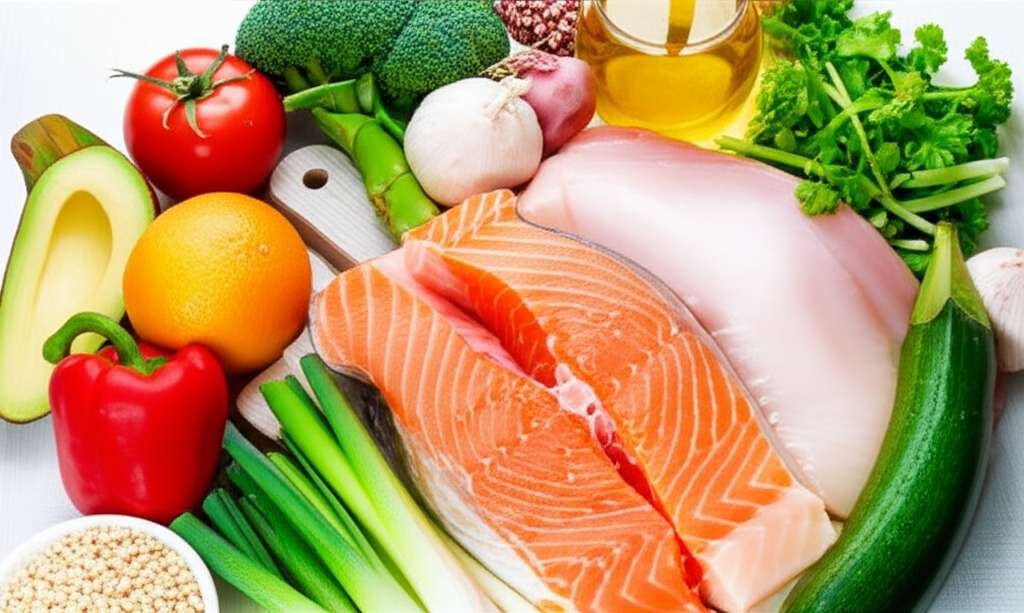
Summary: Eating specific, nutrient-rich foods daily can significantly aid fatty liver weight loss. Focus on whole, unprocessed options like fruits, vegetables, lean proteins, and healthy fats to reduce liver fat and shed pounds effectively. This guide provides 20 essential foods and simple strategies for success.
Having a fatty liver can feel confusing, especially when you’re trying to lose weight. You might wonder why it’s so hard to shed those extra pounds or what changes will actually make a difference for your liver health.
It’s totally understandable to feel overwhelmed! The good news is that with the right approach, you can make real progress. We’ll break down exactly which foods can help your liver and your weight, step by step.
This guide is your friendly roadmap to understanding how daily food choices can transform your journey. Get ready to discover 20 powerful foods that can help you on your path to a healthier liver and a lighter you!
Understanding Fatty Liver and Weight Loss
Before diving into the delicious foods, let’s quickly chat about what fatty liver is and why weight loss is so important for it. Fatty liver disease, often called hepatic steatosis, simply means there’s too much fat built up in your liver cells. It’s a common condition, and sometimes it doesn’t cause major problems, but it can lead to more serious liver issues over time if not managed.
For many people, especially those with non-alcoholic fatty liver disease (NAFLD), excess weight is a major factor. Losing even a modest amount of weight – around 5-10% of your body weight – can significantly reduce the fat in your liver and improve its function. This is where your daily food choices become super important.
Think of your liver like a busy processing plant. When it’s overloaded with fat, it can’t work as efficiently. By choosing the right foods, you’re essentially helping to clean out that plant and give it the tools it needs to function better, while also helping your body burn excess fat overall.
Why This Approach Works
The foods we’ll discuss are packed with nutrients that help your liver detoxify, reduce inflammation, and improve its sensitivity to insulin. Insulin resistance is often a partner to fatty liver, and these foods can help tackle that head-on.
Plus, they are generally lower in calories and higher in fiber and protein, which helps you feel full and satisfied. This makes sticking to a weight loss plan much easier and more sustainable. It’s all about making smart, nourishing choices that support your body’s natural healing processes.
20 Foods to Eat Daily for Fatty Liver Weight Loss
Here’s your ultimate list of 20 fantastic foods that can become your daily allies in combating fatty liver and shedding weight. We’ve chosen these for their proven benefits, and they are easy to find and incorporate into your meals.
1. Berries (Blueberries, Strawberries, Raspberries)
Berries are nutritional powerhouses! They are loaded with antioxidants, particularly anthocyanins, which can help protect your liver from damage and reduce inflammation. Their high fiber content also aids in weight management by keeping you feeling full.
Why they help: Antioxidants fight oxidative stress, a common issue with fatty liver. Fiber promotes satiety.
How to eat them: Add to oatmeal, yogurt, smoothies, or enjoy them as a snack.
2. Fatty Fish (Salmon, Mackerel, Sardines)
These fish are champions for liver health thanks to their high omega-3 fatty acid content. Omega-3s are known to reduce inflammation and can help decrease the amount of fat in your liver. They also provide lean protein, essential for muscle maintenance during weight loss.
Why they help: Omega-3s reduce liver fat and inflammation. High-quality protein supports metabolism.
How to eat them: Grilled, baked, or pan-seared. Aim for at least two servings per week.
3. Broccoli and Other Cruciferous Vegetables
Broccoli, cauliflower, Brussels sprouts, and kale are rich in compounds that help your liver process toxins more efficiently. They also provide fiber and essential vitamins, supporting overall health and weight loss efforts.
Why they help: Contain glucosinolates that support detoxification pathways. High fiber for fullness.
How to eat them: Steamed, roasted, or added to stir-fries and salads.
4. Walnuts
These nuts are a great source of omega-3 fatty acids (ALA), as well as antioxidants and other beneficial compounds. Studies suggest that regular walnut consumption may help improve liver enzyme levels in people with NAFLD.
Why they help: Provide plant-based omega-3s and antioxidants that support liver function.
How to eat them: A small handful as a snack, sprinkled on salads, or added to yogurt.
5. Olive Oil
Extra virgin olive oil is a cornerstone of the Mediterranean diet, renowned for its health benefits. It’s packed with monounsaturated fats and antioxidants that can help reduce liver fat, improve insulin sensitivity, and lower harmful cholesterol levels.
Why they help: Healthy monounsaturated fats reduce liver fat and inflammation.
How to eat them: Use for salad dressings, for light sautéing, or as a finishing oil.
6. Garlic
Garlic contains allicin and selenium, compounds that have been shown to help protect the liver from damage and improve its function. It’s also low in calories and can add a lot of flavor to your meals, helping you reduce the need for salt or unhealthy fats.
Why they help: Allicin and selenium offer protective benefits for the liver.
How to eat them: Freshly minced in cooking, roasted, or even raw in moderation.
7. Green Tea
The catechins in green tea, particularly EGCG, are powerful antioxidants that may help reduce the amount of fat in the liver and protect liver cells. It’s also a great calorie-free beverage option.
Why they help: Catechins combat oxidative stress and may reduce liver fat accumulation.
How to eat them: Brewed and enjoyed hot or cold, unsweetened.
8. Oatmeal (Whole Rolled Oats)
Oats are a fantastic source of soluble fiber, especially beta-glucans. This type of fiber can help improve gut health, reduce inflammation, and may even contribute to weight loss by increasing feelings of fullness. A healthier gut can positively impact liver health.
Why they help: Soluble fiber aids digestion, promotes satiety, and can help manage blood sugar.
How to eat them: Cooked as porridge with water or unsweetened milk, topped with berries or nuts.
9. Grapefruit
Grapefruit contains antioxidants like naringenin and naringin, which have been studied for their potential to protect the liver by reducing inflammation and safeguarding liver cells. It’s also a good source of vitamin C.
Why they help: Antioxidants offer liver protection. Vitamin C supports immune function.
How to eat them: Fresh, as a snack, or added to fruit salads. Be mindful of potential medication interactions.
10. Avocados
Avocados are rich in healthy monounsaturated fats and fiber, making them excellent for satiety and heart health. Some research suggests that compounds in avocados may help reduce liver damage.
Why they help: Healthy fats and fiber promote fullness and can help improve liver enzymes.
How to eat them: Sliced on toast, added to salads, blended into smoothies, or mashed as guacamole.
11. Sweet Potatoes
These vibrant root vegetables are packed with fiber and beta-carotene, an antioxidant that your body converts to vitamin A. Beta-carotene can help reduce inflammation and support overall liver function.
Why they help: Fiber for satiety and beta-carotene for antioxidant support.
How to eat them: Baked, roasted, mashed, or added to stews and soups.
12. Turmeric
The active compound in turmeric, curcumin, is a potent anti-inflammatory and antioxidant. Studies suggest curcumin may help reduce fat accumulation in the liver and improve liver enzyme levels.
Why they help: Curcumin’s powerful anti-inflammatory and antioxidant effects benefit the liver.
How to eat them: Added to curries, soups, smoothies, or taken as a supplement (consult your doctor).
13. Lentils and Beans
These legumes are incredibly affordable, high in protein, and packed with fiber. They are a great plant-based option that helps you feel full, supports stable blood sugar levels, and provides essential nutrients for liver health.
Why they help: High fiber and protein content for satiety and blood sugar control.
How to eat them: In soups, stews, salads, or as a side dish.
14. Apples
Apples contain pectin, a type of soluble fiber that can help lower cholesterol and aid in detoxification. The fiber in apples also contributes to feeling full, which is helpful for weight loss.
Why they help: Pectin fiber supports detoxification and satiety.
How to eat them: As a snack, sliced with nut butter, or added to salads.
15. Leafy Greens (Spinach, Kale, Swiss Chard)
These nutrient-dense greens are low in calories and high in vitamins, minerals, and antioxidants. They help protect your liver from damage and support your body’s natural detoxification processes.
Why they help: Packed with vitamins, minerals, and antioxidants for liver protection.
How to eat them: In salads, smoothies, sautéed as a side dish, or added to soups.
16. Nuts and Seeds (Chia Seeds, Flaxseeds, Almonds)
Besides walnuts, other nuts and seeds like chia seeds, flaxseeds, and almonds are great sources of healthy fats, fiber, and protein. They can help manage appetite and provide essential nutrients that support liver health.
Why they help: Offer healthy fats, fiber, and protein to aid satiety and nutrient intake.
How to eat them: Sprinkled on yogurt or oatmeal, added to smoothies, or as a snack.
17. Yogurt (Plain, Unsweetened)
Probiotics found in plain, unsweetened yogurt may play a role in gut health, which is increasingly linked to liver health. A healthy gut microbiome can help reduce inflammation throughout the body, including the liver. Choose Greek yogurt for extra protein.
Why they help: Probiotics support gut health, which can indirectly benefit the liver. High protein in Greek yogurt aids satiety.
How to eat them: As a snack, breakfast base, or part of a smoothie.
18. Extra Virgin Coconut Oil
While it’s a saturated fat, coconut oil contains medium-chain triglycerides (MCTs), which are metabolized differently than other fats. Some studies suggest MCTs may help reduce fat accumulation in the liver. Use in moderation.
Why they help: MCTs may offer some benefits for liver fat reduction when used moderately.
How to eat them: For cooking at medium heat or added to smoothies.
19. Pomegranates
Pomegranates are rich in antioxidants, including punicalagins and anthocyanins, which have potent anti-inflammatory and antioxidant effects that can help protect the liver.
Why they help: High antioxidant content fights inflammation and oxidative stress in the liver.
How to eat them: Enjoy the arils (seeds) as a snack or add them to salads and yogurt.
20. Water
While not a food, staying well-hydrated is absolutely crucial for liver function and overall weight loss. Water helps your kidneys flush out toxins and supports every metabolic process in your body.
Why they help: Essential for detoxification, nutrient transport, and metabolic processes.
How to eat them: Aim for at least 8 glasses (64 ounces) per day, or more if you are active.
Building Your Daily Meal Plan: Practical Tips
Now that you have your powerhouse food list, how do you actually put it all together? It’s about making simple, consistent changes.
Start Your Day Right
Breakfast is a great opportunity to load up on fiber and protein.
Option 1: Oatmeal made with water or unsweetened almond milk, topped with a handful of berries and a sprinkle of chia seeds.
Option 2: A smoothie with plain Greek yogurt, spinach, half an avocado, and a few strawberries.
Smart Lunches and Dinners
Focus on lean protein, plenty of vegetables, and healthy fats.
Lunch Idea: A large salad with mixed greens, grilled salmon or chicken breast, a sprinkle of walnuts, and an olive oil and lemon dressing. Add some chickpeas for extra fiber.
Dinner Idea: Baked cod with roasted broccoli and sweet potato. Season with garlic and turmeric for extra benefits. Or, a lentil soup with a side of mixed greens.
Healthy Snacking
When hunger strikes between meals, reach for nutrient-dense options.
A small handful of almonds.
An apple with a tablespoon of almond butter.
A small bowl of plain Greek yogurt with a few raspberries.
A few slices of cucumber with a little hummus.
Hydration is Key
Always have a water bottle with you. If plain water is boring, try adding slices of lemon, cucumber, or mint. Green tea is also a great zero-calorie option.
Integrating These Foods into Your Lifestyle
Making these changes doesn’t have to feel like a diet. It’s about adopting a healthier way of eating that benefits your liver and your whole body.
Gradual Changes for Sustainability
Don’t try to overhaul everything overnight. Pick 2-3 foods from the list to focus on incorporating each week. For example, add berries to your breakfast for a week, then focus on adding more leafy greens to your salads the next.
Meal Prep Can Be Your Friend
Spending a little time on the weekend prepping some ingredients can make healthy eating during the week much easier. Wash and chop veggies, cook a batch of lentils or quinoa, or portion out nuts for snacks.
Listen to Your Body
Pay attention to how different foods make you feel. While these foods are generally beneficial, everyone is unique. Adjust portion sizes based on your hunger and energy levels.
Don’t Forget Movement!
While this guide focuses on food, regular physical activity is also incredibly important for fatty liver disease and weight loss. Aim for at least 150 minutes of moderate-intensity aerobic activity per week, like brisk walking or cycling.
What to Limit or Avoid
Just as important as what to eat is what to limit. Reducing your intake of certain foods can significantly help your liver and your weight loss efforts.
Sugary Drinks and Foods
This is a big one! Sugary drinks like soda, fruit juices (even 100%), and sweetened teas are major contributors to fat buildup in the liver and weight gain. Limit sweets, pastries, and candies.
Refined Carbohydrates
White bread, white rice, pasta made from refined flour, and most processed snacks offer little nutritional value and can spike blood sugar, contributing to fat storage.
Unhealthy Fats
Trans fats (often found in fried foods and baked goods with partially hydrogenated oils) and excessive saturated fats (found in fatty meats, butter, and full-fat dairy) can worsen liver health.
Alcohol
For individuals with fatty liver, it’s often recommended to significantly reduce or eliminate alcohol consumption, as it can directly damage liver cells and contribute to fat buildup.
Frequently Asked Questions (FAQs)
Here are some common questions beginners have about fatty liver and diet for weight loss.
Q1: Can I reverse fatty liver with diet alone?
A1: For many people, especially with non-alcoholic fatty liver disease (NAFLD), significant improvements and even reversal can be achieved through diet, weight loss, and lifestyle changes like increased physical activity. However, it’s always best to discuss your specific condition with a healthcare professional.
Q2: How quickly can I expect to see results in my liver health and weight loss?
A2: Results vary from person to person. However, many people start to feel better and notice weight loss within a few weeks of making consistent, healthy changes. Liver enzyme improvements may take a few months. Patience and consistency are key.
Q3: Do I need to completely cut out all fats?
A3: No! Healthy fats are crucial for your body and liver. Focus on unsaturated fats found in olive oil, avocados, nuts, and seeds, and omega-3s from fatty fish. Limit unhealthy saturated and trans fats.
Q4: Are artificial sweeteners okay to use?
A4: While artificial sweeteners don’t contain calories, their long-term effects on liver health and metabolism are still being studied. It’s generally recommended to use them in moderation and prioritize natural sweetness from fruits. Unsweetened beverages are the best choice.
Q5: How much weight do I need to lose to improve my fatty liver?
A5: Losing just 5-10% of your body weight can make a significant difference in reducing liver fat and inflammation. Even small amounts of weight loss can have a positive impact.
Q6: Can I eat fruit if I have fatty liver and need to lose weight?
A6: Absolutely! Fruits are packed with vitamins, antioxidants, and fiber, which are beneficial. The fiber in whole fruits helps to slow down sugar absorption. Just be mindful of portion sizes, especially with very sweet fruits, and focus on whole fruits rather than juices.
Conclusion: Your Journey to a Healthier Liver Starts Now
Embarking on a journey to manage fatty liver and achieve weight loss can feel like a big task, but it’s incredibly rewarding. By focusing on nutrient-dense, whole foods like the 20 we’ve discussed, you’re providing your body with the building blocks it needs to heal and thrive.
Remember, this isn’t about restriction; it’s about nourishment. Every healthy choice you make is a step towards a healthier liver and a lighter, more energetic you. Start small, stay consistent, and celebrate your progress along the way.
With a supportive diet rich in fruits, vegetables, lean proteins, and healthy fats, you have the power to positively impact your liver health and achieve your weight loss goals. You’ve got this!
As an Amazon Associate, We earn from qualifying purchases. When you purchase a product through Amazon links on pulsefitguide.com, we may earn a small commission at no extra cost to you. This helps support the site and keep our content free.