
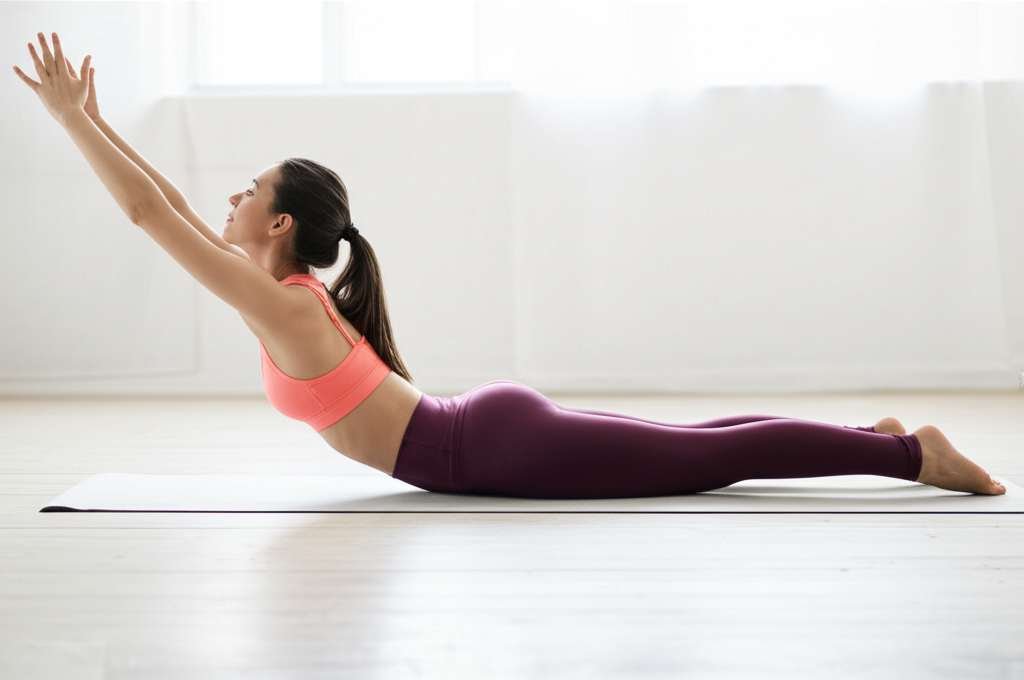
Yoga can be a powerful, beginner-friendly way for women to work towards a flatter stomach. By focusing on core strength, digestion, and stress reduction, these 15 yoga poses can help you feel stronger and more confident. Discover simple, effective poses that fit your busy life and start your journey today!
Feeling like your stomach has a mind of its own? You’re not alone. Many women struggle with bloating, stubborn belly fat, or just that general feeling of discomfort in their midsection. It can be frustrating when you’re trying to feel your best.
But what if there was a gentle, yet effective, way to help flatten your tummy? Yoga offers a unique blend of strengthening, stretching, and mindful breathing that can work wonders for your core and overall well-being.
This guide is designed specifically for you. We’ll break down 15 simple yoga exercises that are perfect for beginners and focus on your goal of a flatter stomach. No fancy equipment or complicated moves needed!
Get ready to discover poses that build strength, improve digestion, and help you de-stress – all key ingredients for a flatter tummy. Let’s get started on this empowering journey together!

Why Yoga for a Flatter Stomach?
Yoga isn’t just about flexibility; it’s a holistic practice that can significantly impact your midsection. It targets your core muscles, which are essential for a toned appearance and good posture. Stronger core muscles can help “pull in” your abdomen, creating a flatter look.
Beyond just muscle building, yoga also helps improve digestion and reduce stress. When your digestive system works efficiently, bloating can decrease. And since stress can lead to weight gain, especially around the belly, yoga’s calming effects are a huge bonus.
Think of yoga as a gentle yet powerful tool. It works from the inside out, addressing not just the physical appearance but also the underlying factors that contribute to a less-than-flat stomach. It’s a sustainable approach to building a healthier, stronger you.
Getting Started: Your Yoga Toolkit
Before diving into the poses, let’s get you set up for success. You don’t need much to start practicing yoga, making it an accessible option for everyone.
Having the right setup can make your practice more comfortable and enjoyable. It helps you focus on the poses and your body’s sensations without distractions.
Essential Gear for Your Practice
- Yoga Mat: This is your foundation! A good mat provides cushioning for your joints and prevents slipping. Look for one with decent grip and thickness (around 1/4 inch is usually good). Many affordable options are available at sporting goods stores or online.
- Comfortable Clothing: Wear clothes that allow you to move freely without feeling restricted. Stretchy fabrics like cotton blends or athletic materials work best.
- Water Bottle: Staying hydrated is crucial, especially during and after your practice.
- A Quiet Space: Find a calm, undisturbed area where you can focus on your poses without interruptions.
Beginner Tips for Flat Stomach Yoga
- Listen to Your Body: This is the most important rule! Never push yourself into pain. Modify poses if needed.
- Focus on Breath: Deep, conscious breathing (Pranayama) is a cornerstone of yoga. It helps calm your mind and oxygenate your body, aiding in digestion and stress reduction.
- Consistency is Key: Aim for regular practice, even if it’s just 15-20 minutes a few times a week. Small, consistent efforts yield the best long-term results.
- Proper Form Over Depth: It’s better to do a pose correctly with less range of motion than to force yourself into a deep pose with bad form.
- Be Patient: Results take time. Celebrate small victories and trust the process.
15 Yoga Exercises for Women: Flat Stomach Essential
Here are 15 yoga exercises that are fantastic for targeting your core, improving digestion, and promoting overall well-being for a flatter stomach. We’ll focus on poses that engage your abdominal muscles, stimulate your internal organs, and help release tension.
1. Cat-Cow Pose (Marjaryasana-Bitilasana)
This gentle flow warms up your spine and massages your abdominal organs, aiding digestion and reducing bloating. It’s a great way to start any practice.
- Start on your hands and knees in a tabletop position. Your wrists should be under your shoulders, and your knees under your hips.
- As you inhale, drop your belly towards the mat, arch your back, and lift your head and tailbone towards the ceiling (Cow Pose).
- As you exhale, round your spine towards the ceiling, tuck your chin to your chest, and draw your navel towards your spine (Cat Pose).
- Continue flowing between these two poses for 5-10 breaths, synchronizing your movement with your breath.
2. Plank Pose (Phalakasana)
Plank is a powerhouse for building core strength. It engages your entire body, including your deep abdominal muscles, which is crucial for a toned stomach.
- From tabletop, extend your legs back one at a time so you are balancing on your hands and toes.
- Ensure your hands are directly under your shoulders.
- Keep your body in a straight line from head to heels. Engage your core by drawing your navel towards your spine.
- Hold for 30 seconds to 1 minute, breathing steadily. If this is too intense, you can drop your knees to the floor while keeping your core engaged.
3. Downward-Facing Dog (Adho Mukha Svanasana)
While not a direct ab exercise, Downward-Facing Dog is excellent for lengthening the spine, strengthening the arms and legs, and creating a gentle stretch that can help with digestion. It also helps build overall body awareness.
- Start on your hands and knees.
- Tuck your toes under and lift your hips up and back, forming an inverted V-shape with your body.
- Press firmly into your hands, spread your fingers, and let your head hang between your arms.
- You can keep a slight bend in your knees if your hamstrings are tight.
- Hold for 5-10 breaths.
4. Cobra Pose (Bhujangasana)
This gentle backbend strengthens the spine and opens the chest, but it also engages the abdominal muscles to support the pose. It can help improve posture and stimulate abdominal organs.
- Lie on your stomach with your legs extended and the tops of your feet on the floor.
- Place your hands flat on the mat, palms down, directly under your shoulders.
- As you inhale, press into your hands and gently lift your chest off the floor. Keep your hips and lower belly on the mat.
- Engage your back muscles and draw your shoulder blades down your back.
- Hold for 3-5 breaths, then exhale to slowly lower back down.
5. Boat Pose (Paripurna Navasana)
This is a classic core-strengthening pose. It directly targets your abdominal muscles, improving strength and stability in your midsection.
- Sit on the floor with your knees bent and feet flat on the ground.
- Lean back slightly, keeping your spine straight, and lift your feet off the floor.
- Extend your arms forward, parallel to the floor, or bring your hands to your chest.
- If you can, straighten your legs to form a V-shape with your body.
- Engage your core and hold for 15-30 seconds. Breathe deeply.
6. Chair Pose (Utkatasana)
While often associated with leg strength, Chair Pose also powerfully engages your core to help you maintain balance and posture. It creates heat in the body, which can aid in fat metabolism.
- Stand with your feet hip-width apart or together.
- As you inhale, raise your arms overhead, keeping them parallel and shoulder-width apart.
- As you exhale, bend your knees and sit back as if you were lowering yourself into a chair.
- Keep your chest lifted and your core engaged. Ensure your knees don’t go past your toes.
- Hold for 5-10 breaths.
7. Warrior III (Virabhadrasana III)
This balancing pose is excellent for building core strength and stability. It requires significant engagement of your abdominal muscles to keep you upright.
- Start standing in Mountain Pose (Tadasana).
- Shift your weight onto your left foot.
- As you exhale, hinge at your hips and lift your right leg straight back behind you.
- Extend your arms forward, to the sides, or keep your hands at your heart.
- Your body should form a T-shape, parallel to the floor. Engage your core to maintain balance.
- Hold for 3-5 breaths, then return to standing. Repeat on the other side.
8. Bridge Pose (Setu Bandhasana)
Bridge Pose strengthens the glutes and hamstrings, which helps support your core. It also opens the chest and can stimulate abdominal organs, aiding digestion.
- Lie on your back with your knees bent and feet flat on the floor, hip-width apart.
- Place your arms by your sides, palms down.
- As you inhale, press into your feet and lift your hips off the floor towards the ceiling.
- Keep your thighs parallel to each other and your core engaged.
- You can clasp your hands underneath your body for a deeper stretch, rolling onto your shoulders.
- Hold for 5-10 breaths, then exhale to slowly lower down.
9. Twisting Low Lunge (Parivrtta Anjaneyasana)
This pose is fantastic for core rotation and improving digestion. The twist massages your abdominal organs and can help release tension in your torso.
- Start in a Low Lunge with your right foot forward and your left knee on the ground.
- Bring your hands to your heart center.
- As you exhale, twist your torso to the right, hooking your left elbow outside your right thigh.
- Keep your hips squared towards the front of the mat.
- Press your hands together to deepen the twist. Gaze over your right shoulder.
- Hold for 3-5 breaths, then return to center. Repeat on the other side.
10. Seated Spinal Twist (Ardha Matsyendrasana)
Another excellent pose for digestion and detoxification. Twisting poses help stimulate the organs in your abdomen, aiding in waste removal and reducing bloating.
- Sit on the floor with your legs extended.
- Bend your right knee and place your right foot flat on the floor outside your left thigh.
- Keep your left leg extended or bend it, bringing your left heel towards your right hip.
- Inhale and lengthen your spine.
- Exhale and twist your torso to the right. Place your right hand on the floor behind you for support. You can hug your right knee with your left arm or hook your left elbow outside your right thigh.
- Gaze over your right shoulder.
- Hold for 5-10 breaths, then gently unwind and repeat on the other side.
11. Bow Pose (Dhanurasana)
Bow Pose is an intense backbend that also strongly engages the abdominal muscles as you lift your chest and thighs. It opens the front of the body and can stimulate abdominal organs.
- Lie on your stomach with your knees bent and heels drawn towards your buttocks.
- Reach back and grab your ankles or feet with your hands.
- As you inhale, lift your chest and thighs off the floor, arching your back and drawing your legs into the pose.
- Your arms should pull your legs up and back.
- Hold for 3-5 breaths, focusing on your breath and core engagement.
- Exhale to release.
12. Wind-Relieving Pose (Pawanmuktasana)
As the name suggests, this pose is fantastic for relieving gas and bloating, contributing to a flatter, more comfortable abdomen. It gently massages your abdominal organs.
- Lie on your back with your legs extended.
- As you exhale, bend your right knee and bring it towards your chest.
- Interlace your fingers around your shin or place your hands behind your thigh and gently pull your leg closer.
- Keep your head and shoulders on the mat.
- Hold for 5-10 breaths, focusing on releasing tension.
- Release and repeat with the left leg, then both legs simultaneously.
13. Supine Spinal Twist (Supta Matsyendrasana)
A relaxing yet effective pose for digestion and de-stressing. This gentle twist helps to detoxify the body and release tension in the spine and abdomen.
- Lie on your back with your knees bent and feet flat on the floor.
- Extend your arms out to the sides in a T-shape, palms facing down.
- As you exhale, drop both knees to the right side, keeping them stacked.
- Turn your head to the left, if comfortable.
- Try to keep both shoulders on the floor.
- Hold for 5-10 breaths, allowing gravity to do the work.
- Inhale to return to center and repeat on the other side.
14. Thread the Needle Pose (Urdhva Mukha Pasasana Variation)
This pose is a gentle shoulder and upper back opener, but it also involves a slight twist that can aid in digestion and release tension in the abdominal area.
- Start on your hands and knees in tabletop position.
- Inhale and reach your right arm up towards the ceiling, opening your chest.
- Exhale and thread your right arm under your left arm, resting your right shoulder and temple on the mat.
- Your left hand can stay where it is, walk forward, or wrap around your lower back.
- Hold for 5-8 breaths, feeling a gentle stretch and subtle abdominal engagement.
- Inhale to press into your left hand and unwind. Repeat on the other side.
15. Corpse Pose (Savasana)
While not an exercise, Savasana is crucial for integration and relaxation. It allows your body to absorb the benefits of the practice, reduces stress (which can impact belly fat), and promotes overall recovery.
- Lie flat on your back with your legs extended and arms resting by your sides, palms facing up.
- Allow your feet to fall open naturally.
- Close your eyes and consciously relax your entire body, from your toes to the crown of your head.
- Focus on your breath or simply allow your mind to rest.
- Stay here for at least 5-10 minutes.
Yoga Poses and Their Benefits for a Flat Stomach
To help you visualize the impact, here’s a quick look at how these poses contribute to a flatter stomach:
| Pose | Primary Benefit for Flat Stomach | Secondary Benefits |
|---|---|---|
| Cat-Cow Pose | Stimulates abdominal organs, aids digestion | Warms spine, improves posture |
| Plank Pose | Builds deep core strength (transverse abdominis) | Strengthens arms, shoulders, legs |
| Downward-Facing Dog | Improves circulation, lengthens spine | Stretches hamstrings, strengthens arms/legs |
| Cobra Pose | Engages abdominal muscles to support backbend | Opens chest, strengthens spine |
| Boat Pose | Directly targets and strengthens abs (rectus abdominis, obliques) | Improves balance, builds hip flexor strength |
| Chair Pose | Engages core for stability, builds heat | Strengthens legs and glutes |
| Warrior III | Builds core stability and balance | Strengthens ankles, legs, core |
| Bridge Pose | Strengthens glutes and hamstrings to support core | Opens chest, stretches hips |
| Twisting Low Lunge | Detoxifies, stimulates abdominal organs | Improves balance, stretches hips |
| Seated Spinal Twist | Massages abdominal organs, aids digestion | Releases spinal tension, improves posture |
| Bow Pose | Intensely engages abs, strengthens back | Opens chest and shoulders, stimulates organs |
| Wind-Relieving Pose | Relieves gas and bloating, aids digestion | Gently stretches lower back |
| Supine Spinal Twist | Gentle detox, releases abdominal tension | Calms the nervous system, stretches back |
| Thread the Needle | Subtle abdominal engagement, releases tension | Opens shoulders and upper back |
| Corpse Pose | Reduces stress, allows for integration | Promotes relaxation and recovery |
How Often Should I Practice for Results?
Consistency is your best friend when it comes to seeing results from yoga, especially for a flatter stomach. Aim to practice at least 3-4 times a week. Even short sessions of 20-30 minutes can make a significant difference over time.
If you’re a complete beginner, start with shorter sessions and fewer repetitions of each pose. Focus on learning the proper form. As you get stronger and more comfortable, you can gradually increase the duration and intensity of your practice. Remember, patience and persistence are key.
Combining your yoga practice with a balanced diet and adequate sleep will amplify the results. Yoga helps build the physical strength and mental calm needed for sustainable weight management.
Nutrition and Lifestyle Tips for a Flatter Belly
While yoga is incredibly beneficial, it works best when supported by healthy lifestyle choices. Focusing on nutrition and overall well-being can significantly enhance your efforts towards a flatter stomach. Think of it as a team effort!
A healthy diet reduces inflammation and bloating, while managing stress and getting enough sleep helps your body recover and regulate hormones that influence fat storage. Making these habits part of your routine will help your yoga practice shine.
Eat for Digestion and Less Bloat
- Stay Hydrated: Drink plenty of water throughout the day. Proper hydration aids digestion and can help flush out toxins.
- Fiber-Rich Foods: Include plenty of fruits, vegetables, and whole grains in your diet. Fiber helps keep your digestive system moving smoothly.
- Probiotic-Rich Foods: Fermented foods like yogurt, kefir, sauerkraut, and kimchi can support a healthy gut microbiome, reducing bloating.
- Limit Processed Foods and Sugary Drinks: These can contribute to inflammation and weight gain.
- Mindful Eating: Eat slowly, chew your food thoroughly, and pay attention to your body’s hunger and fullness cues. This can prevent overeating and aid digestion.
Manage Stress and Prioritize Sleep
Stress and lack of sleep are major culprits behind stubborn belly fat. Cortisol, the stress hormone, can signal your body to store fat in the abdominal area. Yoga itself is a powerful stress reliever, but incorporating these additional habits can help:
- Consistent Sleep Schedule: Aim for 7-9 hours of quality sleep per night. Try to go to bed and wake up around the same time each day.
- Relaxation Techniques: Beyond yoga, try deep breathing exercises, meditation, or spending time in nature.
- Gentle Movement: While yoga is great, light walking or stretching on rest days can also help manage stress and improve circulation.
Frequently Asked Questions (FAQs)
Q: How long does it take to see results from yoga for a flat stomach?
A: Results vary from person to person. With consistent practice (3-4 times a week) and a healthy lifestyle, you might start noticing subtle changes in your core strength and reduced bloating within 4-8 weeks. Visible changes in appearance usually take longer, often 2-3 months or more, as you build strength and potentially reduce body fat.
Q: Can I do these poses if I have a bad back?
A: Many of these poses can be modified. For back issues, always prioritize gentle movements and listen to your body. Poses like Cat-Cow, Bridge Pose, and Supine Spinal Twist are generally safe and beneficial when done with modifications. It’s advisable to consult with a doctor or a qualified yoga instructor who can guide you on safe modifications for your specific condition.
Q: What if I can’t do a pose perfectly?
A: That’s perfectly normal, especially when you’re starting! Yoga is a practice, not a performance. Focus on the effort and the intention behind the pose. Use props like blocks or straps if needed, and never force your body into a position that causes pain. Progress comes with consistent effort, not perfection.
Q: Do I need to be flexible to do yoga?
A: Absolutely not! Yoga is for every body, regardless of flexibility. In fact, yoga can help you gradually improve your flexibility. Many poses can be modified to suit your current range of motion. The goal is to connect with your body and build strength and stability, not to touch your toes on day one.
Q: Can yoga alone give me a flat stomach?
A: Yoga is a powerful tool for strengthening your core, improving digestion, and reducing stress – all key factors for a flatter stomach. However, achieving a flat stomach also typically involves a healthy diet and managing overall body fat. Yoga complements these efforts by building muscle, increasing metabolism, and promoting mindful habits.
Q: I feel tired after yoga, is that normal?
A: Yes, it’s normal to feel tired, especially after a more vigorous session. This is often a sign that your body has worked hard and is now in recovery mode. It can also be a sign of deep relaxation, particularly after poses like Savasana. If the tiredness is excessive or persistent, ensure you’re adequately hydrated and getting enough sleep.
Conclusion: Your Journey to a Stronger Core Begins
Embarking on a yoga journey for a flatter stomach is a holistic and empowering choice. The 15 exercises outlined here offer a fantastic starting point, designed to strengthen your core, boost your digestion, and melt away stress.
Remember, consistency is key. Aim for regular practice, listen to your body, and be patient with yourself. Yoga isn’t about quick fixes; it’s about building sustainable healthy habits that benefit your body and mind in the long run. Coupled with mindful eating and stress management, these yoga poses can truly transform how you feel and look.
You have the tools and the knowledge to start. Celebrate each step, no matter how small. Your path to a stronger, more confident you, with a wonderfully toned core, is well underway. Keep breathing, keep moving, and enjoy the process!
As an Amazon Associate, We earn from qualifying purchases. When you purchase a product through Amazon links on pulsefitguide.com, we may earn a small commission at no extra cost to you. This helps support the site and keep our content free.