
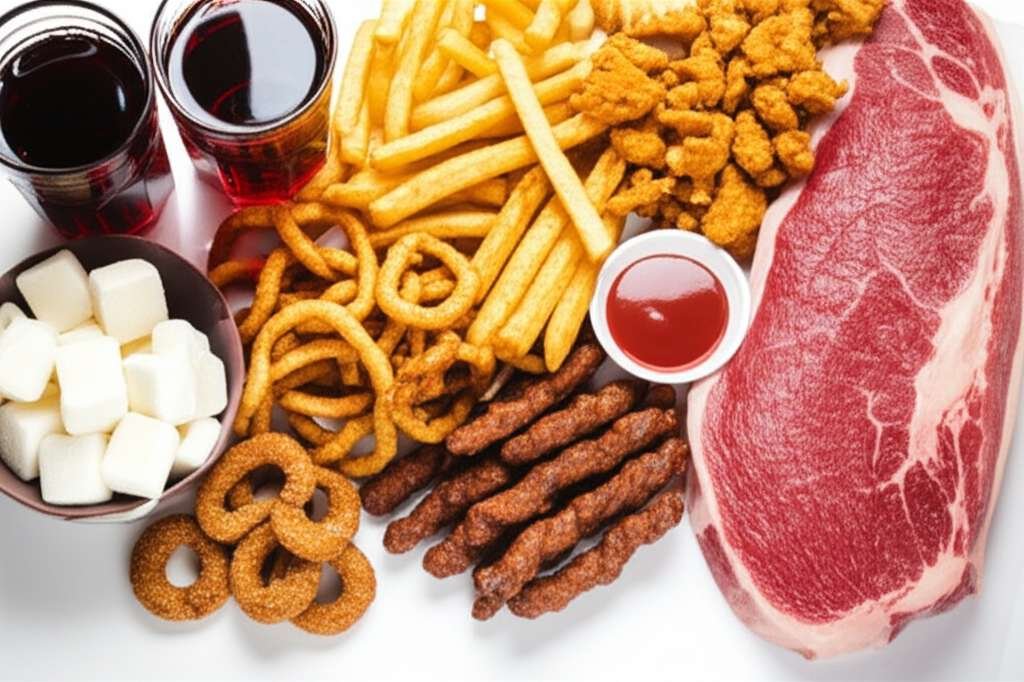
For fatty liver weight loss, avoiding high-sugar drinks, processed snacks, fatty meats, refined grains, and excessive unhealthy fats is crucial. Focusing on whole foods like fruits, vegetables, lean proteins, and healthy fats aids liver health and weight management.
Losing weight when you have fatty liver can feel like a puzzle. You might be trying your best, but the numbers on the scale aren’t moving, or you’re feeling confused about what to eat. It’s a common challenge, and you’re definitely not alone in this!
The good news is that understanding which foods can hinder your progress is the first step to making real changes. We’re going to break down the “worst foods” for fatty liver weight loss in a simple, step-by-step way. Think of me as your friendly guide, helping you navigate this.
By the end of this article, you’ll have a clear picture of what to limit and why, empowering you to make smarter food choices that support both your liver and your weight loss goals. Let’s get started!
Understanding Fatty Liver and Weight Loss
Fatty liver disease, also known as non-alcoholic fatty liver disease (NAFLD), is a condition where excess fat builds up in your liver. When you have excess body weight, especially around your abdomen, it often goes hand-in-hand with fat accumulation in the liver. Losing weight is one of the most effective ways to improve or even reverse fatty liver.
However, weight loss isn’t just about eating less; it’s about eating smarter. Certain foods can make it harder for your liver to function properly and can sabotage your weight loss efforts. These foods often contribute to inflammation and make it difficult for your body to burn fat effectively.
Our goal here is to identify these tricky foods so you can steer clear of them and focus on what truly helps your liver heal and your body shed pounds. It’s about making informed choices that work for you, not against you.
The 15 Worst Foods for Fatty Liver Weight Loss

When you’re trying to lose weight with fatty liver, some foods can actively work against your goals. These foods often contribute to liver inflammation, insulin resistance, and stubborn fat accumulation. Let’s dive into the top 15 culprits you’ll want to minimize or avoid.
1. Sugary Drinks (Soda, Fruit Juices, Sweetened Teas)
These are liquid calories that offer little to no nutritional value. The high fructose content in many sugary drinks is a major trigger for fat buildup in the liver. Your liver processes fructose, and when there’s too much, it converts it into fat.
Why they’re bad: High in fructose, provide empty calories, spike blood sugar, and don’t make you feel full.
Impact on fatty liver: Directly contributes to fat accumulation in the liver and can worsen insulin resistance.
Weight loss hurdle: Easy to overconsume, leading to significant calorie surplus without satiety.
2. Fried Foods (French Fries, Fried Chicken, Doughnuts)
Fried foods are typically loaded with unhealthy fats, including saturated and trans fats, and are often cooked in oils that can become damaged at high temperatures. These fats are hard for your body to process and can contribute to inflammation.
Why they’re bad: High in unhealthy fats, often high in sodium, and very calorie-dense.
Impact on fatty liver: Can increase inflammation and contribute to the progression of liver damage.
Weight loss hurdle: High calorie count makes it easy to exceed your daily needs, hindering fat loss.
3. Processed Meats (Bacon, Sausage, Hot Dogs, Deli Meats)
These products are often high in sodium, saturated fats, and preservatives like nitrates. They can be inflammatory and put extra strain on your liver as it tries to process these compounds.
Why they’re bad: High in sodium, saturated fat, nitrates, and other preservatives.
Impact on fatty liver: Can contribute to inflammation and increase the risk of metabolic syndrome.
Weight loss hurdle: High in calories and fat, low in nutrients that support metabolism.
4. Refined Grains (White Bread, White Rice, White Pasta, Pastries)
Refined grains have had their bran and germ removed, stripping them of fiber and nutrients. This leaves you with carbohydrates that are quickly digested, leading to rapid spikes in blood sugar and insulin.
Why they’re bad: Low in fiber and nutrients, cause rapid blood sugar spikes.
Impact on fatty liver: Frequent blood sugar spikes can lead to insulin resistance, a key factor in fatty liver.
Weight loss hurdle: Don’t provide lasting fullness, leading to more frequent hunger and potential overeating.
5. Red Meat (Fatty Cuts)
While lean red meat can be part of a healthy diet, fatty cuts are high in saturated fat. Consuming too much saturated fat can negatively impact liver health and hinder weight loss efforts by promoting inflammation and fat storage.
Why they’re bad: High in saturated fat and cholesterol.
Impact on fatty liver: Can contribute to increased liver fat and inflammation when consumed in excess.
Weight loss hurdle: Calorie-dense, making it harder to manage intake for weight loss.
6. Full-Fat Dairy Products (Whole Milk, Full-Fat Cheese, Butter)
These products are high in saturated fat. While some dairy can be healthy, opting for full-fat versions can contribute excess saturated fat to your diet, which isn’t ideal for liver health or weight loss.
Why they’re bad: High in saturated fat.
Impact on fatty liver: Excessive saturated fat intake can contribute to liver fat accumulation.
Weight loss hurdle: Contribute more calories and fat per serving compared to lower-fat options.
7. Sweetened Breakfast Cereals
Many popular breakfast cereals are essentially sugar-coated grains. They are low in fiber and protein and packed with added sugars, leading to energy crashes and cravings later in the day.
Why they’re bad: High in added sugar and refined carbohydrates, low in fiber and protein.
Impact on fatty liver: Contribute to blood sugar spikes and can promote fat storage.
Weight loss hurdle: Don’t provide sustained energy or satiety, leading to overeating.
8. Sugary Desserts and Candies
Cakes, cookies, ice cream, and candy are concentrated sources of sugar and often unhealthy fats. These provide a significant calorie load with minimal nutritional benefit and directly contribute to fat accumulation.
Why they’re bad: Very high in sugar and often unhealthy fats, offer little nutritional value.
Impact on fatty liver: Directly fuel fat buildup in the liver and contribute to inflammation.
Weight loss hurdle: Easy to overindulge, leading to significant calorie surpluses and cravings.
9. Alcohol
While not a food, alcohol is a major concern for liver health. It’s toxic to liver cells and can directly cause liver damage and fat buildup. For fatty liver, abstaining from alcohol is crucial.
Why it’s bad: Toxic to liver cells, impairs liver function, contains empty calories.
Impact on fatty liver: Directly damages the liver, causes inflammation, and promotes fat accumulation.
Weight loss hurdle: Adds significant calories without nutrients and can impair fat metabolism.
10. Processed Snacks (Chips, Crackers, Cookies)
These snacks are typically made with refined flours, unhealthy oils, and high amounts of sodium and sugar. They are designed to be hyper-palatable, making them easy to overeat.
Why they’re bad: High in unhealthy fats, refined carbs, sodium, and often sugar.
Impact on fatty liver: Contribute to inflammation and insulin resistance.
Weight loss hurdle: Low in nutrients and fiber, leading to poor satiety and overconsumption.
11. Trans Fats (Partially Hydrogenated Oils)
Found in some processed foods like margarines, baked goods, and fried items, trans fats are particularly damaging. They raise bad cholesterol, lower good cholesterol, and are highly inflammatory. Many countries have banned or restricted their use, but they can still be present.
Why they’re bad: Highly inflammatory, detrimental to heart health, and promote fat storage.
Impact on fatty liver: Significantly worsen inflammation and can accelerate liver damage.
Weight loss hurdle: Disrupt metabolism and promote fat accumulation.
12. High-Fructose Corn Syrup (HFCS) Products
HFCS is a common sweetener in processed foods and beverages. Like pure fructose, it’s heavily processed by the liver and can contribute significantly to fatty liver disease and obesity.
Why it’s bad: Metabolized primarily by the liver into fat, contributes to insulin resistance.
Impact on fatty liver: A major driver of fat accumulation in the liver.
Weight loss hurdle: Adds hidden sugars and calories to many foods, making it hard to track intake.
13. Excessive Saturated Fats from Unhealthy Sources
Beyond fatty meats and full-fat dairy, this includes unhealthy oils used in cooking and many processed food ingredients. Too much saturated fat can overwhelm the liver and contribute to fat buildup.
Why they’re bad: Can increase LDL cholesterol and contribute to inflammation.
Impact on fatty liver: Can exacerbate fat accumulation and inflammation in the liver.
Weight loss hurdle: High in calories, making calorie management more challenging.
14. Canned Soups and Processed Meals
Many pre-packaged soups and meals are loaded with sodium, unhealthy fats, and artificial ingredients. High sodium intake can lead to water retention and negatively impact overall health, while the other components strain the liver.
Why they’re bad: Extremely high in sodium, often contain unhealthy fats and additives.
Impact on fatty liver: High sodium can contribute to inflammation and strain the body.
Weight loss hurdle: High in calories and sodium, offering little nutritional benefit for weight loss.
15. Sweetened Coffee Creamers and Syrups
These add a significant amount of sugar and often unhealthy fats to your morning coffee or other beverages. This can turn a seemingly harmless drink into a sugar bomb, negatively impacting your liver and weight loss efforts.
Why they’re bad: High in added sugars and often unhealthy fats.
Impact on fatty liver: Contribute to sugar overload, promoting fat storage.
Weight loss hurdle: Add significant “hidden” calories and sugar to your daily intake.
Why These Foods Hinder Fatty Liver Weight Loss
It’s not just about calories; it’s about how these foods affect your body, especially your liver. When you consume these items, they can:
Increase Liver Fat: Foods high in fructose and unhealthy fats are directly converted into fat by the liver.
Promote Inflammation: Processed foods, unhealthy fats, and excess sugar can trigger inflammation throughout your body, including in the liver. This inflammation can worsen liver damage.
Worsen Insulin Resistance: Sugary foods and refined carbohydrates cause blood sugar spikes, leading to increased insulin production. Over time, your cells can become resistant to insulin, a key factor in both fatty liver and difficulty losing weight.
Add “Empty” Calories: Many of these foods provide a lot of calories but very few essential nutrients. This means you can consume a lot of energy without feeling satisfied, making it harder to manage your calorie intake for weight loss.
Strain the Liver’s Detoxification Process: Your liver works hard to process toxins and metabolize nutrients. Feeding it with processed, unhealthy items makes its job harder and can impair its ability to function optimally.
Understanding these mechanisms helps you see why avoiding these foods is so important for your journey.
A Healthier Approach: Foods to Embrace
Instead of focusing solely on what to avoid, let’s talk about what to add! Building your diet around these nutrient-dense foods will support your liver and help you achieve sustainable weight loss.
Fruits and Vegetables: Packed with vitamins, minerals, fiber, and antioxidants.
Lean Proteins: Chicken breast, turkey, fish, beans, lentils, and tofu.
Whole Grains: Oats, quinoa, brown rice, barley.
Healthy Fats: Avocados, nuts, seeds, olive oil.
* Water: Your best friend for hydration and metabolism.
By prioritizing these foods, you naturally reduce your intake of the “worst” offenders and create an environment where your liver can heal and your body can burn fat more effectively.
Making the Switch: Practical Tips
Changing your diet can seem daunting, but small, consistent steps make a big difference. Here’s how to start:
1. Read Food Labels: Pay attention to sugar content, unhealthy fats (look for “partially hydrogenated oils”), and sodium.
2. Cook More at Home: This gives you control over ingredients.
3. Hydrate Wisely: Swap sugary drinks for water, unsweetened tea, or sparkling water.
4. Plan Your Meals: Knowing what you’ll eat reduces impulsive, unhealthy choices.
5. Snack Smart: Keep healthy snacks like fruit, nuts, or yogurt on hand.
6. Gradual Changes: Don’t try to overhaul everything overnight. Start by cutting out one or two items from the “worst foods” list.
7. Seek Support: Talk to friends, family, or a health professional.
Remember, consistency is key. Every small, healthy choice you make adds up.
Frequently Asked Questions About Fatty Liver and Weight Loss
Here are some common questions beginners have about navigating diet with fatty liver:
Q1: Can I ever eat sweets again if I have fatty liver?
It’s best to significantly limit sweets, especially those with added sugars and unhealthy fats. Occasional, small portions of naturally sweet foods like fruit are much better choices. The goal is moderation and choosing healthier alternatives.
Q2: Is fruit bad for fatty liver weight loss because it has sugar?
Whole fruits are generally good! They contain natural sugars, but also fiber, vitamins, and antioxidants. Fiber slows sugar absorption. It’s concentrated fruit juices and added sugars that are the main concern, not whole fruits in moderation.
Q3: How much weight do I need to lose to improve fatty liver?
Even a modest weight loss of 5-10% of your body weight can make a significant difference in reducing liver fat and inflammation. For example, if you weigh 200 pounds, losing 10-20 pounds can be very beneficial.
Q4: Are artificial sweeteners okay for fatty liver?
The research is still evolving, but some studies suggest artificial sweeteners might not be ideal for liver health and can potentially alter gut bacteria in ways that aren’t beneficial. It’s often better to stick to water and naturally unsweetened beverages.
Q5: How can I get enough protein without eating fatty meats?
There are many excellent sources of lean protein! Try chicken breast, turkey, fish (like salmon or cod), eggs, beans, lentils, tofu, and Greek yogurt. These provide essential nutrients without the high saturated fat content.
Q6: What’s the difference between “good” and “bad” fats for my liver?
“Good” fats, like those found in avocados, nuts, seeds, and olive oil (monounsaturated and polyunsaturated fats), are beneficial. “Bad” fats, primarily saturated fats (from fatty meats, full-fat dairy) and trans fats (from processed foods), can contribute to liver fat and inflammation.
Q7: How does exercise help with fatty liver weight loss?
Exercise is crucial! It helps burn calories, reduces overall body fat (including in the liver), improves insulin sensitivity, and boosts your metabolism. Aim for a mix of aerobic exercise and strength training for best results. You can learn more about the benefits of exercise for liver health from resources like the National Institute of Diabetes and Digestive and Kidney Diseases (NIDDK).
Conclusion
Navigating fatty liver weight loss means being mindful of the foods that can slow your progress. By understanding and limiting the 15 worst foods—from sugary drinks and fried items to processed meats and refined grains—you’re taking a powerful step toward a healthier liver and a healthier you.
Remember, this isn’t about deprivation; it’s about making informed choices that nourish your body and support your goals. Focus on filling your plate with colorful fruits, vegetables, lean proteins, and whole grains. Each healthy meal is an investment in your well-being.
You’ve got this! By applying these simple strategies and staying consistent, you can achieve your weight loss goals and improve your liver health. Keep making those smart choices, and celebrate every bit of progress you make. Your liver and your body will thank you for it.
As an Amazon Associate, We earn from qualifying purchases. When you purchase a product through Amazon links on pulsefitguide.com, we may earn a small commission at no extra cost to you. This helps support the site and keep our content free.