
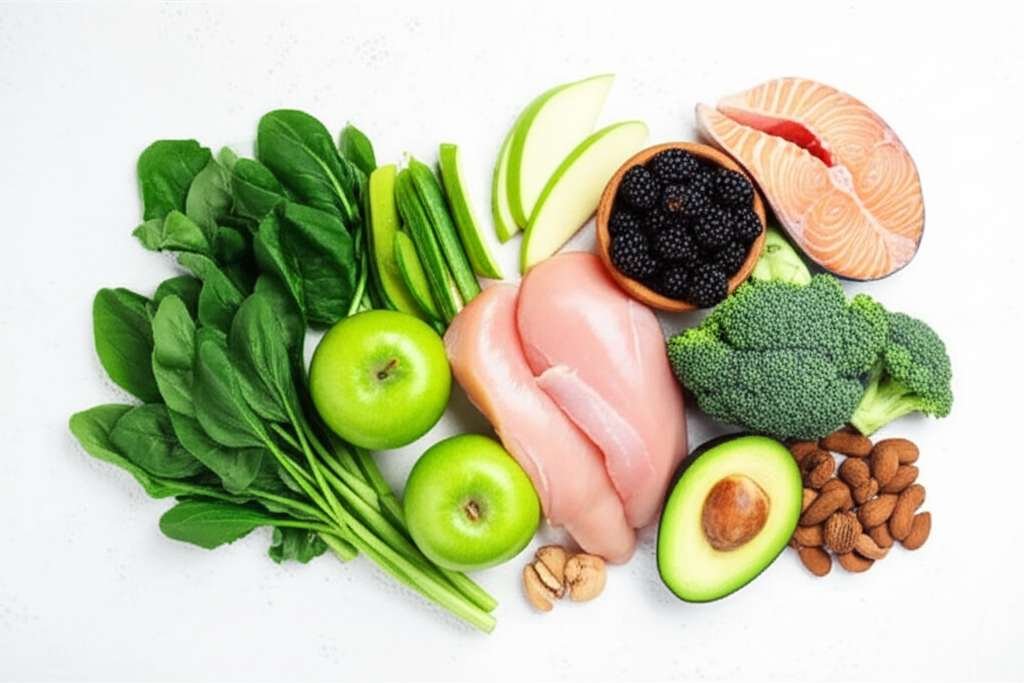
To lose weight with fatty liver disease, focus on 15 low-sugar foods. These nutritious options help manage blood sugar, reduce liver fat, and support overall health. Incorporating them into your diet is a simple, effective step toward a healthier you.
Losing weight can feel like a puzzle, especially when you’re dealing with fatty liver disease. It’s tough when you’re trying to make healthy choices, but your body isn’t responding the way you hoped. You might be confused about what to eat and what to avoid.
But don’t worry! You’ve come to the right place. We’re going to break down exactly what foods can help.
This guide will show you 15 amazing low-sugar foods that are perfect for fatty liver weight loss. We’ll make it easy to understand and even easier to put into practice.
Let’s get started on your journey to feeling better and reaching your weight loss goals!
Why Low Sugar is Key for Fatty Liver and Weight Loss
Fatty liver disease, also known as non-alcoholic fatty liver disease (NAFLD), happens when too much fat builds up in your liver. This can happen for many reasons, but a major contributor is often what we eat and drink. When we consume too much sugar, our bodies store it as fat, and this can include fat in the liver.
Excess sugar also plays a big role in weight gain. Sugary foods and drinks are often high in calories but low in nutrients. They can cause spikes in your blood sugar, leading to energy crashes and cravings for more. This cycle makes it harder to lose weight and can worsen fatty liver.
Choosing low-sugar foods is like giving your liver and your body a much-needed break. It helps to:
Reduce fat buildup in the liver: By limiting sugar intake, you give your liver less raw material to turn into fat.
Improve insulin sensitivity: Lower sugar intake helps your body use insulin more effectively, which is crucial for managing weight and preventing type 2 diabetes.
Promote healthy weight loss: Nutrient-dense, low-sugar foods help you feel full and satisfied, making it easier to eat fewer calories overall without feeling deprived.
Lower inflammation: High sugar diets can increase inflammation in the body, which can be harmful to the liver. Low-sugar foods help combat this.
Making these dietary changes is a powerful step toward reversing fatty liver and achieving sustainable weight loss. It’s about making smart, simple choices that add up to big results.
15 Low Sugar Foods for Fatty Liver Weight Loss

Here are 15 fantastic foods that are low in sugar and packed with nutrients to support your fatty liver weight loss journey. Think of these as your new best friends!
1. Leafy Greens (Spinach, Kale, Lettuce)
Leafy greens are nutritional superstars. They are incredibly low in calories and sugar but loaded with vitamins, minerals, and fiber. Fiber is your friend because it helps you feel full and aids digestion.
Why they’re great: High in antioxidants, vitamins A, C, K, and folate. They also contain compounds that can help reduce inflammation.
How to enjoy them: Add spinach to smoothies, make kale salads, or use lettuce as wraps instead of bread.
2. Berries (Blueberries, Strawberries, Raspberries)
While all fruits contain sugar, berries are among the lowest. They are bursting with antioxidants and fiber, making them a smart choice for a sweet treat.
Why they’re great: Rich in anthocyanins, which give them their vibrant colors and powerful antioxidant properties. They can help protect your liver.
How to enjoy them: Eat them plain, add to yogurt, or mix into oatmeal.
3. Avocado
Avocado is a unique fruit that’s low in sugar and high in healthy monounsaturated fats. These fats are great for heart health and can help you feel satisfied after eating.
Why it’s great: Excellent source of fiber, potassium, and healthy fats that can help reduce liver fat.
How to enjoy it: Slice it onto salads, mash it for toast, or blend it into smoothies for a creamy texture.
4. Broccoli
Broccoli is a cruciferous vegetable that’s low in sugar and calories but high in fiber and vitamins. It contains compounds that may help your liver detoxify.
Why it’s great: Packed with vitamin C, vitamin K, and sulforaphane, a compound studied for its potential liver-protective benefits.
How to enjoy it: Steam it, roast it with a little olive oil, or add it raw to salads.
5. Nuts (Almonds, Walnuts, Pecans)
Nuts are a fantastic source of healthy fats, protein, and fiber. They are very low in sugar and can help keep you feeling full, which is great for weight management. Just be mindful of portion sizes because they are calorie-dense.
Why they’re great: Provide omega-3 fatty acids (especially walnuts), antioxidants, and magnesium. Studies suggest nuts can improve liver enzymes.
How to enjoy them: Snack on a small handful, add to salads, or sprinkle on yogurt.
6. Seeds (Chia Seeds, Flaxseeds, Pumpkin Seeds)
Like nuts, seeds are packed with nutrients and are very low in sugar. Chia seeds and flaxseeds are particularly rich in fiber and omega-3 fatty acids.
Why they’re great: Excellent sources of fiber, protein, and healthy fats. They can help improve cholesterol levels and reduce inflammation.
How to enjoy them: Add chia seeds to your morning smoothie or make chia pudding. Sprinkle flaxseeds or pumpkin seeds on salads or yogurt.
7. Lean Proteins (Chicken Breast, Turkey, Fish)
Lean proteins are essential for building and repairing tissues and keeping you full. They contain very little to no sugar and are crucial for a healthy metabolism.
Why they’re great: Protein helps increase satiety, meaning you feel fuller for longer, which is key for weight loss. Fish like salmon are also rich in omega-3s.
How to enjoy them: Bake, grill, or poach chicken or turkey. Opt for fatty fish like salmon or mackerel a couple of times a week.
8. Eggs
Eggs are a complete protein source, meaning they contain all the essential amino acids your body needs. They are naturally sugar-free and incredibly versatile.
Why they’re great: Rich in protein and healthy fats, they help with satiety and are packed with vitamins and minerals.
How to enjoy them: Boiled, scrambled, poached, or as part of an omelet with vegetables.
9. Greek Yogurt (Plain, Unsweetened)
Plain, unsweetened Greek yogurt is a fantastic source of protein and probiotics. Probiotics can help improve gut health, which is linked to overall health and weight management.
Why it’s great: High in protein, which aids in satiety. Choose plain varieties to avoid added sugars found in flavored yogurts.
How to enjoy it: Top with berries and a sprinkle of nuts or seeds.
10. Legumes (Lentils, Beans, Chickpeas)
Legumes are a powerhouse of plant-based protein and fiber. They are naturally low in sugar and can help stabilize blood sugar levels.
Why they’re great: Excellent source of fiber, protein, and complex carbohydrates that release energy slowly. They are also rich in minerals like iron and folate.
How to enjoy them: Add to soups, stews, salads, or make homemade hummus.
11. Oats (Rolled or Steel-Cut)
While oats do contain carbohydrates, they are primarily complex carbs with a good amount of soluble fiber. This type of fiber helps slow digestion, preventing rapid blood sugar spikes. Opt for plain oats and avoid instant varieties with added sugar.
Why they’re great: High in beta-glucan, a type of soluble fiber known to help lower cholesterol and improve blood sugar control.
How to enjoy them: Cook with water or unsweetened almond milk and top with berries and nuts.
12. Olive Oil
Extra virgin olive oil is a healthy fat that’s a cornerstone of the Mediterranean diet. It’s sugar-free and has anti-inflammatory properties that can benefit the liver.
Why it’s great: Contains monounsaturated fats and antioxidants that can help improve liver enzymes and reduce inflammation.
How to enjoy it: Use as a dressing for salads, for sautéing vegetables, or drizzled over cooked dishes.
13. Garlic and Onions
These alliums are not only flavorful but also offer significant health benefits with virtually no sugar. They contain beneficial sulfur compounds.
Why they’re great: Contain antioxidants and anti-inflammatory compounds that may support liver health and protect against damage.
How to enjoy them: Use generously as a base for savory dishes, in stir-fries, or roasted.
14. Herbs and Spices
Herbs like parsley, cilantro, basil, and spices like cinnamon, turmeric, and ginger add flavor without sugar. Many also have anti-inflammatory and antioxidant properties.
Why they’re great: Turmeric contains curcumin, which has powerful anti-inflammatory effects. Cinnamon can help improve insulin sensitivity.
How to enjoy them: Experiment with different herbs and spices to add zest to your meals.
15. Water!
Okay, it’s not technically a “food,” but it’s the most essential “low-sugar” drink for overall health and weight loss. Staying hydrated is crucial for your liver to function properly and can help manage appetite.
Why it’s great: Zero calories, zero sugar. It helps flush toxins, keeps your body running smoothly, and can prevent you from mistaking thirst for hunger.
How to enjoy it: Drink it plain, infused with cucumber and mint, or with a squeeze of lemon.
Building Your Fatty Liver-Friendly Meal Plan
Now that you know which foods to focus on, let’s talk about how to put them all together. Creating a meal plan doesn’t have to be complicated. The goal is to make balanced meals that are satisfying and support your liver health and weight loss efforts.
Breakfast Ideas
Start your day right with a protein and fiber-rich breakfast.
Option 1: Scrambled eggs with spinach and a side of sliced avocado.
Option 2: Plain Greek yogurt topped with a handful of mixed berries and chia seeds.
Option 3: Oatmeal made with water or unsweetened almond milk, topped with walnuts and a sprinkle of cinnamon.
Lunch Ideas
Keep lunch light but filling to power you through the afternoon.
Option 1: Large salad with grilled chicken breast, mixed greens, cucumber, bell peppers, and an olive oil-based dressing.
Option 2: Lentil soup with a side of mixed greens.
Option 3: Tuna salad (made with Greek yogurt instead of mayo) served in lettuce cups.
Dinner Ideas
Focus on lean protein, plenty of non-starchy vegetables, and healthy fats.
Option 1: Baked salmon with roasted broccoli and a drizzle of olive oil.
Option 2: Stir-fry with lean turkey or chicken breast, lots of colorful vegetables (like bell peppers, broccoli, onions), and a light, sugar-free soy sauce or tamari.
Option 3: Baked chicken breast with a large side salad and steamed green beans.
Snack Ideas
If you need a snack, choose something that will keep you satisfied and won’t spike your blood sugar.
A small handful of almonds or walnuts.
A hard-boiled egg.
A small bowl of berries.
Cucumber slices with a small amount of hummus.
Important Note: When making your own meals, be mindful of cooking methods. Baking, grilling, steaming, and sautéing with minimal healthy oils are best. Avoid frying, as it can add unhealthy fats.
Understanding Portion Sizes and Hydration
Even healthy foods need to be eaten in appropriate amounts. For weight loss, managing portion sizes is key.
Lean Proteins: Aim for a portion about the size of your palm.
Vegetables: Fill at least half your plate with non-starchy vegetables.
Healthy Fats: Use in moderation. A quarter of an avocado or a small handful of nuts is usually a good portion.
Oats/Legumes: A half-cup to one cup cooked is typically a good serving size.
Hydration is Your Secret Weapon!
Don’t forget to drink plenty of water throughout the day. Aim for at least 8 glasses (about 2 liters) of water daily. This helps with digestion, metabolism, and can curb unnecessary hunger. If plain water feels boring, add slices of lemon, lime, cucumber, or mint for a refreshing twist.
Tracking Your Progress and Staying Motivated
Seeing your progress is a powerful motivator. Keep track of how you feel, your energy levels, and any changes you notice.
What to Track:
How your clothes fit: This is often a better indicator of progress than the scale alone.
Energy levels: Do you feel more energetic throughout the day?
Digestive health: Are you experiencing fewer digestive issues?
Mood: Feeling better overall can be a sign of positive changes.
Blood work: If your doctor is monitoring your liver enzymes or other health markers, celebrate improvements!
Staying Motivated:
Celebrate small wins: Did you choose water over soda? That’s a win! Did you add an extra serving of vegetables? Celebrate it!
Find an accountability partner: A friend, family member, or even an online community can offer support and encouragement.
Educate yourself: The more you understand about how your body works and the benefits of these foods, the more motivated you’ll be. Resources from organizations like the National Institute of Diabetes and Digestive and Kidney Diseases (NIDDK) can be very helpful.
Be patient and kind to yourself: Weight loss is a journey, not a race. There will be ups and downs. The key is to get back on track after any slip-ups.
Frequently Asked Questions (FAQ)
Here are some common questions beginners have about fatty liver, weight loss, and low-sugar foods.
Q1: Can I eat fruit if I have fatty liver disease?
A1: Yes, you can! Fruit contains natural sugars, but it also provides essential vitamins, minerals, and fiber. The key is to choose fruits lower in sugar (like berries) and enjoy them in moderation, rather than consuming large quantities or drinking fruit juice, which is concentrated sugar.
Q2: What kind of drinks should I avoid?
A2: You should avoid sugary drinks like soda, fruit juices, sweetened teas and coffees, and energy drinks. These are major sources of added sugar that can worsen fatty liver and hinder weight loss. Alcohol should also be avoided or significantly limited, as it can damage the liver.
Q3: Is it okay to eat carbohydrates?
A3: Absolutely! Carbohydrates are an important energy source. The focus should be on choosing complex carbohydrates that are high in fiber, such as whole grains (oats, quinoa), legumes, and non-starchy vegetables. Avoid refined carbohydrates like white bread, white pasta, and sugary cereals, which cause blood sugar spikes.
Q4: How much exercise is recommended for fatty liver weight loss?
A4: Aim for at least 150 minutes of moderate-intensity aerobic exercise per week, along with muscle-strengthening activities at least two days a week. Activities like brisk walking, swimming, cycling, and strength training are all beneficial. Consistency is more important than intensity when starting out.
Q5: Can fatty liver disease be reversed?
A5: Yes, in many cases, fatty liver disease can be improved or even reversed, especially in its earlier stages. Lifestyle changes, including diet and exercise for weight loss, are the most effective ways to reduce liver fat and inflammation.
Q6: How quickly can I expect to see results?
A6: Everyone’s body is different, so results vary. You might start feeling more energetic within a few weeks, while noticeable weight loss or improvements in liver markers might take a few months. Be patient and focus on consistent, healthy habits rather than quick fixes.
Q7: Are artificial sweeteners okay?
A7: While artificial sweeteners don’t contain sugar, their long-term effects are still being studied. Some research suggests they might affect gut bacteria or metabolism in ways that aren’t ideal. It’s often best to use them sparingly and prioritize natural, low-sugar options and water.
Conclusion
Embarking on a journey to manage fatty liver disease and lose weight can feel overwhelming at first, but it’s incredibly rewarding. By focusing on delicious, nutrient-dense, low-sugar foods, you’re not just helping your liver; you’re nourishing your entire body.
Remember, this isn’t about strict deprivation. It’s about making smart, sustainable choices that fit into your life. From vibrant leafy greens and antioxidant-rich berries to lean proteins and healthy fats, you have a whole world of flavorful foods to explore.
Start by incorporating a few of these 15 low-sugar foods into your meals this week. Pay attention to how your body feels, celebrate your progress, and be patient with yourself. With consistent effort and the right foods, you can significantly improve your liver health and achieve your weight loss goals. You’ve got this!
As an Amazon Associate, We earn from qualifying purchases. When you purchase a product through Amazon links on pulsefitguide.com, we may earn a small commission at no extra cost to you. This helps support the site and keep our content free.