
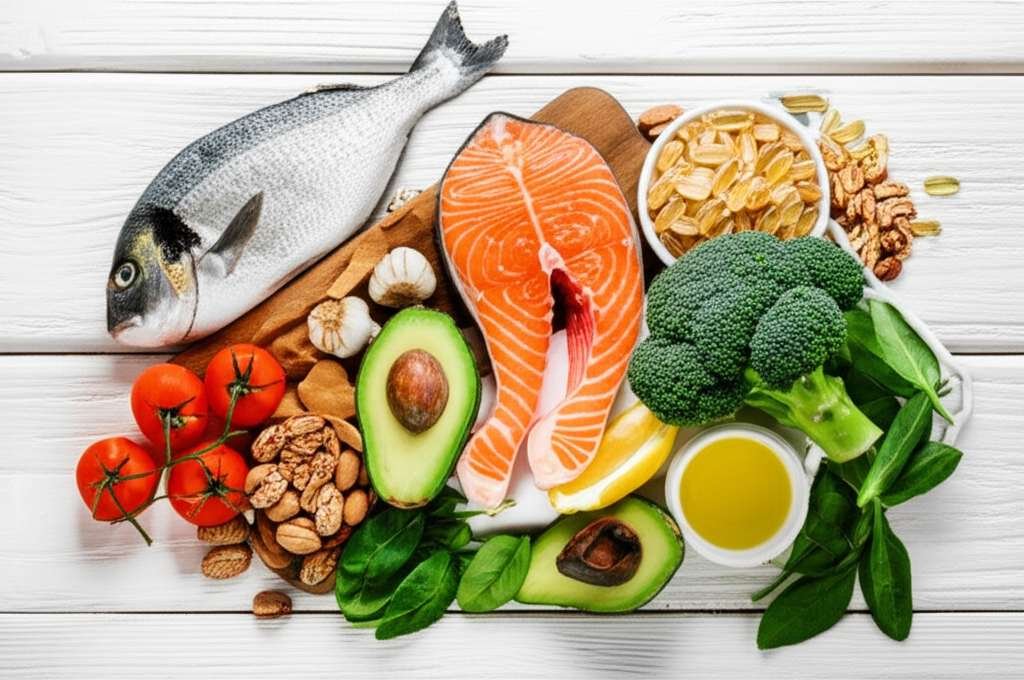
Quick Summary: Incorporating 15 omega-3 rich foods can significantly aid fatty liver weight loss by reducing inflammation, improving insulin sensitivity, and boosting metabolism. These delicious foods offer a simple, effective path to better liver health and weight management.
Feeling confused about weight loss, especially when dealing with fatty liver? You’re not alone! It can seem like a puzzle with too many pieces.
But what if I told you there’s a delicious and simple way to help your liver and shed those extra pounds? It’s all about smart food choices, and omega-3 fatty acids are your secret weapon.
This guide will break down exactly which foods pack the most omega-3 punch and how they can help you on your journey. Let’s make healthy eating easy and effective, together!
Understanding Omega-3s and Fatty Liver Weight Loss
Omega-3 fatty acids are a type of healthy fat that our bodies need but can’t make on their own. Think of them as essential helpers that perform many vital jobs.
For those with fatty liver disease, omega-3s are particularly beneficial. They help reduce inflammation in the liver and can improve how your body uses insulin, which is crucial for managing weight and blood sugar.
When you’re trying to lose weight with fatty liver, focusing on these healthy fats can make a real difference. They support liver function and can help your metabolism work more efficiently, making weight loss feel more achievable.
Why Omega-3s Are Your Weight Loss Allies

Omega-3s do more than just support liver health; they play a key role in your overall weight management strategy. They can help reduce the accumulation of fat in the liver, which is the core issue in fatty liver disease.
Additionally, omega-3s have been shown to increase feelings of fullness, which can help you eat less and manage your calorie intake more effectively. This makes sticking to a weight loss plan much easier.
They also contribute to reducing inflammation throughout the body. Chronic inflammation can slow down your metabolism, so by reducing it, omega-3s can help your body burn calories more efficiently.
The Top 15 Foods Rich in Omega-3s for Fatty Liver Weight Loss
Let’s dive into the delicious world of omega-3 rich foods that can become your new best friends on your weight loss journey. These are not only good for your liver but also incredibly versatile in the kitchen!
1. Salmon
Salmon is often hailed as the king of omega-3s, specifically EPA and DHA. These are the types of omega-3s that have the most significant anti-inflammatory effects and are crucial for heart and liver health.
Aim for fatty varieties like Atlantic or King salmon. Incorporating salmon into your diet a couple of times a week can provide a substantial boost of these essential fats. Try baking, grilling, or poaching it for a healthy meal.
2. Mackerel
This oily fish is packed with omega-3s and is often more affordable than salmon. Mackerel is a powerhouse of nutrition, offering a great dose of EPA and DHA.
It has a strong flavor, so it pairs well with acidic ingredients like lemon or vinegar. Smoked mackerel can be a convenient addition to salads or scrambled eggs.
3. Sardines
Don’t let their small size fool you! Sardines are incredibly nutrient-dense and an excellent source of omega-3 fatty acids. They are also a good source of calcium and vitamin D.
Enjoy them straight from the can on whole-grain toast, mixed into pasta dishes, or mashed into a spread. Choosing sardines packed in olive oil or water is a healthy choice.
4. Herring
Another fatty fish champion, herring, offers a substantial amount of omega-3s. It’s a popular food in many European countries and can be prepared in various ways, from pickled to smoked.
Herring is also a good source of protein, contributing to satiety and muscle health, which is important for metabolism.
5. Anchovies
These tiny fish pack a mighty omega-3 punch! While often used as a flavoring agent due to their intense salty and savory taste, they are a concentrated source of EPA and DHA.
You can blend anchovies into salad dressings, sauces, or even pizza toppings. A little goes a long way in terms of flavor and omega-3 benefits.
6. Flaxseeds
For a plant-based omega-3 source, flaxseeds are outstanding. They are rich in ALA (alpha-linolenic acid), which your body can convert into EPA and DHA, though in smaller amounts.
It’s best to consume flaxseeds ground to help your body absorb the nutrients. Sprinkle them on yogurt, oatmeal, smoothies, or use them in baking.
7. Chia Seeds
Similar to flaxseeds, chia seeds are tiny powerhouses of ALA omega-3s, fiber, and protein. They are incredibly versatile and easy to add to your diet.
Chia seeds absorb liquid and form a gel, making them perfect for chia pudding, adding to smoothies, or as an egg substitute in baking. They can also help you feel fuller for longer.
8. Walnuts
When it comes to nuts, walnuts stand out for their omega-3 content, primarily ALA. They also offer antioxidants and other healthy fats.
A small handful of walnuts makes a great snack. Add them to salads, yogurt, or enjoy them as a crunchy topping for your meals. They are also great for baking.
9. Edamame (Soybeans)
Edamame, or young soybeans, provide a decent amount of ALA omega-3s, along with plant-based protein and fiber. They are a fantastic snack or addition to meals.
Steamed edamame pods are fun to eat and make a healthy appetizer. You can also add shelled edamame to stir-fries, salads, or soups.
10. Brussels Sprouts
While not as concentrated as fish or seeds, Brussels sprouts do contain a small amount of ALA omega-3s. They are also packed with fiber, vitamins, and antioxidants.
Roasting Brussels sprouts brings out their natural sweetness and makes them a delicious side dish. They are a great way to add more vegetables and a touch of omega-3s to your plate.
11. Seaweed and Algae
This is a unique source of omega-3s, particularly DHA and EPA, especially for vegetarians and vegans. Certain types of algae are actually where fish get their omega-3s!
You can find omega-3 rich algae in supplements, or enjoy edible seaweed like nori (used in sushi) or wakame in soups and salads. Some types of spirulina and chlorella also offer omega-3s.
12. Oysters
Oysters are a delicacy that also happens to be rich in omega-3 fatty acids, along with zinc and vitamin B12. They are particularly good for EPA and DHA.
Enjoy them raw on the half shell or cooked. Even a small serving can contribute significantly to your omega-3 intake.
13. Fortified Foods
Many everyday foods are now fortified with omega-3s, making it easier to boost your intake. Look for eggs, yogurt, milk, and juices that have added omega-3s.
Check the labels to ensure they contain EPA and DHA for the most direct benefits. This is a convenient way to increase your omega-3 consumption without major dietary changes.
14. Hemp Seeds
Hemp seeds are another excellent plant-based source of ALA omega-3s, along with protein and other essential fatty acids. They have a mild, nutty flavor.
Sprinkle hemp seeds on salads, yogurt, or blend them into smoothies for an easy omega-3 boost. They are also a good source of magnesium and iron.
15. Tofu
Tofu, made from soybeans, contains a modest amount of ALA omega-3s. It’s a versatile protein source that can absorb flavors from marinades and sauces.
Tofu can be baked, fried, scrambled, or added to stir-fries and curries, making it a flexible option for increasing omega-3 intake, especially for those following a plant-based diet.
How Omega-3s Help with Fatty Liver and Weight Loss
Omega-3 fatty acids work in several powerful ways to support your journey towards a healthier liver and a slimmer waistline. Understanding these mechanisms can be really motivating!
Reducing Liver Fat and Inflammation
One of the primary benefits of omega-3s, especially EPA and DHA found in fatty fish, is their ability to reduce fat buildup in the liver. They help decrease the production of triglycerides in the liver and promote their removal.
Furthermore, omega-3s are potent anti-inflammatory agents. Fatty liver disease is often accompanied by inflammation, which can damage liver cells. Omega-3s help calm this inflammation, protecting your liver.
Improving Insulin Sensitivity
Insulin resistance is a common issue for people with fatty liver and can make weight loss very difficult. Omega-3s can improve your body’s sensitivity to insulin, meaning your cells can use glucose more effectively.
This improved insulin sensitivity not only helps manage blood sugar levels but also reduces the likelihood of your body storing excess sugar as fat, aiding weight loss efforts.
Boosting Metabolism
Some research suggests that omega-3s can help increase your metabolic rate. A faster metabolism means your body burns more calories, even at rest. This can make it easier to create the calorie deficit needed for weight loss.
They may also influence hormones that regulate appetite and fat storage, further supporting a healthy metabolism. For more on how metabolism works, check out resources from the National Institute of Diabetes and Digestive and Kidney Diseases (NIDDK).
Promoting Satiety
Including healthy fats like those found in omega-3 rich foods can help you feel fuller for longer after meals. This is because fats take more time to digest, and they can influence satiety hormones.
Feeling more satisfied after eating can prevent overeating and reduce cravings for unhealthy snacks, making it easier to stick to your weight loss goals. This contributes to a more sustainable approach to healthy eating.
Integrating Omega-3 Foods into Your Diet: Practical Tips
Adding these omega-3 powerhouses to your meals doesn’t have to be complicated. Here are some simple, beginner-friendly tips to get you started.
Meal Planning Made Easy
Dedicate a small part of your week to planning your meals. Decide which omega-3 rich meals you’ll have and when. This prevents last-minute unhealthy choices.
For example, plan for salmon on Tuesday, a chia seed pudding for breakfast on Wednesday, and walnuts as a snack on Thursday. A little planning goes a long way!
Smart Swaps and Additions
Look for easy ways to swap out less healthy options for omega-3 rich ones. Instead of a creamy dressing, try a vinaigrette with flaxseed oil. Add a tablespoon of chia seeds to your morning oatmeal.
Keep a can of sardines or a bag of walnuts handy for quick, nutritious additions to your meals or snacks. Small changes add up!
Cooking Methods Matter
When preparing fish, opt for healthier cooking methods like baking, grilling, steaming, or poaching. These methods retain the beneficial omega-3s and avoid adding unhealthy fats.
For plant-based sources like seeds and nuts, enjoy them raw, toasted, or sprinkled over dishes. Avoid deep-frying as it can degrade healthy fats and add unnecessary calories.
Budget-Friendly Strategies
You don’t need to break the bank to get your omega-3s! Canned fish like sardines and mackerel are very affordable. Buying flaxseeds and chia seeds in bulk can also save money.
Frozen fish is often just as nutritious as fresh and can be more budget-friendly. Walnuts can be bought in season or when on sale.
Example Meal Ideas
To make it even more concrete, here are a few simple meal ideas incorporating these omega-3 rich foods:
- Breakfast: Oatmeal topped with ground flaxseeds and walnuts, or a smoothie with chia seeds and a handful of spinach.
- Lunch: A large salad with canned salmon or sardines, mixed greens, and a lemon-dijon vinaigrette made with olive oil.
- Dinner: Baked mackerel with roasted Brussels sprouts and a side of quinoa. Or, tofu stir-fry with plenty of vegetables.
- Snacks: A small handful of walnuts, a small container of edamame, or a small bowl of chia seed pudding.
Omega-3 Content Comparison Table
Here’s a look at the approximate omega-3 content in common serving sizes. Remember, these are averages and can vary.
| Food Item | Serving Size | Approximate Omega-3s (EPA+DHA or ALA) |
|---|---|---|
| Salmon (Atlantic, cooked) | 3 oz (85g) | 1.2 – 1.8g (EPA+DHA) |
| Mackerel (Atlantic, cooked) | 3 oz (85g) | 1.0 – 1.5g (EPA+DHA) |
| Sardines (canned in oil, drained) | 3.75 oz (106g) can | 1.0 – 1.4g (EPA+DHA) |
| Herring (Atlantic, pickled) | 3 oz (85g) | 0.8 – 1.2g (EPA+DHA) |
| Anchovies (canned in oil, drained) | 2 oz (57g) | 0.7 – 1.0g (EPA+DHA) |
| Flaxseeds (ground) | 2 tablespoons (14g) | 2.5 – 3.0g (ALA) |
| Chia Seeds | 2 tablespoons (28g) | 4.5 – 5.0g (ALA) |
| Walnuts | 1 oz (28g, about 14 halves) | 2.5 – 2.7g (ALA) |
| Edamame (shelled, cooked) | 1 cup (155g) | 0.2 – 0.3g (ALA) |
| Hemp Seeds | 3 tablespoons (30g) | 2.5 – 3.0g (ALA) |
As you can see, fatty fish are the richest sources of EPA and DHA, while seeds and nuts excel in ALA. Both types are beneficial for your health!
Frequently Asked Questions (FAQ)
What is fatty liver disease?
Fatty liver disease is a condition where too much fat builds up in your liver. It can occur in people who drink alcohol (alcoholic fatty liver disease) and in those who don’t (nonalcoholic fatty liver disease, or NAFLD). NAFLD is more common and can sometimes lead to more serious liver problems.
Can omega-3s reverse fatty liver?
While omega-3s can’t “reverse” fatty liver overnight, they are a powerful tool to help improve liver health. By reducing inflammation and fat accumulation, they can significantly improve liver function and potentially prevent the condition from worsening. Lifestyle changes, including diet and exercise, are key.
How much omega-3 do I need daily for fatty liver?
There isn’t one single magic number, but many studies suggest that consuming around 2-3 grams of combined EPA and DHA per day can be beneficial for liver health. This can be achieved through diet or supplements. Always consult your doctor before starting new supplements.
Are plant-based omega-3s (ALA) as good as fish-based ones (EPA/DHA)?
ALA is an essential omega-3, but your body converts it into EPA and DHA inefficiently. While ALA is beneficial, getting EPA and DHA directly from sources like fatty fish or algae is more effective for targeted benefits like reducing liver inflammation and fat.
Can I get enough omega-3s from supplements?
Yes, omega-3 supplements (fish oil, krill oil, or algae oil) are a convenient way to ensure you meet your daily needs, especially if you don’t eat fatty fish regularly. However, it’s always best to try and get nutrients from whole foods first. Discuss supplement use with your healthcare provider.
What other lifestyle changes help fatty liver weight loss?
Besides diet, regular physical activity is crucial. Aim for at least 150 minutes of moderate-intensity aerobic exercise per week. Losing even a small amount of weight (5-10% of your body weight) can significantly improve fatty liver. Avoiding alcohol and processed foods is also vital.
Are there any foods to avoid with fatty liver?
Yes, it’s best to limit or avoid foods high in saturated and trans fats, added sugars, and refined carbohydrates. This includes sugary drinks, fried foods, pastries, fatty cuts of red meat, and processed snacks. These can worsen fat buildup in the liver and hinder weight loss.
Conclusion
Embarking on a weight loss journey with fatty liver can feel like a big challenge, but by focusing on nutrient-rich foods, it becomes much more manageable and even enjoyable. Omega-3 fatty acids are incredibly powerful allies in this process, offering benefits that range from reducing liver inflammation to supporting your metabolism.
By incorporating the 15 delicious and diverse foods we’ve explored – from fatty fish like salmon and mackerel to plant-based wonders like flaxseeds and walnuts – you’re not just choosing foods that taste good; you’re making a smart investment in your liver health and your weight loss goals.
Remember, consistency is key. Small, sustainable changes, like adding a serving of omega-3 rich food a few times a week, can lead to significant long-term results. Couple these dietary improvements with regular exercise and mindful eating habits, and you’ll be well on your way to achieving a healthier liver and a body you feel great in.
You’ve got this! With the right knowledge and a supportive approach, you can navigate your health goals with confidence and achieve lasting success. Keep exploring these delicious options and celebrate every healthy step you take!
As an Amazon Associate, We earn from qualifying purchases. When you purchase a product through Amazon links on pulsefitguide.com, we may earn a small commission at no extra cost to you. This helps support the site and keep our content free.