
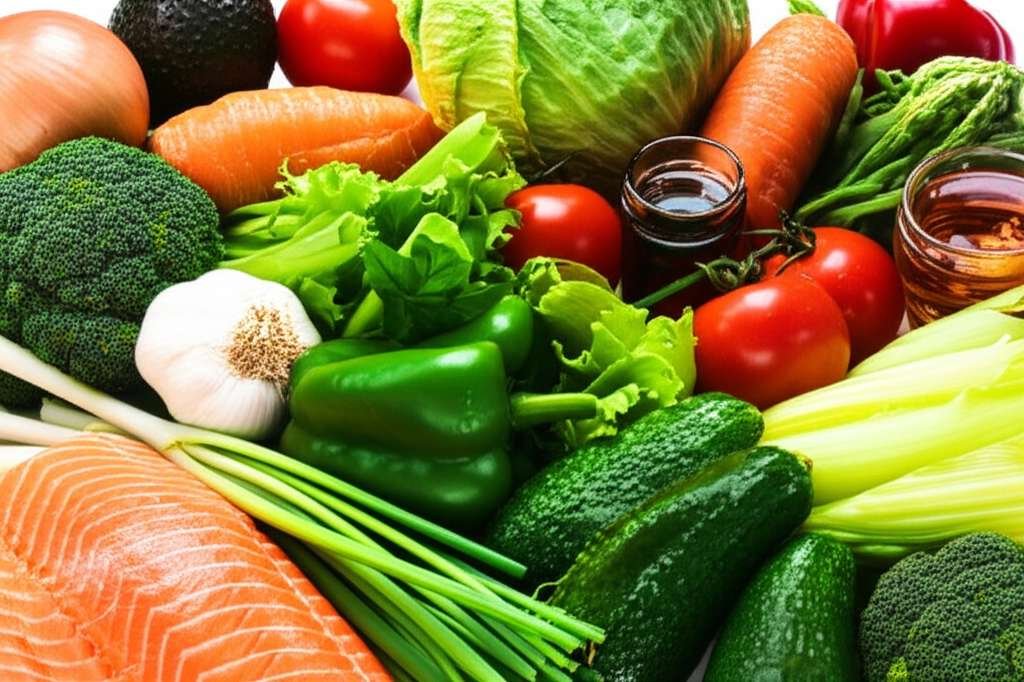
This 15-day vegetarian meal plan for weight loss offers simple, affordable, and delicious recipes. It focuses on whole foods to help you feel full and energized while shedding pounds. Get ready for a practical, step-by-step guide to achieving your weight loss goals the vegetarian way.
Are you finding weight loss a bit confusing? It’s totally normal to feel that way, especially when trying to make big changes like shifting to a vegetarian diet for weight loss. So many options can make it feel overwhelming!
But what if I told you that losing weight as a vegetarian can be straightforward and enjoyable? It’s all about making smart, simple choices that fuel your body right.
This guide is designed to cut through the noise. We’ll walk through a 15-day plan packed with tasty, easy meals. You’ll learn how to eat well and feel great, step by step.
Why a Vegetarian Diet Can Boost Weight Loss
Choosing a vegetarian diet can be a fantastic strategy for weight loss. This is because plant-based foods are often lower in calories and fat compared to many animal products. They are also rich in fiber, which is a superstar for weight management.
Fiber helps you feel fuller for longer, reducing the urge to snack between meals. This can naturally lead to eating fewer calories overall. Plus, many vegetarian staples like fruits, vegetables, and whole grains are packed with essential vitamins and minerals your body needs to function optimally.
Think of it as giving your body nutrient-dense fuel that supports your weight loss journey without making you feel deprived. It’s about abundance, not restriction!
Understanding the Basics: Weight Loss and Vegetarianism

Weight loss boils down to a simple principle: consuming fewer calories than your body burns. This is often called a calorie deficit. When you achieve this, your body starts using stored fat for energy, leading to weight loss.
A vegetarian diet can make achieving this deficit easier because plant-based foods tend to be naturally lower in calorie density. For example, a plate full of vegetables and whole grains will likely contain fewer calories than a similar-sized portion of meat and potatoes, while still being very filling.
It’s also important to ensure you’re getting all the necessary nutrients. While vegetarian diets are healthy, beginners sometimes worry about protein, iron, and vitamin B12. We’ll touch on how to get these key nutrients throughout the plan.
Your 15-Day Vegetarian Weight Loss Meal Plan: A Closer Look
This plan is designed to be practical, affordable, and delicious. It focuses on whole, unprocessed foods to maximize nutrients and keep you satisfied. Each day offers balanced meals to support your weight loss goals.
We’ve included a variety of meals to keep things interesting. Remember, this is a template. Feel free to swap meals between days if it suits your schedule or preferences better. The goal is consistency and enjoyment!
Day 1: Getting Started Right
Today is all about setting a positive tone. We’ll focus on simple, nutrient-dense meals that are easy to prepare.
- Breakfast: Oatmeal with berries and a sprinkle of almonds. Oats provide complex carbs for sustained energy, while berries and almonds add fiber, antioxidants, and healthy fats.
- Lunch: Lentil soup with a side salad. Lentils are packed with protein and fiber, making this a hearty and filling meal. A simple vinaigrette on the salad adds flavor without many calories.
- Dinner: Baked sweet potato topped with black beans, salsa, and a dollop of plain Greek yogurt (or a vegan alternative). Sweet potatoes offer complex carbs and vitamins, while black beans provide protein and fiber.
Day 2: Fueling Up with Fiber
Fiber is your best friend on a weight loss journey. Today, we emphasize foods that are high in this crucial nutrient.
- Breakfast: Smoothie made with spinach, banana, almond milk, and a tablespoon of chia seeds. Spinach adds nutrients without altering the taste much, banana provides natural sweetness, and chia seeds are a fiber powerhouse.
- Lunch: Quinoa salad with chopped cucumber, tomatoes, bell peppers, and a lemon-herb dressing. Quinoa is a complete protein and a good source of fiber.
- Dinner: Stir-fried tofu with mixed vegetables (broccoli, carrots, snap peas) and brown rice. Tofu is a versatile protein source, and the veggies add bulk and nutrients.
Day 3: Protein Power
Ensuring adequate protein intake is key for satiety and muscle maintenance during weight loss. Today, we highlight protein-rich vegetarian sources.
- Breakfast: Scrambled eggs (or tofu scramble) with whole-wheat toast and avocado. Eggs are a complete protein, and avocado provides healthy fats.
- Lunch: Chickpea salad sandwich on whole-grain bread. Mash chickpeas with a little vegan mayo or Greek yogurt, celery, and seasonings for a protein-packed alternative to tuna salad.
- Dinner: Vegetarian chili made with kidney beans, black beans, corn, and tomatoes. Serve with a small side of whole-grain crackers.
Day 4: Veggie Variety
The more colors on your plate, the more nutrients you’re likely getting! Today is about celebrating the diversity of vegetables.
- Breakfast: Greek yogurt (or coconut yogurt) with granola and mixed berries. Opt for low-sugar granola.
- Lunch: Large mixed green salad with grilled halloumi cheese (or firm tofu), roasted red peppers, and a balsamic vinaigrette.
- Dinner: Cauliflower steaks roasted with herbs and spices, served with a side of steamed green beans.
Day 5: Smart Snacking and Hydration
Smart snacking can prevent overeating at main meals. Hydration is also crucial for metabolism and feeling full.
- Breakfast: Whole-wheat toast with peanut butter and banana slices.
- Lunch: Leftover vegetarian chili from Day 3.
- Dinner: Sheet pan roasted vegetables (zucchini, bell peppers, red onion) with a side of baked tempeh. Tempeh is a fermented soybean product, rich in protein and probiotics.
- Snack: A handful of almonds or an apple with a tablespoon of almond butter.
- Hydration: Aim for 8-10 glasses of water throughout the day. Infuse water with lemon, cucumber, or mint for added flavor.
Day 6: Whole Grains Focus
Whole grains are excellent sources of complex carbohydrates, fiber, and essential nutrients. They help maintain stable blood sugar levels, preventing energy crashes.
- Breakfast: Amaranth porridge with chopped apples and cinnamon. Amaranth is a complete protein and a good source of fiber.
- Lunch: Brown rice bowl with edamame, shredded carrots, and a soy-ginger dressing.
- Dinner: Whole wheat pasta with marinara sauce and a side of sautéed mushrooms and spinach.
Day 7: Plant-Powered Comfort Food
Enjoying your food is essential for sustainability. Today, we have comforting yet healthy vegetarian options.
- Breakfast: Smoothie with kale, mango, plant-based milk, and protein powder (optional).
- Lunch: Veggie burger on a whole-wheat bun with lettuce, tomato, and a side of sweet potato fries (baked, not fried).
- Dinner: Shepherd’s pie with a lentil and vegetable base, topped with mashed sweet potato.
Day 8: Lean Protein and Greens
Focusing on lean protein and nutrient-dense greens helps keep you feeling full and energized.
- Breakfast: Oatmeal with chia seeds and a side of berries.
- Lunch: Large salad with mixed greens, chickpeas, cucumber, bell peppers, and a tahini dressing.
- Dinner: Baked falafel served in whole wheat pita bread with shredded lettuce, tomato, and a light cucumber-yogurt sauce.
Day 9: Healthy Fats Emphasis
Healthy fats are vital for hormone production and nutrient absorption. They also contribute to satiety.
- Breakfast: Avocado toast on whole-grain bread with a sprinkle of red pepper flakes.
- Lunch: Quinoa and black bean salad with avocado and a lime vinaigrette.
- Dinner: Salmon (if pescatarian) or grilled portobello mushrooms marinated in balsamic, served with roasted asparagus and a side of couscous.
Day 10: Superfood Boost
Let’s incorporate some nutrient powerhouses to supercharge your health and weight loss.
- Breakfast: Chia seed pudding made with almond milk, topped with berries and a few nuts.
- Lunch: Leftover portobello mushroom or salmon with roasted asparagus and couscous.
- Dinner: Buddha bowl with brown rice, steamed broccoli, baked sweet potato cubes, chickpeas, and a peanut sauce drizzle.
Day 11: Simple & Satisfying
Some days call for the simplest meals that still deliver on nutrition and taste.
- Breakfast: Greek yogurt with a drizzle of honey and a handful of walnuts.
- Lunch: Lentil soup with a whole-grain roll.
- Dinner: Baked tofu with a side of steamed kale and quinoa.
Day 12: Flavorful Favorites
It’s important to enjoy the food you eat. Let’s explore some flavorful vegetarian dishes.
- Breakfast: Whole wheat pancakes topped with fresh fruit.
- Lunch: Hummus and vegetable wrap in a whole wheat tortilla.
- Dinner: Veggie lasagna made with whole wheat noodles, ricotta cheese (or cashew ricotta), and plenty of vegetables.
Day 13: Hearty & Healthy
Today’s meals are designed to be hearty enough to keep you satisfied throughout the day.
- Breakfast: Smoothie with banana, spinach, almond butter, and plant-based milk.
- Lunch: Leftover veggie lasagna.
- Dinner: Black bean burgers on whole wheat buns with a large side salad.
Day 14: Meal Prep Magic
Taking some time to prep ingredients can make weeknights much easier. We’ll focus on meals that are quick to assemble.
- Breakfast: Overnight oats made with rolled oats, almond milk, chia seeds, and berries.
- Lunch: Quinoa salad with mixed vegetables and a lemon vinaigrette.
- Dinner: Lentil shepherd’s pie (make a large batch for leftovers).
Day 15: Celebrating Progress
You’ve made it to the end of the 15 days! Celebrate your progress with a delicious and satisfying meal.
- Breakfast: Tofu scramble with mixed vegetables and a side of whole-grain toast.
- Lunch: Leftover lentil shepherd’s pie.
- Dinner: Homemade veggie pizza on a whole wheat crust, loaded with your favorite vegetables and a light amount of cheese or vegan cheese.
Sample Daily Breakdown: Day 5
To give you a clearer picture of what a day might look like, let’s break down Day 5. This day offers a good mix of nutrients and flavors.
| Meal | Description | Key Nutrients | Estimated Calories |
|---|---|---|---|
| Breakfast | Whole-wheat toast with peanut butter and banana slices | Complex Carbs, Fiber, Protein, Healthy Fats | ~350-400 kcal |
| Lunch | Leftover vegetarian chili from Day 3 | Protein, Fiber, Complex Carbs, Vitamins | ~300-350 kcal |
| Dinner | Sheet pan roasted vegetables (zucchini, bell peppers, red onion) with baked tempeh | Fiber, Vitamins, Minerals, Protein, Probiotics | ~400-450 kcal |
| Snack | A handful of almonds or an apple with a tablespoon of almond butter | Healthy Fats, Fiber, Protein | ~150-200 kcal |
| Hydration | 8-10 glasses of water, infused with lemon or cucumber | Essential for Metabolism, Satiety | 0 kcal |
| Total Estimated Daily Calories | ~1200-1400 kcal |
Note: Calorie counts are approximate and can vary based on portion sizes and specific ingredients used. This calorie range is a general guideline for weight loss and may need to be adjusted based on individual needs and activity levels. For personalized advice, consult a registered dietitian or healthcare provider.
Tips for Success on Your Vegetarian Weight Loss Journey
Sticking to any meal plan can have its challenges. Here are some tips to help you stay on track and make this vegetarian weight loss journey a success:
- Meal Prep: Dedicate some time each week to wash and chop vegetables, cook grains like quinoa or brown rice, and portion out snacks. This saves time and prevents last-minute unhealthy choices.
- Stay Hydrated: Drink plenty of water throughout the day. Sometimes thirst can be mistaken for hunger.
- Listen to Your Body: Eat when you’re hungry and stop when you’re full. Pay attention to how different foods make you feel.
- Don’t Aim for Perfection: If you have an off day, don’t get discouraged. Just get back on track with your next meal. Consistency over perfection is key.
- Get Enough Protein: Ensure each meal includes a good source of vegetarian protein (beans, lentils, tofu, tempeh, edamame, nuts, seeds, dairy/eggs if you consume them). Protein helps with satiety.
- Include Healthy Fats: Don’t shy away from healthy fats found in avocados, nuts, seeds, and olive oil. They are crucial for nutrient absorption and feeling satisfied.
- Focus on Whole Foods: Prioritize fruits, vegetables, whole grains, legumes, nuts, and seeds. These foods are nutrient-dense and filling.
- Limit Processed Foods: While this plan focuses on whole foods, try to limit highly processed vegetarian options like many mock meats or sugary snacks.
- Get Moving: Combine your healthy eating with regular physical activity. Even a brisk walk can make a big difference. The Centers for Disease Control and Prevention (CDC) offers excellent resources on physical activity guidelines for adults.
- Get Enough Sleep: Aim for 7-9 hours of quality sleep per night. Poor sleep can affect your hunger hormones and make weight loss more challenging.
Nutrient Considerations for Vegetarians
While a vegetarian diet is incredibly healthy, it’s wise to be aware of a few key nutrients to ensure you’re getting everything you need for optimal health and weight loss.
- Protein: As mentioned, it’s essential for feeling full. Good sources include lentils, beans, chickpeas, tofu, tempeh, edamame, quinoa, nuts, and seeds. Combining different plant proteins throughout the day ensures you get all essential amino acids.
- Iron: Plant-based iron (non-heme iron) isn’t absorbed as easily as iron from meat. To boost absorption, pair iron-rich foods (like spinach, lentils, tofu, fortified cereals) with vitamin C sources (citrus fruits, bell peppers, berries).
- Vitamin B12: This vitamin is primarily found in animal products. Vegetarians (especially vegans) need to rely on fortified foods (like plant milks, cereals, nutritional yeast) or a B12 supplement. This is crucial for nerve function and energy levels. The National Institutes of Health (NIH) provides comprehensive information on B12.
- Calcium: Found in leafy greens (kale, broccoli), fortified plant milks, tofu, and dairy products (if consumed).
- Omega-3 Fatty Acids: Important for heart and brain health. Good vegetarian sources include flaxseeds, chia seeds, walnuts, and hemp seeds.
FAQ: Your Vegetarian Weight Loss Questions Answered
Q1: Is it hard to get enough protein on a vegetarian diet for weight loss?
Not at all! By including protein-rich foods like beans, lentils, tofu, tempeh, edamame, nuts, and seeds in your meals, you can easily meet your protein needs. Protein is key for feeling full, which helps with weight loss.
Q2: Can I lose weight if I eat a lot of carbs on a vegetarian diet?
Yes, you can! The key is choosing the right kinds of carbohydrates. Focus on complex carbohydrates from whole grains (like quinoa, brown rice, whole wheat pasta), fruits, vegetables, and legumes. These are high in fiber and will keep you satisfied longer, unlike refined carbs found in white bread or sugary snacks.
Q3: What are the best vegetarian snacks for weight loss?
Great options include a handful of almonds or walnuts, an apple with a tablespoon of peanut or almond butter, Greek yogurt with berries, vegetable sticks with hummus, or a hard-boiled egg (if you eat eggs). These snacks provide fiber, protein, or healthy fats to keep you full between meals.
Q4: How much water should I drink when following this meal plan?
Aim for at least 8-10 glasses (about 2-2.5 liters) of water per day. Water is essential for metabolism, helps you feel full, and keeps your body functioning optimally. You can also include herbal teas or water infused with fruits and vegetables.
Q5: What if I’m not a fan of tofu? Are there other protein options?
Absolutely! There are many other excellent vegetarian protein sources. Lentils, beans (kidney, black, pinto), chickpeas, edamame, tempeh, seitan (if you tolerate gluten), nuts, seeds, and dairy or eggs (if you consume them) are all great choices. You’ll find plenty of variety in this plan.
Q6: How much weight can I expect to lose on this 15-day plan?
Weight loss is very individual and depends on many factors like your starting weight, metabolism, activity level, and adherence to the plan. A healthy and sustainable rate of weight loss is typically 1-2 pounds per week. This plan provides a framework to help you create a calorie deficit, which is necessary for weight loss.
Conclusion
Embarking on a vegetarian journey for weight loss can be incredibly rewarding. This 15-day meal plan provides a clear, actionable roadmap to help you nourish your body, feel satisfied, and work towards your weight loss goals. By focusing on whole, plant-based foods, you’re not just losing weight; you’re building healthier habits that can last a lifetime.
Remember, consistency is key. Don’t strive for perfection, but for progress. Celebrate the small victories along the way, and be patient with yourself. You have the tools and the knowledge now to make healthy eating a sustainable part of your lifestyle. Keep exploring new vegetarian recipes, stay hydrated, and listen to your body. You’ve got this!
As an Amazon Associate, We earn from qualifying purchases. When you purchase a product through Amazon links on pulsefitguide.com, we may earn a small commission at no extra cost to you. This helps support the site and keep our content free.