
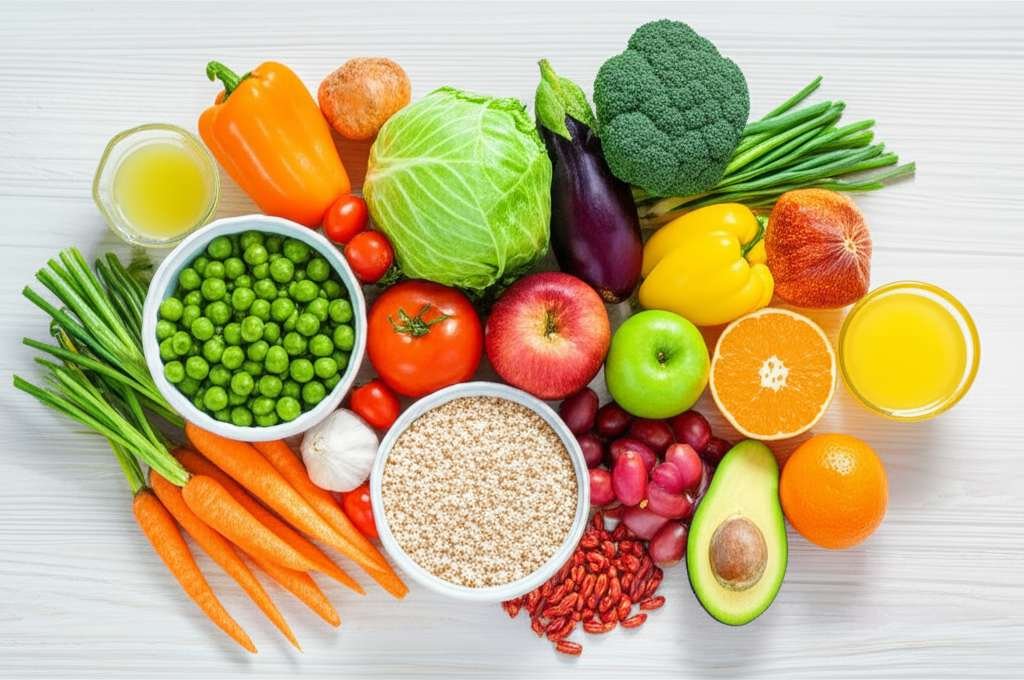
For effortless fatty liver weight loss, a 14-day vegetarian meal plan focuses on whole foods, lean proteins, and healthy fats to reduce liver fat and promote healthy weight loss. This easy-to-follow plan helps improve liver health and boost energy levels.
Feeling confused about how to lose weight, especially when dealing with a fatty liver? You’re not alone! Many people find weight loss a puzzle, and adding health concerns like a fatty liver can make it seem even harder.
But what if I told you there’s a simpler way? A way that’s kind to your liver, packed with delicious foods, and surprisingly easy to stick to?
This 14-day vegetarian meal plan is designed just for you. It’s packed with tasty, easy-to-make meals that can help you shed pounds and support your liver health, without feeling like you’re missing out.
Ready to discover how simple healthy eating can be? Let’s dive into a plan that will make a real difference!
Understanding Fatty Liver and Weight Loss
Let’s break down what a fatty liver is and why weight loss is so important for it. Think of your liver as your body’s amazing processing plant. It helps digest food, store energy, and get rid of toxins. Sometimes, too much fat can build up in the liver, and this is called fatty liver disease.
When fat accumulates in your liver, it can make it harder for your liver to do its job properly. This can lead to inflammation and, over time, more serious liver problems. The good news is that even a small amount of weight loss can make a big difference in reducing the fat in your liver.
Losing weight helps your liver function better. It reduces the amount of fat stored there and can even reverse some of the damage. This is where a well-planned diet comes in handy, and a vegetarian approach can be incredibly effective for liver health and weight management.
Why a Vegetarian Meal Plan for Fatty Liver?

Choosing a vegetarian diet can be a powerful tool for managing fatty liver disease and achieving weight loss goals. Vegetarian diets are often rich in fiber, antioxidants, and essential nutrients, all of which are crucial for liver health and overall well-being. Fiber helps with digestion and can contribute to feeling full, which aids in weight management.
Many plant-based foods are naturally lower in saturated fats and cholesterol compared to meat-heavy diets. This can directly help in reducing the fat buildup in the liver. Plus, a vegetarian diet encourages the consumption of fruits, vegetables, whole grains, and legumes – all powerhouse foods for nourishing your body and supporting your liver’s recovery.
Research has shown that plant-based diets can significantly improve liver enzymes and reduce liver fat. For instance, a study published in the Journal of Hepatology suggests that dietary interventions, including plant-based eating, can be effective in managing non-alcoholic fatty liver disease (NAFLD).
Key Principles for Your 14-Day Plan
This meal plan is built on a few simple but effective principles. We’re focusing on nutrient-dense, whole foods that are naturally good for your liver and your waistline. Think of it as fueling your body with the best ingredients possible.
Here are the core ideas behind this plan:
- Whole Foods Focus: We’ll be loading up on fruits, vegetables, whole grains, legumes, nuts, and seeds. These are packed with vitamins, minerals, and fiber.
- Lean Protein Sources: Essential for feeling full and maintaining muscle. We’ll rely on beans, lentils, tofu, tempeh, and Greek yogurt (if you include dairy).
- Healthy Fats: Crucial for hormone function and satiety. Think avocados, nuts, seeds, and olive oil.
- Limit Processed Foods: These often contain hidden sugars, unhealthy fats, and excessive sodium, which can be hard on the liver.
- Hydration is Key: Drinking plenty of water is vital for flushing out toxins and supporting metabolism.
- Mindful Eating: Paying attention to hunger and fullness cues helps prevent overeating.
By following these simple guidelines, you’ll be setting yourself up for success with this 14-day plan. It’s about making smart, nourishing choices that feel good.
Your 14-Day Vegetarian Meal Plan for Fatty Liver Weight Loss
Here’s your day-by-day guide. Remember, this is a template! Feel free to swap meals between days if it suits your schedule better, but try to keep the overall balance of nutrients consistent.
Week 1
Day 1
- Breakfast: Oatmeal made with water or unsweetened almond milk, topped with berries and a sprinkle of chia seeds.
- Lunch: Large mixed green salad with chickpeas, cucumber, tomatoes, bell peppers, and a lemon-tahini dressing.
- Dinner: Lentil shepherd’s pie topped with mashed sweet potato.
Day 2
- Breakfast: Scrambled tofu with spinach and mushrooms, served with a slice of whole-wheat toast.
- Lunch: Leftover lentil shepherd’s pie.
- Dinner: Quinoa bowl with black beans, corn, salsa, avocado, and a lime wedge.
Day 3
- Breakfast: Greek yogurt (or soy yogurt) with a handful of almonds and sliced peaches.
- Lunch: Quinoa salad with chopped veggies (cucumber, bell peppers, red onion) and a light vinaigrette.
- Dinner: Baked falafel with a large Greek salad (lettuce, tomato, cucumber, olives, feta – optional).
Day 4
- Breakfast: Smoothie made with spinach, banana, unsweetened plant milk, and a scoop of protein powder (vegetarian).
- Lunch: Leftover baked falafel with salad.
- Dinner: Vegetable stir-fry with brown rice, featuring broccoli, carrots, snap peas, and firm tofu in a light soy-ginger sauce.
Day 5
- Breakfast: Whole-wheat toast with mashed avocado and a sprinkle of red pepper flakes.
- Lunch: Hearty vegetable and barley soup.
- Dinner: Black bean burgers on whole-wheat buns with a side of roasted sweet potato fries.
Day 6
- Breakfast: Chia seed pudding made with unsweetened plant milk, topped with mango chunks.
- Lunch: Leftover black bean burgers and sweet potato fries.
- Dinner: Spinach and ricotta stuffed shells (use a dairy-free ricotta alternative if preferred) with a side salad.
Day 7
- Breakfast: Vegetable omelet (using eggs or a chickpea flour batter) with a side of mixed berries.
- Lunch: Leftover stuffed shells.
- Dinner: Buddha bowl with roasted sweet potatoes, steamed broccoli, edamame, and a drizzle of peanut sauce.
Week 2
Day 8
- Breakfast: Oatmeal with sliced banana and walnuts.
- Lunch: Large salad with grilled halloumi (or firm tofu), mixed greens, cherry tomatoes, and a balsamic glaze.
- Dinner: Chickpea curry with brown rice and a side of steamed green beans.
Day 9
- Breakfast: Smoothie with kale, pineapple, ginger, and coconut water.
- Lunch: Leftover chickpea curry.
- Dinner: Stuffed bell peppers with a mixture of quinoa, black beans, corn, and diced tomatoes, baked in a light tomato sauce.
Day 10
- Breakfast: Whole-wheat pancakes (made with whole wheat flour and plant milk) topped with a small amount of pure maple syrup and fresh berries.
- Lunch: Leftover stuffed bell peppers.
- Dinner: White bean and vegetable stew, served with a slice of crusty whole-grain bread.
Day 11
- Breakfast: Scrambled eggs (or chickpea scramble) with chopped bell peppers and onions.
- Lunch: Large mixed bean salad with a lemon-herb dressing.
- Dinner: Veggie skewers (zucchini, cherry tomatoes, mushrooms, onions) grilled or baked, served with a side of couscous.
Day 12
- Breakfast: Greek yogurt with granola (low sugar) and mixed berries.
- Lunch: Leftover veggie skewers and couscous.
- Dinner: Baked tofu with roasted Brussels sprouts and a small baked potato.
Day 13
- Breakfast: Chia seed pudding with mixed berries and a few slivered almonds.
- Lunch: Hearty lentil soup with a side of whole-grain crackers.
- Dinner: Mushroom and spinach lasagna (using whole wheat noodles and a lighter béchamel sauce or ricotta substitute).
Day 14
- Breakfast: Whole-wheat toast with almond butter and sliced banana.
- Lunch: Leftover lasagna.
- Dinner: “Clean out the fridge” Buddha bowl: use any leftover cooked grains, roasted vegetables, and add a protein source like edamame or chickpeas with your favorite healthy dressing.
Sample Daily Breakdown: What to Expect
To give you a clearer picture, let’s look at a sample day from this plan. This helps you visualize the types of meals and portion sizes. We’re aiming for balanced nutrition in each meal to keep you satisfied and energized.
Sample Day: Day 4
Breakfast: Smoothie Power-Up
This is a quick and nutrient-packed start. Blending spinach, banana, unsweetened plant milk, and a vegetarian protein powder provides fiber, natural sweetness, and muscle-supporting protein. It’s easily digestible and great for busy mornings.
Lunch: Leftover Falafel & Salad
Enjoying leftovers is a fantastic way to save time and reduce food waste. The baked falafel offers plant-based protein and fiber, while the fresh Greek salad adds crucial vitamins, minerals, and hydration. This combination is satisfying and nutrient-dense.
Dinner: Veggie & Tofu Stir-fry
A colorful stir-fry is a great way to incorporate a variety of vegetables. Broccoli, carrots, and snap peas bring fiber and antioxidants. Firm tofu provides lean protein, and brown rice adds complex carbohydrates for sustained energy. A light soy-ginger sauce keeps the sodium and sugar in check.
This sample day shows how meals can be both delicious and functional for fatty liver health and weight loss. You’re getting a good mix of protein, healthy carbs, fats, and plenty of micronutrients.
Tips for Success and Sustainability
Starting a new meal plan can feel exciting, but keeping it going is where the real magic happens. Here are some tips to help you stay on track with this 14-day vegetarian plan and make healthy eating a habit:
- Meal Prep: Dedicate a few hours on the weekend to chop veggies, cook grains, and prepare dressings. This makes weekday meals a breeze.
- Stay Hydrated: Drink plenty of water throughout the day. Herbal teas are also a great option. Aim for at least 8 glasses of water daily.
- Listen to Your Body: Pay attention to your hunger and fullness cues. Adjust portion sizes slightly if needed.
- Manage Cravings: If you crave something sweet, reach for a piece of fruit. For something savory, try some nuts or seeds.
- Get Enough Sleep: Quality sleep is crucial for hormone balance and weight management. Aim for 7-9 hours per night.
- Gentle Movement: Incorporate light to moderate physical activity. Walking, yoga, or swimming can be very beneficial for liver health and weight loss.
- Be Kind to Yourself: If you slip up, don’t get discouraged. Just get back on track with your next meal. Perfection isn’t the goal; consistency is.
These strategies are designed to make this plan feel less like a diet and more like a sustainable lifestyle shift. Small, consistent efforts lead to big results!
Understanding Portion Sizes and Macronutrient Balance
Getting portion sizes right is key to managing weight and ensuring your liver gets the nutrients it needs without being overloaded. For a vegetarian diet focused on fatty liver health, we’re aiming for a balance of complex carbohydrates, lean proteins, and healthy fats.
A good general guideline for your plate might look like this:
- Half Your Plate: Non-starchy Vegetables (e.g., leafy greens, broccoli, bell peppers, zucchini). These are low in calories and high in fiber and nutrients.
- One Quarter of Your Plate: Complex Carbohydrates (e.g., quinoa, brown rice, sweet potato, whole-wheat pasta, legumes like beans and lentils). These provide energy and fiber.
- One Quarter of Your Plate: Lean Vegetarian Protein (e.g., tofu, tempeh, beans, lentils, edamame, Greek yogurt). Protein helps with satiety and muscle maintenance.
- Healthy Fats: Add small amounts throughout your meal (e.g., a drizzle of olive oil, a quarter of an avocado, a tablespoon of nuts or seeds).
It’s also important to be mindful of hidden sugars in sauces, dressings, and processed vegetarian products. Opt for homemade dressings with olive oil and lemon/vinegar, and check labels for added sugars.
For example, a serving of quinoa is typically around 1/2 cup cooked. A serving of lentils or beans is also about 1/2 cup. A portion of tofu might be 3-4 ounces. These are just starting points, and individual needs can vary.
Understanding macronutrient balance helps ensure you’re getting sustained energy and feeling full, which is crucial for weight loss and liver health. This approach avoids the blood sugar spikes and crashes that can come from refined carbohydrates.
Nutritional Spotlight: Foods to Emphasize
Let’s shine a light on some of the superstar foods that will be featuring heavily in your 14-day vegetarian meal plan. These foods are not only delicious but are powerhouses for liver health and weight loss.
Here are some categories and specific examples:
- Leafy Greens: Spinach, kale, Swiss chard. They are packed with vitamins, minerals, and antioxidants that protect your liver.
- Cruciferous Vegetables: Broccoli, cauliflower, Brussels sprouts, cabbage. These contain compounds that help your liver detoxify your body.
- Berries: Blueberries, strawberries, raspberries. High in antioxidants and fiber, and relatively low in sugar.
- Legumes: Lentils, beans (black, kidney, chickpeas), peas. Excellent sources of plant-based protein and fiber, which are crucial for satiety and blood sugar control.
- Whole Grains: Quinoa, oats, brown rice, barley. They provide complex carbohydrates for sustained energy and fiber to aid digestion.
- Healthy Fats: Avocados, nuts (almonds, walnuts), seeds (chia, flax, pumpkin), olive oil. These are important for hormone production and can help you feel full.
- Lean Proteins: Tofu, tempeh, Greek yogurt (if consuming dairy), eggs (if consuming). These help build and repair tissues and keep you feeling satisfied.
Incorporating a wide variety of these foods ensures you’re getting a broad spectrum of nutrients that support your liver’s function and your weight loss journey. For more insights into how diet impacts liver health, the National Institute of Diabetes and Digestive and Kidney Diseases (NIDDK) offers comprehensive information.
Foods to Limit or Avoid
To maximize the benefits of this vegetarian meal plan for fatty liver weight loss, it’s also important to know which foods to reduce or eliminate. These items can contribute to liver fat accumulation and hinder weight loss efforts.
Here’s a list of what to be mindful of:
- Added Sugars: Sugary drinks (soda, fruit juices), candy, pastries, and desserts. These can lead to fat accumulation in the liver and weight gain.
- Refined Carbohydrates: White bread, white pasta, white rice, sugary cereals. They lack fiber and can cause rapid blood sugar spikes.
- Unhealthy Fats: Fried foods, processed snacks, baked goods made with hydrogenated oils, excessive saturated fats found in some processed vegetarian meats.
- Excessive Sodium: Processed foods, canned soups, and fast food can contribute to inflammation and water retention.
- Alcohol: While this is a vegetarian plan, it’s worth noting that alcohol is a significant contributor to liver damage and fatty liver disease and should be avoided.
By consciously limiting these foods, you’re creating an environment in your body that is more conducive to liver healing and effective weight loss. It’s about making conscious choices that support your health goals.
Sample Shopping List
To make your grocery runs smoother, here’s a sample shopping list based on the 14-day meal plan. You can adjust quantities based on your needs and what you already have.
Produce
- Spinach (fresh and/or frozen)
- Kale
- Berries (fresh or frozen – blueberries, strawberries, raspberries)
- Bananas
- Apples
- Peaches
- Mango
- Avocados
- Broccoli
- Cauliflower
- Brussels sprouts
- Bell peppers (various colors)
- Cucumbers
- Tomatoes (cherry and regular)
- Onions (red and yellow)
- Garlic
- Sweet potatoes
- Carrots
- Zucchini
- Mushrooms
- Lemons
- Limes
- Ginger
- Potatoes
Pantry Staples
- Oats (rolled or steel-cut)
- Chia seeds
- Flax seeds
- Walnuts
- Almonds
- Almond butter
- Peanut butter
- Quinoa
- Brown rice
- Barley
- Lentils (green, red)
- Black beans (canned or dried)
- Chickpeas (canned or dried)
- White beans (canned or dried)
- Whole-wheat pasta
- Whole-wheat bread/toast
- Whole-wheat buns
- Whole-wheat crackers
- Whole-wheat flour
- Vegetable broth
- Olive oil
- Tahini
- Soy sauce or tamari (low sodium)
- Vinegar (balsamic, apple cider)
- Herbs and spices (salt, pepper, cumin, coriander, paprika, turmeric, ginger powder, garlic powder, Italian seasoning, red pepper flakes)
- Pure maple syrup (use sparingly)
- Peanut sauce ingredients (if making from scratch: peanut butter, soy sauce, lime juice, ginger, garlic)
- Tomato sauce/paste
Refrigerated/Frozen
- Tofu (firm or extra-firm)
- Tempeh
- Greek yogurt (or unsweetened soy/coconut yogurt)
- Eggs (if consuming)
- Unsweetened plant milk (almond, soy, oat)
- Edamame (shelled, frozen)
- Frozen green beans
- Frozen corn
- Vegetarian protein powder (optional)
- Ricotta cheese or dairy-free alternative (for lasagna/stuffed shells)
- Feta cheese (optional, for salads)
This list is a great starting point. You might also want to pick up some low-sugar granola or ingredients for a homemade salad dressing.
Frequently Asked Questions (FAQ)
Q1: Is a vegetarian diet good for fatty liver disease?
Yes, a well-balanced vegetarian diet can be very beneficial for fatty liver disease. It often emphasizes whole foods, fiber, and antioxidants, which can help reduce liver fat and inflammation. It typically limits saturated fats and cholesterol found in meat.
Q2: How much weight do I need to lose to see improvement in my fatty liver?
Even a modest weight loss of 5-10% of your total body weight can significantly improve fatty liver disease. This means if you weigh 200 pounds, losing just 10-20 pounds can make a difference.
Q3: Can I include dairy and eggs in this vegetarian meal plan?
This plan is flexible. If you consume dairy and eggs, you can include them in moderation. For example, Greek yogurt is included as an option, and eggs can be used for breakfast. However, if you are aiming for a more plant-based approach or have sensitivities, dairy-free and egg-free alternatives are readily available and suggested.
Q4: What if I’m not used to eating so many vegetables?
Start slowly and incorporate them gradually. You can begin by adding a handful of spinach to smoothies or mixing finely chopped vegetables into sauces. Roasting vegetables can also make them sweeter and more appealing. This plan provides many delicious ways to enjoy veggies!
Q5: How do I stay full on a vegetarian diet?
Focus on fiber-rich foods like whole grains, legumes, fruits, and vegetables. Also, ensure you’re getting adequate protein from sources like beans, lentils, tofu, and tempeh. Healthy fats from avocados, nuts, and seeds also contribute to satiety.
Q6: What are the main goals of this 14-day meal plan?
The primary goals are to reduce fat accumulation in the liver, promote healthy weight loss, improve overall liver function, and establish sustainable healthy eating habits. It aims to make these changes feel effortless and enjoyable.
Q7: Is this meal plan suitable for someone who has never followed a vegetarian diet before?
Absolutely! This plan is designed to be beginner-friendly with simple recipes and clear instructions. It introduces vegetarian meals in a balanced way, making it easy to adapt and enjoy, even if you’re new to vegetarian eating.
Conclusion
Embarking on this 14-day vegetarian meal plan is a fantastic step towards improving your liver health and achieving your weight loss goals. You’ve seen how focusing on whole, nutrient-dense foods can make a real difference, and how simple swaps can lead to significant improvements.
Remember, this isn’t just about the next 14 days; it’s about building a foundation for a healthier, more vibrant you. By incorporating the principles of balanced eating, mindful choices, and consistent, gentle movement, you’re setting yourself up for long-term success.
Don’t be discouraged by the occasional challenge. Every healthy meal is a victory, and every day you choose nourishment is a step closer to your goals. You’ve got this!
As an Amazon Associate, We earn from qualifying purchases. When you purchase a product through Amazon links on pulsefitguide.com, we may earn a small commission at no extra cost to you. This helps support the site and keep our content free.