
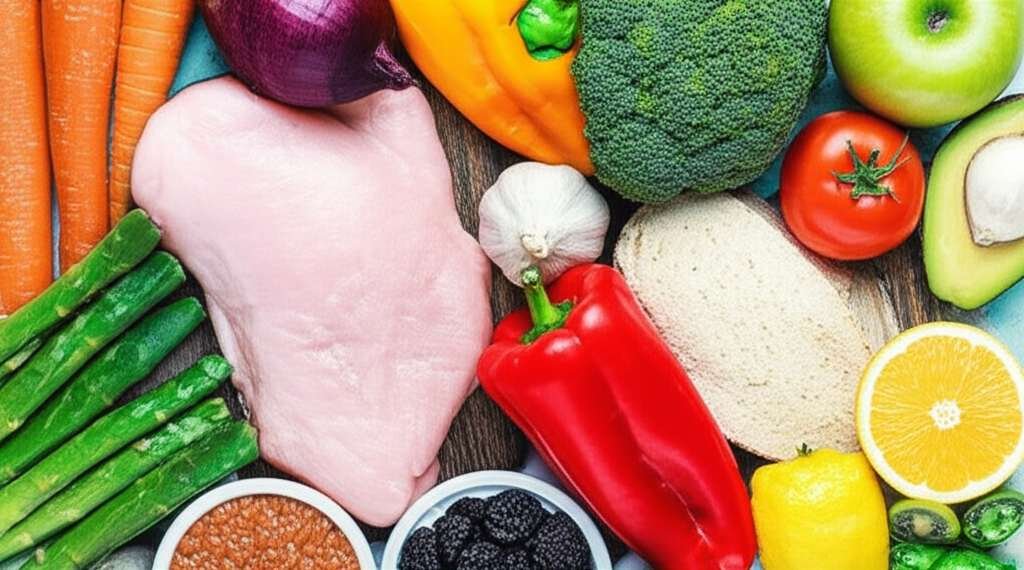
This 14-day meal plan for fatty liver weight loss focuses on whole foods, lean proteins, and healthy fats to help reduce liver fat and promote a healthier weight. It’s designed for beginners, offering simple, delicious, and affordable meals that are easy to follow for sustainable results.
Dealing with fatty liver and trying to lose weight can feel like a puzzle. You want to make healthy choices, but sometimes it’s hard to know where to start or what foods are best. It’s completely understandable if you feel a bit overwhelmed!
The good news is that making positive changes doesn’t have to be complicated. With a clear plan, you can take steps toward a healthier liver and a healthier you. This guide is here to break it all down for you.
We’ll walk through a simple, 14-day meal plan specifically designed to support fatty liver health and weight loss. Think of it as your friendly roadmap to feeling better, one meal at a time.
Get ready to discover how easy and enjoyable healthy eating can be!
Quick Summary: 14 Day Meal Plan For Fatty Liver Weight Loss
Yes, a 14-day meal plan can significantly support fatty liver weight loss by emphasizing nutrient-dense, low-sugar, and low-fat foods. This guide provides a structured, beginner-friendly approach with easy-to-prepare meals focused on whole grains, lean proteins, fruits, vegetables, and healthy fats to reduce liver fat and promote gradual, sustainable weight loss.
Understanding Fatty Liver and Weight Loss

Fatty liver disease, also known as non-alcoholic fatty liver disease (NAFLD), happens when too much fat builds up in your liver. It’s often linked to lifestyle factors like diet, weight, and physical activity.
When you’re carrying extra weight, especially around your middle, it can contribute to fat accumulation in the liver. Losing even a small amount of weight can make a big difference in improving liver health and reducing that fat.
This is where a well-structured meal plan comes in. It helps you make smart food choices consistently, which is key for both weight loss and liver health.
Why This Meal Plan Works
This 14-day plan is built on principles that are great for both your liver and your waistline:
- Focus on Whole Foods: We’ll be filling your plate with foods that are as close to their natural state as possible. Think fruits, vegetables, lean meats, and whole grains.
- Limited Added Sugars and Refined Carbs: Sugary drinks and white bread can quickly turn into fat in your liver. This plan steers clear of them.
- Healthy Fats: Not all fats are bad! We’ll include sources like avocados, nuts, and olive oil, which are good for your heart and liver.
- Lean Protein: Protein helps you feel full and supports muscle health, which is important for metabolism.
- Portion Control: Eating the right amounts is just as important as choosing the right foods.
The goal is to create a calorie deficit for weight loss without feeling deprived. This means you’ll be eating satisfying meals that nourish your body.
Getting Started: Essential Tips
Before diving into the meal plan, let’s set you up for success with a few simple tips:
- Hydration is Key: Drink plenty of water throughout the day. Aim for at least 8 glasses (64 ounces) daily. Water helps with metabolism and keeps you feeling full.
- Portion Awareness: Use smaller plates to help manage portion sizes. Visual cues can be very helpful when you’re starting out.
- Read Labels: Get in the habit of checking nutrition labels, especially for added sugars and unhealthy fats in packaged foods.
- Plan Your Shopping: Before the week begins, check the meal plan and create a grocery list. Shopping with a list helps you stick to healthy choices and avoid impulse buys.
- Meal Prep: Spend a little time on the weekend washing and chopping veggies, or cooking some grains. This makes weekday meals much quicker!
- Listen to Your Body: Pay attention to how different foods make you feel. Adjust portion sizes if you’re overly hungry or too full.
- Gentle Movement: While this plan focuses on diet, incorporating regular, moderate exercise is highly beneficial for fatty liver and weight loss. Aim for at least 150 minutes of brisk walking or similar activity per week. You can learn more about the benefits of physical activity from the National Institute of Diabetes and Digestive and Kidney Diseases (NIDDK).
The 14-Day Meal Plan
This plan is a template. Feel free to swap meals within the same day or between days if it suits your schedule or preferences, as long as you maintain the focus on healthy ingredients.
Week 1
Day 1
- Breakfast: Oatmeal (made with water or unsweetened almond milk) topped with berries and a sprinkle of chia seeds.
- Lunch: Large mixed green salad with grilled chicken breast, cucumber, tomatoes, bell peppers, and a light vinaigrette dressing (olive oil and lemon juice).
- Dinner: Baked salmon with roasted broccoli and a small serving of quinoa.
Day 2
- Breakfast: Scrambled eggs (2-3) with spinach and mushrooms.
- Lunch: Lentil soup (homemade or low-sodium store-bought) with a side of whole-grain crackers.
- Dinner: Turkey breast stir-fry with mixed vegetables (broccoli, carrots, snap peas) and a light soy sauce or tamari-based sauce. Serve with a small portion of brown rice.
Day 3
- Breakfast: Greek yogurt (plain, unsweetened) with a handful of almonds and sliced peach.
- Lunch: Leftover turkey stir-fry from Day 2.
- Dinner: Chicken breast baked with herbs, served with steamed asparagus and a sweet potato (baked or mashed, no added butter/sugar).
Day 4
- Breakfast: Smoothie made with spinach, banana, unsweetened almond milk, and a scoop of protein powder (whey or plant-based).
- Lunch: Tuna salad (made with Greek yogurt instead of mayo) on whole-wheat bread or lettuce wraps, with a side of carrot sticks.
- Dinner: Lean ground beef chili (loaded with beans and vegetables like onions, bell peppers, tomatoes).
Day 5
- Breakfast: Oatmeal with sliced apple and a dash of cinnamon.
- Lunch: Leftover chili from Day 4.
- Dinner: Baked cod with lemon and herbs, served with sautéed zucchini and a small side salad.
Day 6
- Breakfast: Scrambled eggs with diced bell peppers and onions.
- Lunch: Quinoa salad with black beans, corn, diced avocado, cilantro, and a lime dressing.
- Dinner: Grilled chicken breast with a large mixed green salad and a side of roasted Brussels sprouts.
Day 7
- Breakfast: Greek yogurt with berries and a tablespoon of flaxseeds.
- Lunch: Leftover quinoa salad from Day 6.
- Dinner: Baked tofu with a vegetable medley (carrots, peas, green beans) and a small portion of brown rice.
Week 2
Day 8
- Breakfast: Oatmeal with sliced banana and a few walnuts.
- Lunch: Large salad with canned salmon (drained), mixed greens, tomatoes, cucumber, and a light vinaigrette.
- Dinner: Lean pork tenderloin, roasted with herbs, served with steamed green beans and a small baked sweet potato.
Day 9
- Breakfast: Smoothie with kale, pineapple, unsweetened coconut water, and a scoop of plant-based protein powder.
- Lunch: Leftover pork tenderloin with green beans.
- Dinner: Chicken breast curry made with light coconut milk, lots of vegetables (cauliflower, spinach), served with a small portion of brown rice.
Day 10
- Breakfast: Scrambled eggs with cherry tomatoes and a slice of whole-wheat toast.
- Lunch: Chickpea salad sandwich on whole-wheat bread (mashed chickpeas with a little Greek yogurt, celery, onion, and spices).
- Dinner: Baked tilapia with roasted asparagus and lemon wedges.
Day 11
- Breakfast: Greek yogurt with mixed berries and a tablespoon of pumpkin seeds.
- Lunch: Leftover baked tilapia with roasted asparagus.
- Dinner: Lentil shepherd’s pie with a topping of mashed cauliflower instead of potatoes.
Day 12
- Breakfast: Oatmeal with chopped apple, cinnamon, and a few almonds.
- Lunch: Large salad with grilled shrimp, mixed greens, avocado, bell peppers, and a lime-cilantro dressing.
- Dinner: Lean ground turkey meatballs (baked, not fried) with zucchini noodles and a sugar-free marinara sauce.
Day 13
- Breakfast: Smoothie with berries, spinach, unsweetened almond milk, and chia seeds.
- Lunch: Leftover turkey meatballs with zucchini noodles.
- Dinner: Baked chicken thighs (skinless) with roasted root vegetables (carrots, parsnips, sweet potato).
Day 14
- Breakfast: Scrambled eggs with a side of sliced avocado.
- Lunch: Leftover chicken thighs with roasted vegetables.
- Dinner: Big veggie-packed omelet (mushrooms, onions, spinach, bell peppers) with a small side salad.
Sample Daily Breakdown and Nutritional Focus
This table gives you an idea of the types of foods and their general benefits for fatty liver and weight loss. Remember, portion sizes are key!
| Meal Type | Focus Foods | Why They Help | Example Serving |
|---|---|---|---|
| Breakfast | Whole Grains (Oats), Fruits, Lean Protein (Eggs, Yogurt) | Provides sustained energy, fiber for fullness, and essential nutrients. Helps regulate blood sugar. | 1/2 cup cooked oatmeal with 1/2 cup berries and 1 tbsp chia seeds. |
| Lunch | Lean Protein (Chicken, Fish, Beans), Plenty of Vegetables, Healthy Fats (Avocado, Olive Oil) | Keeps you full longer, aids muscle repair, and provides essential vitamins and minerals. Fiber aids digestion. | Large salad with 4 oz grilled chicken breast, mixed greens, assorted veggies, 1 tbsp olive oil dressing. |
| Dinner | Lean Protein (Fish, Turkey, Tofu), Non-Starchy Vegetables, Complex Carbs (Quinoa, Brown Rice, Sweet Potato) | Supports metabolism, provides satiety, and helps repair tissues. Balanced meal for recovery and nourishment. | 4-6 oz baked salmon, 1 cup roasted broccoli, 1/2 cup cooked quinoa. |
| Snacks (Optional) | Nuts, Seeds, Fruits, Vegetables | Helps manage hunger between meals, provides micronutrients. Choose wisely to avoid excess calories or sugar. | Small handful of almonds (approx. 1/4 cup) or an apple. |
Food Choices to Prioritize
When you’re following a meal plan for fatty liver and weight loss, some foods are superheroes!
- Fruits: Berries (strawberries, blueberries, raspberries), apples, pears, peaches, citrus fruits. They are packed with antioxidants and fiber.
- Vegetables: Leafy greens (spinach, kale, romaine), broccoli, cauliflower, Brussels sprouts, carrots, bell peppers, zucchini, tomatoes, onions. Aim for a variety of colors!
- Lean Proteins: Skinless chicken breast, turkey breast, fish (salmon, tuna, cod, tilapia), eggs, tofu, beans, lentils.
- Whole Grains: Oats, quinoa, brown rice, whole-wheat bread (in moderation). These provide fiber and sustained energy.
- Healthy Fats: Avocados, nuts (almonds, walnuts), seeds (chia, flax, pumpkin), olive oil.
- Dairy/Alternatives: Plain, unsweetened Greek yogurt, unsweetened almond milk or other plant-based milks.
Foods to Limit or Avoid
Cutting back on certain foods can have a significant positive impact on your liver and weight.
- Sugary Drinks: Soda, fruit juices (even 100% juice), sweetened teas and coffees. These are empty calories that can worsen liver fat.
- Added Sugars: Found in candies, cakes, cookies, pastries, and many processed foods.
- Refined Carbohydrates: White bread, white pasta, white rice, sugary cereals.
- Fried Foods: French fries, fried chicken, donuts. They are high in unhealthy fats and calories.
- Processed Meats: Sausages, bacon, hot dogs. Often high in sodium and unhealthy fats.
- Excess Saturated and Trans Fats: Found in fatty cuts of meat, butter, full-fat dairy (in large amounts), and many baked goods and processed snacks.
- Alcohol: If you have fatty liver, it’s often recommended to limit or avoid alcohol. Consult your doctor for personalized advice.
Making these reductions is a crucial step in managing fatty liver disease. The American Association for the Study of Liver Diseases offers resources on NAFLD management, which often includes dietary recommendations.
Frequently Asked Questions (FAQ)
Q1: Is this meal plan suitable for complete beginners?
A1: Absolutely! This plan is designed with beginners in mind. The meals are straightforward, use common ingredients, and focus on simple preparation methods. We aim to make healthy eating accessible and not intimidating.
Q2: How much weight can I expect to lose in 14 days?
A2: Weight loss varies greatly from person to person based on starting weight, metabolism, activity level, and adherence to the plan. A healthy and sustainable rate of weight loss is typically 1-2 pounds per week. Focus on building healthy habits rather than a specific number in just two weeks.
Q3: Do I have to eat exactly what is listed?
A3: Not necessarily! This plan provides a great framework. You can swap meals within the same day or between days. If you dislike salmon, for example, you can swap it for another fatty fish or lean protein. The key is to stick to the principles: whole foods, lean protein, lots of veggies, and limited added sugars/refined carbs.
Q4: What if I get hungry between meals?
A4: It’s okay to have healthy snacks! Choose options like a small handful of almonds, a piece of fruit (like an apple or pear), raw vegetable sticks (carrots, cucumber, bell peppers), or a small portion of plain Greek yogurt. These snacks can help keep your energy up and prevent overeating at your next meal.
Q5: Can I drink coffee or tea?
A5: Yes, you can! Opt for black coffee or plain tea (green tea is a great choice). Avoid adding sugar, cream, or high-calorie flavorings. They are generally fine in moderation and can even offer some health benefits, particularly green tea.
Q6: Is this plan affordable?
A6: We’ve focused on using common, accessible ingredients. Buying staples like oats, beans, lentils, frozen vegetables, and lean proteins in bulk can help keep costs down. Meal prepping also saves money by reducing impulse buys and takeout orders.
Q7: How long should I follow this plan?
A7: This 14-day plan is a fantastic starting point to build healthy habits. Many people find success by continuing these eating patterns long-term. After the 14 days, you can repeat the plan, mix and match meals, or use it as inspiration to create your own healthy weekly menus.
Making It Sustainable Beyond 14 Days
This 14-day plan is your launchpad, not your finish line! The real magic happens when these healthy habits become a part of your everyday life.
Think about how you felt during these two weeks. Did you discover new favorite meals? Did you notice more energy? Use that as motivation.
To keep going:
- Continue Meal Planning: Dedicate a little time each week to plan your meals and create a grocery list.
- Keep it Simple: Don’t try to make every meal gourmet. Simple, balanced meals are the most sustainable.
- Allow for Flexibility: Life happens! If you have a social event or a craving, enjoy it in moderation and get back on track with your next meal. It’s about balance, not perfection.
- Stay Hydrated: Keep that water bottle handy!
- Move Your Body: Continue with your physical activity. It complements your healthy eating perfectly.
- Seek Support: Talk to friends, family, or consider joining a supportive online community. Sharing your journey can be very motivating.
Remember, managing fatty liver and achieving weight loss is a journey. Every healthy choice you make is a step forward. Be patient and kind to yourself throughout the process.
Conclusion
You’ve taken a significant step by exploring this 14-day meal plan for fatty liver weight loss. This guide was designed to be your friendly, practical companion, simplifying the process of eating well for a healthier liver and a healthier body.
By focusing on whole foods, lean proteins, and healthy fats while limiting sugars and processed items, you’re giving your body the nutrients it needs to heal and thrive. The plan offers variety and delicious options, proving that healthy eating can be enjoyable and accessible, even for beginners.
Remember to stay hydrated, listen to your body, and celebrate your progress, no matter how small it may seem. The habits you build over these two weeks can be the foundation for long-term well-being. Keep up the great work – your liver and your health will thank you!
As an Amazon Associate, We earn from qualifying purchases. When you purchase a product through Amazon links on pulsefitguide.com, we may earn a small commission at no extra cost to you. This helps support the site and keep our content free.