
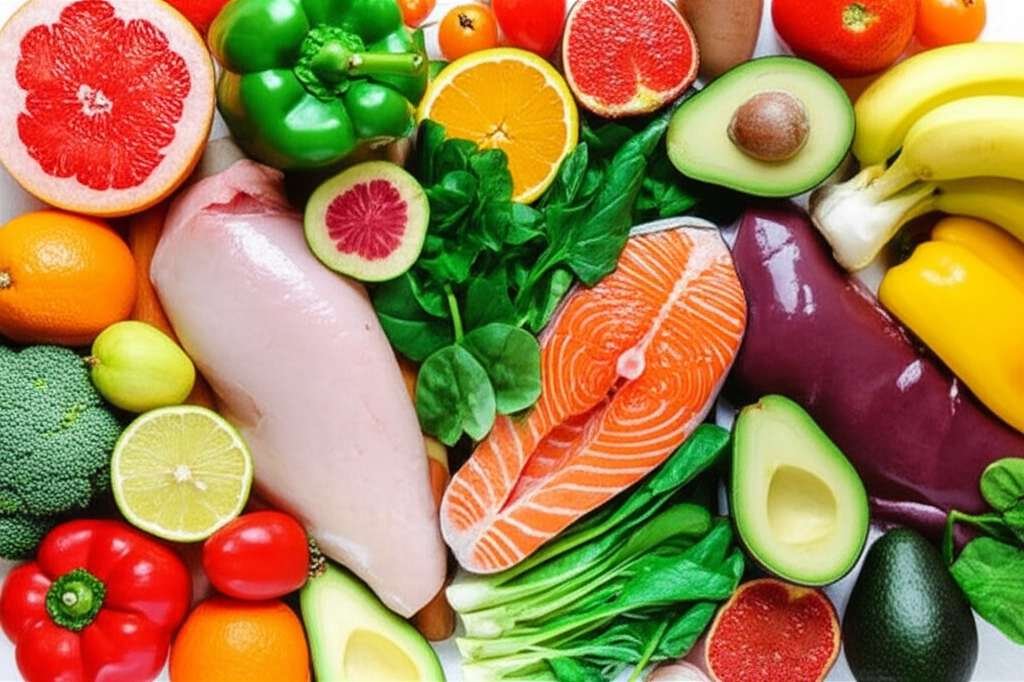
Quick Summary: This 14-day clean eating meal plan focuses on whole foods and nutrient-dense options to support fatty liver weight loss. It’s designed to be simple, affordable, and easy for beginners to follow, helping you shed pounds and improve liver health effectively.
Feeling confused about how to tackle fatty liver and weight loss at the same time? You’re not alone! It can seem like a lot to manage, but it doesn’t have to be overwhelming.
We’re going to break it down into simple, actionable steps. This plan is all about making healthy choices that feel good and deliver real results.
Get ready to discover a clear path to a healthier you, starting with what’s on your plate. Let’s make this journey achievable and enjoyable, together!
Understanding Fatty Liver and Weight Loss
Fatty liver disease, also known as non-alcoholic fatty liver disease (NAFLD), happens when too much fat builds up in your liver. While it’s common, it can lead to more serious liver problems if not managed.
A major key to improving fatty liver is losing excess weight. When you shed pounds, you reduce the fat in your liver. This can help your liver function better and prevent further damage. It’s a powerful way to take control of your health.
The good news is that simple lifestyle changes, especially around what you eat, can make a big difference. This plan focuses on “clean eating” to help you achieve both weight loss and better liver health.
What is Clean Eating?

Clean eating is all about choosing foods that are as close to their natural state as possible. Think fruits, vegetables, lean proteins, and whole grains.
It means avoiding processed foods, sugary drinks, and unhealthy fats that can contribute to inflammation and weight gain. The goal is to nourish your body with nutrient-dense foods.
It’s not about perfection, but about making consistent, healthy choices. This approach helps your body function optimally and supports your weight loss journey.
Why a 14-Day Plan?
A 14-day meal plan is a great starting point for beginners. It provides structure and makes it easier to build new habits without feeling overwhelmed.
Two weeks is long enough to start seeing and feeling positive changes, like increased energy and better digestion. It’s a manageable timeframe to kickstart your journey.
This plan is designed to be flexible and affordable, using common ingredients you can find at most grocery stores. We’ll focus on delicious meals that support your fatty liver health and weight loss goals.
Key Principles for Your 14-Day Clean Eating Plan
Our 14-day clean eating plan for fatty liver weight loss is built on a few core ideas. Understanding these will help you make informed choices throughout the plan.
- Focus on Whole Foods: Prioritize fruits, vegetables, lean proteins, and whole grains. These are packed with nutrients and fiber.
- Limit Added Sugars: Sugary drinks and sweets can worsen fatty liver and hinder weight loss.
- Choose Healthy Fats: Opt for unsaturated fats found in avocados, nuts, seeds, and olive oil. Avoid saturated and trans fats.
- Stay Hydrated: Drink plenty of water throughout the day. Water is crucial for metabolism and overall health.
- Control Portions: Even healthy foods should be eaten in moderation to manage calorie intake for weight loss.
- Minimize Processed Foods: These often contain unhealthy fats, added sugars, and sodium, which can negatively impact liver health.
Foods to Embrace
These are the stars of your clean eating journey. Filling your plate with these will provide essential nutrients and support your goals.
Vegetables: The Foundation
Load up on a wide variety of colorful vegetables. They are low in calories and packed with vitamins, minerals, and fiber, which aids digestion and keeps you feeling full.
- Leafy Greens: Spinach, kale, romaine lettuce, Swiss chard
- Cruciferous Veggies: Broccoli, cauliflower, Brussels sprouts, cabbage
- Root Vegetables: Carrots, sweet potatoes, beets (in moderation due to natural sugars)
- Other Favorites: Bell peppers, cucumbers, tomatoes, zucchini, onions, garlic
Fruits: Nature’s Sweetness
Fruits offer natural sweetness along with fiber and antioxidants. Enjoy them in moderation, as they do contain natural sugars.
- Berries: Blueberries, strawberries, raspberries, blackberries (lower in sugar, high in antioxidants)
- Apples and Pears: Good sources of fiber
- Citrus Fruits: Oranges, grapefruit, lemons, limes (rich in Vitamin C)
- Other: Peaches, plums, melon
Lean Proteins: Building Blocks
Protein is essential for muscle repair and keeps you feeling satisfied. Choose lean sources to avoid excess saturated fat.
- Poultry: Chicken breast, turkey breast (skinless)
- Fish: Salmon, tuna, cod, mackerel (especially fatty fish rich in omega-3s)
- Legumes: Lentils, beans (black beans, chickpeas, kidney beans), edamame
- Tofu and Tempeh: Plant-based protein options
- Eggs: A versatile and nutrient-rich choice
Whole Grains: Sustained Energy
Opt for whole grains over refined grains for more fiber and nutrients. These help stabilize blood sugar levels.
- Quinoa
- Oats (rolled or steel-cut)
- Brown rice
- Barley
- Whole wheat bread/pasta (in moderation)
Healthy Fats: Essential for Health
Don’t fear fats! Healthy fats are crucial for hormone production and nutrient absorption. They also help you feel full and satisfied.
- Avocado
- Nuts: Almonds, walnuts, cashews (unsalted, raw)
- Seeds: Chia seeds, flaxseeds, pumpkin seeds, sunflower seeds
- Olive Oil: Extra virgin for dressings and light cooking
- Fatty Fish: Salmon, mackerel, sardines (rich in omega-3 fatty acids)
Foods to Limit or Avoid
These foods can contribute to fat buildup in the liver and make weight loss more challenging. Reducing them is a key step.
- Added Sugars: Found in soda, candy, pastries, sweetened yogurts, and many processed snacks.
- Refined Grains: White bread, white rice, white pasta, sugary cereals.
- Unhealthy Fats: Trans fats (in fried foods, margarines, baked goods) and excessive saturated fats (fatty meats, butter, full-fat dairy).
- Processed Meats: Sausages, bacon, deli meats.
- Fried Foods: French fries, fried chicken, doughnuts.
- Sugary Beverages: Soda, fruit juices with added sugar, energy drinks.
- Excessive Alcohol: While this plan focuses on non-alcoholic fatty liver, it’s crucial to limit or avoid alcohol if you have liver concerns.
The 14-Day Clean Eating Meal Plan
Here’s a sample 14-day meal plan designed to be simple, delicious, and effective for fatty liver weight loss. Remember to adjust portion sizes based on your individual needs and hunger levels. Hydration is key, so drink water with every meal and throughout the day!
Week 1: Building the Foundation
| Day | Breakfast | Lunch | Dinner | Snack (Optional) |
|---|---|---|---|---|
| Day 1 | Oatmeal with berries and a sprinkle of chia seeds. | Large mixed green salad with grilled chicken breast, cucumber, tomatoes, and olive oil vinaigrette. | Baked salmon with roasted broccoli and a small portion of quinoa. | A small handful of almonds. |
| Day 2 | Scrambled eggs (2-3) with spinach and a side of sliced avocado. | Lentil soup with a side salad. | Chicken stir-fry with mixed vegetables (broccoli, bell peppers, snap peas) and brown rice. Use soy sauce or tamari in moderation. | An apple. |
| Day 3 | Greek yogurt (plain, unsweetened) with a handful of mixed berries. | Tuna salad (made with Greek yogurt or avocado instead of mayo) on whole-wheat crackers or lettuce wraps. | Lean ground turkey meatballs in a sugar-free tomato sauce with zucchini noodles. | Carrot sticks with a tablespoon of hummus. |
| Day 4 | Smoothie: Spinach, banana (half), unsweetened almond milk, and protein powder (optional). | Leftover turkey meatballs and zucchini noodles. | Baked cod with steamed green beans and a small sweet potato. | A pear. |
| Day 5 | Oatmeal with sliced apple and a sprinkle of walnuts. | Quinoa salad with black beans, corn, bell peppers, lime juice, and cilantro. | Grilled chicken breast with a large side of roasted Brussels sprouts. | A hard-boiled egg. |
| Day 6 | Scrambled eggs (2-3) with diced bell peppers and onions. | Leftover quinoa salad. | Salmon patties (homemade with canned salmon, egg, and herbs) with a mixed green salad. | A small handful of pumpkin seeds. |
| Day 7 | Greek yogurt (plain, unsweetened) with sliced peaches and a sprinkle of flaxseeds. | Large salad with chickpeas, cucumber, tomatoes, and a lemon-tahini dressing. | Roast chicken (skin removed) with roasted carrots and a side of steamed asparagus. | Berries. |
Week 2: Deepening the Habits
| Day | Breakfast | Lunch | Dinner | Snack (Optional) |
|---|---|---|---|---|
| Day 8 | Oatmeal with blueberries and a tablespoon of almond butter. | Leftover roast chicken salad with mixed greens. | Baked cod with roasted cauliflower and a small portion of brown rice. | A small apple. |
| Day 9 | Smoothie: Kale, pineapple (small piece), unsweetened coconut milk, and chia seeds. | Lentil and vegetable soup with a small side salad. | Lean ground beef or turkey chili (with lots of beans and vegetables, no added sugar) topped with a dollop of Greek yogurt. | A handful of walnuts. |
| Day 10 | Scrambled eggs (2-3) with mushrooms and a side of whole-wheat toast (one slice). | Leftover chili. | Baked salmon with a large Greek salad (cucumber, tomatoes, olives, feta cheese in moderation, olive oil dressing). | Bell pepper strips. |
| Day 11 | Greek yogurt (plain, unsweetened) with chopped strawberries and sunflower seeds. | Chicken breast salad (grilled chicken, mixed greens, avocado, lemon dressing). | Turkey burgers (homemade, lean ground turkey) on lettuce wraps with a side of sweet potato fries (baked, not fried). | A pear. |
| Day 12 | Oatmeal with banana (half) and a sprinkle of cinnamon. | Leftover turkey burgers. | Baked cod with steamed broccoli and a small portion of quinoa. | A hard-boiled egg. |
| Day 13 | Smoothie: Spinach, half a pear, unsweetened almond milk, and a scoop of protein powder. | Tuna salad (Greek yogurt/avocado base) served in bell pepper halves. | Chicken and vegetable skewers (chicken breast, bell peppers, onions, zucchini) with a side of mixed greens. | A small handful of almonds. |
| Day 14 | Scrambled eggs (2-3) with a side of sliced tomatoes and avocado. | Large mixed green salad with grilled shrimp, cucumber, and a light vinaigrette. | Baked chicken breast with roasted asparagus and a small portion of brown rice. | Berries. |
Tips for Success
Sticking to a new meal plan can be challenging, but these tips will help you stay on track and make the most of your 14 days.
- Meal Prep: Dedicate some time on the weekend to wash and chop veggies, cook grains, and prepare proteins. This saves time during the week and prevents last-minute unhealthy choices.
- Stay Hydrated: Keep a water bottle with you at all times. Aim for at least 8 glasses (64 ounces) of water a day. Sometimes thirst can be mistaken for hunger.
- Listen to Your Body: Pay attention to how different foods make you feel. If something doesn’t agree with you, make a note of it.
- Don’t Aim for Perfection: If you slip up, don’t get discouraged. Just get back on track with your next meal. Progress, not perfection, is the goal.
- Get Enough Sleep: Aim for 7-9 hours of quality sleep per night. Poor sleep can affect your hormones and increase cravings.
- Manage Stress: Find healthy ways to cope with stress, such as deep breathing, meditation, or gentle exercise. Stress can impact your eating habits.
- Involve Your Support System: Let friends or family know about your goals. Having support can make a big difference.
Beyond the 14 Days: Making it Sustainable
This 14-day plan is a fantastic kickstart, but the real magic happens when you integrate these principles into your long-term lifestyle. Think of this as a learning experience to build healthy habits that last.
Continue to prioritize whole, unprocessed foods. Experiment with new healthy recipes and find what you truly enjoy. Regular physical activity is also a crucial partner to clean eating for weight loss and overall health.
For more detailed guidance on managing fatty liver disease through diet and lifestyle, the National Institute of Diabetes and Digestive and Kidney Diseases (NIDDK) offers valuable resources. They provide science-backed information on liver health and nutrition: https://www.niddk.nih.gov/health-information/liver-disease/fatty-liver-disease
Remember, consistency is key. Small, sustainable changes over time lead to significant and lasting results. Celebrate your progress and keep moving forward!
Frequently Asked Questions (FAQ)
Q1: Is this meal plan suitable for someone with moderate fatty liver?
Yes, this clean eating meal plan is designed to support fatty liver health by focusing on whole foods, lean proteins, and healthy fats, while limiting sugar and processed items. It’s a great starting point for managing your condition through diet.
Q2: How much weight can I expect to lose in 14 days?
Weight loss varies from person to person and depends on many factors like your starting weight, metabolism, and activity level. A healthy and sustainable weight loss is typically 1-2 pounds per week. This plan focuses on creating healthy habits that lead to gradual, consistent weight loss.
Q3: I’m a student and on a tight budget. Are the ingredients expensive?
This plan emphasizes affordable staples like oats, beans, lentils, seasonal vegetables, and chicken. Buying in bulk, choosing store brands, and cooking at home are great ways to save money. Many ingredients can be bought frozen, which is often cheaper and just as nutritious.
Q4: What if I don’t like certain foods on the plan?
Feel free to swap! If you dislike broccoli, try green beans or asparagus. If you’re not a fan of salmon, opt for cod or chicken breast. The key is to stick to the categories: plenty of vegetables, lean protein, whole grains, and healthy fats.
Q5: Can I drink coffee or tea?
Unsweetened coffee and tea are generally fine in moderation. Avoid adding sugar, cream, or flavored syrups. Black coffee and plain tea can even offer some antioxidant benefits.
Q6: What are some easy snacks if I get hungry between meals?
Healthy snacks include a small handful of raw nuts, a piece of fruit, vegetable sticks (carrots, celery, bell peppers) with a tablespoon of hummus, or a hard-boiled egg. These options provide nutrients and help keep you full.
Q7: Do I need to exercise while following this plan?
While this plan focuses on diet, incorporating regular physical activity is highly recommended for fatty liver disease and weight loss. Aim for at least 150 minutes of moderate-intensity aerobic exercise per week, along with strength training. Consult your doctor before starting any new exercise program.
Conclusion
Embarking on a 14-day clean eating journey for fatty liver weight loss is a powerful step towards reclaiming your health. This plan provides a clear, manageable roadmap filled with delicious, nutrient-dense foods that support both your liver and your weight goals.
By focusing on whole ingredients, limiting processed items and added sugars, and staying consistent, you’ll begin to feel more energetic and notice positive changes. Remember, this isn’t about drastic measures or deprivation; it’s about making nourishing choices that empower your body.
Keep the momentum going by incorporating these clean eating principles into your daily life beyond these two weeks. Small, consistent efforts build lasting habits and pave the way for long-term health and well-being. You’ve got this!
As an Amazon Associate, We earn from qualifying purchases. When you purchase a product through Amazon links on pulsefitguide.com, we may earn a small commission at no extra cost to you. This helps support the site and keep our content free.