
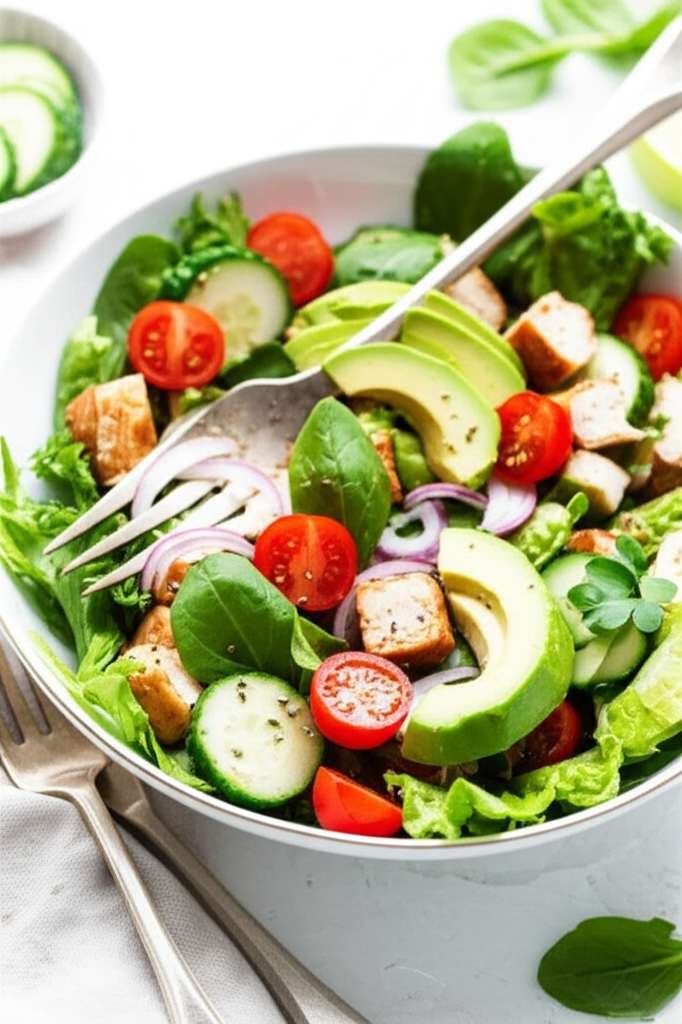
The 12 best salads for fatty liver weight loss focus on nutrient-dense, low-calorie ingredients like leafy greens, lean proteins, and healthy fats, creating satisfying meals that support liver health and aid in shedding excess weight. These recipes are simple, delicious, and packed with fiber to keep you full and energized.
Struggling with fatty liver and weight loss can feel like a confusing puzzle. You want to eat healthy, but what foods actually help? It’s totally normal to feel overwhelmed by all the advice out there.
The good news is, making smart food choices doesn’t have to be complicated. Salads, when made the right way, are nutritional powerhouses that can make a real difference for your liver and your waistline.
We’ll explore 12 delicious and easy salad ideas that are perfect for anyone looking to manage fatty liver and lose weight. Get ready to discover your new favorite healthy meals!
Why Salads Are Your Secret Weapon for Fatty Liver Weight Loss
When we talk about fatty liver, we’re often looking at ways to improve liver function and reduce the fat buildup. Weight loss is a huge part of this. Losing even a small percentage of body weight can significantly improve liver health. For instance, research shows that losing 5-10% of body weight can lead to improvements in liver fat and inflammation.
Salads are fantastic because they are naturally packed with fiber. Fiber is a superhero for weight loss and liver health. It helps you feel full longer, which means you’re less likely to overeat. It also plays a role in managing blood sugar and cholesterol, both important factors for liver health.
Plus, salads are a brilliant way to load up on vitamins, minerals, and antioxidants. These nutrients help protect your liver cells from damage and support its natural detoxification processes. Think of them as building blocks for a healthier you!
Key Ingredients for Fatty Liver Friendly Salads

To make salads work best for fatty liver and weight loss, we need to be smart about our ingredients. The goal is to create a balanced meal that’s filling, nutritious, and doesn’t overload your liver or calorie intake.
Here are the building blocks of a great fatty liver weight loss salad:
- Leafy Greens: These are the foundation. Think spinach, kale, romaine, arugula, and mixed greens. They are low in calories and high in vitamins and fiber.
- Lean Proteins: Essential for feeling full and maintaining muscle mass. Good choices include grilled chicken breast, turkey breast, fish (like salmon or tuna), beans, lentils, tofu, and hard-boiled eggs.
- Healthy Fats: In moderation, these are great for satiety and nutrient absorption. Avocado, nuts (like walnuts and almonds), and seeds (like chia, flax, and sunflower seeds) are excellent options. Olive oil is also a fantastic choice for dressings.
- Colorful Vegetables: Add a rainbow of veggies for maximum nutrients and antioxidants. Bell peppers, cucumbers, tomatoes, carrots, broccoli, cauliflower, and Brussels sprouts are all great additions.
- Fruits (in moderation): Berries, apples, and pears can add a touch of sweetness and beneficial fiber. Be mindful of portion sizes due to their natural sugar content.
- Whole Grains (optional, in moderation): Small amounts of quinoa or farro can add extra fiber and make a salad more filling, but keep portions small to manage carbs.
What to Limit or Avoid
Just as important as knowing what to include is knowing what to limit. Some salad toppings can quickly turn a healthy meal into a calorie and fat bomb, which isn’t ideal for fatty liver management.
- Creamy Dressings: Ranch, Caesar, and creamy blue cheese dressings are often high in unhealthy fats and calories.
- Sugary Toppings: Candied nuts, croutons, and dried fruits can add a lot of sugar.
- Fried or Processed Proteins: Fried chicken, crispy noodles, or processed meats are best avoided.
- Excessive Cheese: While some cheese is okay, large amounts can add a lot of saturated fat and calories.
- Large Portions of High-Carb Ingredients: Think large amounts of pasta, rice, or bread in your salad.
12 Best Salads for Fatty Liver Weight Loss
Let’s dive into some delicious and easy salad recipes designed to support your liver and weight loss goals. These are simple to prepare and use everyday ingredients.
1. The Mighty Spinach & Salmon Salad
This salad is a powerhouse of omega-3 fatty acids, which are fantastic for liver health. Salmon is also a great source of lean protein.
- Base: Fresh spinach
- Protein: Flaked cooked salmon (baked or grilled)
- Veggies: Cherry tomatoes, sliced cucumber, red onion
- Healthy Fat: A sprinkle of walnuts or a few slices of avocado
- Dressing: Lemon-dill vinaigrette (olive oil, lemon juice, fresh dill, salt, pepper)
2. The Lean Green Chicken & Avocado Salad
A classic combination that’s incredibly satisfying. The lean chicken provides protein, and avocado adds healthy fats for fullness.
- Base: Mixed greens or romaine lettuce
- Protein: Grilled chicken breast, sliced
- Veggies: Cucumber, bell peppers (any color), corn (in moderation)
- Healthy Fat: Sliced avocado
- Dressing: Lime-cilantro vinaigrette (olive oil, lime juice, chopped cilantro, a pinch of cumin)
3. The Hearty Lentil & Vegetable Salad
Lentils are an amazing source of fiber and plant-based protein, making this salad incredibly filling and good for digestion. They are also low on the glycemic index.
- Base: Arugula or mixed greens
- Protein: Cooked brown or green lentils
- Veggies: Chopped carrots, celery, red onion, parsley
- Healthy Fat: A light drizzle of olive oil
- Dressing: Balsamic vinaigrette (olive oil, balsamic vinegar, Dijon mustard)
4. The Mediterranean Quinoa & Chickpea Salad
This vibrant salad is packed with fiber, protein, and healthy fats. Quinoa provides a complete protein, and chickpeas add even more fiber.
- Base: Romaine lettuce or baby spinach
- Protein: Cooked quinoa, chickpeas
- Veggies: Cucumber, cherry tomatoes, Kalamata olives (in moderation), red onion, fresh parsley
- Healthy Fat: A few olives, light olive oil dressing
- Dressing: Lemon-herb vinaigrette (olive oil, lemon juice, oregano, garlic powder)
5. The Tuna & White Bean Salad
A quick and easy option that’s rich in protein and fiber. Choose tuna packed in water for a leaner choice.
- Base: Chopped romaine lettuce
- Protein: Canned tuna (drained, packed in water), cannellini beans (rinsed)
- Veggies: Celery, red onion, bell pepper
- Healthy Fat: A small amount of olive oil in the dressing
- Dressing: Lemon-Dijon dressing (olive oil, lemon juice, Dijon mustard, pepper)
6. The Turkey & Cranberry Walnut Salad
Lean turkey is a great protein source, and while cranberries should be used sparingly due to sugar, they add a nice tartness. Walnuts provide healthy omega-3s.
- Base: Mixed greens
- Protein: Sliced lean turkey breast
- Veggies: Sliced apple or pear, celery
- Healthy Fat: Chopped walnuts
- Topping: A small sprinkle of dried cranberries (unsweetened if possible)
- Dressing: Apple cider vinaigrette (olive oil, apple cider vinegar, a touch of maple syrup or honey if needed, cinnamon)
7. The Shrimp & Avocado Salad
Shrimp is a low-calorie, high-protein option that cooks very quickly. Avocado adds creaminess and healthy fats.
- Base: Spinach or kale
- Protein: Cooked shrimp
- Veggies: Cherry tomatoes, cucumber, red onion
- Healthy Fat: Sliced avocado
- Dressing: Citrus vinaigrette (olive oil, orange juice or grapefruit juice, lime juice, cilantro)
8. The Broccoli & Chickpea Power Salad
Broccoli is a cruciferous vegetable packed with nutrients and fiber. Combined with chickpeas, it’s a filling and healthy choice.
- Base: Chopped broccoli florets (lightly steamed or raw), mixed greens
- Protein: Chickpeas
- Veggies: Shredded carrots, red bell pepper
- Healthy Fat: Toasted sunflower seeds or pumpkin seeds
- Dressing: Tahini-lemon dressing (tahini, lemon juice, water to thin, garlic powder)
9. The Egg & Spinach Salad with Berries
Hard-boiled eggs are a simple, complete protein source. Berries add antioxidants and a touch of sweetness without a huge sugar spike.
- Base: Fresh spinach
- Protein: Sliced hard-boiled eggs
- Veggies: Cucumber, red onion
- Fruit: Fresh blueberries or raspberries
- Healthy Fat: A few slivered almonds
- Dressing: Raspberry vinaigrette (olive oil, red wine vinegar, a few mashed raspberries)
10. The Grilled Vegetable & Tofu Salad
For a plant-based option, grilled tofu is a fantastic protein source. Grilling vegetables brings out their natural sweetness.
- Base: Arugula or romaine
- Protein: Firm tofu, cubed and grilled or baked
- Veggies: Grilled zucchini, bell peppers, red onion, cherry tomatoes
- Healthy Fat: A light drizzle of olive oil
- Dressing: Balsamic glaze or a simple balsamic vinaigrette
11. The Kale & Roasted Sweet Potato Salad
Kale is incredibly nutrient-dense. Roasted sweet potatoes add complex carbs and fiber, making this salad satisfying.
- Base: Chopped kale (massage with a little olive oil and lemon juice to soften)
- Protein: Baked chicken breast or grilled halloumi (in moderation)
- Veggies: Roasted sweet potato cubes
- Healthy Fat: Toasted pumpkin seeds
- Dressing: Maple-Dijon vinaigrette (olive oil, apple cider vinegar, a tiny bit of maple syrup, Dijon mustard)
12. The Simple Tuna & Mixed Greens Salad
A no-fuss, quick salad perfect for busy days. Focus on lean protein and fresh greens.
- Base: Mixed greens
- Protein: Canned tuna (in water, drained) or flaked cooked chicken
- Veggies: Cucumber, shredded carrots, bell pepper
- Healthy Fat: A light olive oil-based dressing
- Dressing: Lemon-herb dressing (olive oil, lemon juice, dried herbs like parsley or basil)
Crafting Your Perfect Salad Dressing
The dressing is where many salads can go wrong. Store-bought dressings are often loaded with sugar, unhealthy oils, and sodium. Making your own is super easy and much healthier!
The basic formula for a healthy vinaigrette is:
- 3 parts Healthy Fat: Extra virgin olive oil is the gold standard.
- 1 part Acid: Lemon juice, lime juice, apple cider vinegar, red wine vinegar, or balsamic vinegar.
- Flavorings: Herbs (fresh or dried), garlic, Dijon mustard, a pinch of salt and pepper.
For a creamier dressing without dairy or unhealthy fats, try using a base of blended avocado or tahini. You can thin it out with water or a splash of lemon juice.
Understanding Portions and Balance
Even healthy ingredients need to be consumed in the right amounts. For fatty liver weight loss, the focus is on nutrient density and calorie control. This means getting the most nutritional bang for your caloric buck.
A good rule of thumb for a balanced salad is:
- Half your plate: Non-starchy vegetables (leafy greens, broccoli, peppers, etc.)
- One-quarter of your plate: Lean protein (chicken, fish, beans, tofu)
- One-quarter of your plate: Healthy fats (avocado, nuts, seeds) and/or a small portion of complex carbs (like a small amount of quinoa or sweet potato).
Dressings should be used sparingly. A tablespoon or two is usually enough. Remember, the goal is to enhance the flavor, not drown the salad.
The Role of Fiber in Fatty Liver Management
Fiber is a non-digestible carbohydrate that plays a crucial role in overall health, especially for those with fatty liver disease. The National Institute of Diabetes and Digestive and Kidney Diseases (NIDDK) highlights that dietary changes, including increasing fiber intake, are key in managing fatty liver disease.
Here’s why fiber is so important:
- Promotes Satiety: Fiber absorbs water and expands in your stomach, making you feel fuller for longer. This helps control appetite and reduce overall calorie intake, which is vital for weight loss.
- Improves Blood Sugar Control: Soluble fiber, in particular, can slow down the absorption of sugar into the bloodstream, preventing sharp spikes and crashes. This is beneficial for preventing insulin resistance, a common issue linked to fatty liver.
- Helps Lower Cholesterol: Soluble fiber can bind to cholesterol in the digestive system and help remove it from the body, contributing to better cardiovascular health, which is often linked to liver health.
- Supports Gut Health: Fiber acts as food for beneficial gut bacteria. A healthy gut microbiome is increasingly being linked to improved liver function and reduced inflammation.
By incorporating plenty of leafy greens, vegetables, beans, lentils, and whole grains into your salads, you’re significantly boosting your fiber intake. This makes salads an excellent choice for both managing fatty liver and achieving weight loss.
Beyond Salads: Complementary Habits for Fatty Liver Weight Loss
While these salads are fantastic, remember they are part of a bigger picture. For the best results with fatty liver and weight loss, consider these complementary habits:
- Regular Physical Activity: Aim for at least 150 minutes of moderate-intensity aerobic activity per week. Strength training is also beneficial.
- Stay Hydrated: Drink plenty of water throughout the day.
- Limit Alcohol: Alcohol can worsen fatty liver disease, so it’s best to limit or avoid it completely.
- Manage Stress: Chronic stress can impact your hormones and lead to weight gain. Find healthy ways to cope with stress.
- Prioritize Sleep: Aim for 7-9 hours of quality sleep per night. Poor sleep can affect your appetite hormones and metabolism.
Making these lifestyle changes alongside a healthy diet like the one incorporating these salads will yield the best results for your liver and overall well-being.
Frequently Asked Questions (FAQ)
Q1: Can I eat salads every day for fatty liver weight loss?
Yes, you absolutely can! As long as your salads are balanced and made with nutrient-dense ingredients, they can be a staple in your daily diet. Variety is key to ensure you get a wide range of nutrients.
Q2: What kind of protein is best for fatty liver salads?
Lean proteins like grilled chicken or turkey breast, fish (salmon, tuna), eggs, beans, lentils, and tofu are excellent choices. They are lower in saturated fat and calories, making them ideal for weight loss and liver health.
Q3: Are fruits okay in salads for fatty liver?
A small amount of fruit, like berries or a few slices of apple, can be beneficial due to their fiber and antioxidants. However, it’s best to use them in moderation to manage sugar intake.
Q4: How can I make my salads more filling?
To make salads more filling, focus on adding lean protein, healthy fats (like avocado, nuts, or seeds), and plenty of fiber-rich vegetables and legumes (like beans or lentils). These ingredients help promote satiety.
Q5: What is a good serving size for salad dressing?
Aim for about 1-2 tablespoons of dressing per salad. Homemade vinaigrettes using olive oil and vinegar or lemon juice are best. Be mindful of creamy or sugary store-bought options.
Q6: Can I prepare salads in advance?
Yes, you can! It’s best to keep the dressing separate and add it just before eating to prevent the greens from wilting. You can chop vegetables, cook proteins, and store them in separate containers in the refrigerator.
Q7: What are the benefits of eating salads for weight loss?
Salads are typically low in calories and high in fiber and water content, which helps you feel full and satisfied. This can lead to reduced overall calorie intake, aiding in weight loss. They are also packed with essential vitamins and minerals.
Conclusion
Managing fatty liver and working towards weight loss doesn’t have to be a chore. By incorporating these 12 delicious and easy salads into your routine, you’re taking a significant step towards a healthier liver and a lighter, more energetic you.
Remember, the key is to focus on whole, nutrient-dense ingredients, control portion sizes, and choose healthy fats and lean proteins. These salads are not just meals; they are tools that empower you to nourish your body, support your liver, and achieve your weight loss goals.
Start experimenting with these recipes, find your favorites, and enjoy the journey to better health. You’ve got this!
As an Amazon Associate, We earn from qualifying purchases. When you purchase a product through Amazon links on pulsefitguide.com, we may earn a small commission at no extra cost to you. This helps support the site and keep our content free.